Reading enhancement Normal Alphabet Worksheets for Ages 5-9
3 filtered results
-
From - To
Unlock your child's reading potential with our Reading Enhancement Normal Alphabet Worksheets designed for ages 5-9! These engaging worksheets focus on enhancing literacy skills through fun and interactive exercises. Each worksheet encourages letter recognition, phonemic awareness, and vocabulary development, making learning enjoyable. Our age-appropriate activities cater to varying skill levels, ensuring every child is challenged yet confident. With colorful designs and appealing illustrations, these worksheets captivate young learners' attention while reinforcing essential reading concepts. Perfect for homeschooling or classroom use, our resources provide parents and teachers with valuable tools to boost reading proficiency. Empower your child's literacy journey today!
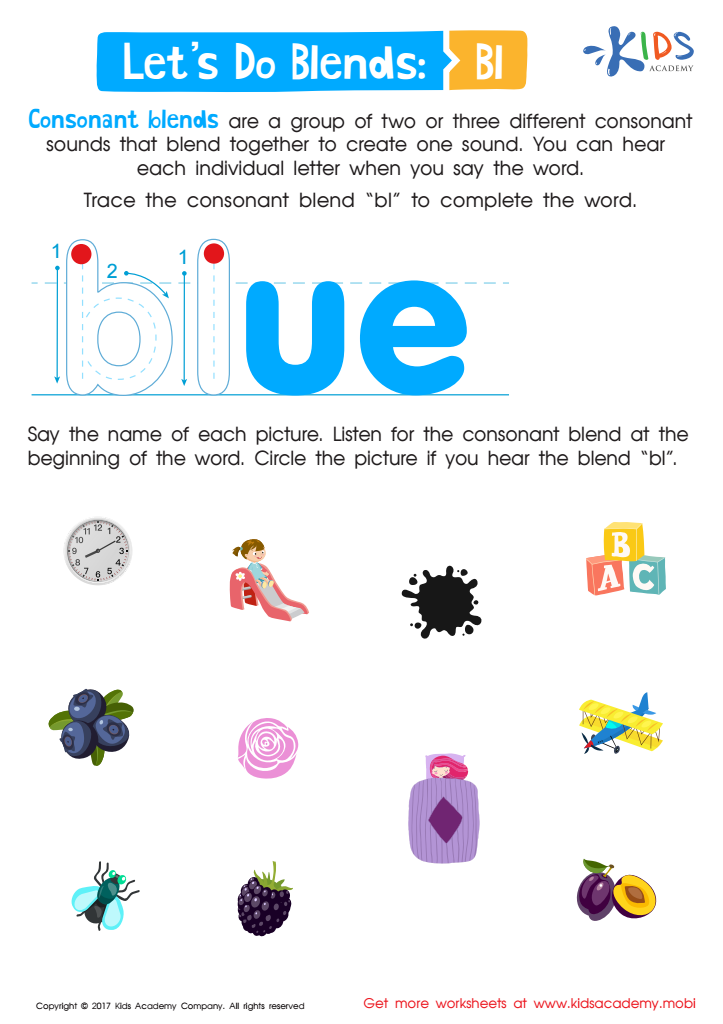
Beginning Blends: "Bl" Words Worksheet
 Assign to My Students
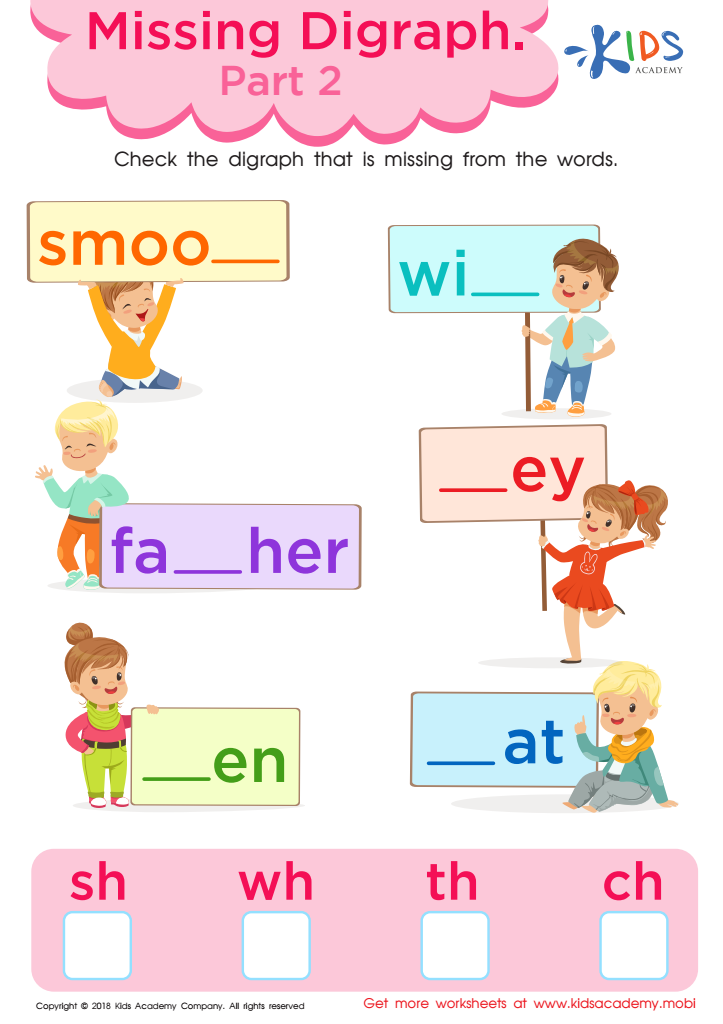
Missing Digraph: Part 2 Worksheet
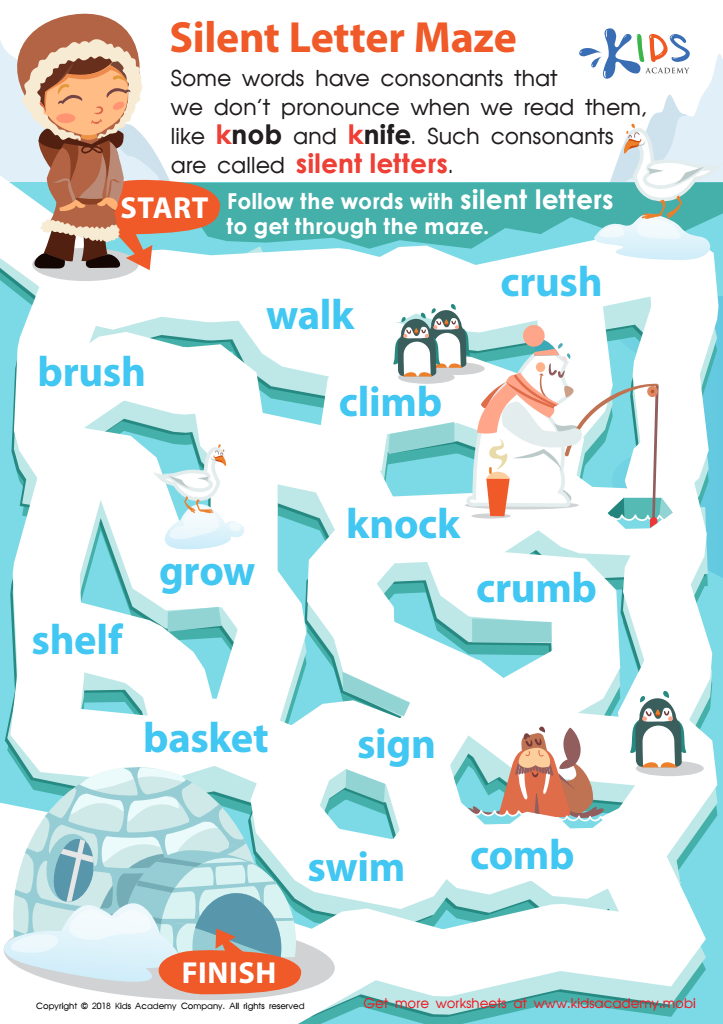
Silent Letter Maze Worksheet








Reading enhancement using the Normal Alphabet for children aged 5-9 is critical for numerous reasons. First, this developmental stage is vital as it lays the foundation for lifelong literacy skills. Early reading capabilities positively influence academic success across subjects, as proficient readers are more likely to embrace learning opportunities and engage in complex ideas.
Importantly, enhancing reading skills supports cognitive development, including vocabulary acquisition, comprehension, and critical thinking. The Normal Alphabet method simplifies the reading process, making it more accessible and promoting enjoyment in reading, which can foster a lifelong love for books and learning.
Moreover, during this age, children are actively developing social and emotional skills. Reading enhances empathy and understanding through storytelling, allowing children to relate to diverse perspectives. Parents and teachers play a crucial role in providing support and resources that can decisively impact students' confidence and motivation.
By focusing on reading enhancement in this formative stage, adults help cultivate not just proficient readers but confident individuals prepared for future challenges. Prioritizing these skills can lead to more enriched educational experiences and improve the likelihood of future academic achievement, thus greatly benefiting both children and the broader community.







