Writing practice Normal Letter Recognition Worksheets for Ages 5-9
6 filtered results
-
From - To
Enhance your child’s writing skills with our Normal Letter Recognition Worksheets designed specifically for ages 5-9. These engaging and interactive worksheets help young learners to recognize and write both uppercase and lowercase letters effectively. Each activity is crafted to promote motor skills, and memory retention, paired with fun illustrations that make learning enjoyable. Perfect for home or classroom use, these worksheets are valuable tools for reinforcing letter recognition and improving handwriting. Let your child explore the excitement of learning the alphabet with our comprehensive writing practice activities that foster confidence and creativity in their education journey!
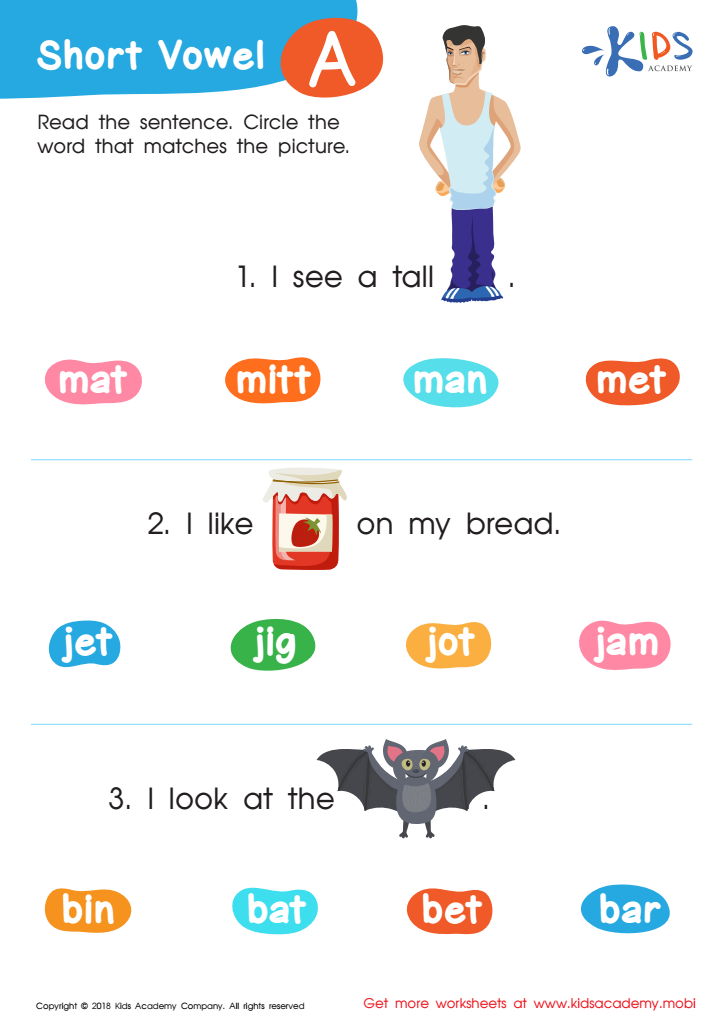
Short Vowel /a/ Worksheet
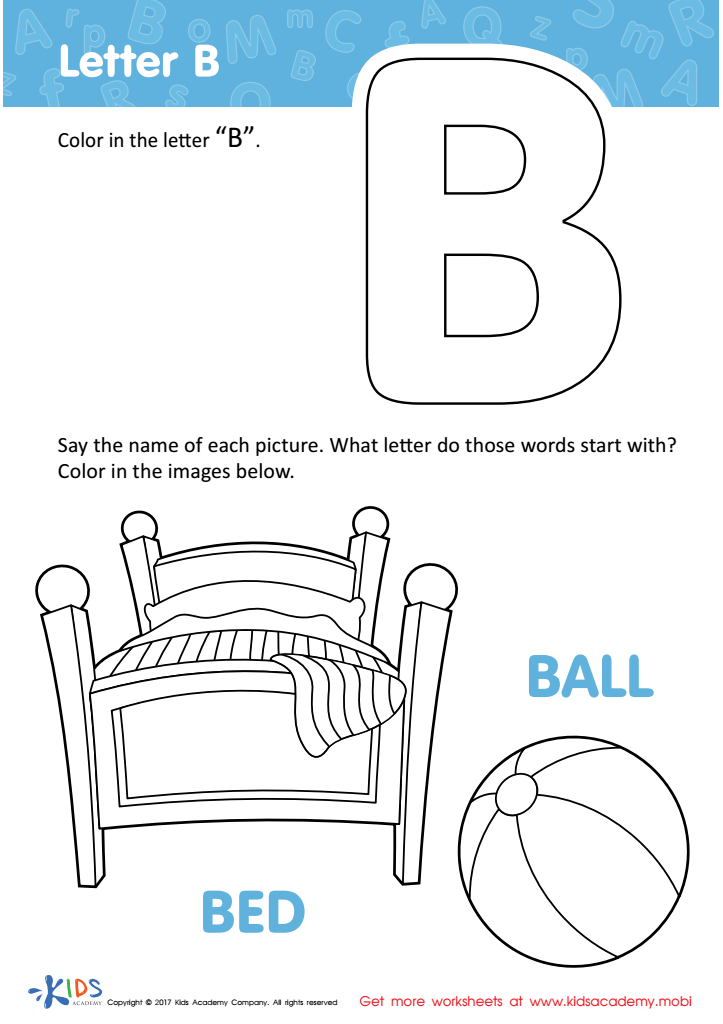
Letter B Coloring Sheet
 Assign to My Students
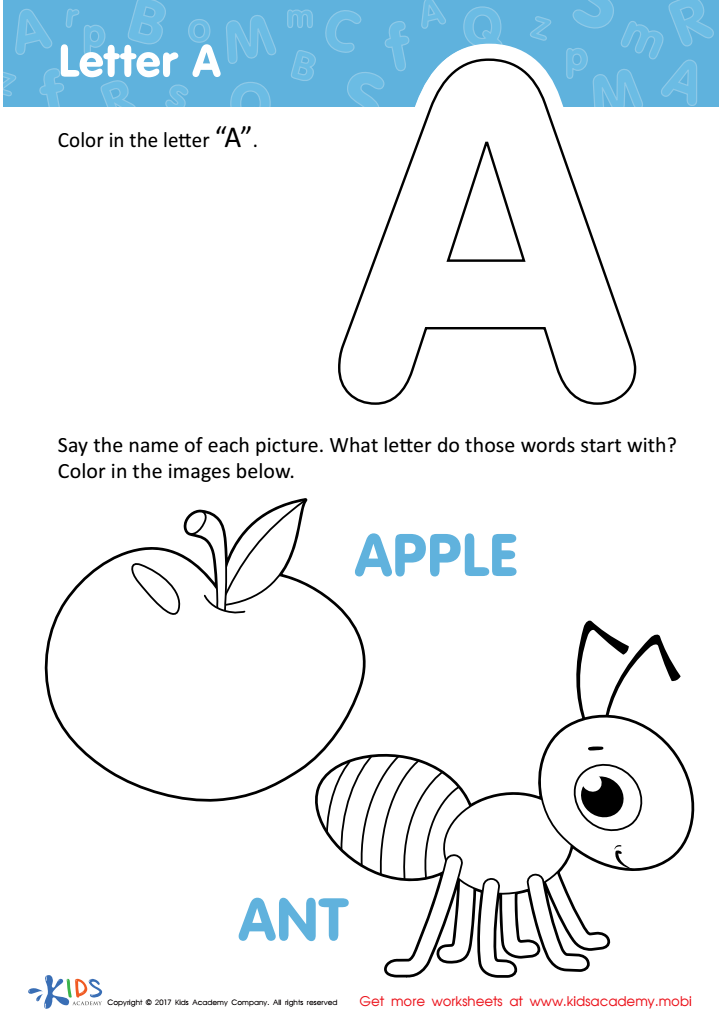
Letter A Coloring Sheet
Assign to My Students
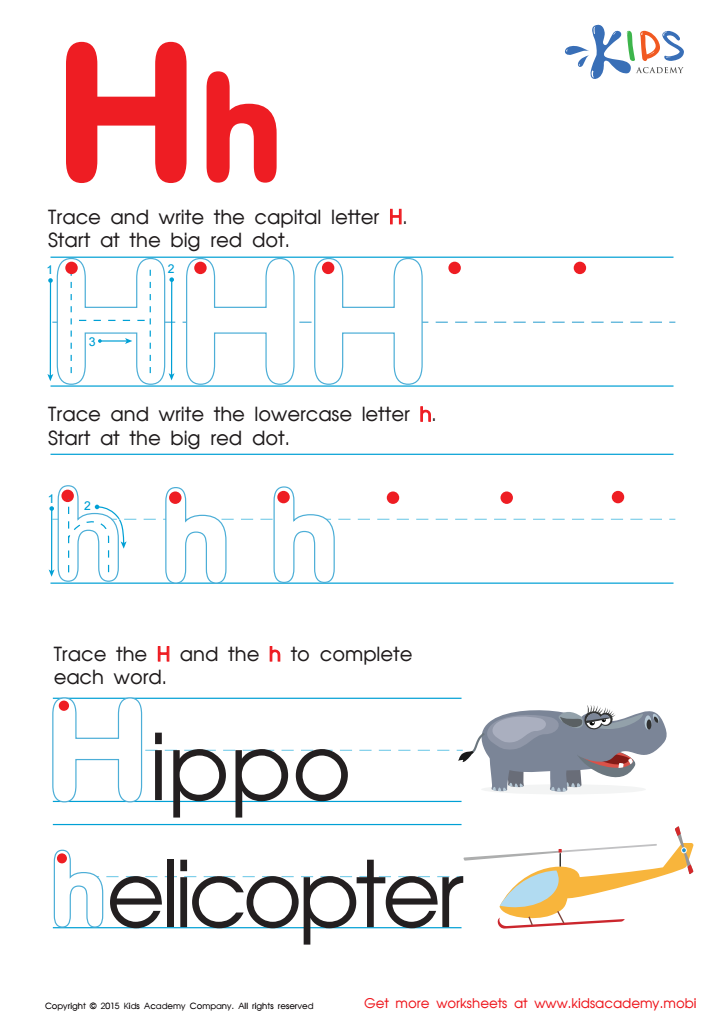
Letter H Tracing Page
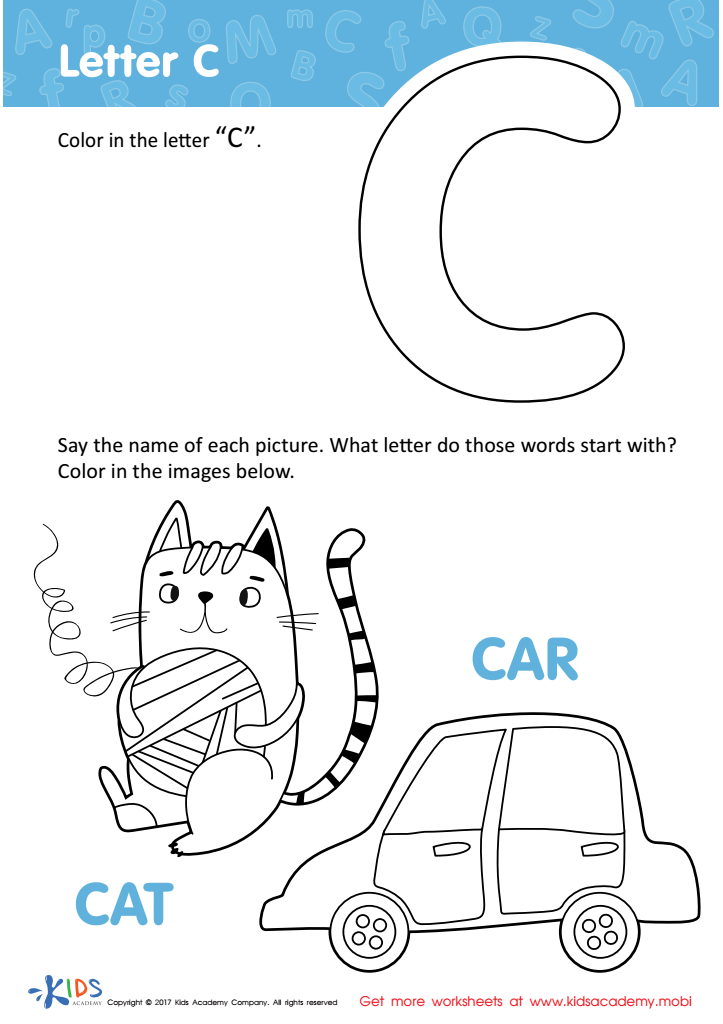
Letter C Coloring Sheet
Assign to My Students
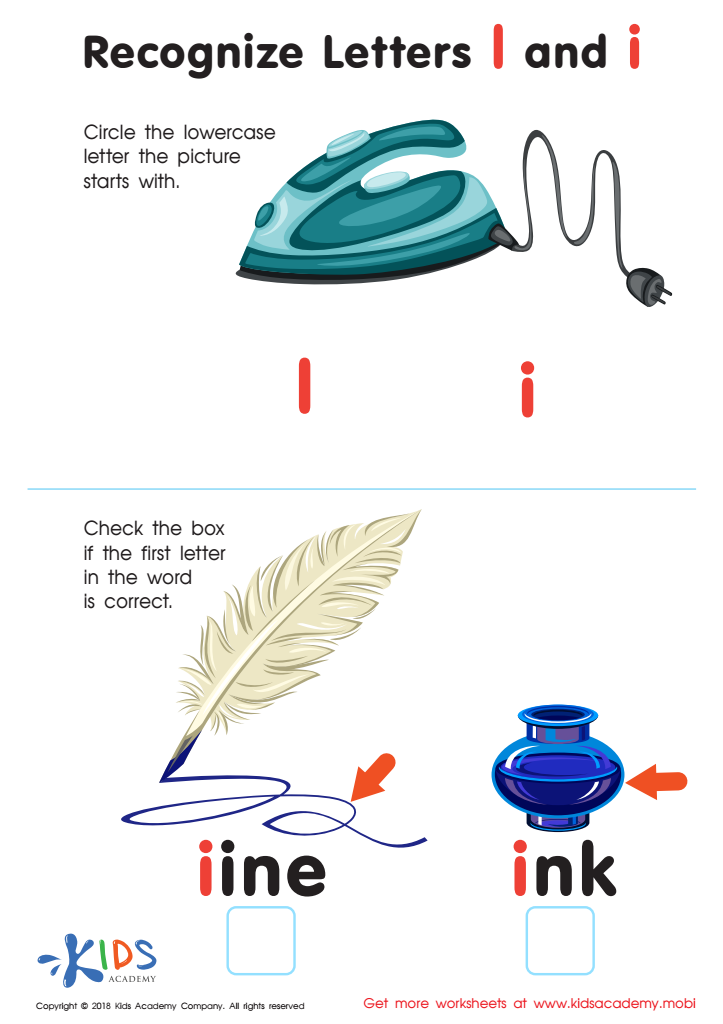
Recognize Letters l and i Worksheet








Writing practice and normal letter recognition are crucial components of literacy development for children aged 5-9. For parents and teachers, fostering these skills plays a significant role in shaping a child’s foundational abilities in reading and writing.
During these formative years, children are developing their capacity for language comprehension and expression. Regular writing practice helps them to not only recognize letters but also understand their sounds and how they combine to form words. This recognition is essential for reading fluency and comprehension, allowing children to decode texts more effectively.
Moreover, writing helps enhance fine motor skills, which are vital for overall academic success. As children learn to form letters, they develop hand-eye coordination and dexterity. Writing also encourages creativity and critical thinking, as children express their thoughts and ideas on paper.
Furthermore, early letter recognition and writing practice contribute to building a child’s confidence. Mastery of these skills sets a solid groundwork for future educational endeavors, promoting a love for learning and exploration.
Ultimately, both parents and teachers play a pivotal role in supporting this development by providing engaging activities and consistent opportunities for practice, ensuring children are well-prepared for the challenges of literacy in higher grades.








