Hand-eye Coordination Normal Upper & Lowercase Letters Worksheets for Ages 5-9
3 filtered results
-
From - To
Develop your child's handwriting skills with our "Hand-eye Coordination Normal Upper & Lowercase Letters Worksheets" designed for ages 5-9. These engaging worksheets support young learners in developing essential hand-eye coordination while mastering uppercase and lowercase letter formation. Perfect for early grade classrooms or home learning, each fun and educational activity helps children practice precise movements, ensuring neat and accurate letter writing. Boost your child's confidence in reading and writing with our kid-friendly, expertly crafted resources. Ideal for kindergarten and early elementary students, these worksheets are a great addition to their daily learning routine.
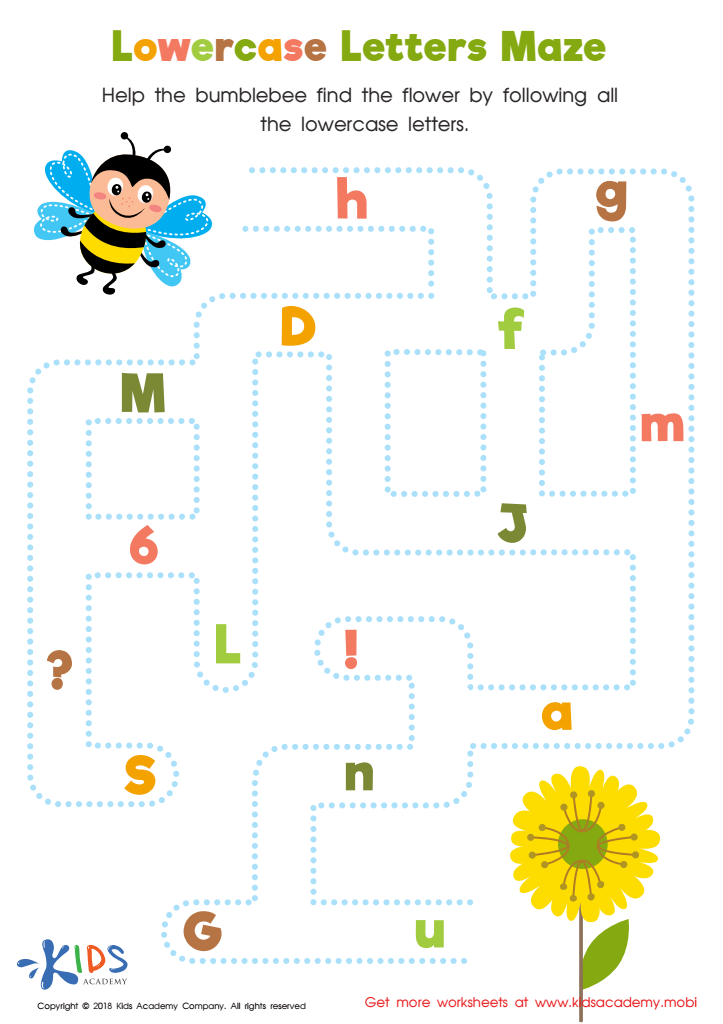
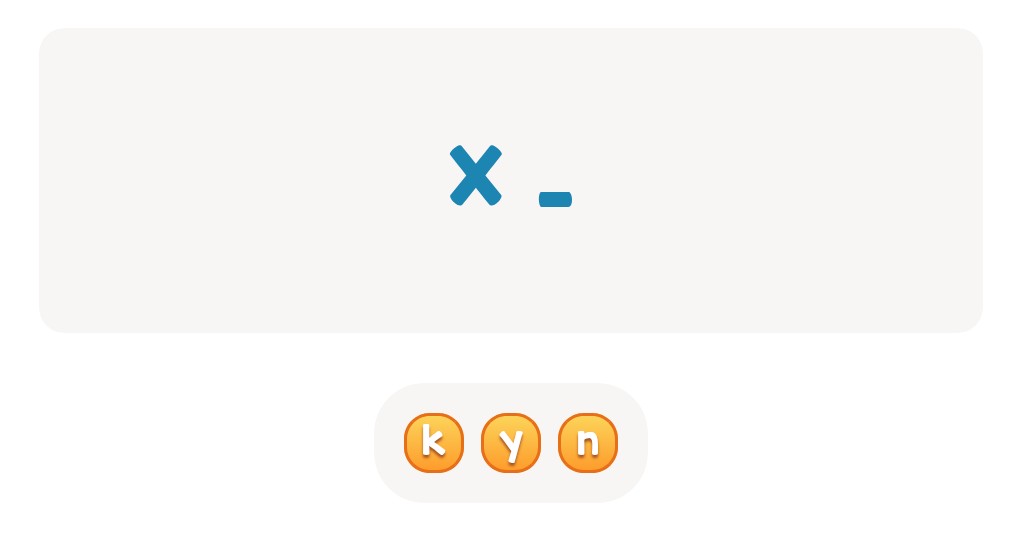
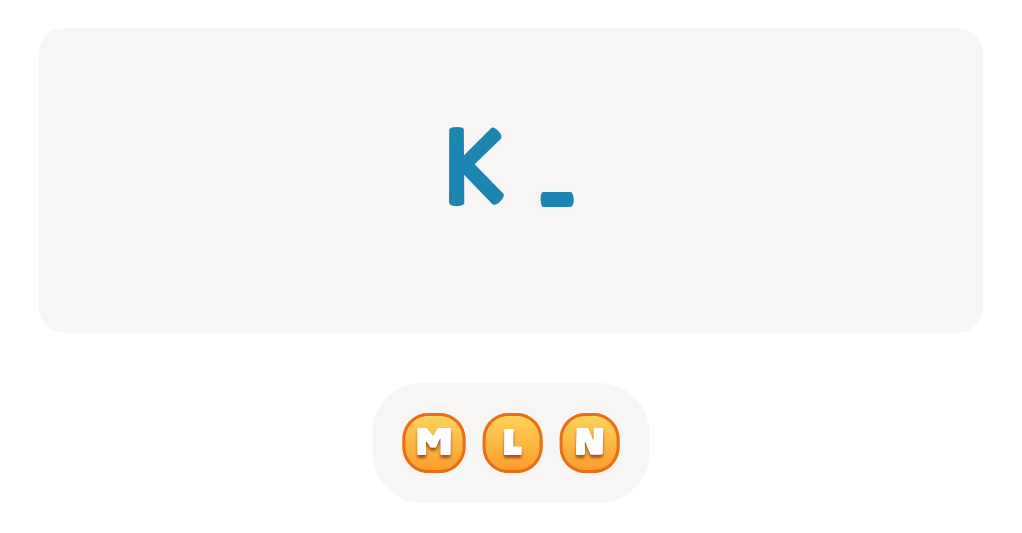
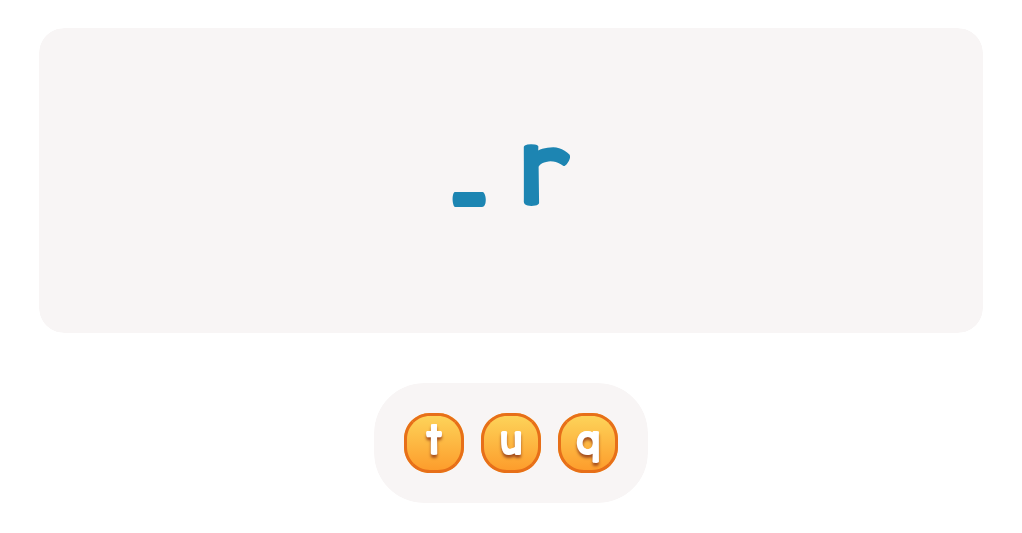
Lowercase Letters Maze Worksheet
 Assign to My Students
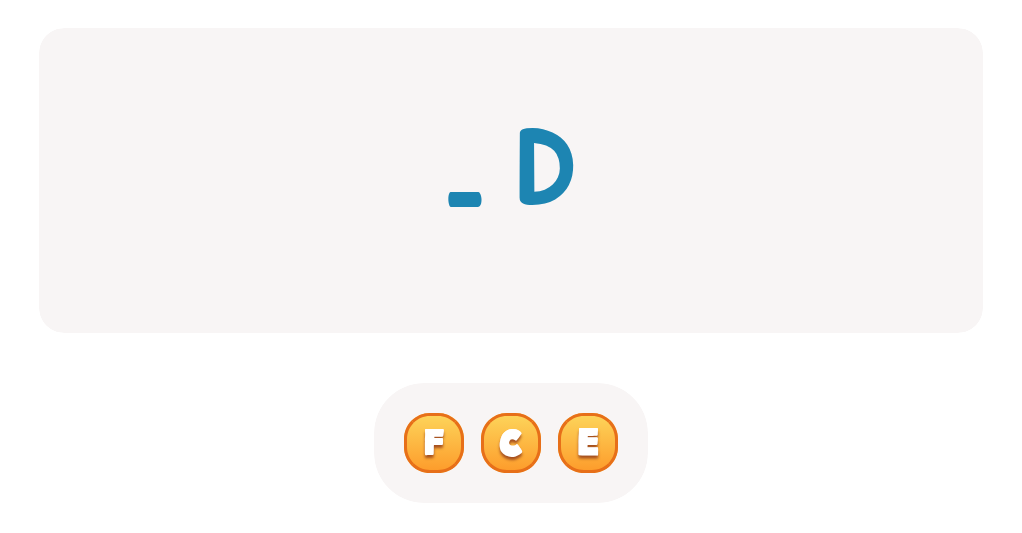

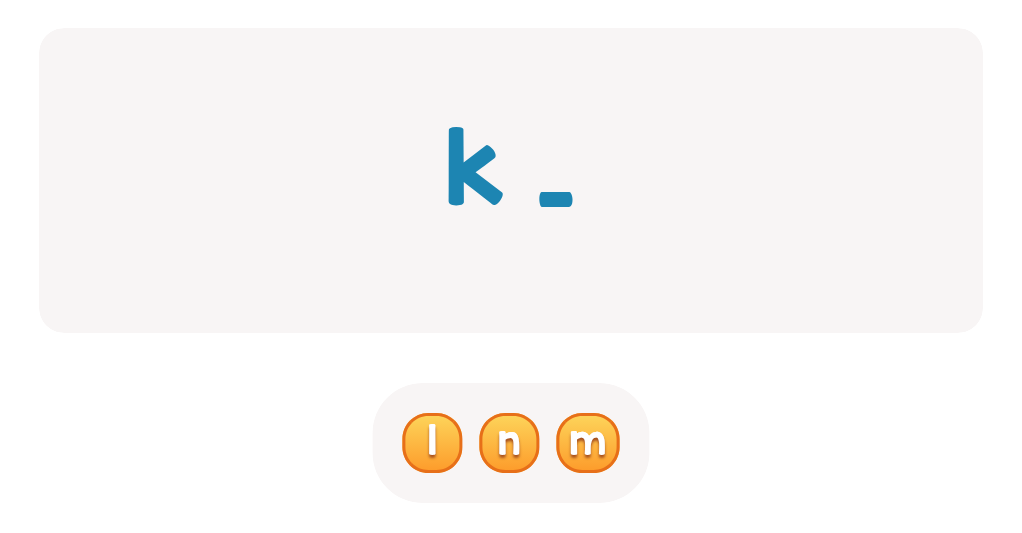
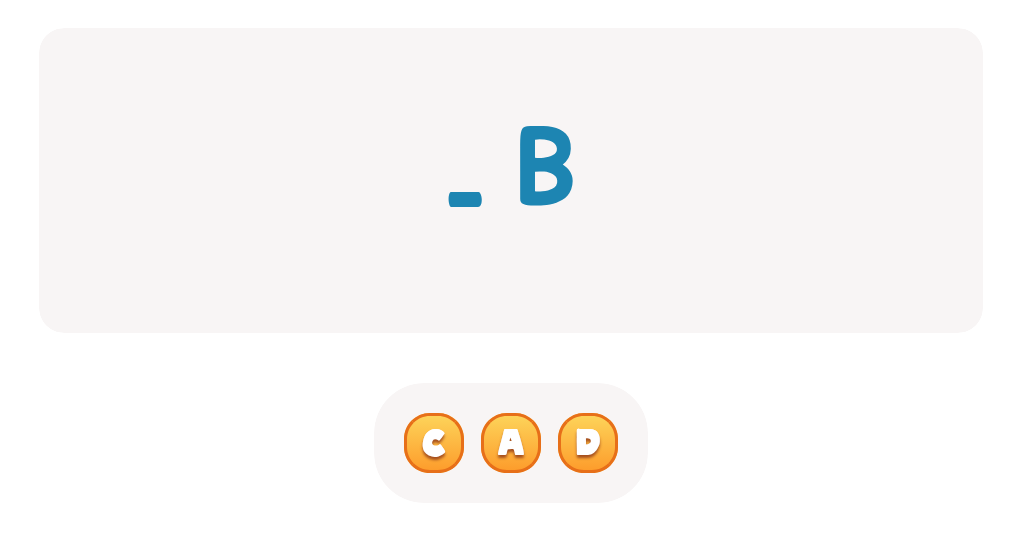
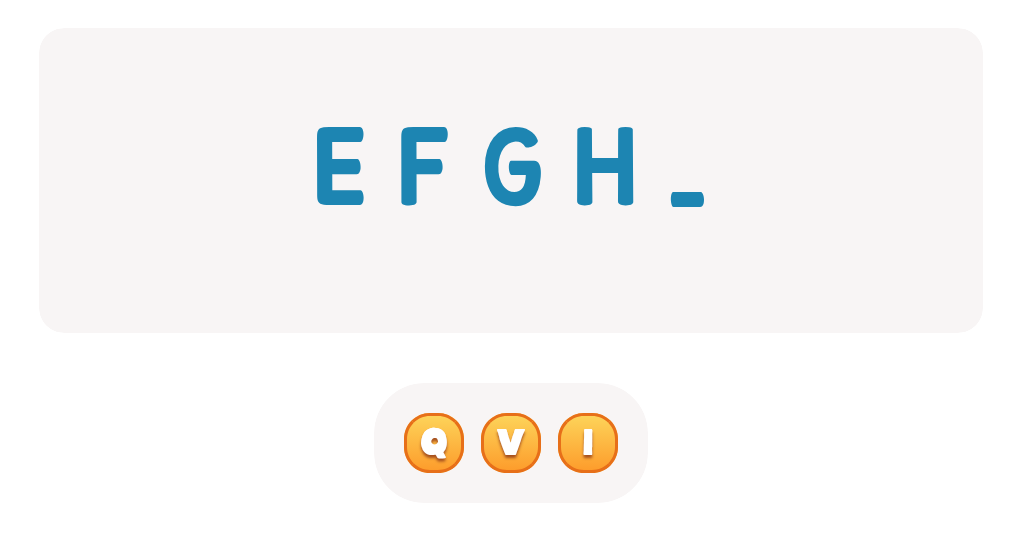
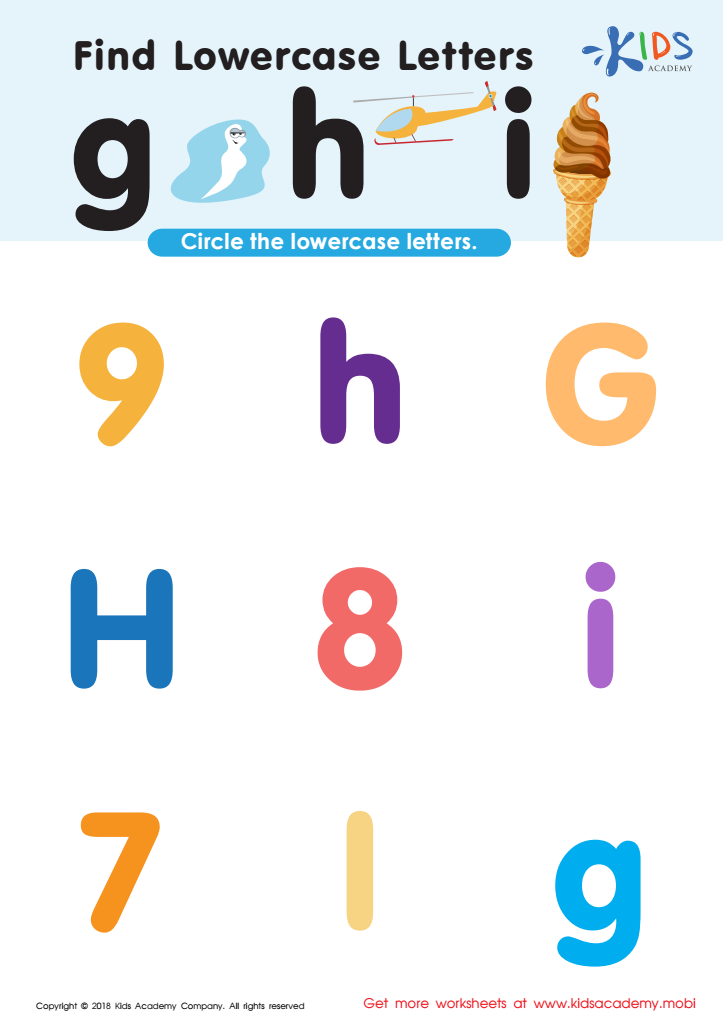
Find Lowercase Letters g h i Worksheet
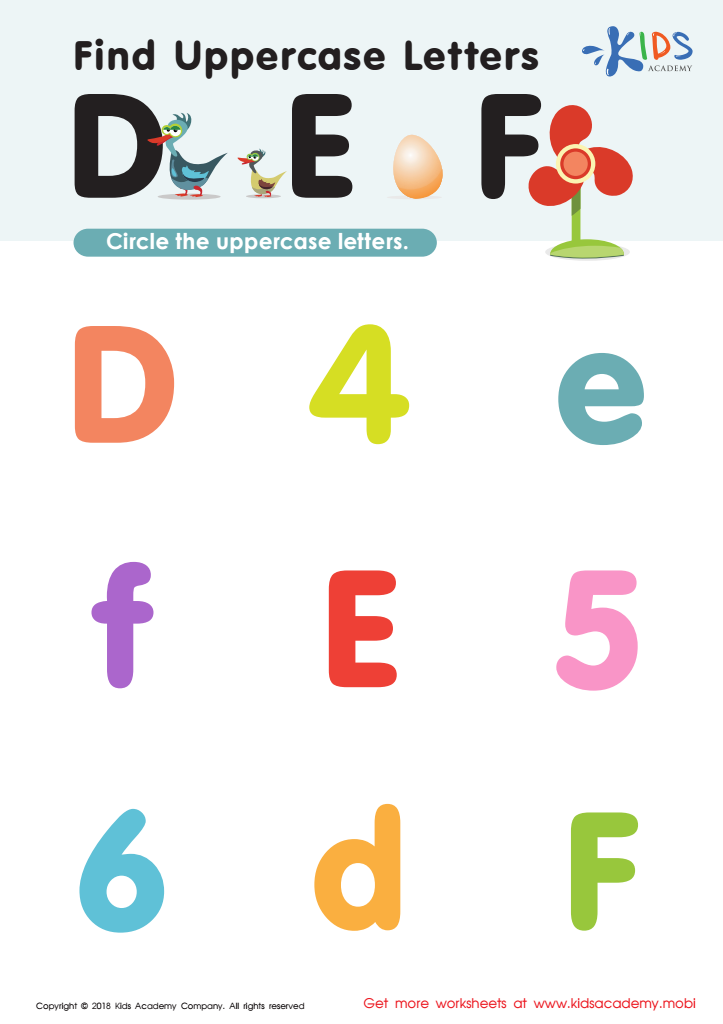
Find Uppercase Letters D, E, and F Worksheet






Developing proficient hand-eye coordination and the ability to properly form upper and lowercase letters are crucial milestones for children aged 5-9, and they warrant significant attention from both parents and teachers. Hand-eye coordination involves the harmonious function of the eyes and hands to perform tasks like writing, drawing, or cutting shapes—essential actions in classroom activities and daily life. Strong hand-eye coordination boosts fine motor skills, enabling children to hold pencils with the correct grip and produce clear, legible handwriting. This is not just about aesthetics; proficient handwriting impacts academic performance as it’s closely tied to literacy and the ability to express ideas on paper.
Understanding and differentiating upper and lowercase letters helps in solidifying the foundations of reading and writing. Mastery of these letters allows children to follow and produce written text accurately, enhancing their reading fluency and writing skills. Children who struggle with letter formation may face difficulties in following along with written instructions, completing assignments, and building confidence in their literacy abilities. Therefore, attention to these aspects equips children with necessary tools, enhancing overall academic performance and self-expression. Moreover, early intervention and practice in these areas, guided by attentive parents and teachers, can alleviate potential struggles in future schooling, supporting a joyous and effective learning journey.







