Uppercase identification Normal Upper & Lowercase Letters Worksheets for Ages 5-9
5 filtered results
-
From - To
Discover our engaging Uppercase Identification worksheets designed specifically for children aged 5-9. These resources focus on normal upper and lowercase letters, helping young learners differentiate between the two. Each worksheet features fun and interactive activities that promote letter recognition and support early literacy skills. With vibrant illustrations and age-appropriate challenges, students will love practicing their uppercase identification in a playful environment. Ideal for classroom use or at-home learning, our worksheets cater to diverse learning styles. Boost your child's confidence and reading ability with our expertly crafted materials that make learning the alphabet both enjoyable and effective!
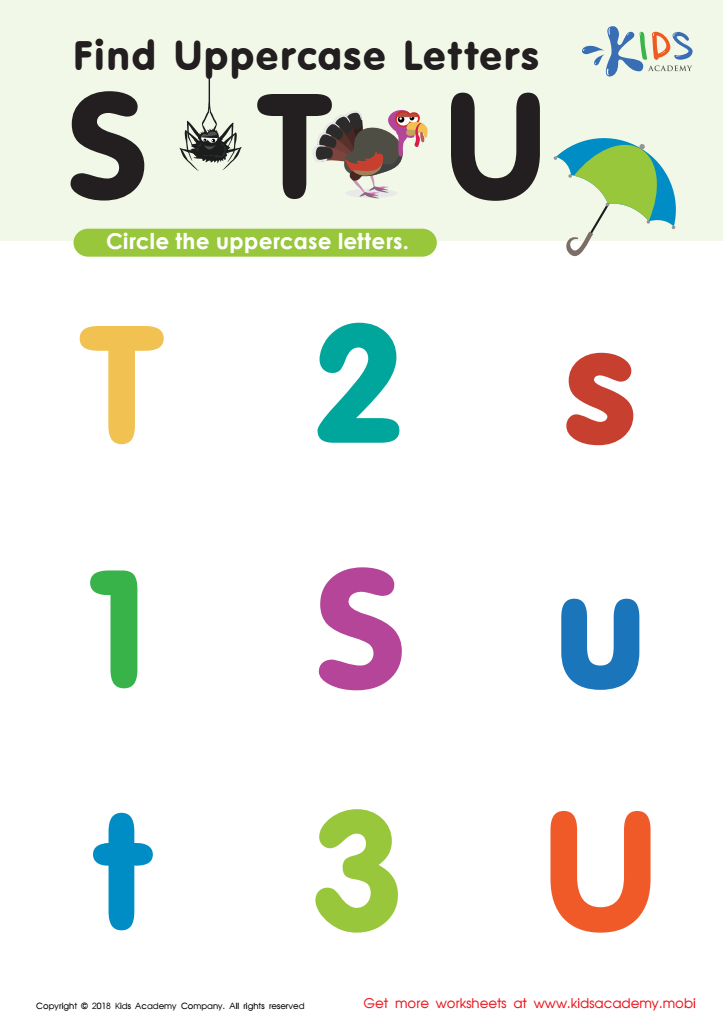
Find Uppercase Letters Worksheet
 Assign to My Students
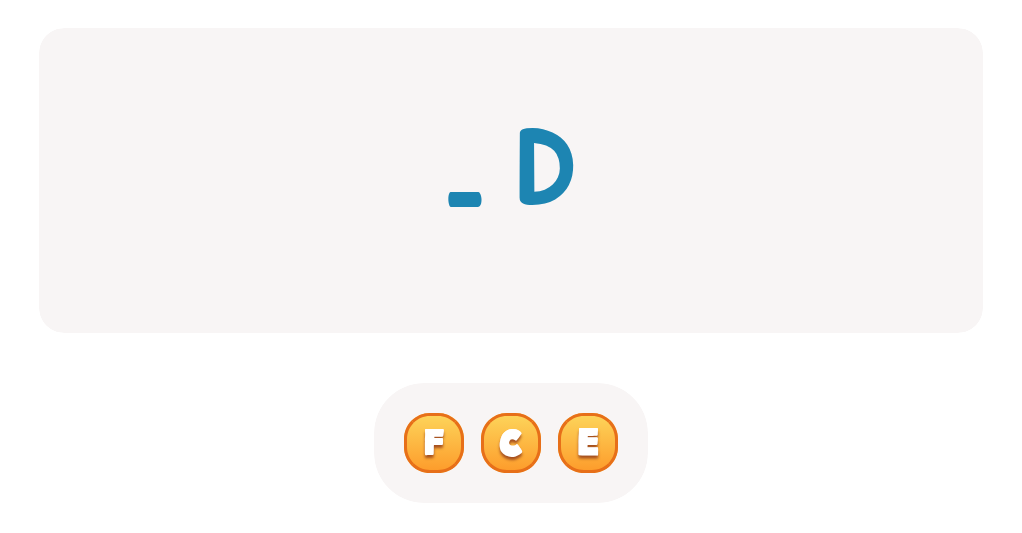

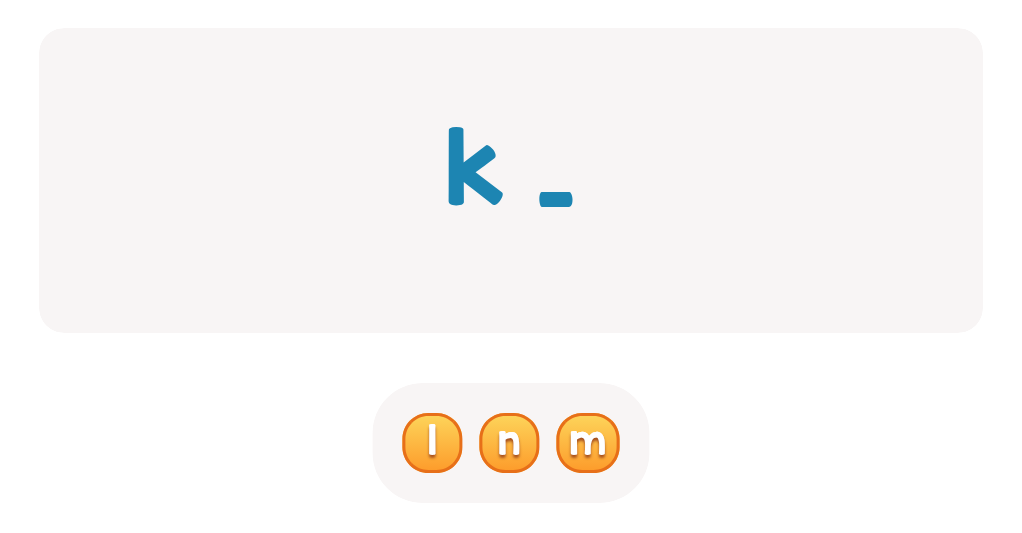
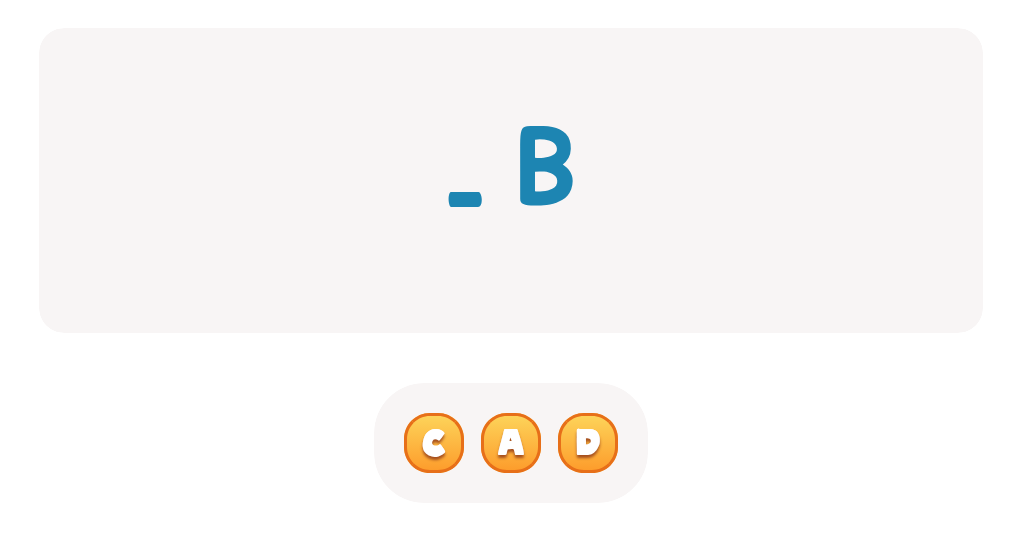
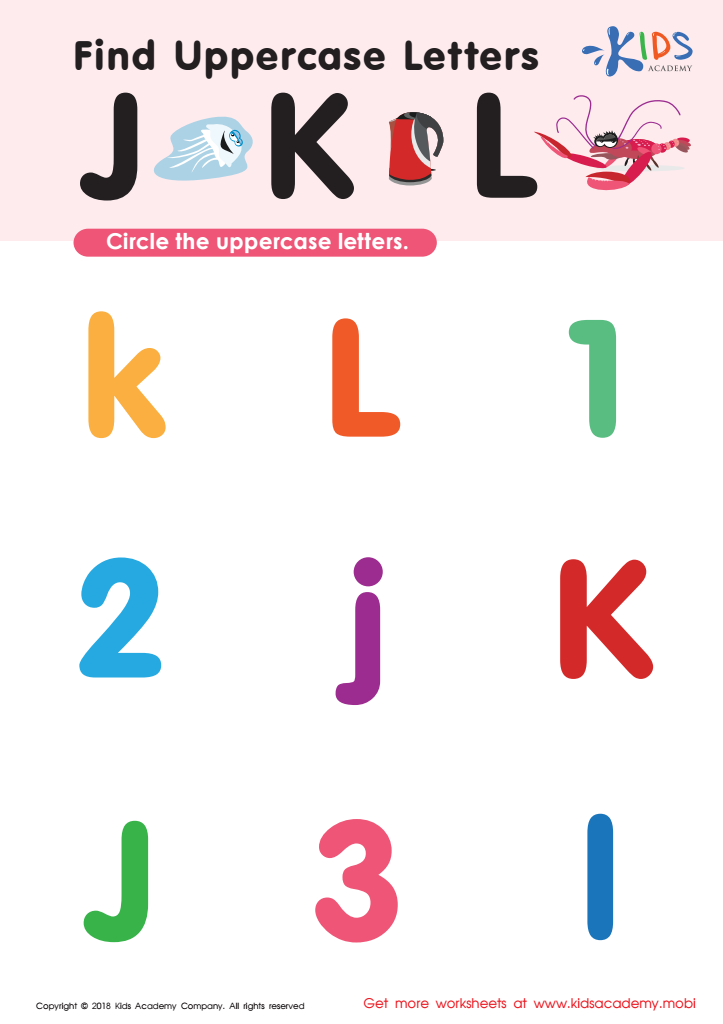
Find Uppercase Letters J, K, and L Worksheet
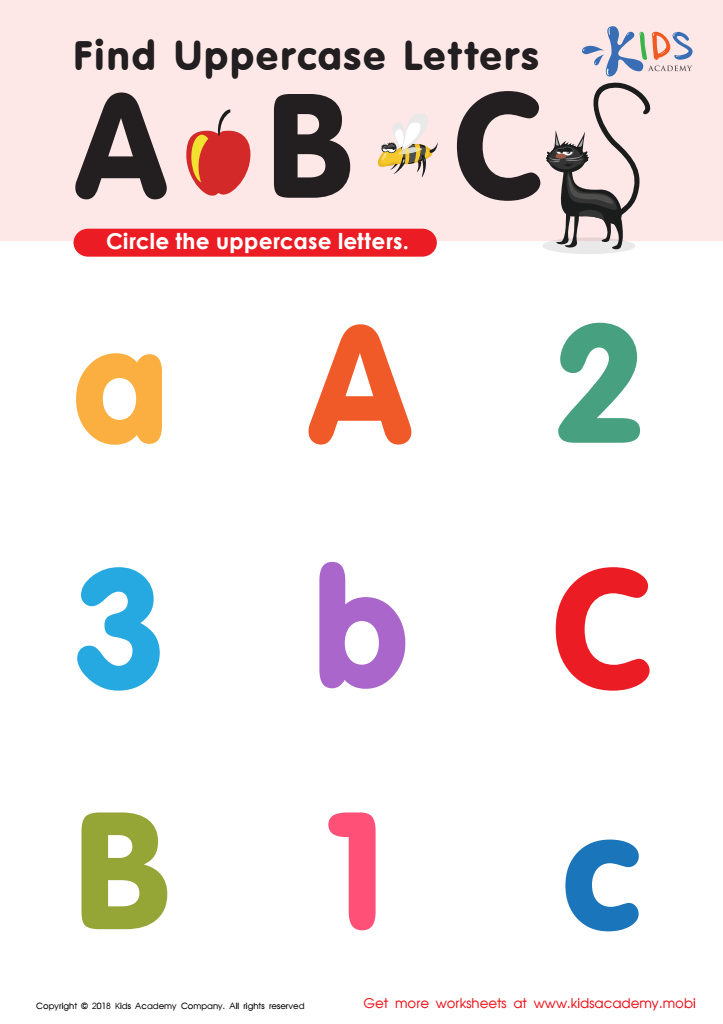
Find Uppercase Letters A, B, and C Worksheet
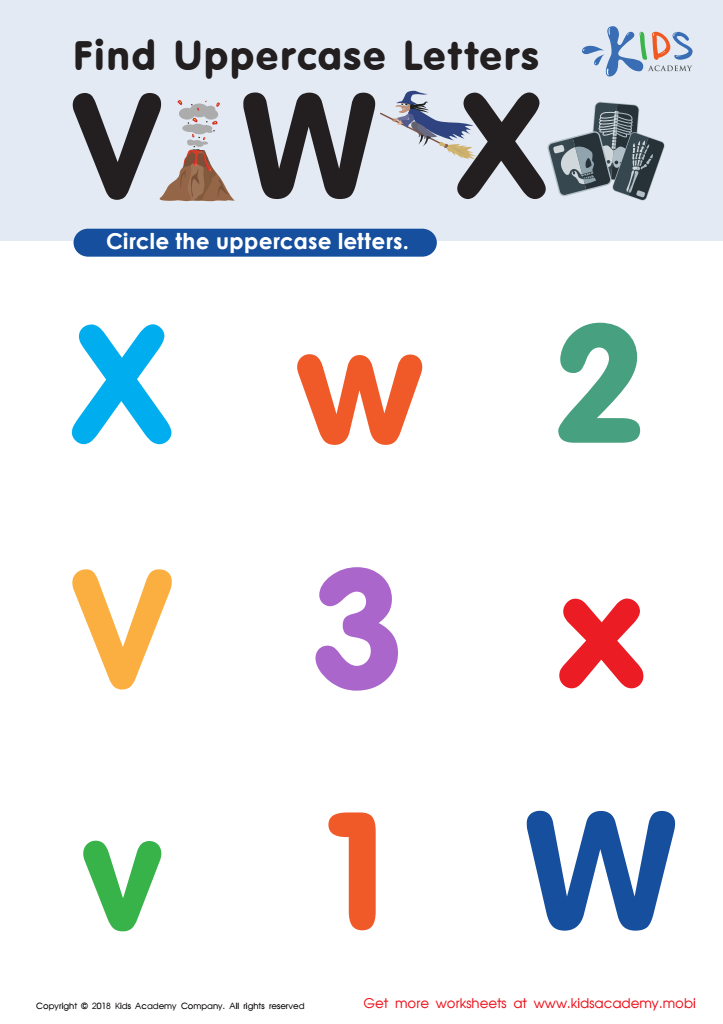
Find Uppercase Letters V, W, X Worksheet
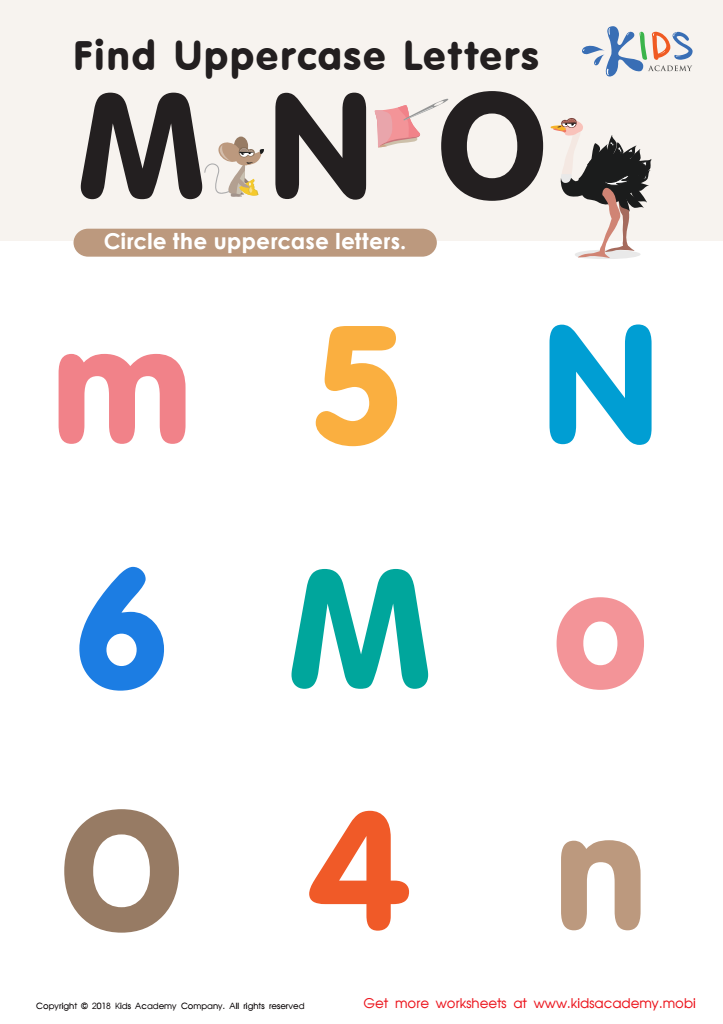
Find Uppercase Letters M, N, and O Worksheet






Understanding uppercase and lowercase letters is crucial for children aged 5-9 as it serves as a foundation for their literacy skills and overall academic success. When parents and teachers encourage the identification of letters, they facilitate children's ability to recognize and produce language. Uppercase letters often represent the beginning of sentences and proper nouns, making them essential for meaning and proper grammar.
Moreover, mastering uppercase and lowercase differentiation helps with reading fluency and writing skills. Recognizing these forms allows children to decode words more effectively and develop a strong understanding of the alphabetic principle, which connects letters to sounds. This foundational knowledge propels them into more complex language tasks in later grades.
In addition, learning to identify and differentiate between uppercase and lowercase letters can boost a child's confidence. As they grasp these concepts, they build self-esteem in their reading and writing abilities, paving the way for greater exploration of books and literacy. By nurturing this skill set through interactive and engaging activities, both parents and teachers play a vital role in fostering a lifelong love for reading and learning in their children, ultimately preparing them for future academic endeavors.







