Alphabet Recognition Normal English for Beginners Worksheets for Ages 5-9
19 filtered results
-
From - To
Introducing our Alphabet Recognition Normal English for Beginners Worksheets, designed specifically for children ages 5-9. These engaging and educational resources help young learners master every letter from A to Z. Our worksheets combine fun activities, such as tracing and coloring, with tailored exercises that reinforce each letter's sound and shape. Ideal for beginners and kids learning English as a second language, these worksheets build essential literacy skills in a playful, interactive manner. Give your child a head start in reading and writing with our top-quality alphabet recognition resources available now at Kids Academy.
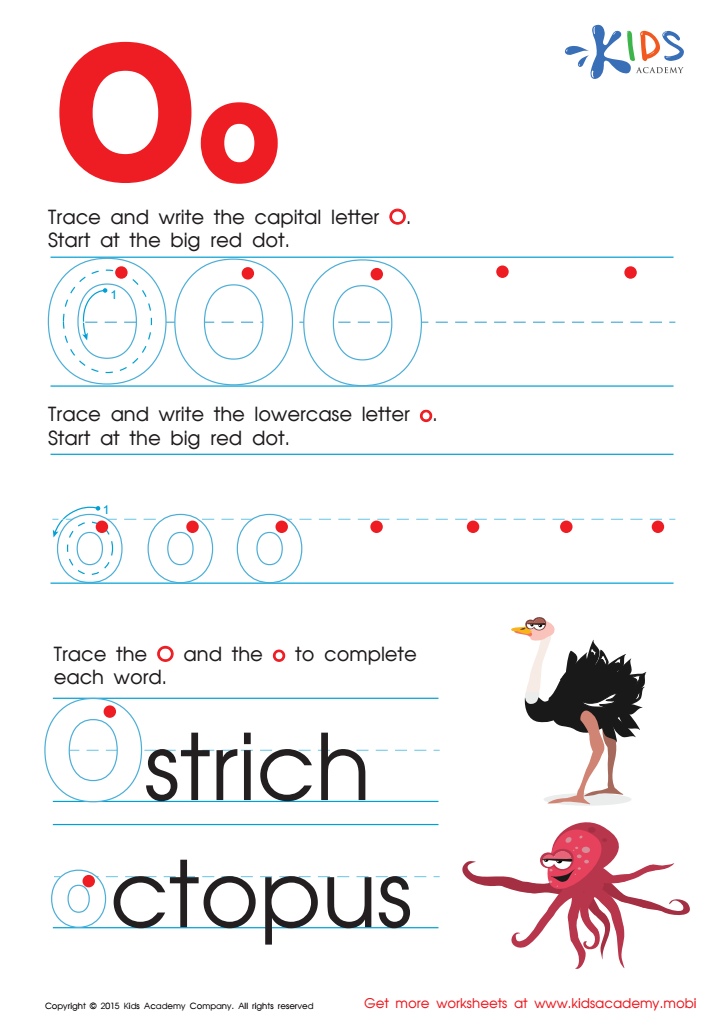
Letter O Tracing Page
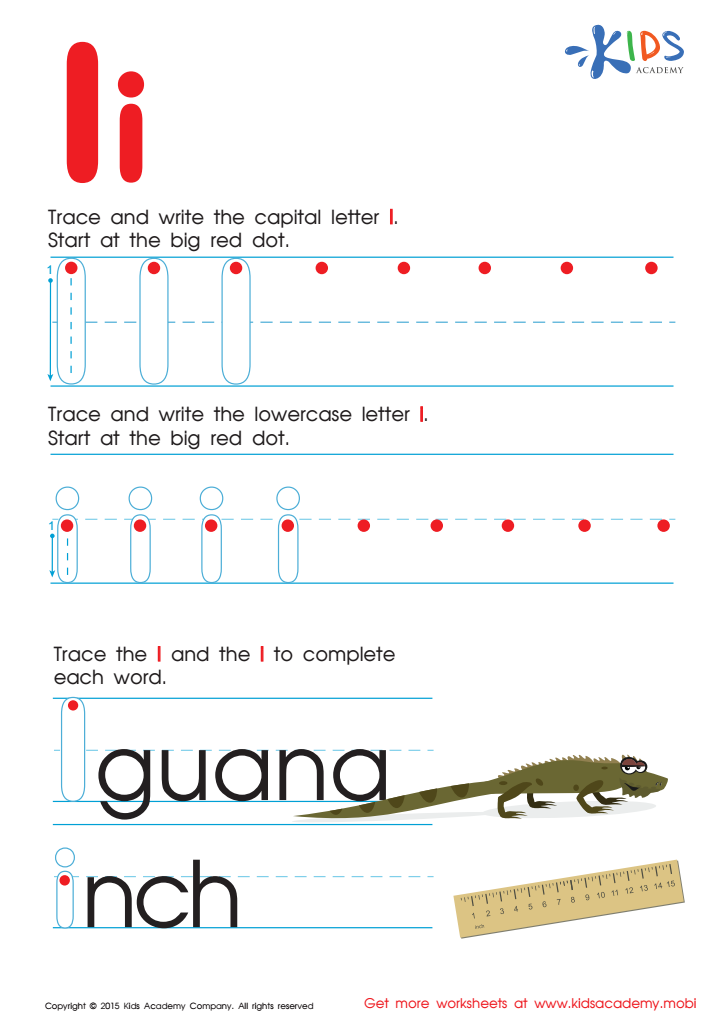
Letter I Tracing Page
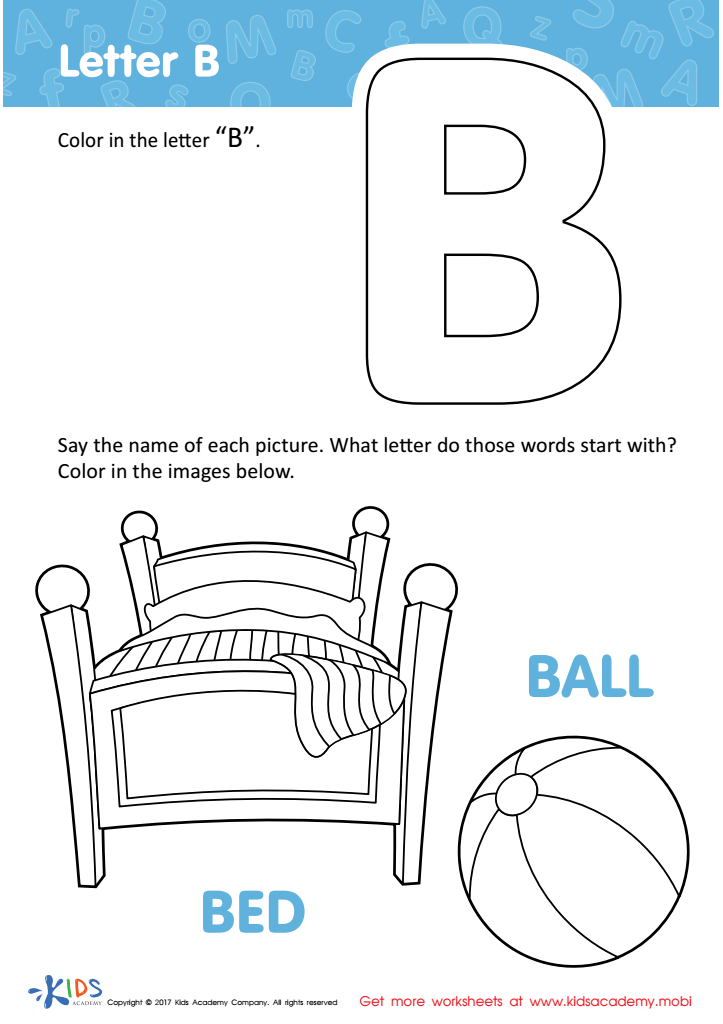
Letter B Coloring Sheet
 Assign to My Students
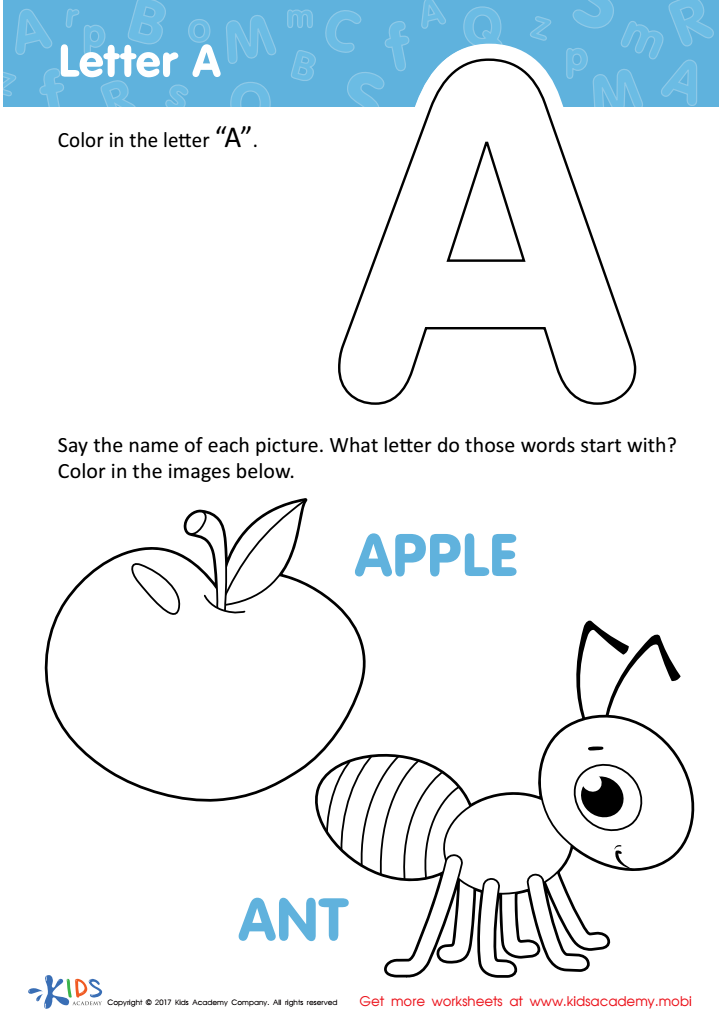
Letter A Coloring Sheet
Assign to My Students
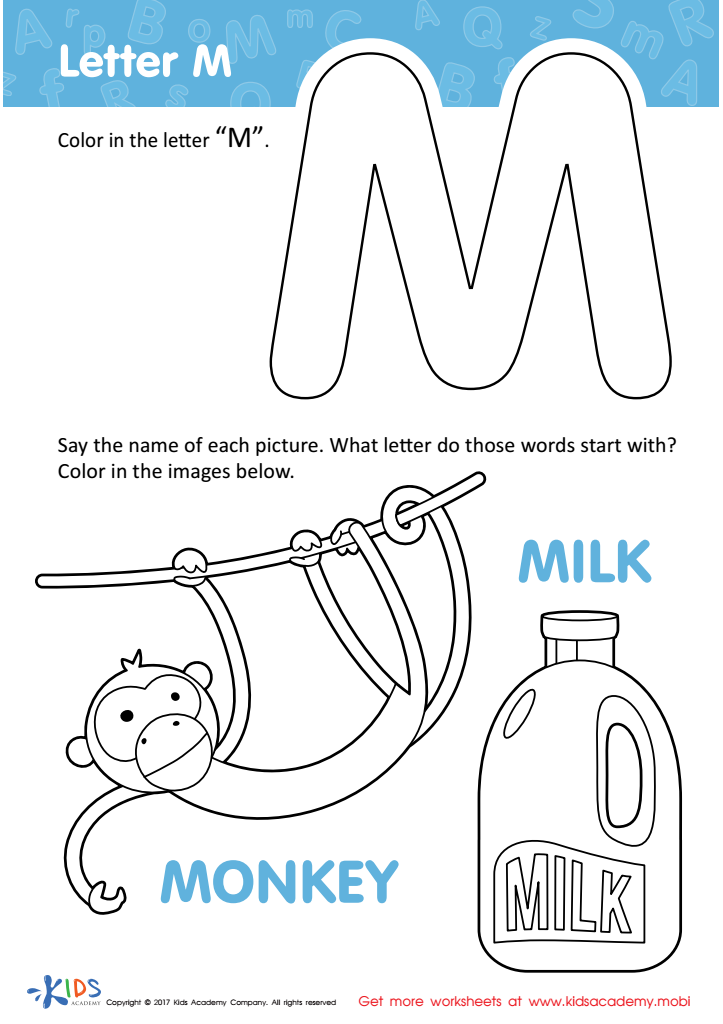
Letter M Coloring Sheet
Assign to My Students
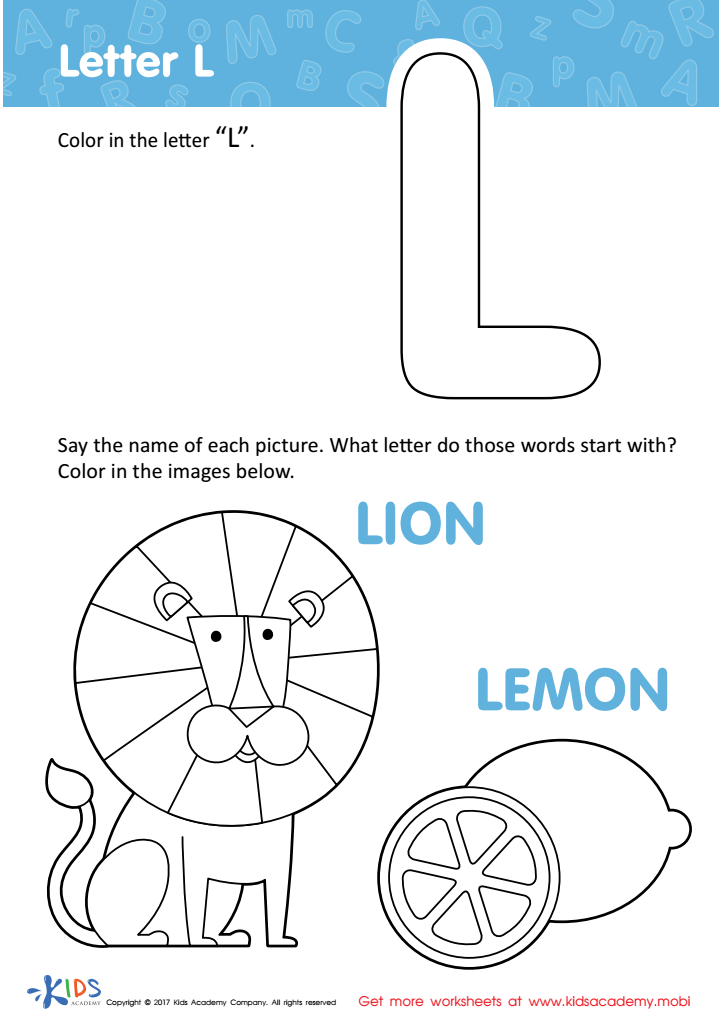
Letter L Coloring Sheet
Assign to My Students
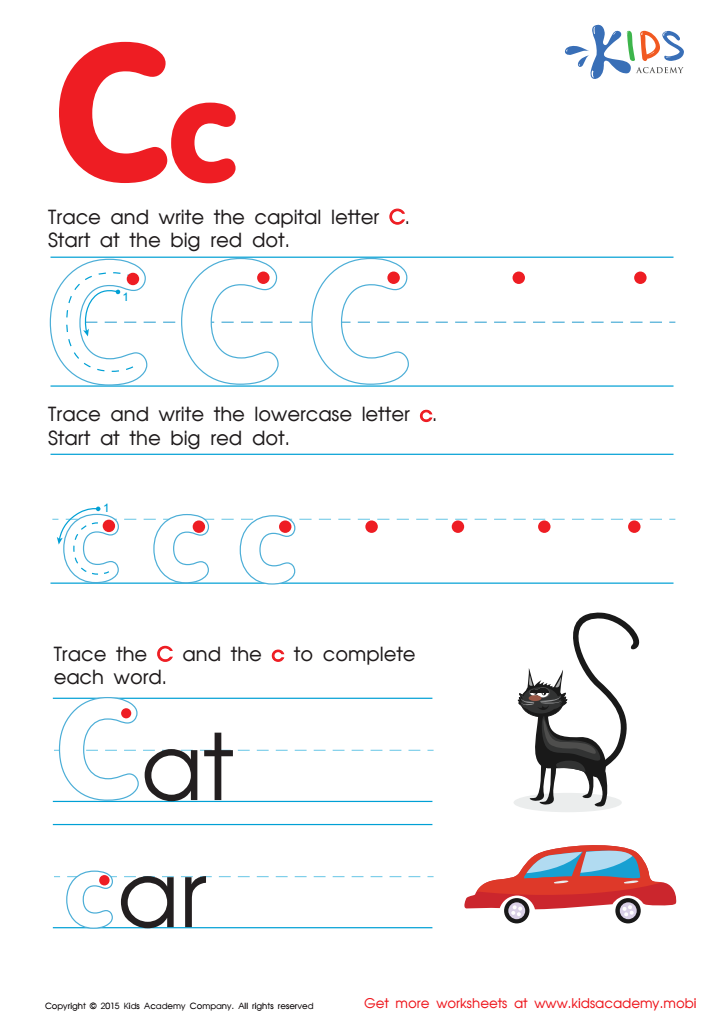
Letter C Tracing Page
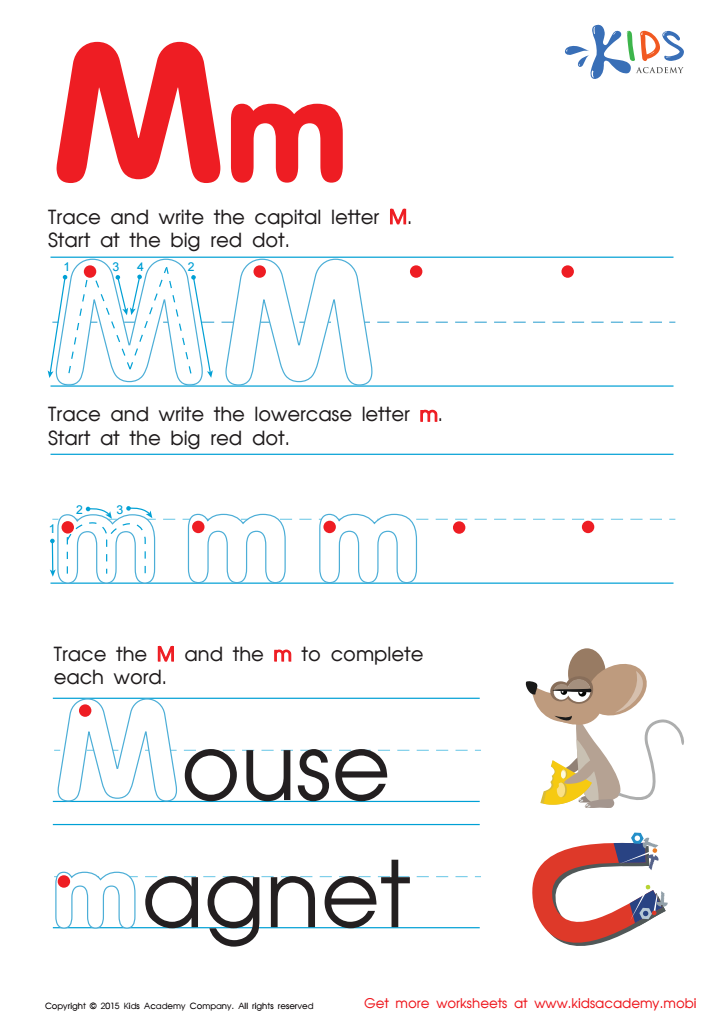
Letter M Tracing Page
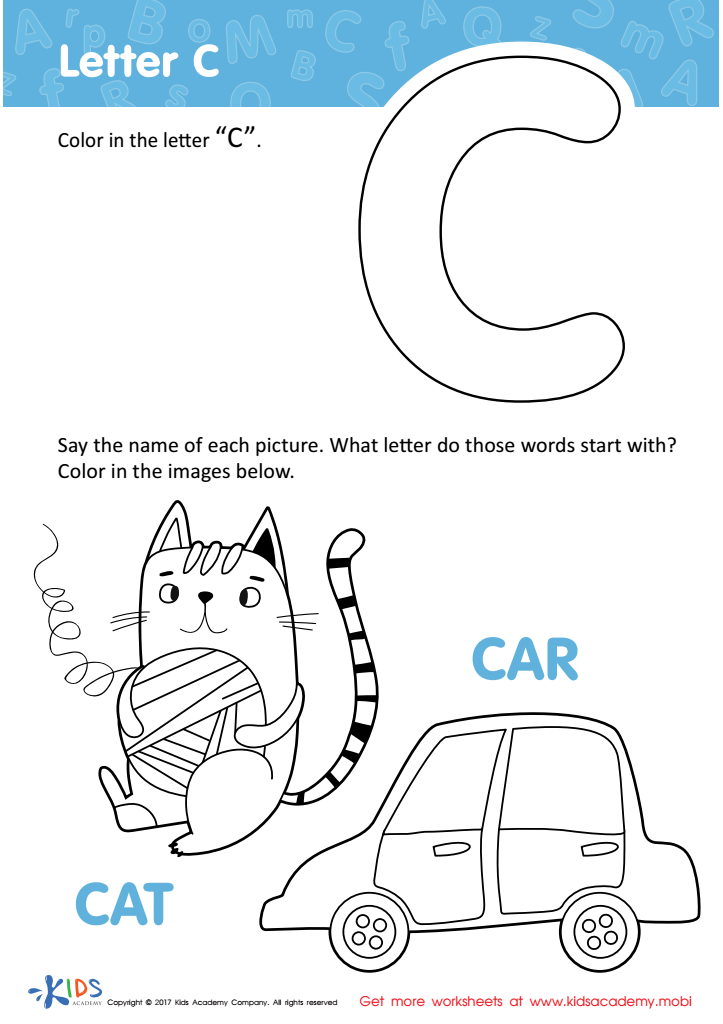
Letter C Coloring Sheet
Assign to My Students
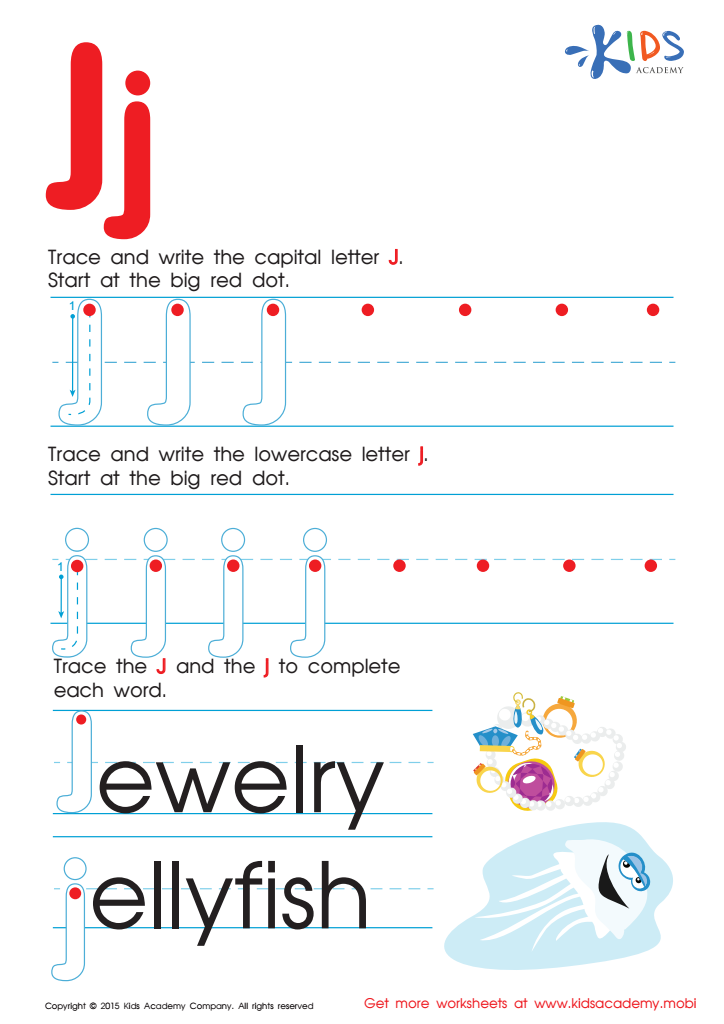
Letter J Tracing Page
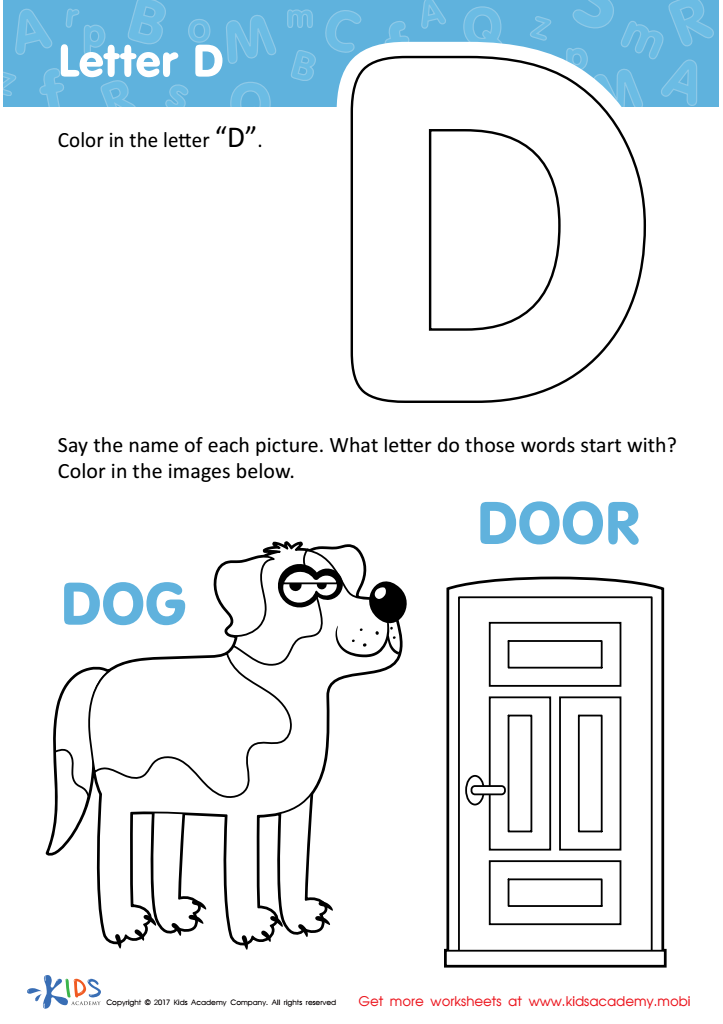
Letter D Coloring Sheet
Assign to My Students
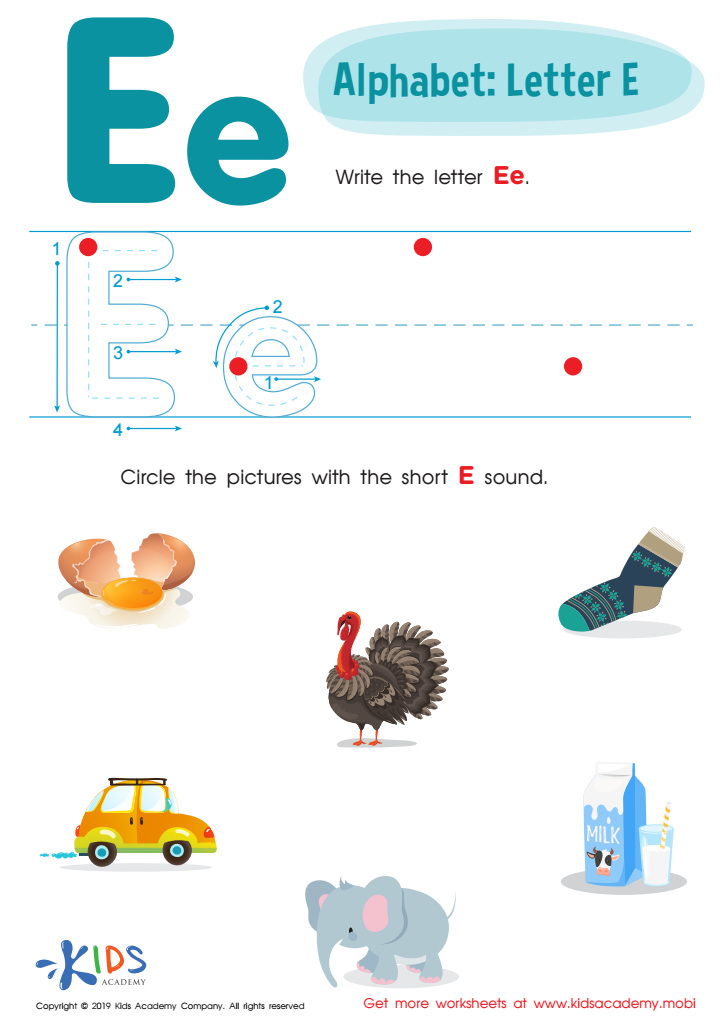
Letter E Tracing Worksheet
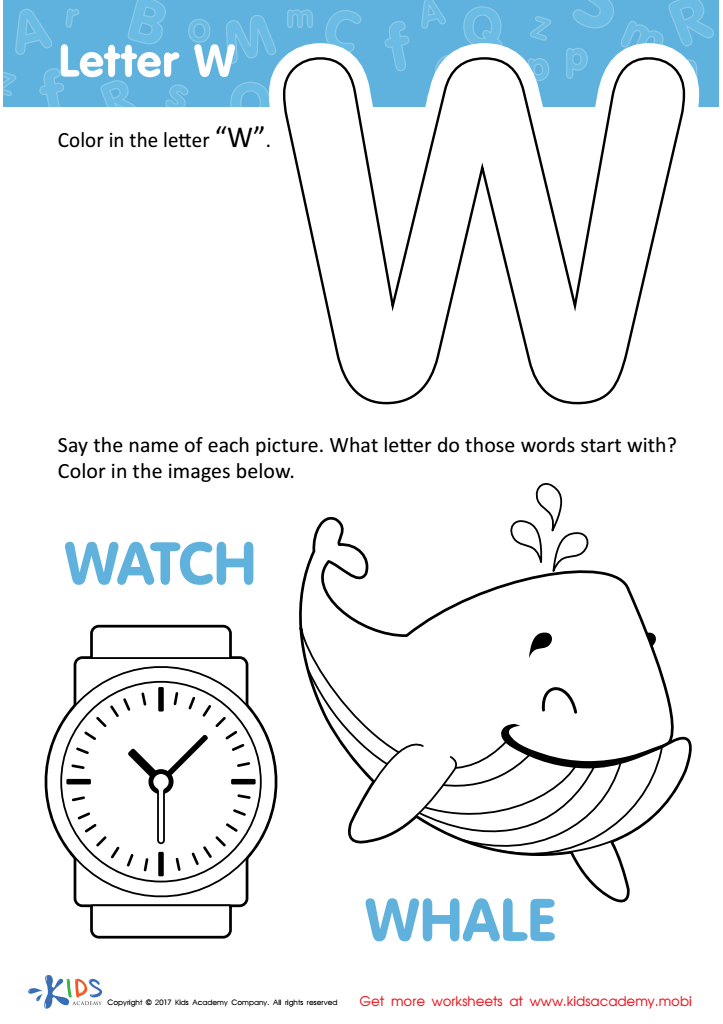
Letter W Coloring Sheet
Assign to My Students
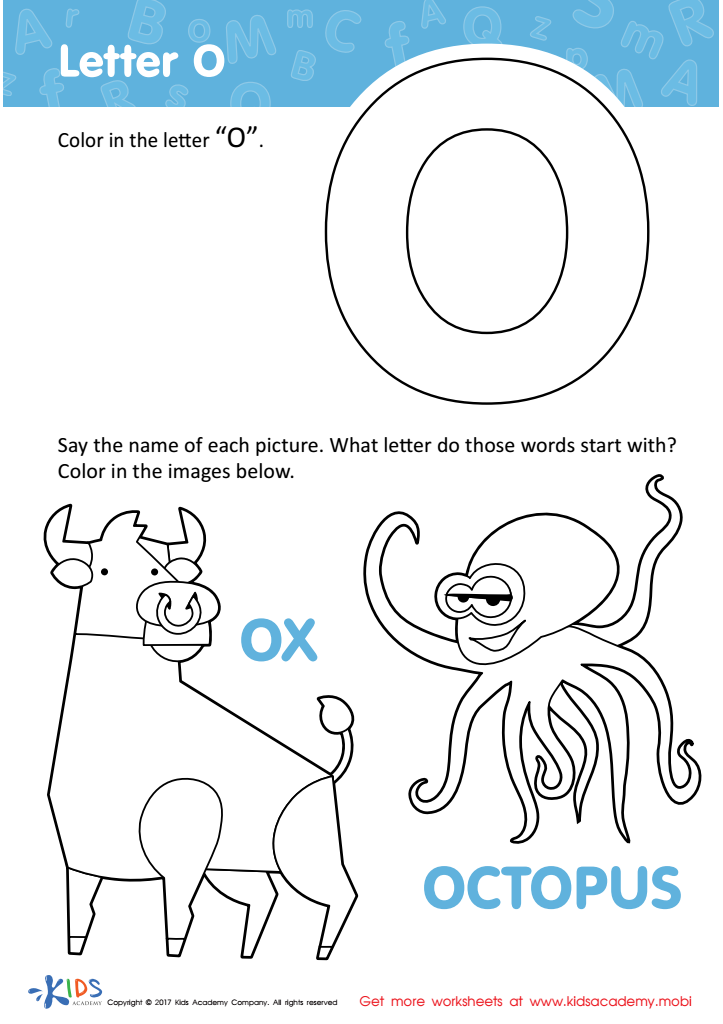
Letter O Coloring Sheet
Assign to My Students
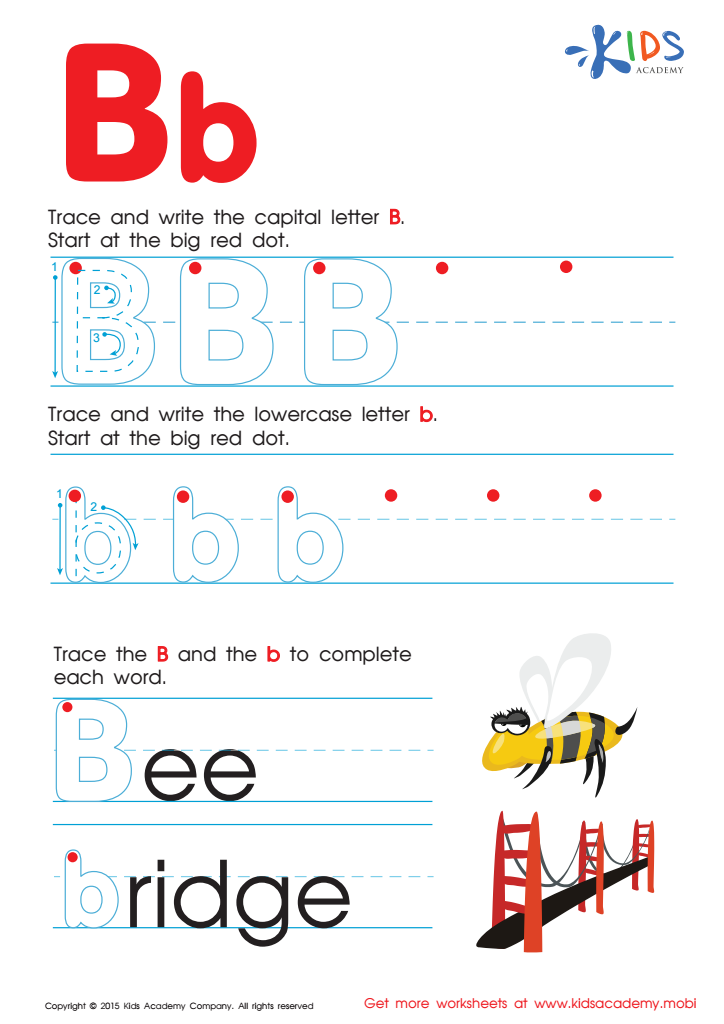
Letter B Tracing Page
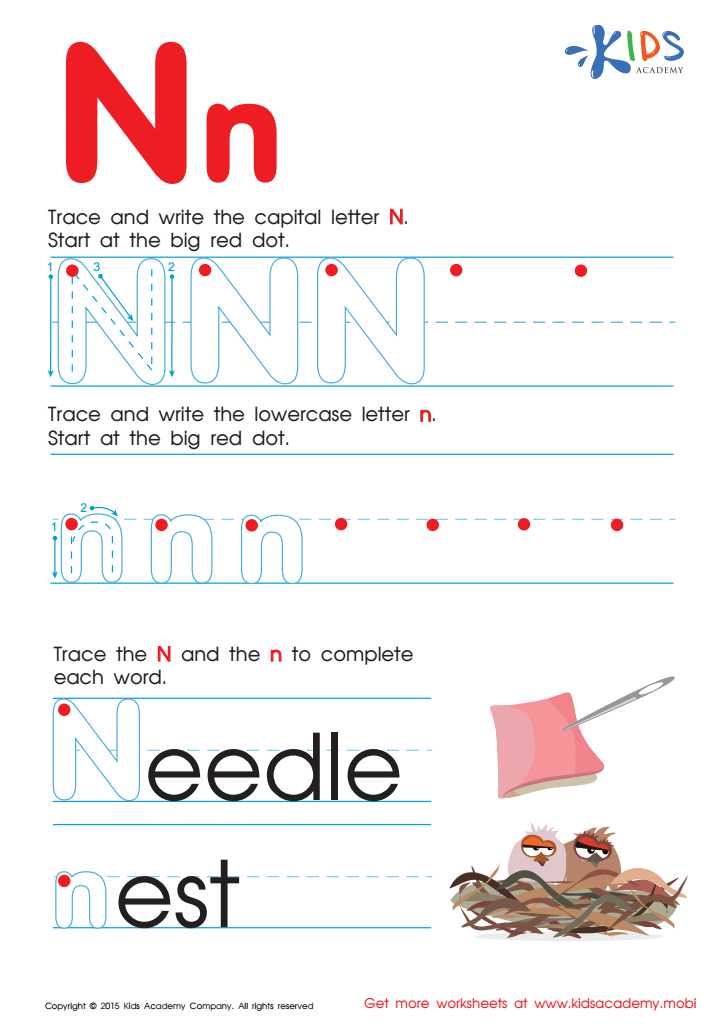
Letter N Tracing Page
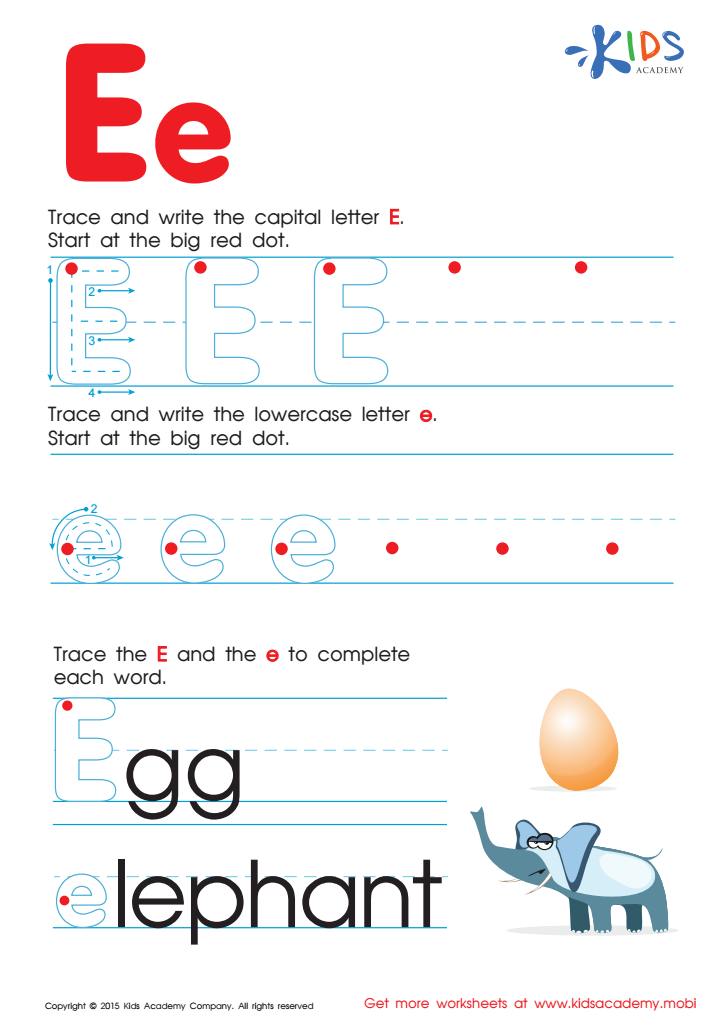
Letter E Tracing Page
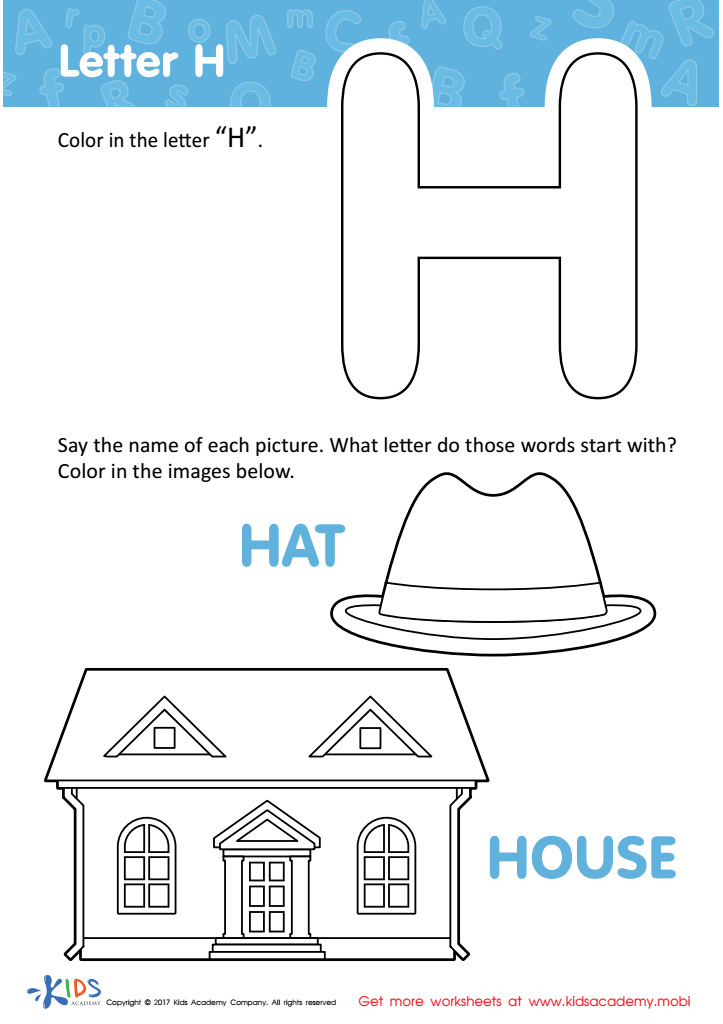
Letter H Coloring Sheet
Assign to My Students
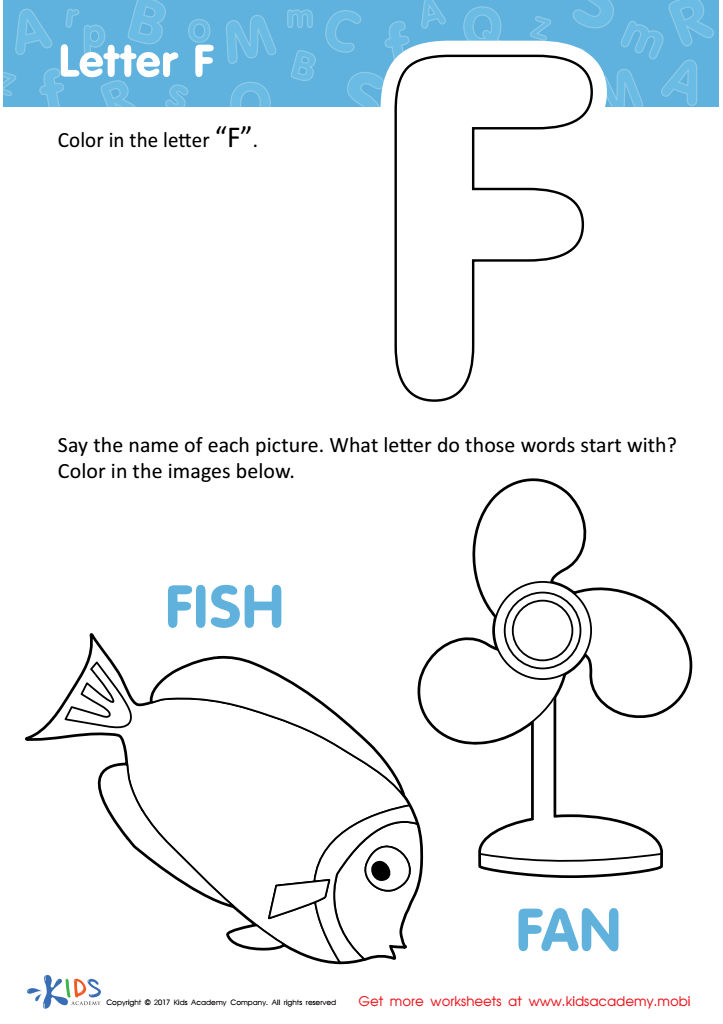
Letter F Coloring Sheet
Assign to My Students





Parents and teachers should prioritize alphabet recognition for beginners aged 5-9 because it serves as the foundational building block for all future literacy skills. At these early stages, children are at a critical point in their cognitive and language development, making it an ideal time to introduce them to the basics of reading and writing. Recognizing letters and understanding their associated sounds are essential steps in grasping phonics, which is the cornerstone of decoding words. This skill not only helps children read but also supports their ability to spell and write, paving the way for robust communication and comprehension abilities.
Alphabet recognition also enhances children’s confidence and interest in learning. When children can identify and sound out letters, they feel a sense of accomplishment, encouraging further exploration of books, stories, and written materials. This interest significantly boosts their academic enthusiasm and success across other subject areas as well. Moreover, timely alphabet recognition can prevent future learning difficulties. Research shows that early literacy interventions contribute to higher academic achievement and better long-term educational outcomes. In essence, focusing on alphabet recognition during this crucial age range sets the stage for lifelong learning, academic success, and effective communication skills, making it overwhelmingly significant for both parents and educators to invest time and resources in.