Phonics Skills Normal Building Vocabulary Worksheets for Ages 5-9
5 filtered results
-
From - To
Enhance your child's reading abilities with our Phonics Skills Normal Building Vocabulary Worksheets, specially designed for ages 5-9. These engaging worksheets provide a fun and interactive way for young learners to strengthen their phonics skills while building vocabulary. Each activity focuses on essential reading concepts, helping children understand the connection between sounds and letters. Our resources promote literacy development through colorful illustrations, phonetic exercises, and vocabulary-building games. Perfect for home or classroom use, these worksheets support early education by making learning enjoyable and effective. Equip your child with the foundational skills they need to become confident readers and lifelong learners!
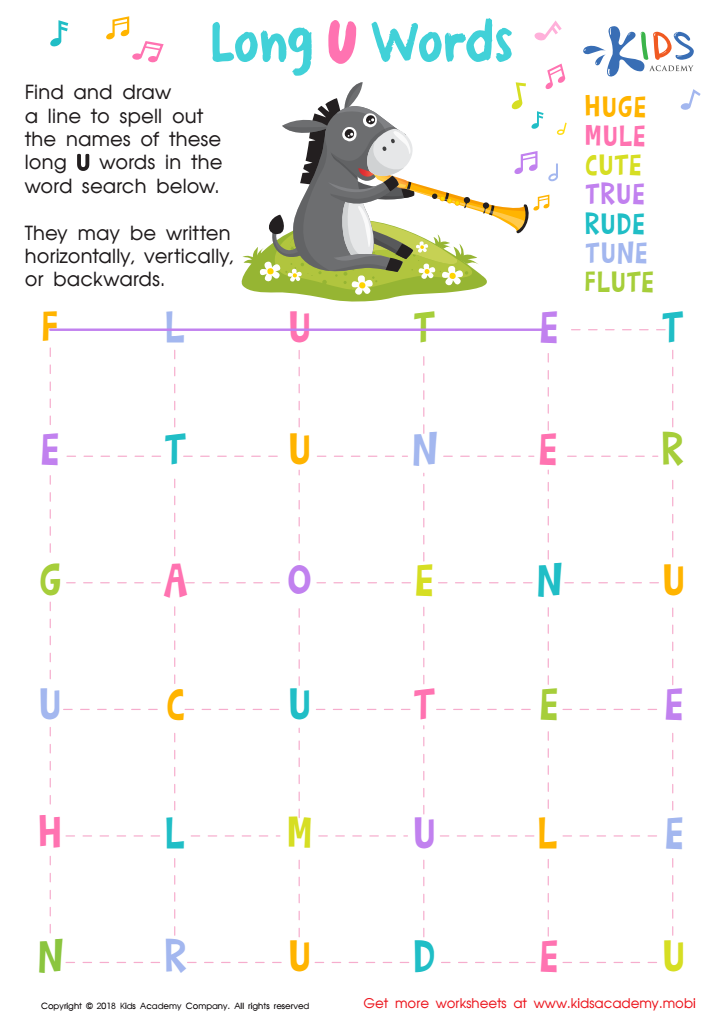
Long /u/ Words Worksheet
 Assign to My Students











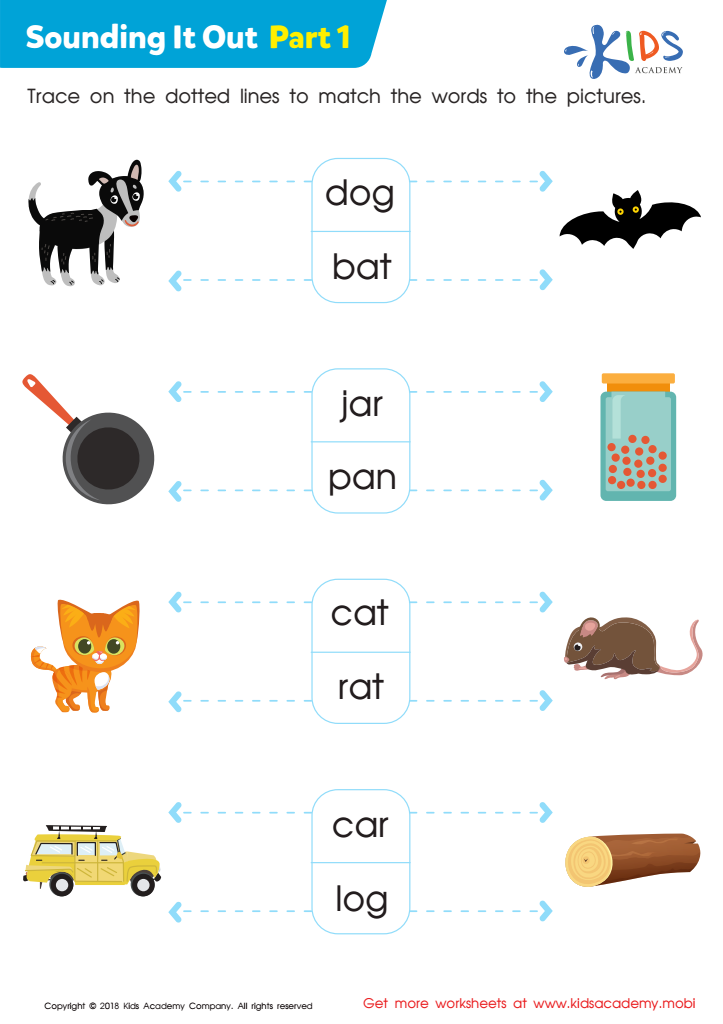
Sounding it Out: Part 1 Worksheet
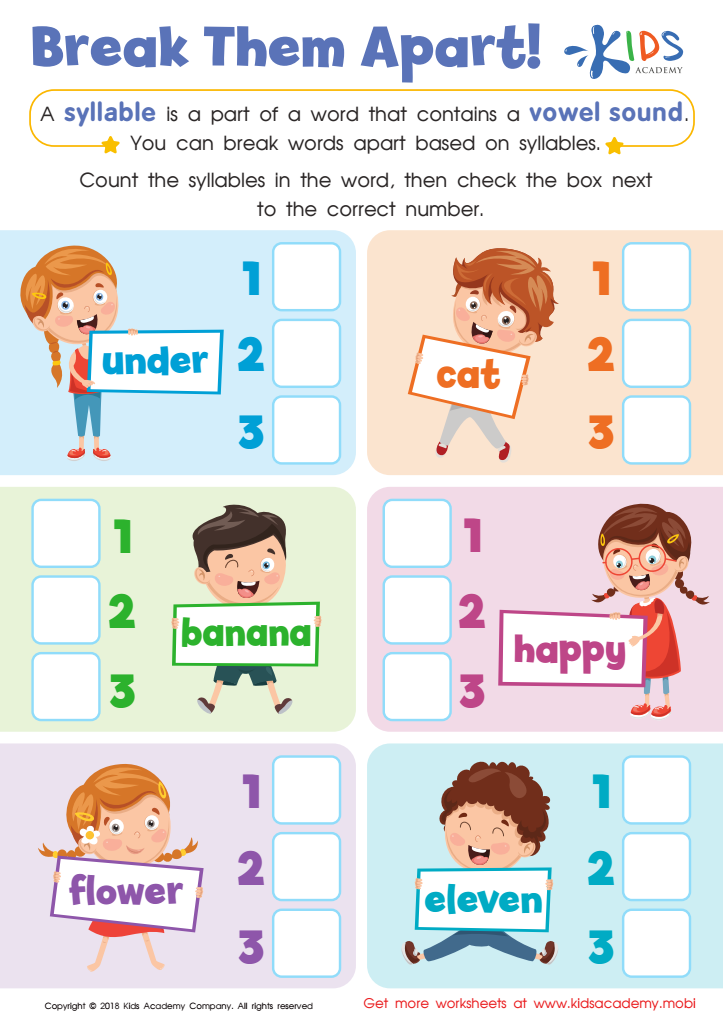
Reading: Break Them Apart Worksheet
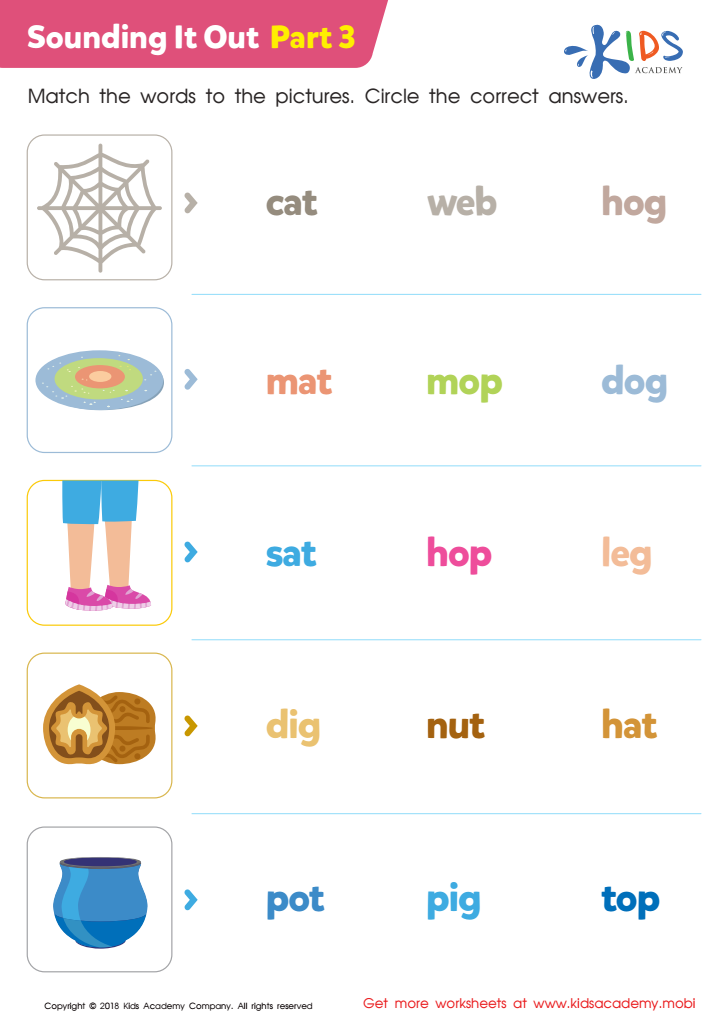
Sounding it Out: Part 3 Worksheet
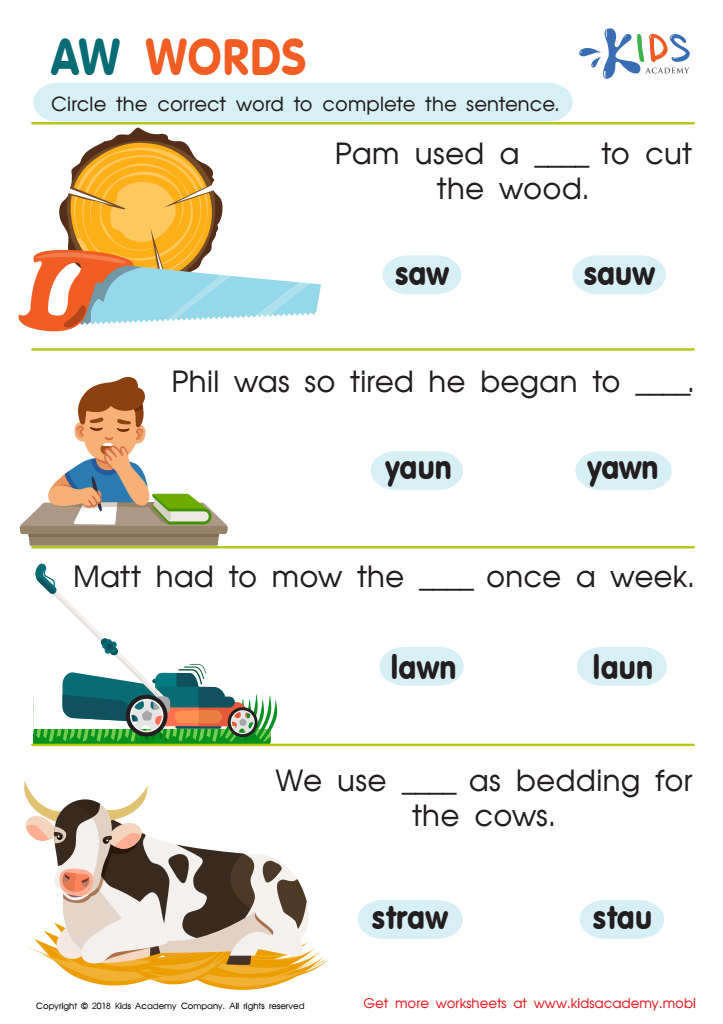
Reading: AW Words Worksheet








Phonics skills and vocabulary development are crucial for children aged 5-9 as they form the foundation of reading and writing proficiency. In this stage of early literacy, children learn to recognize and produce sounds in words, enabling them to decode and understand written language. When parents and teachers prioritize phonics, they help children gain the skills to sound out words, which enhances their reading fluency and comprehension.
Building vocabulary during this critical period is equally important. A rich vocabulary allows children to express themselves clearly and understand more complex texts. Vocabulary growth is linked to academic achievement across all subjects, making it essential for lifelong learning. Furthermore, these skills foster a love for reading, encouraging children to explore various texts and expand their knowledge.
By engaging children in activities that reinforce phonics and vocabulary, such as reading together, word games, and storytelling, parents and teachers can create a supportive environment for literacy development. This partnership in a child's education nurtures confidence and motivation, laying the groundwork for future success in school and beyond. Ultimately, fostering these skills during early childhood influences a child's ability to communicate effectively, think critically, and engage meaningfully with the world around them.








