Developing observation skills Normal Science Worksheets for Ages 5-9
3 filtered results
-
From - To
Enhance your child's observation skills with our engaging Normal Science Worksheets designed for ages 5-9! These thoughtfully crafted worksheets encourage young learners to observe, analyze, and pay attention to details in their environment. Each activity promotes critical thinking and inquiry-based learning, fostering a love for science from a young age. With colorful illustrations and interactive exercises, children will not only develop essential observational skills but also build confidence in their scientific abilities. These resources are perfect for both home and classroom learning, making science fun and accessible! Unlock your child’s potential and inspire curiosity with our dynamic science worksheets today!
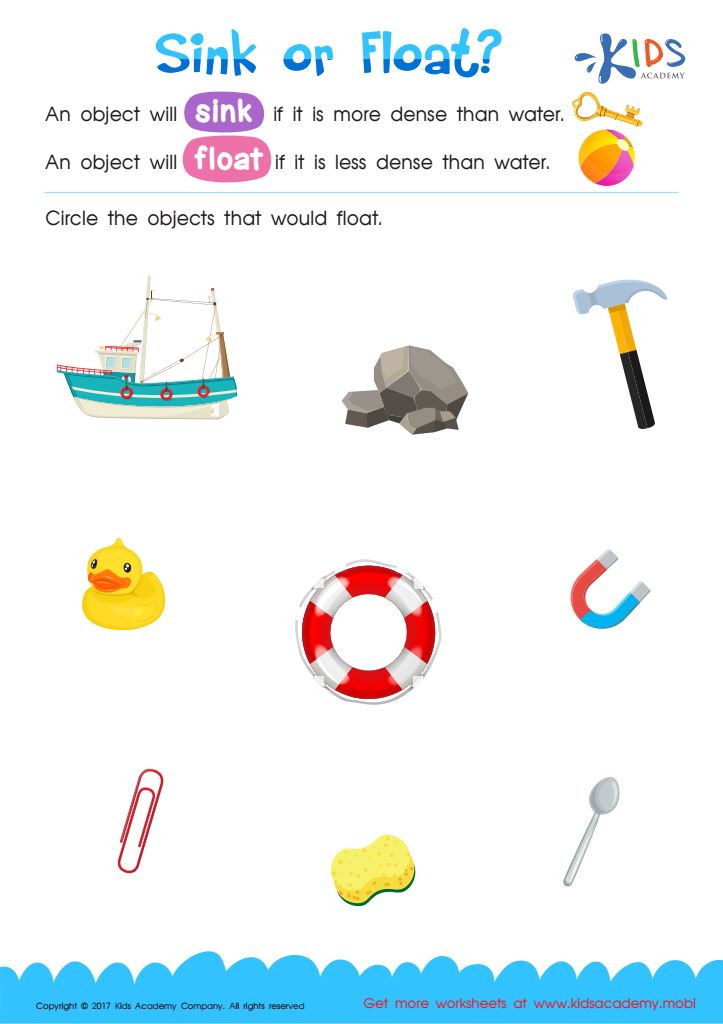
Sink or Float Printable
 Assign to My Students
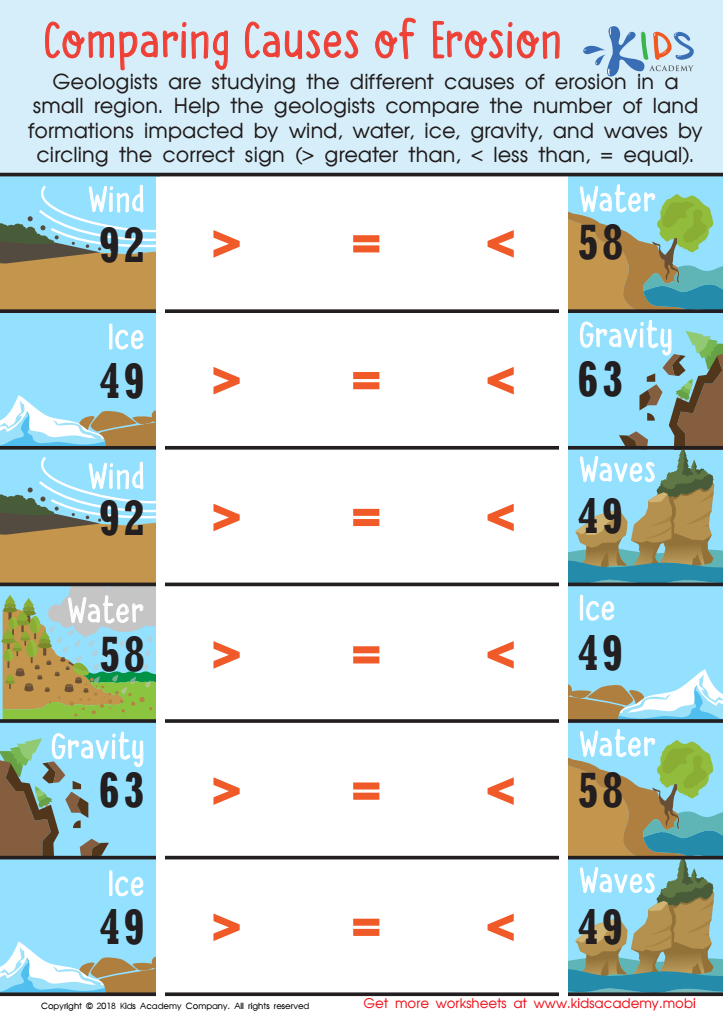
Comparing Causes of Erosion Worksheet
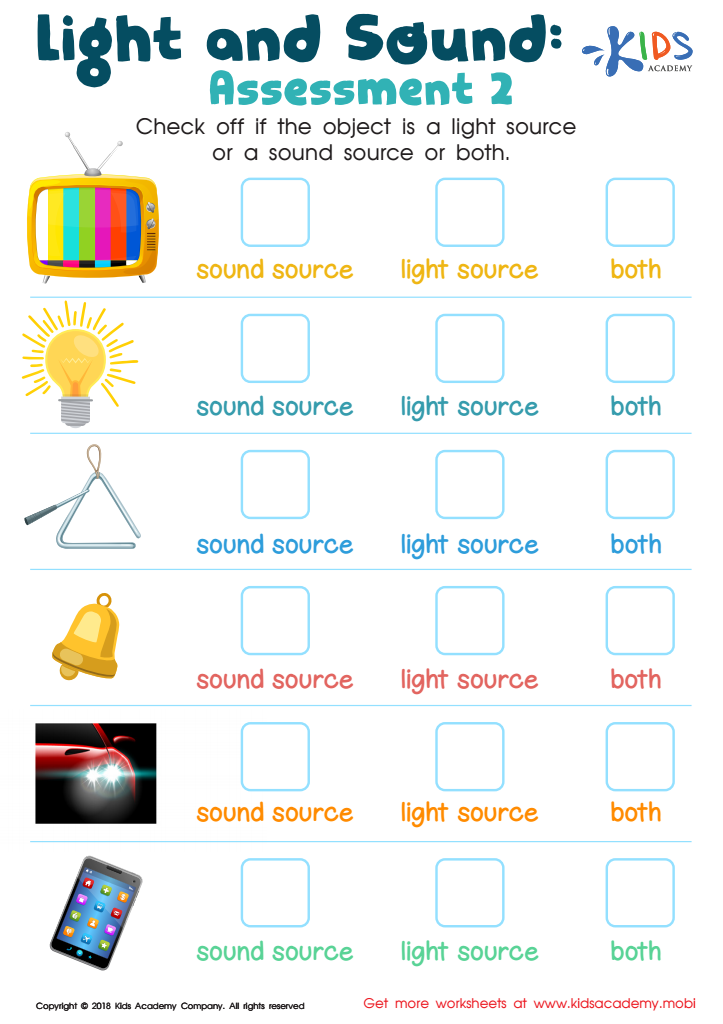
Light and Sound: Assessment 2 Worksheet




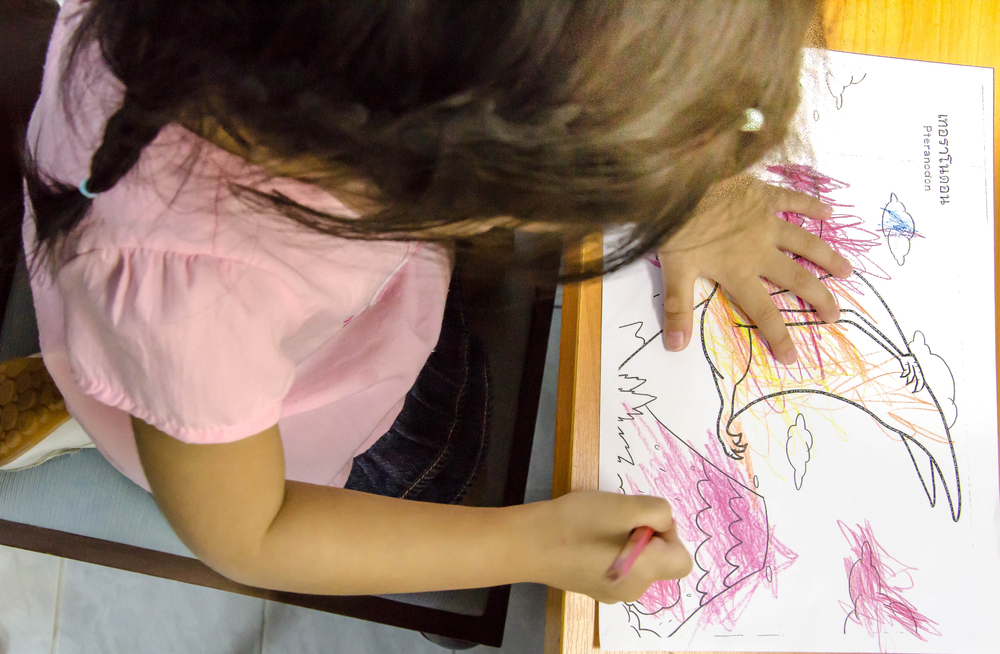

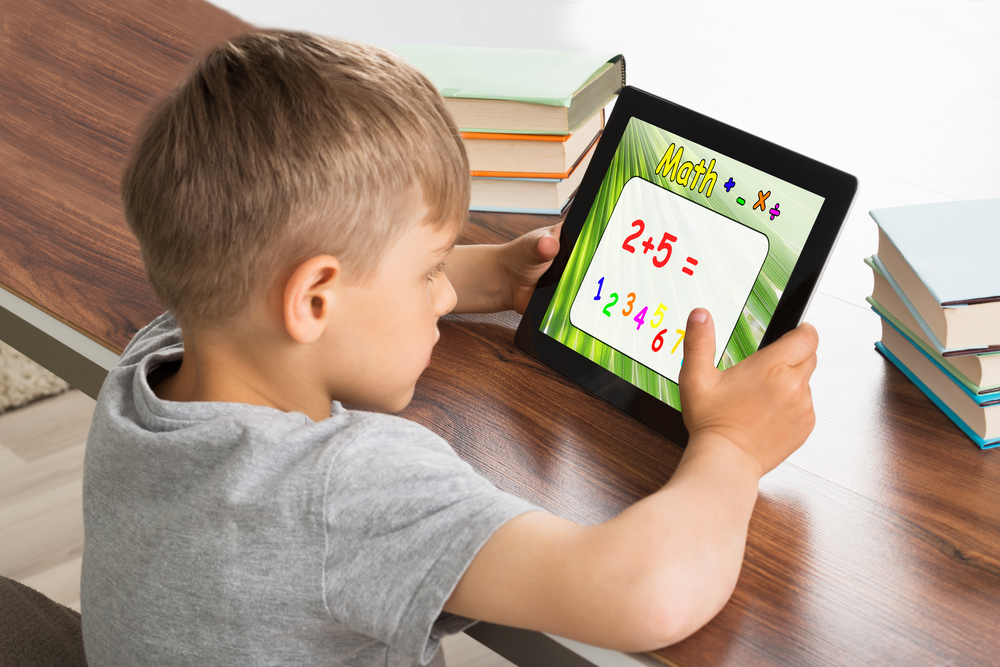

Developing observation skills in young children, particularly in the context of normal science, is crucial for several reasons. First, observation serves as the foundation for scientific inquiry, encouraging children to explore and engage with the world around them. By honing these skills, they learn to notice details, ask questions, and make connections, which can spark their natural curiosity and critical thinking.
For parents and teachers, fostering observation skills promotes active learning. When children actively observe their environment, they become participants in their own education, leading to deeper understanding and retention of concepts. This hands-on approach complements traditional teaching methods and caters to various learning styles.
Additionally, enhancing observation skills can support the development of other competencies, such as problem-solving, communication, and even social-emotional skills. As children share their observations, they learn to express their thoughts, collaborate with peers, and appreciate different perspectives.
In an ever-evolving world that increasingly values STEM education, equipping children with strong observational skills lays a solid foundation for future learning opportunities. Therefore, prioritizing the cultivation of these attributes in young children is essential for nurturing inquisitive minds prepared for both academic success and meaningful life experiences.







