Knowledge application Normal Science Worksheets for Ages 5-9
5 filtered results
-
From - To
Discover our engaging "Knowledge Application Normal Science Worksheets" tailored for ages 5-9! Designed to enhance young learners' understanding of scientific concepts, these worksheets encourage children to apply their knowledge in fun, interactive ways. Covering essential topics, our resources challenge students to practice observation, reasoning, and prediction skills. Each worksheet features colorful illustrations and relatable scenarios that make science exciting for early learners. Perfect for classroom use or home study, our worksheets support skill development while fostering a love for exploration. Equip your child with the tools they need to thrive in science with our thoughtfully-crafted educational materials. Start their scientific journey today!
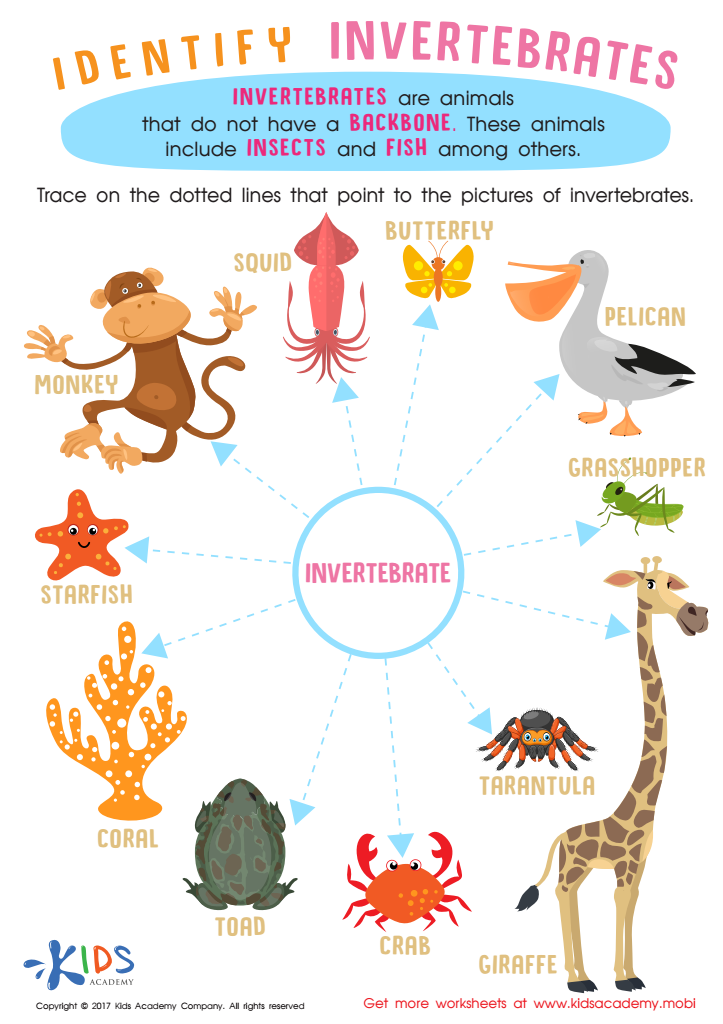
Invertebrates Worksheet for Grade 3
 Assign to My Students
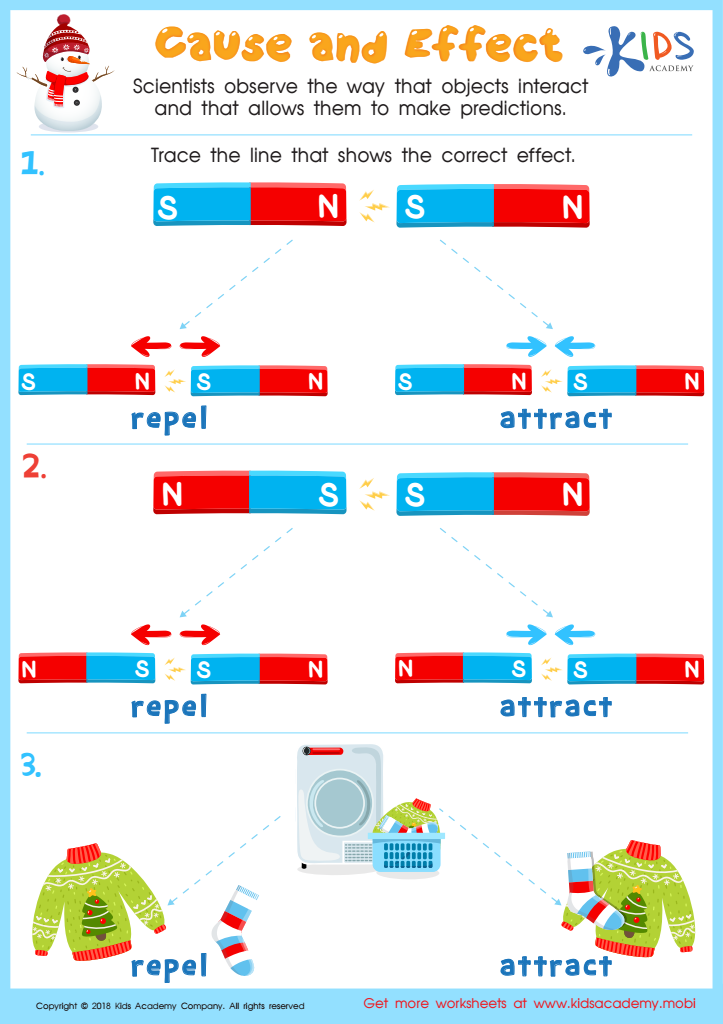
Repel and Attract Magnet Worksheet
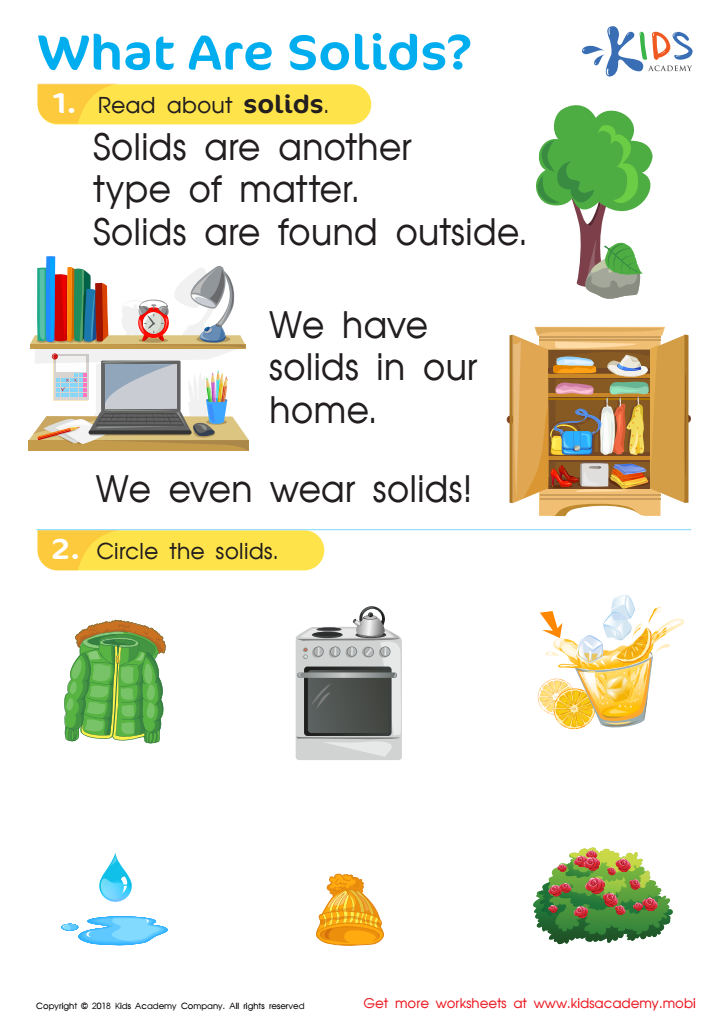
What Are Solids? Worksheet
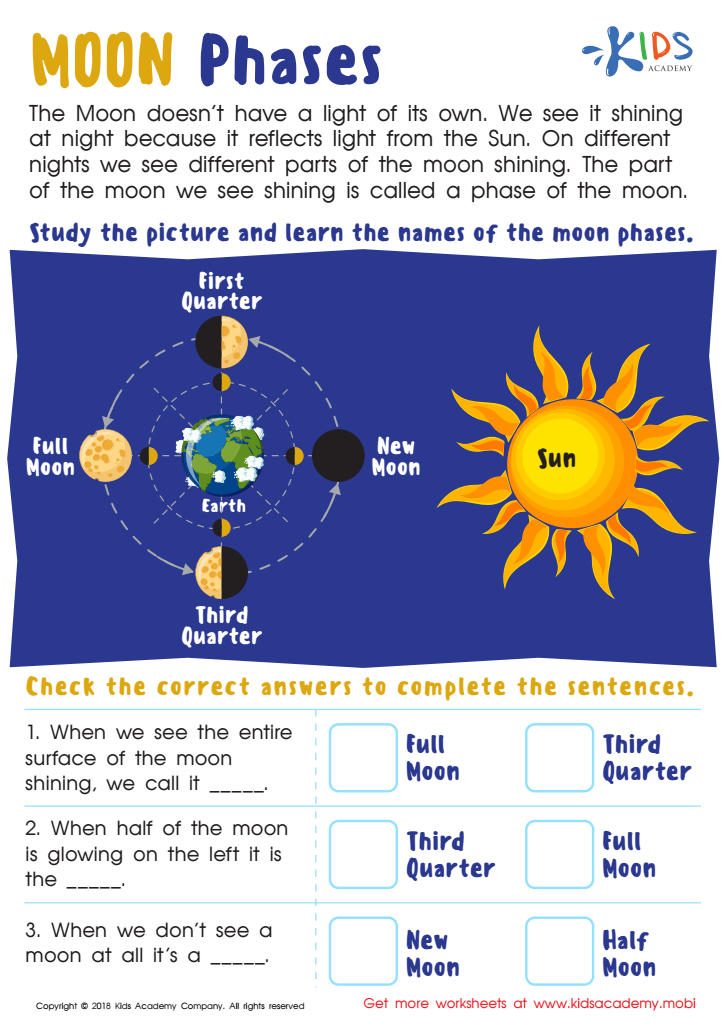
Moon Phases Worksheet
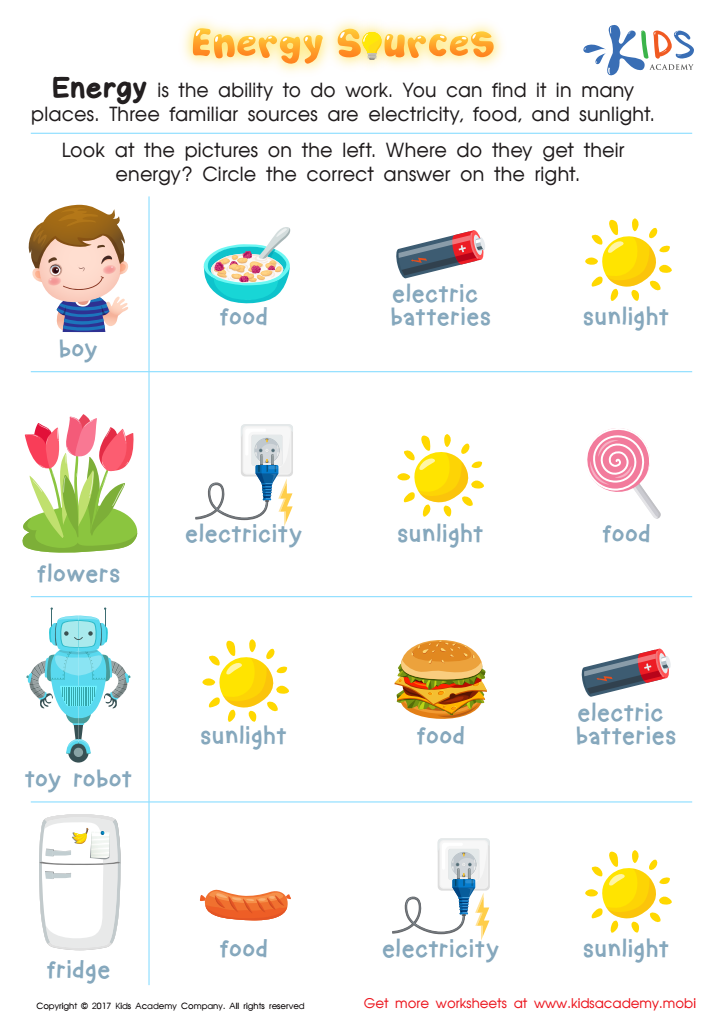
Energy Sources Printable








Knowledge application in normal science is crucial for children aged 5-9 as it lays the foundation for critical thinking, problem-solving, and scientific literacy. At this developmental stage, children are naturally curious and eager to explore their environment. Introducing them to scientific concepts through hands-on activities and real-world examples helps nurture this curiosity, fostering a love for learning.
Engaging with science in a meaningful way encourages children to ask questions, develop hypotheses, and test their ideas, promoting a scientific mindset. This process not only reinforces their understanding of scientific principles but also cultivates life skills such as inquiry, analysis, and reasoning.
Parents and teachers play a vital role in guiding children through their exploratory learning experiences. By incorporating normal science into the curriculum, they provide opportunities for children to apply knowledge, think critically, and understand the value of experimentation. Furthermore, early exposure to science can instill confidence and persistence in young learners as they discover the joy of creating, measuring, and iterating.
In today's increasingly complex world, fostering an early appreciation for science equips children with the skills necessary to navigate challenges, promotes innovation, and prepares them for future academic and career opportunities in a rapidly changing landscape.







