Problem-Solving Skills Normal Physical Science Worksheets for Ages 5-9
3 filtered results
-
From - To
Discover our exciting Problem-Solving Skills Normal Physical Science Worksheets for children ages 5-9! Designed to engage young learners, these worksheets combine fun activities with essential problem-solving exercises that promote critical thinking and reasoning. Perfect for both classroom and home use, our resources encourage kids to explore fundamental concepts in physical science while developing their analytical skills. Students will learn to identify problems, formulate solutions, and understand scientific principles through interactive questions and challenges. Foster a love for science and problem-solving in your child with our easy-to-use, printable worksheets that support educational growth in a playful and impactful way!
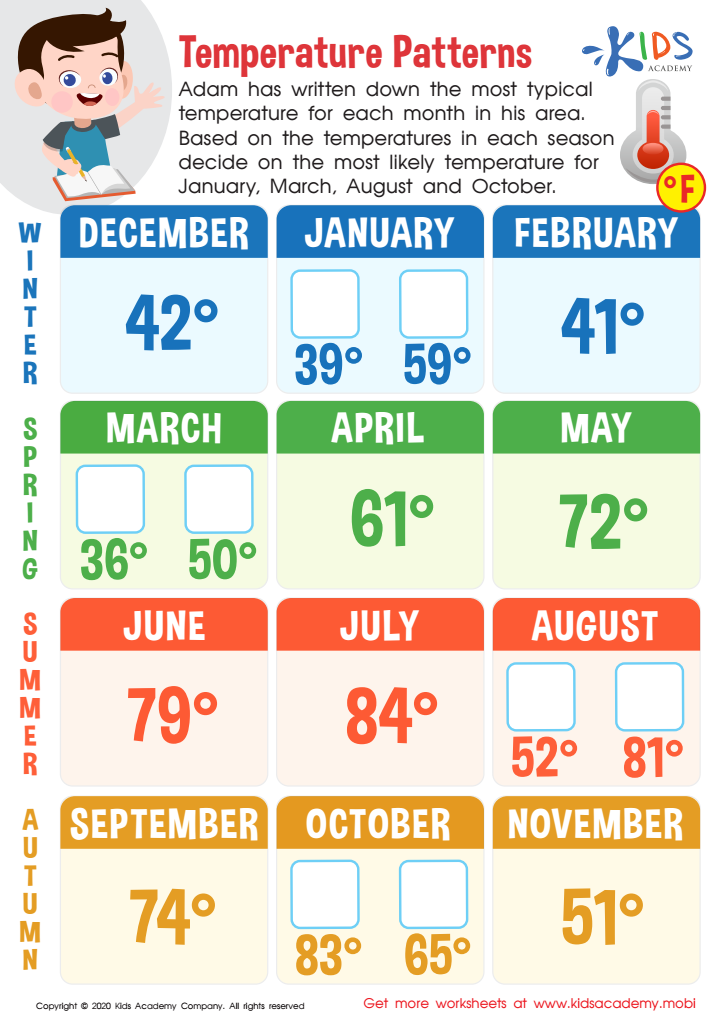
Temperature Patterns Worksheet
 Assign to My Students
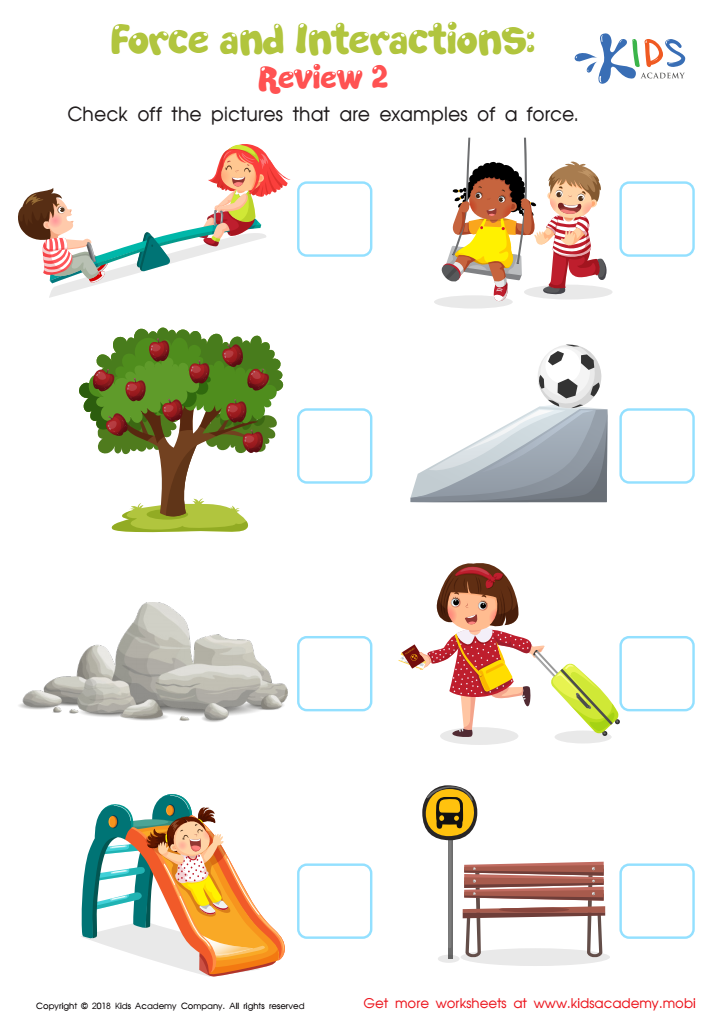
Force and Interactions: Review 2 Worksheet
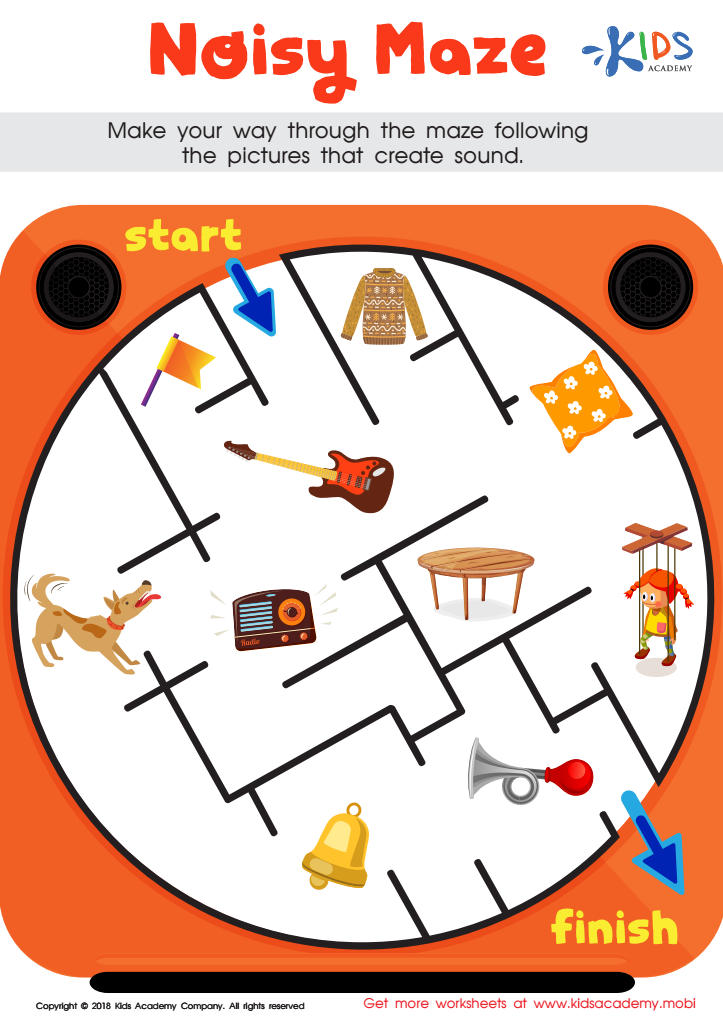
Noisy Maze Worksheet


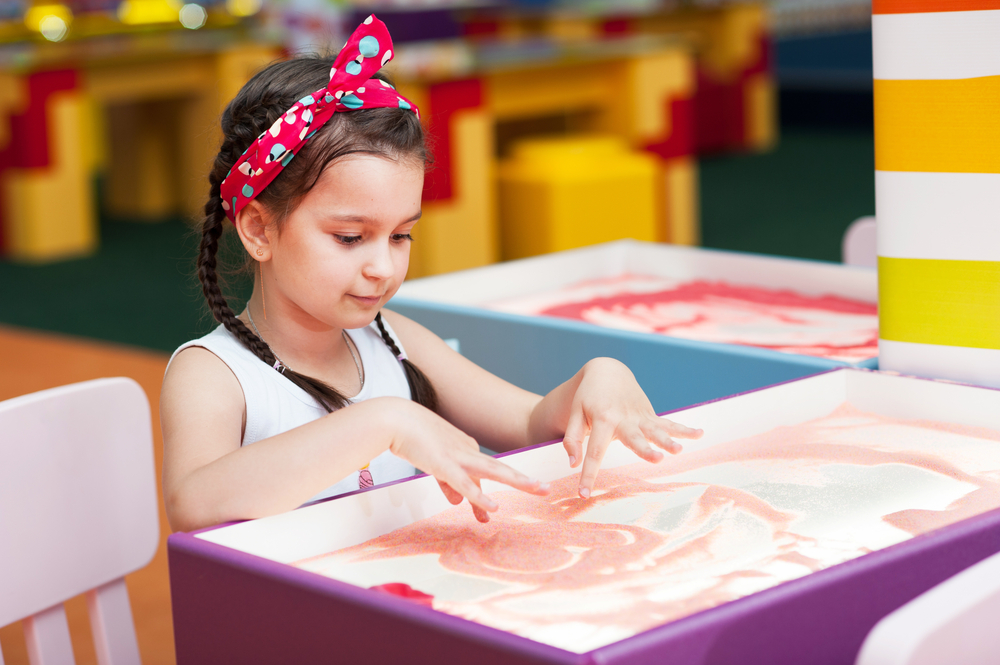



Problem-solving skills are vital for children aged 5-9, especially in the context of normal physical science, as they lay the groundwork for critical thinking and adaptability. At this developmental stage, children are naturally curious and eager to explore. Engaging them in physical science promotes this curiosity while teaching them how to approach challenges systematically.
Parents and teachers should prioritize these skills because they not only enhance scientific understanding but also foster a mindset that values inquiry and resilience. By learning to identify problems, hypothesize solutions, and conduct experiments, children develop confidence in their abilities. This mindset transcends science and applies to everyday situations, preparing children to navigate academic challenges and social interactions competently.
Furthermore, developing problem-solving skills during these formative years nurtures collaboration and communication, as children often engage in group activities and discussions. Building these skills leads to improved cognitive abilities and promotes a lifelong love of learning.
Ultimately, in a world that constantly demands innovative thinkers, fostering problem-solving skills in young children ensures they are equipped with the tools necessary to handle future complexities, making it a crucial focus for both parents and educators.







