Vocabulary enhancement Normal Physical Science Worksheets for Ages 5-9
6 filtered results
-
From - To
Enhance your child's vocabulary with our engaging Normal Physical Science Worksheets, designed specifically for ages 5-9. These worksheets are perfect for introducing young learners to essential scientific terms and concepts in a fun, interactive way. Packed with colorful visuals and relatable examples, each worksheet encourages exploration and understanding of fundamental topics in physical science. As students complete exercises based on vocabulary enhancement, they will boost their language skills while developing a solid foundation in science. These printable resources are ideal for teachers and parents alike, promoting learning at home or in the classroom. Unlock your child's potential with our dynamic vocabulary worksheets today!
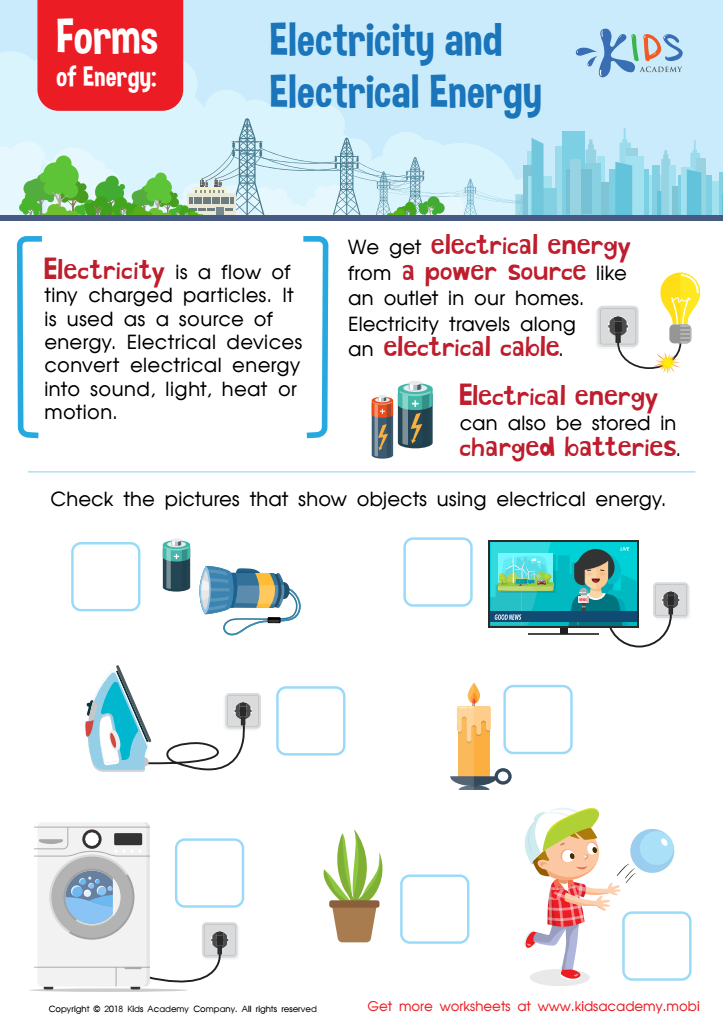
Forms of Energy Worksheet
 Assign to My Students
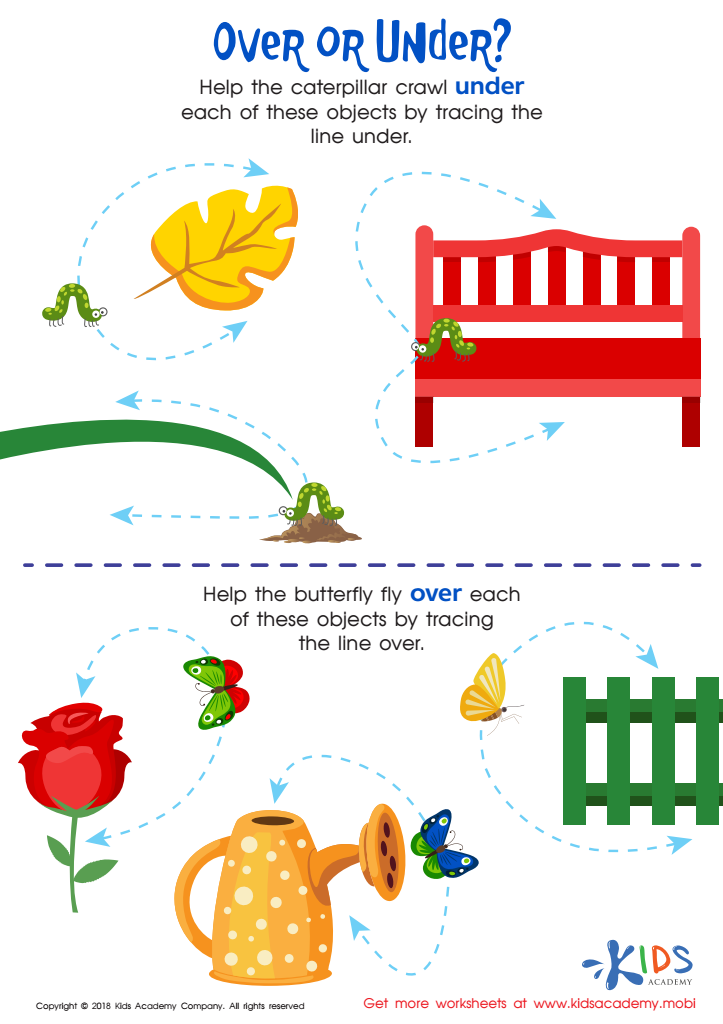
Over or Under? Worksheet
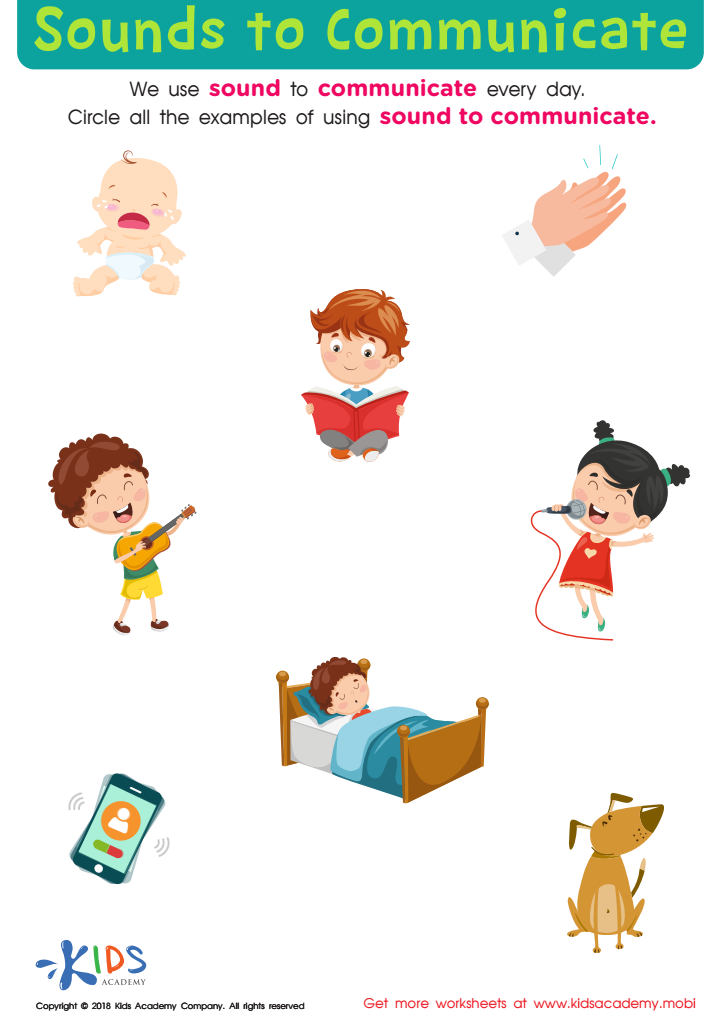
Sounds to Communicate Worksheet
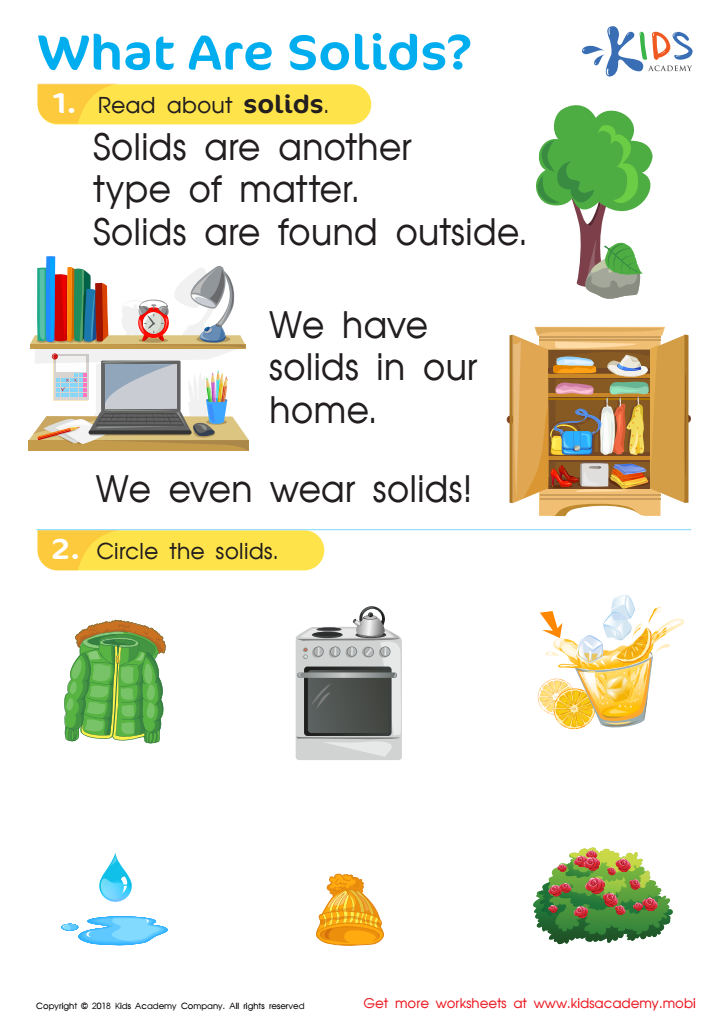
What Are Solids? Worksheet
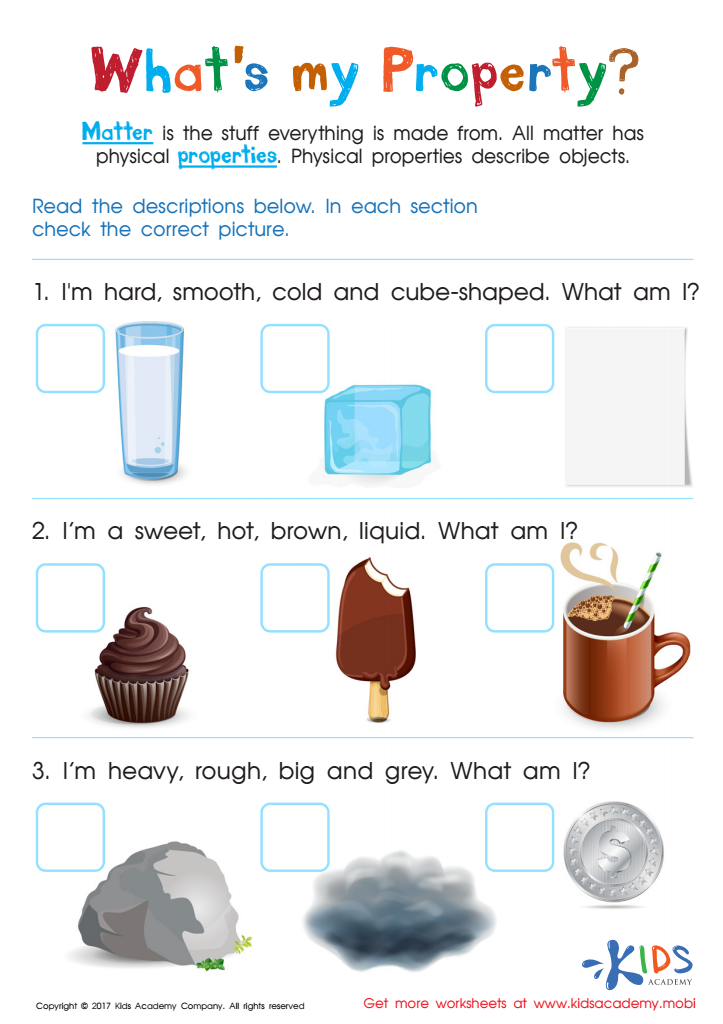
Physical Properties Of Matter Worksheet
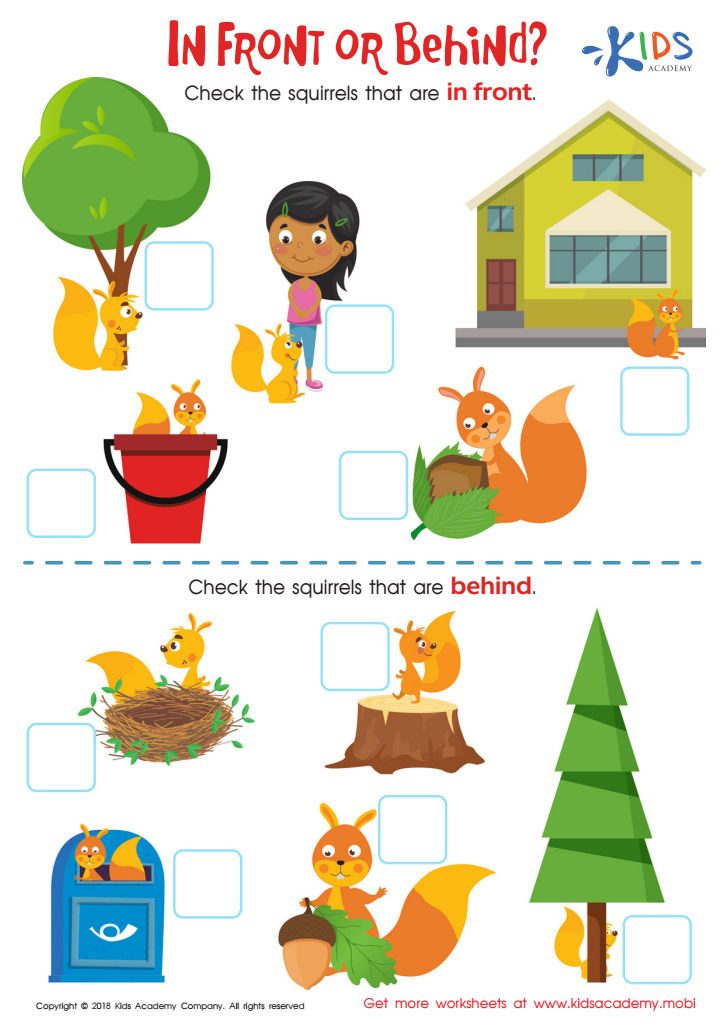
In Front or Behind: Part 2 Worksheet







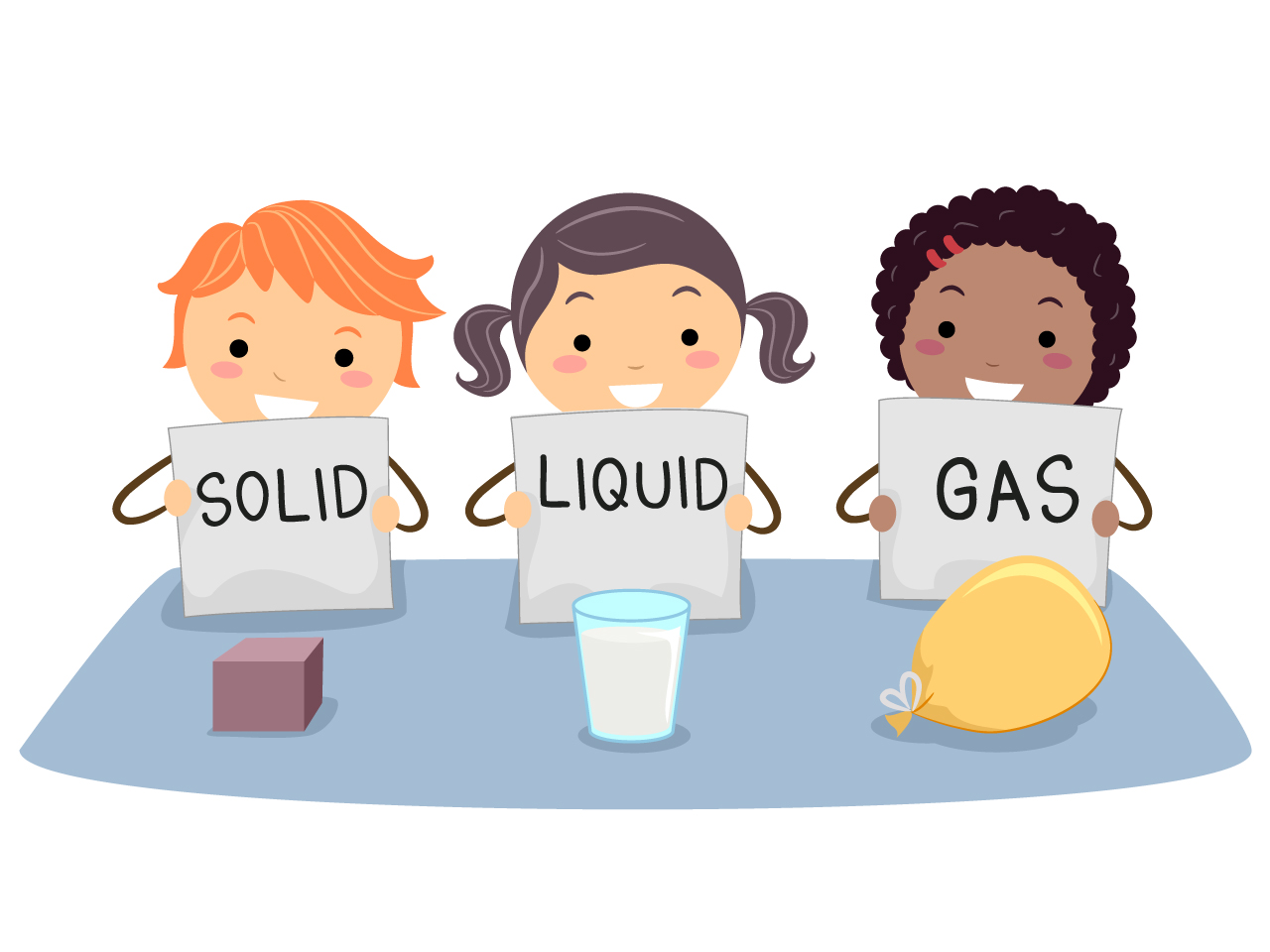
Vocabulary enhancement in Normal Physical Science for children ages 5-9 is crucial for several reasons. At this formative age, children are mastering the foundations of language and understanding the world around them. A robust vocabulary not only helps them comprehend scientific concepts but also fosters curiosity and encourages critical thinking. When children grasp scientific terms, they become more adept at expressing their observations and ideas, enabling them to engage in discussions and ask insightful questions about their surroundings.
Enhancing vocabulary facilitates better comprehension of scientific content, leading to improved academic performance in school. As they progress in their education, a strong vocabulary will empower them to tackle more complex scientific concepts. Moreover, effective communication skills are essential for collaborative tasks and scientific inquiry, allowing children to work together and share their findings, thereby promoting teamwork and social skills.
Additionally, fostering a love for science and language in these early years can ignite an enduring interest in STEM (science, technology, engineering, and mathematics) fields, opening doors for future educational and career opportunities. By prioritizing vocabulary development in Normal Physical Science, parents and teachers create an enriching learning environment that supports both language development and scientific literacy.







