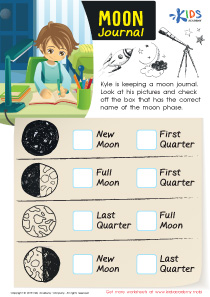
Critical thinking development Normal Plants and Animals Worksheets for Ages 5-9
3 filtered results
-
From - To
Enhance critical thinking skills in young learners aged 5-9 with our engaging Normal Plants and Animals worksheets! Designed to spark curiosity and foster analytical abilities, these worksheets invite children to explore the fascinating world of plants and animals. Each activity encourages observation, reasoning, and creativity as kids learn to make connections and draw meaningful conclusions. Covering essential concepts in a fun and interactive way, these resources are perfect for parents and educators looking to nurture young minds. Help your child develop a strong foundation in critical thinking while igniting their passion for science through our thoughtfully crafted worksheets!
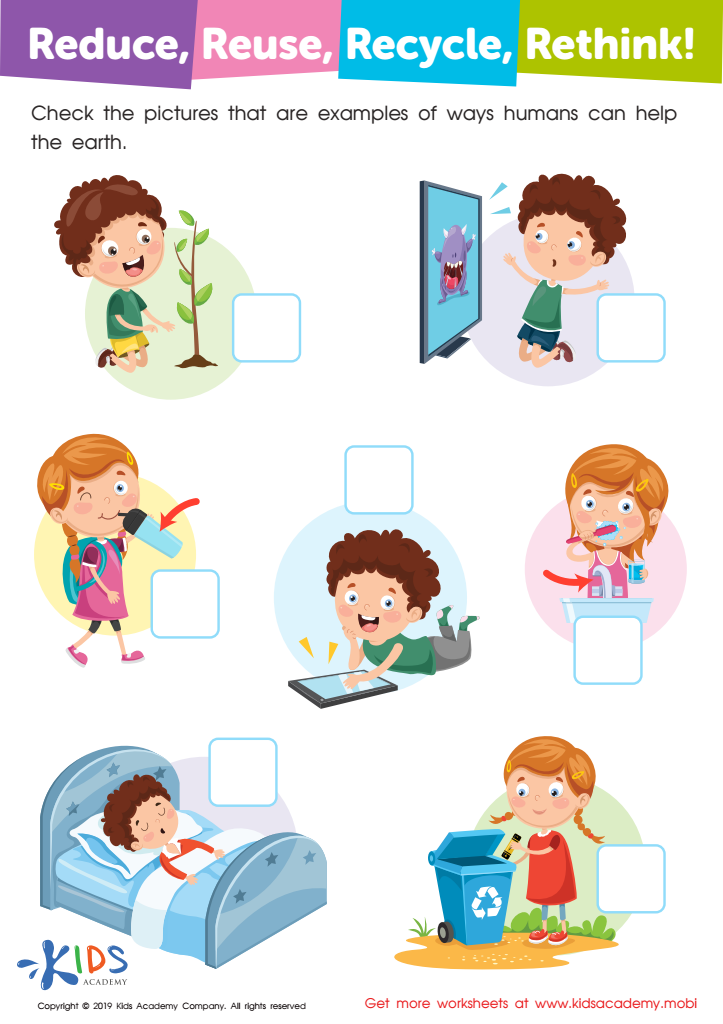
Reduce, Reuse, Recycle, Rethink Worksheet
 Assign to My Students
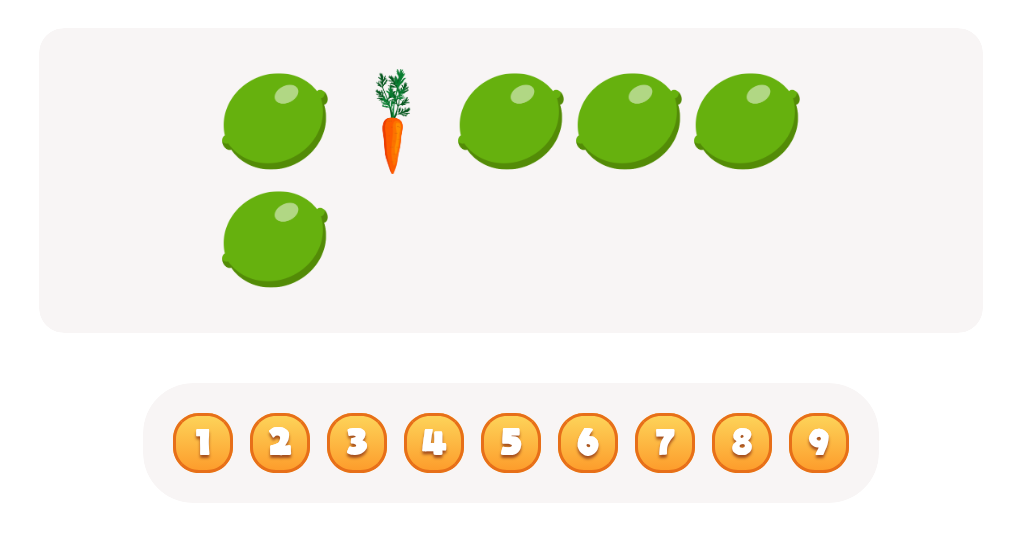


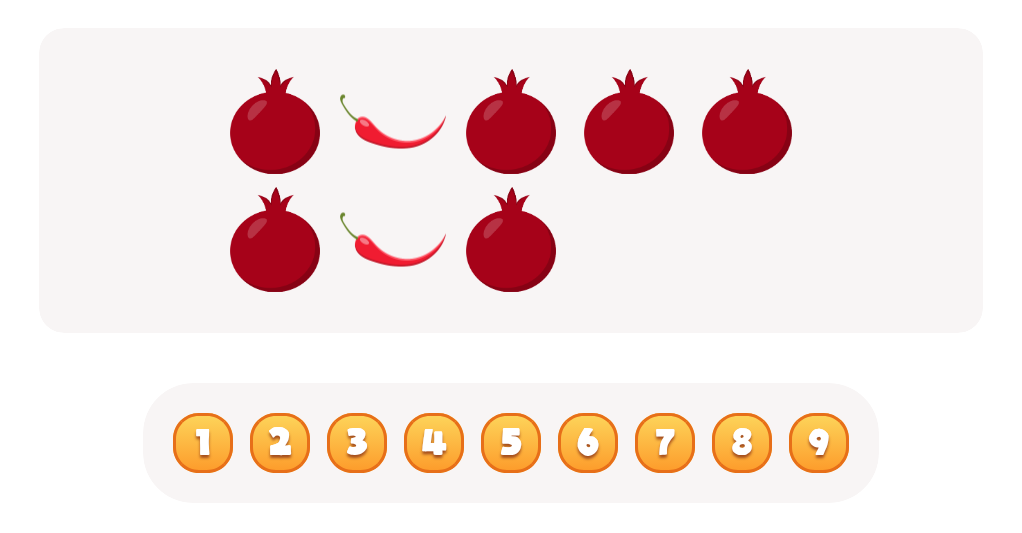

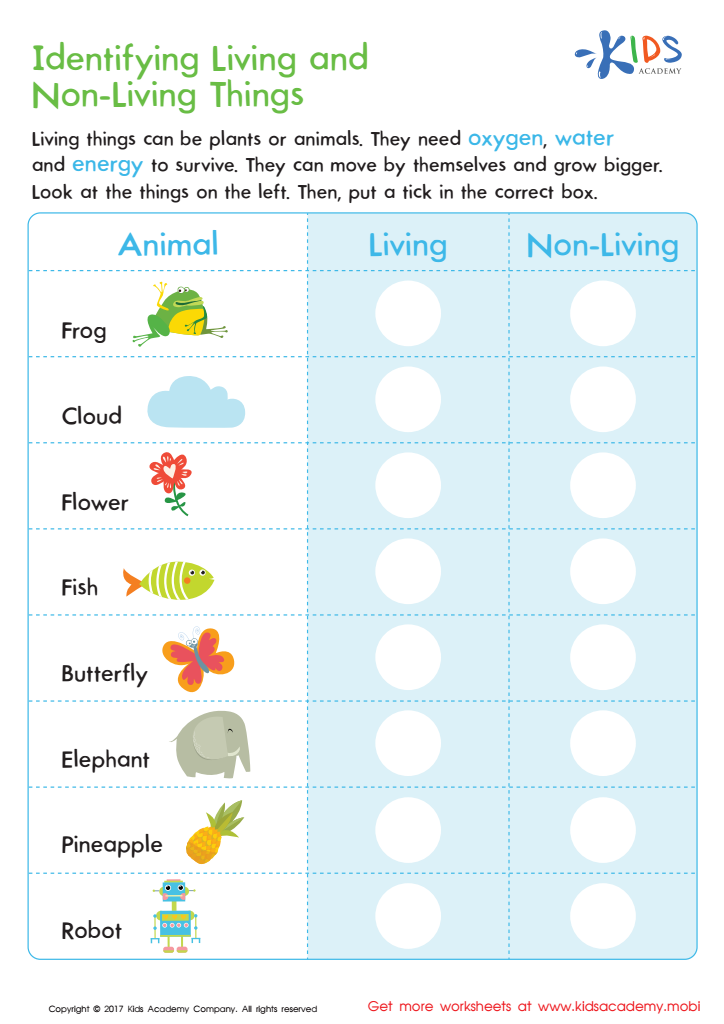
Identifying Living or Non–living Worksheet
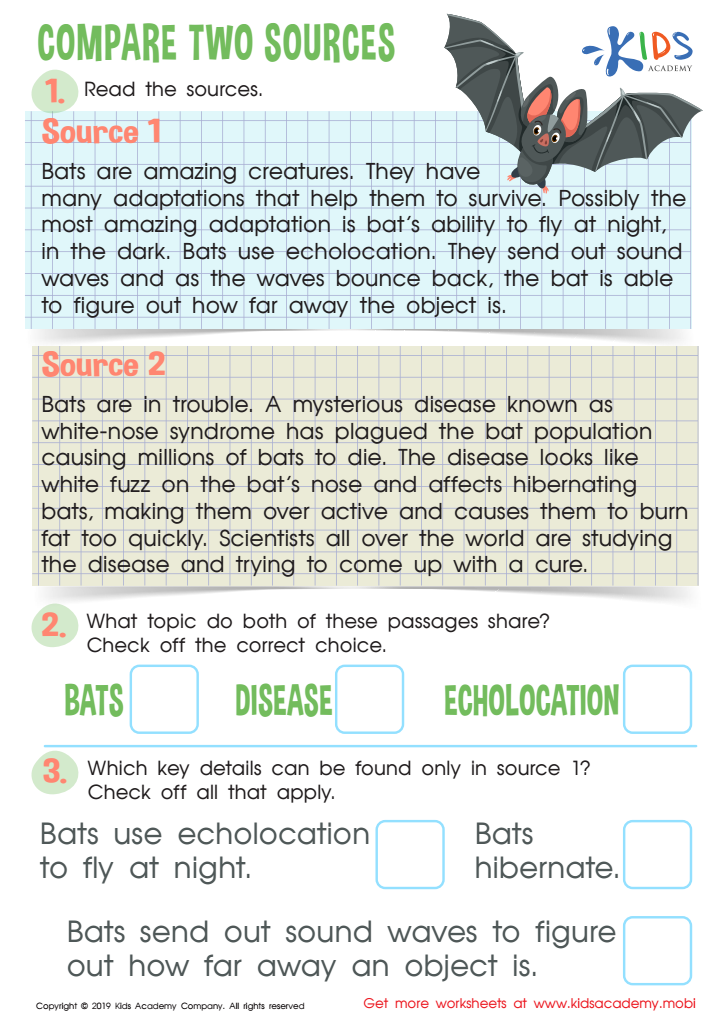
Compare Two Sources Worksheet



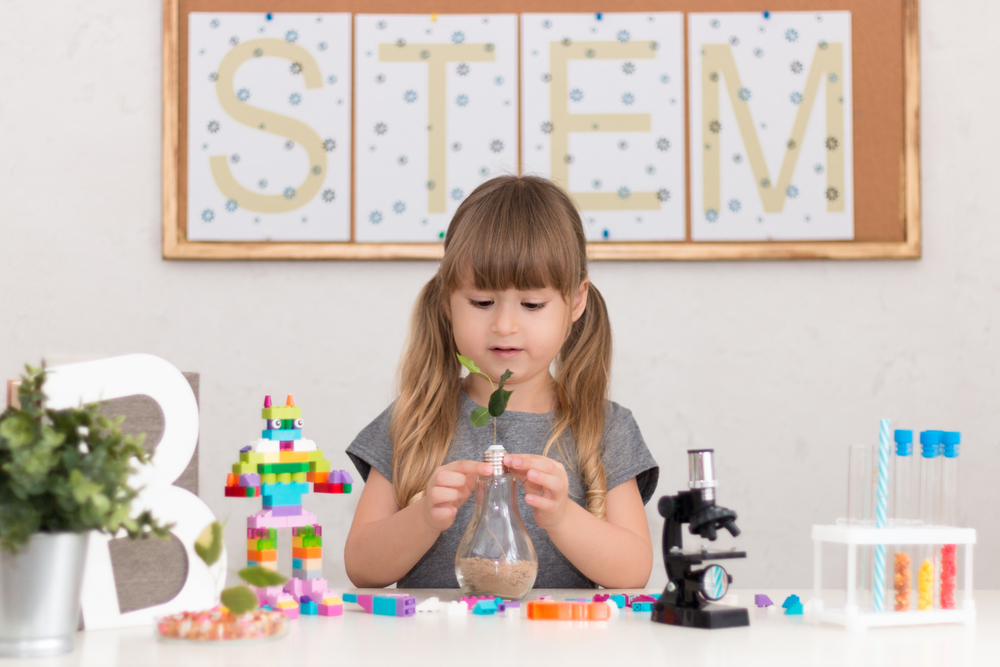




Critical thinking development in young children, particularly in the context of understanding normal plants and animals, is vital for their cognitive and social growth. For ages 5-9, this stage is crucial for fostering curiosity and a foundational understanding of the world around them. When parents and teachers emphasize critical thinking in the study of plants and animals, they encourage children to ask questions, make observations, and draw conclusions based on evidence.
Engaging with the natural environment promotes inquiry-based learning, where children learn to differentiate between various species, understand ecosystems, and recognize the importance of biodiversity. This early exposure teaches them to think analytically and make connections, laying the groundwork for problem-solving skills they will use throughout their education and life. Furthermore, understanding the interdependence within ecosystems fosters a sense of responsibility and empathy towards nature, reinforcing environmental stewardship.
Moreover, cultivating critical thinking in young learners enhances their language and communication skills as they articulate their ideas and reasoning. Therefore, focusing on the critical evaluation of normal plants and animals not only supports academic growth but also encourages holistic development, preparing children for challenges ahead and enabling them to become informed, thoughtful adults who contribute positively to society.