
Alphabetical order understanding Normal ABC Letters Worksheets for Ages 6-8
3 filtered results
Difficulty Level
Grade
Age
-
From - To
Subject
Activity
Standards
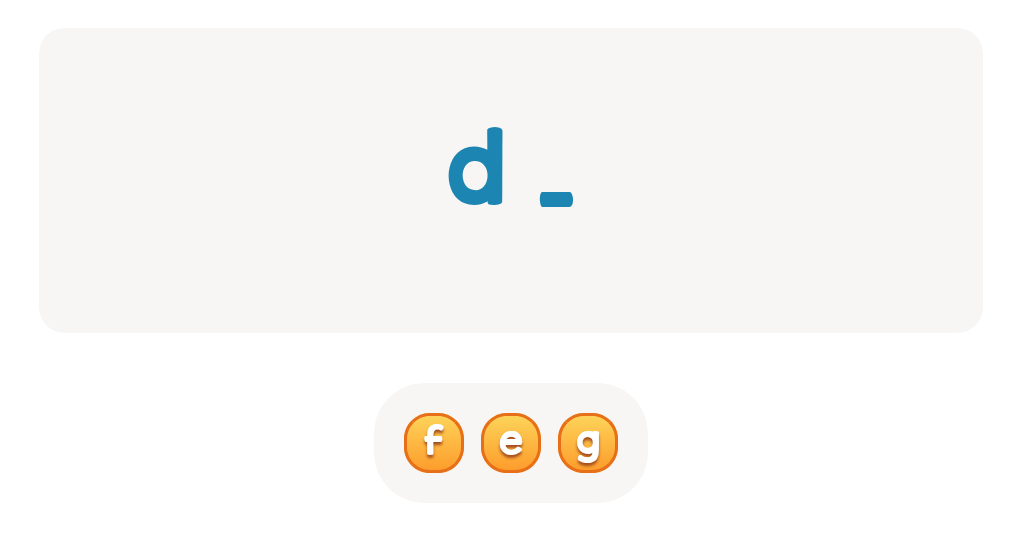
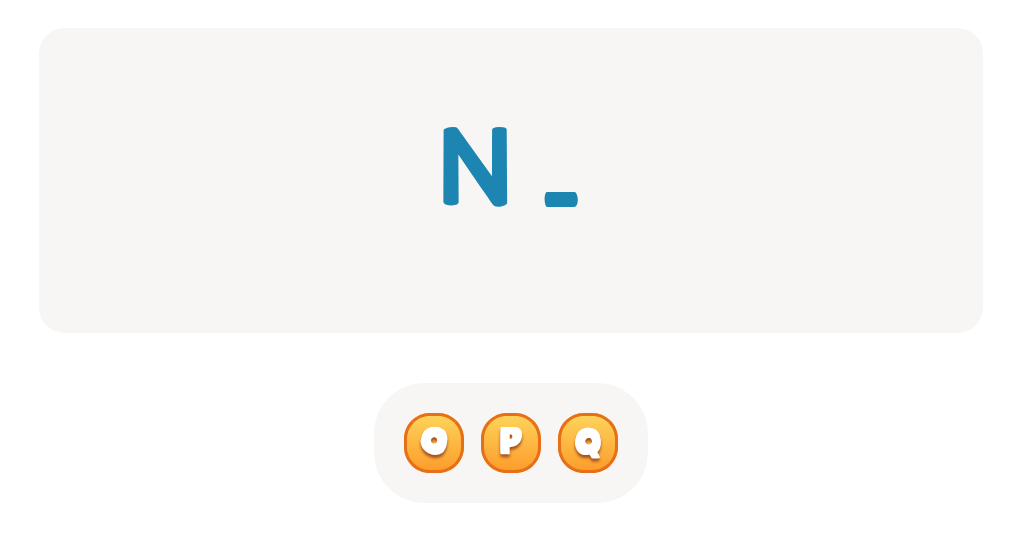
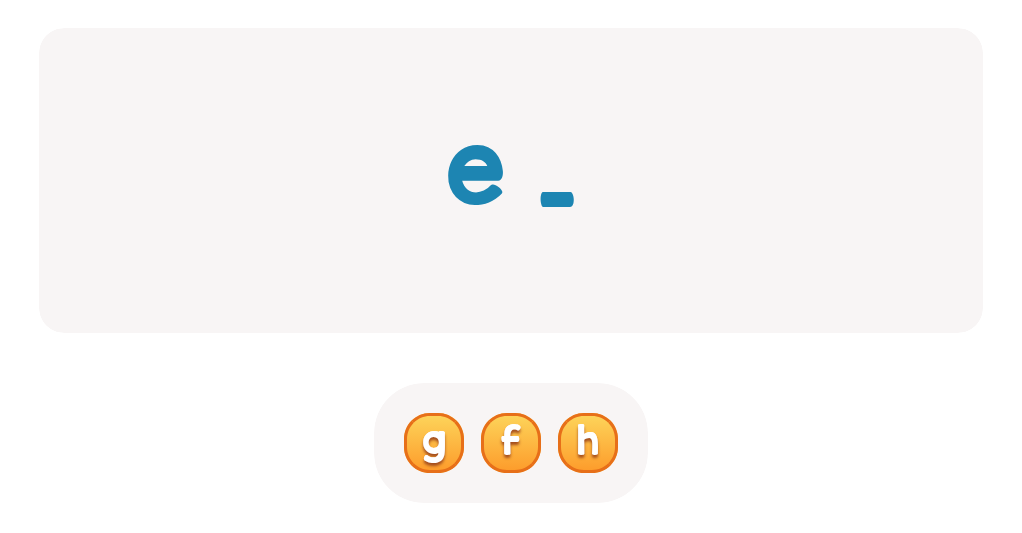
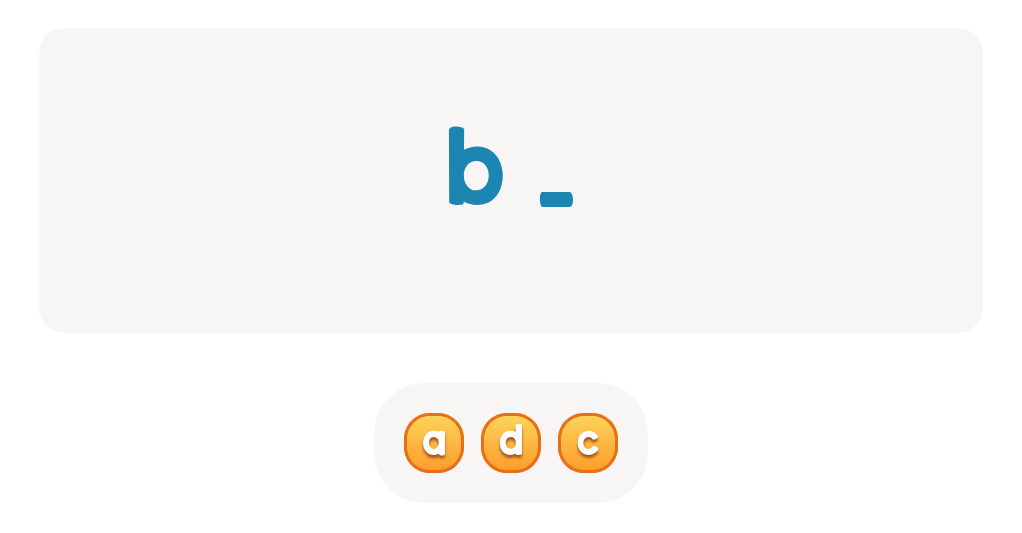
Explore our engaging "Alphabetical Order Understanding Normal ABC Letters Worksheets" designed for children aged 6-8. These worksheets provide a fun and interactive way for young learners to master the concept of alphabetical order. With activities that encourage sorting words and arranging letters, kids will develop crucial skills in reading and vocabulary. Perfect for both in-class and at-home learning, these printable resources foster independence and critical thinking. Enhance your child's literacy journey with our thoughtfully crafted worksheets that make learning about the ABCs both enjoyable and effective. Get started today and watch their understanding flourish!
Favorites
With answer key
Interactive

Letter G Tracing Page
Get ready to trace the letter "G" – with a big red spot as the starting point, trace the lines and watch the letter appear. Uppercase and lowercase letters are both easy and fun to write. Give it a go and finish the word "go". Play the guitar and say "hello" to a funny ghost!
Letter G Tracing Page
Worksheet

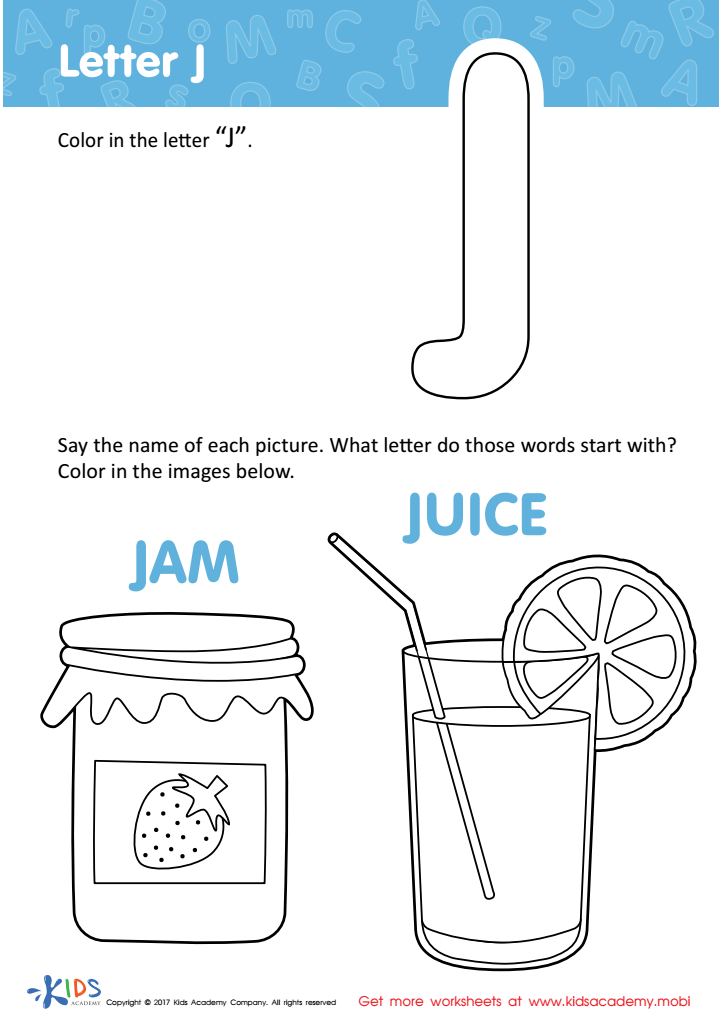
Letter J Coloring Sheet
Practice the letter 'J' with your little one with this fun coloring page! Pictures of jar, juice, jam and jelly make it an enjoyable experience for kids. Learning the letter and coloring is fun for even the youngest learners.
Download (PDF)
 Assign to My Students
Assign to My Students
Letter J Coloring Sheet
Worksheet
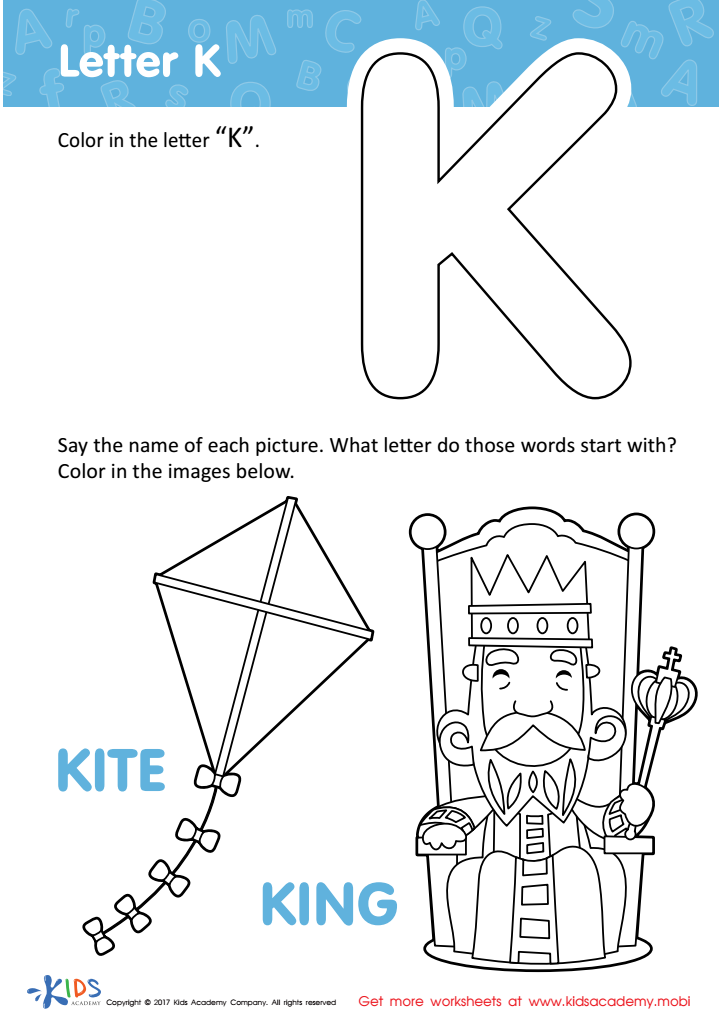
Letter K Coloring Sheet
This letter K coloring page captivates your child's creativity while learning the letter! Showcasing a king and kite, common words for their age group, it's sure to spark their imagination.
Download (PDF)
Assign to My Students
Assign to My Students
Letter K Coloring Sheet
Worksheet
Join Kids Academy for Free
Who is primarily going to use this learning content?








Understanding alphabetical order is crucial for children ages 6-8, as it lays the foundation for their literacy skills and overall academic success. Learning to arrange letters and words in alphabetical order enhances reading comprehension and vocabulary. For children, this skill is essential when locating information in books, dictionaries, and online resources. It helps them develop organizational skills that translate into other areas of learning.
Moreover, understanding the normal ABC letters fosters phonemic awareness, aiding in spelling and writing as children begin to recognize word patterns. This early grasp of letter order cultivates confidence in their literacy abilities, encouraging them to engage more with reading materials.
Teachers and parents play a vital role in this learning process. By incorporating fun activities like alphabet songs, games, and interactive lessons, they can help children practice and internalize these concepts. Additionally, fostering a love for reading through exposure to a wide range of texts will naturally enhance their understanding of alphabetical order.
Ultimately, a solid grasp of ABCs and their order empowers children as learners, equipping them with essential skills that will benefit them throughout their education and beyond.







