Motor skills development Normal ABC Letters Worksheets for Ages 6-8
3 filtered results
-
From - To
Enhance your child's motor skills with our engaging "Normal ABC Letters Worksheets" tailored for ages 6-8. These worksheets combine fun activities with essential learning, helping young learners practice letter formation and recognition while developing fine motor skills. Each worksheet promotes hand-eye coordination and boosts confidence in writing, making it an enjoyable way for kids to master the alphabet. Ideal for homeschooling or supplementary learning, our resources are designed to facilitate growth in early literacy while keeping children entertained. Download our colorful, interactive worksheets today and watch your child's confidence soar as they explore the fundamentals of writing and letter identification!
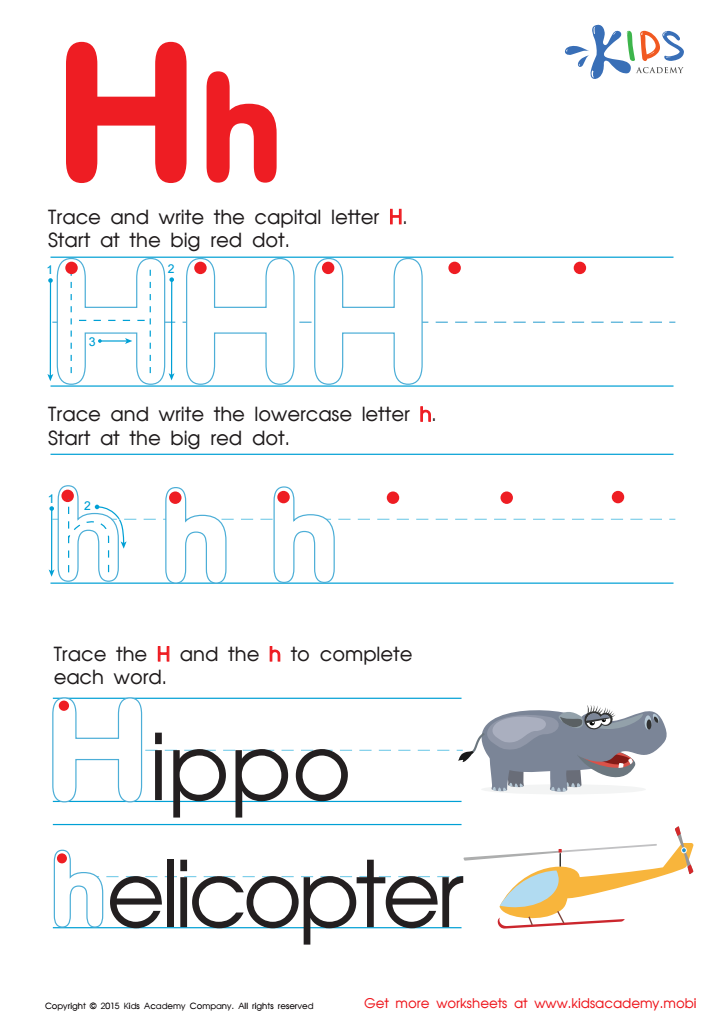
Letter H Tracing Page










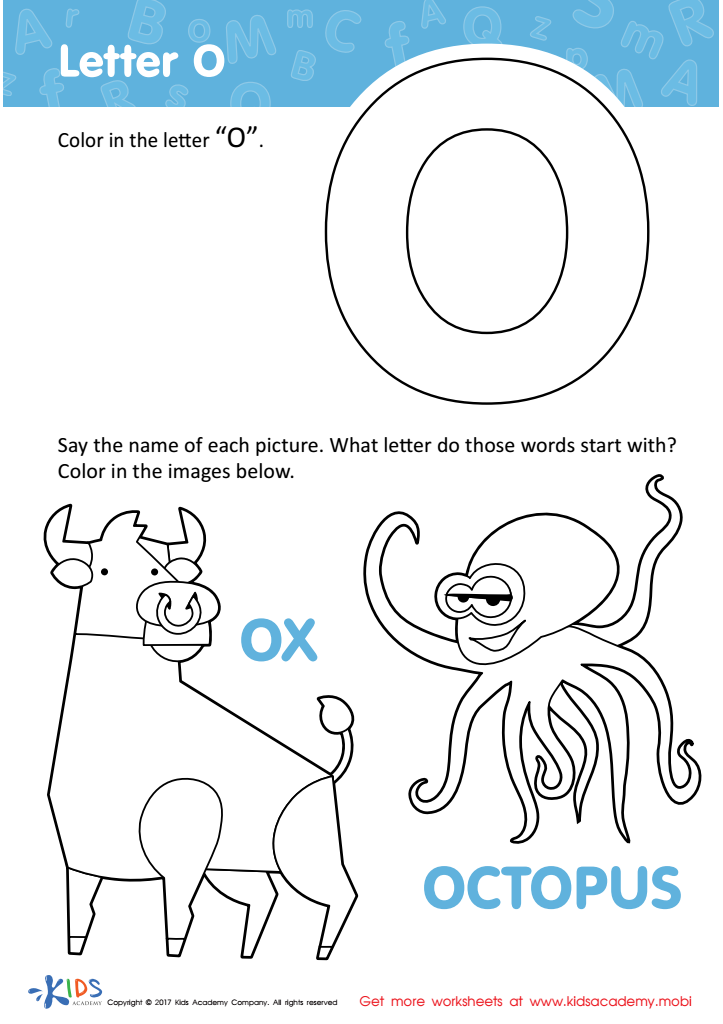
Letter O Coloring Sheet
 Assign to My Students
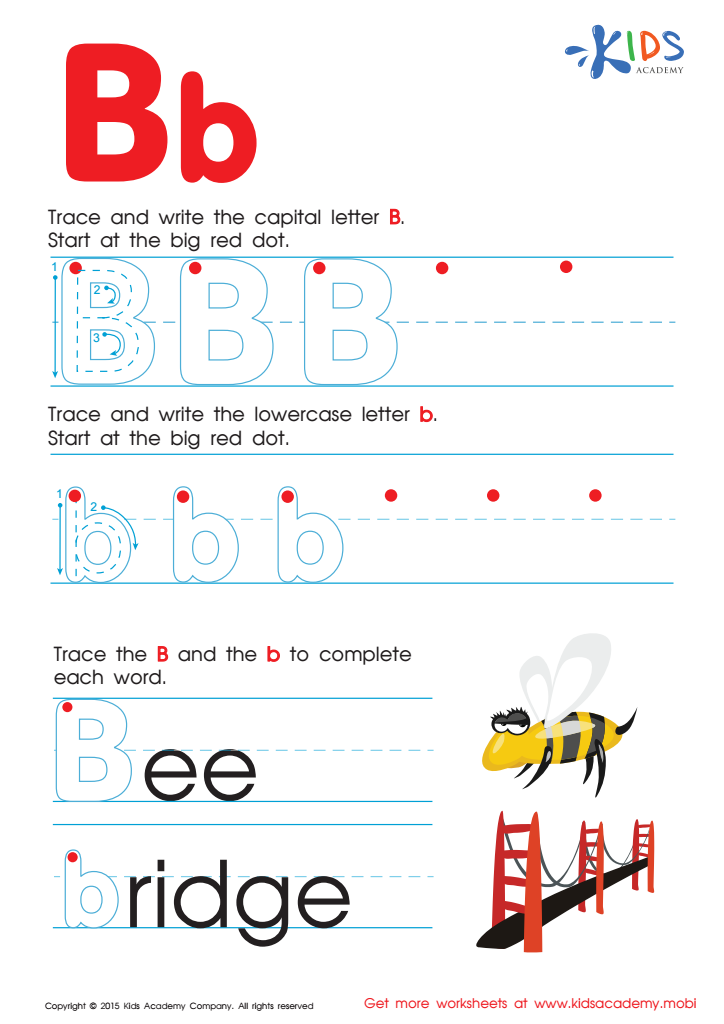
Letter B Tracing Page





Motor skills development, particularly in the age range of 6-8 years, is crucial as it impacts children's ability to perform everyday tasks and engage in learning activities. Parents and teachers should prioritize this aspect for several reasons.
Firstly, motor skills, which include both fine and gross movements, are foundational for academic success. As children learn to write letters and form numbers, fine motor skills are engaged. If they struggle in this area, it can lead to difficulties in writing neatly and efficiently, ultimately affecting their confidence and performance in school.
Secondly, developing motor skills enhances overall physical coordination and balance. This is important not just for academic tasks but also for participation in sports and recreational activities, fostering teamwork and social skills.
Moreover, engaging in activities to enhance motor skills, like crafting or playing games, offers opportunities for parent-teacher collaboration. Such interactions strengthen educational support systems at home and school, highlighting the importance of holistic development.
In conclusion, attention to motor skills development helps children become more competent learners, promotes their physical health, and nurtures social connections—all pivotal for well-rounded growth during these formative years.







