Vocabulary expansion Normal Consonants Worksheets for Ages 6-8
5 filtered results
-
From - To
Explore our engaging Vocabulary Expansion Normal Consonants Worksheets designed specifically for children ages 6-8. These interactive activities focus on enhancing vocabulary through the recognition and use of normal consonants, crucial for language development in young learners. Each worksheet is filled with fun, age-appropriate exercises that promote literacy skills, helping students practice consonant sounds in a meaningful context. Whether your child is learning to read or looking to deepen their word knowledge, our resources provide the perfect balance of education and entertainment. Boost vocabulary, build confidence, and watch your child shine in their language journey with our thoughtfully crafted worksheets!
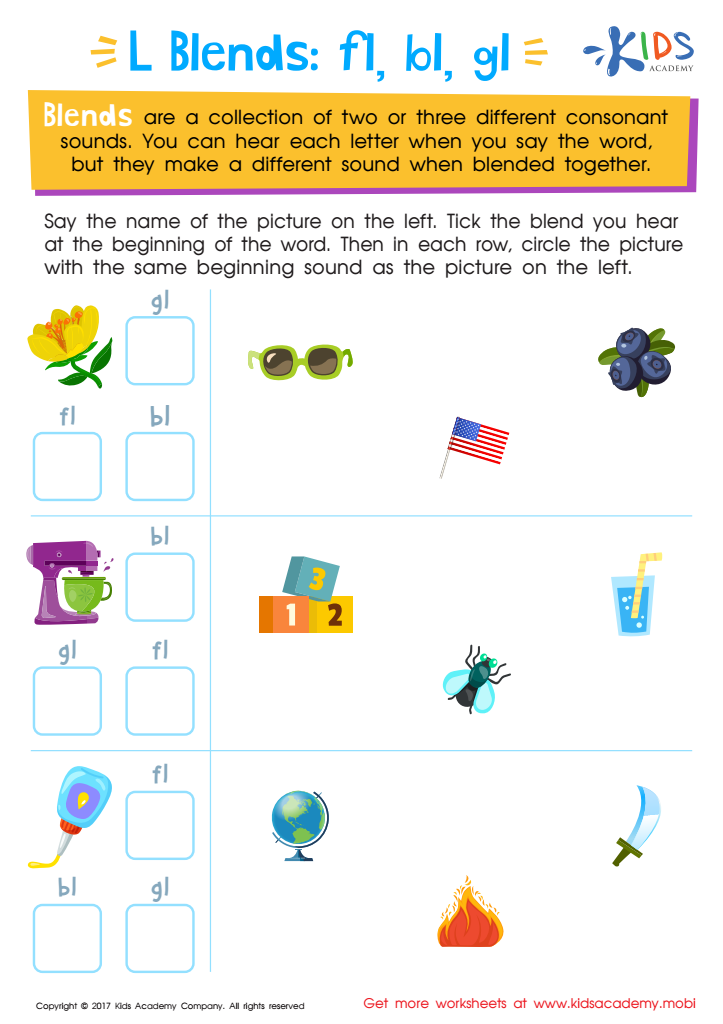
Blending Consonants: "Fl", "Bl" and "Gl" Printable
 Assign to My Students
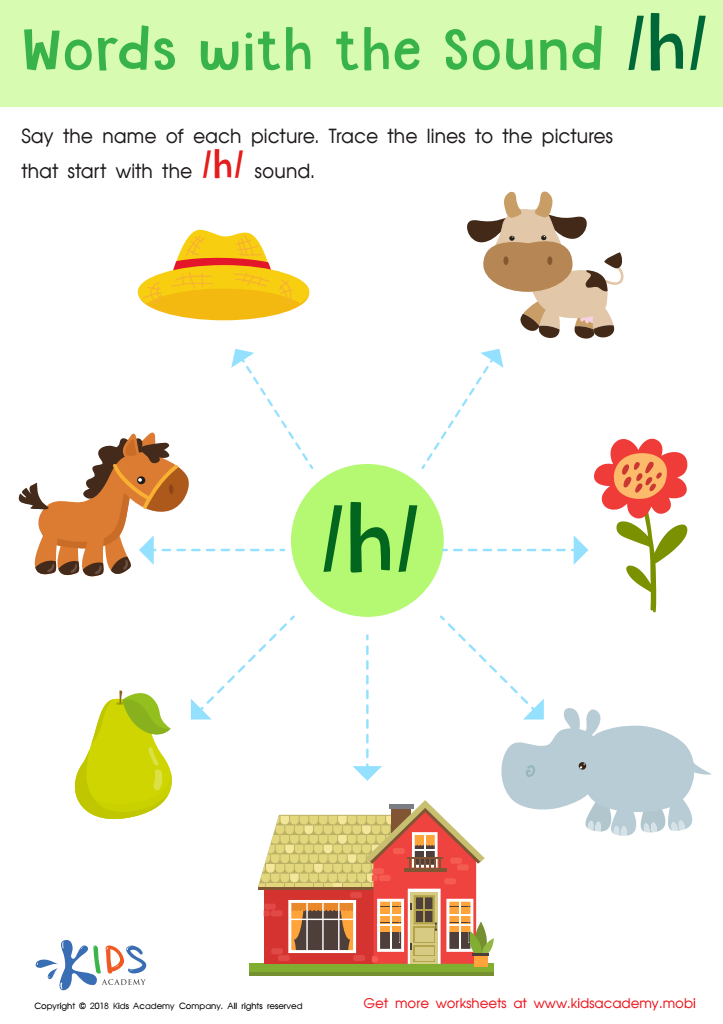
Words with sound h Reading Worksheet
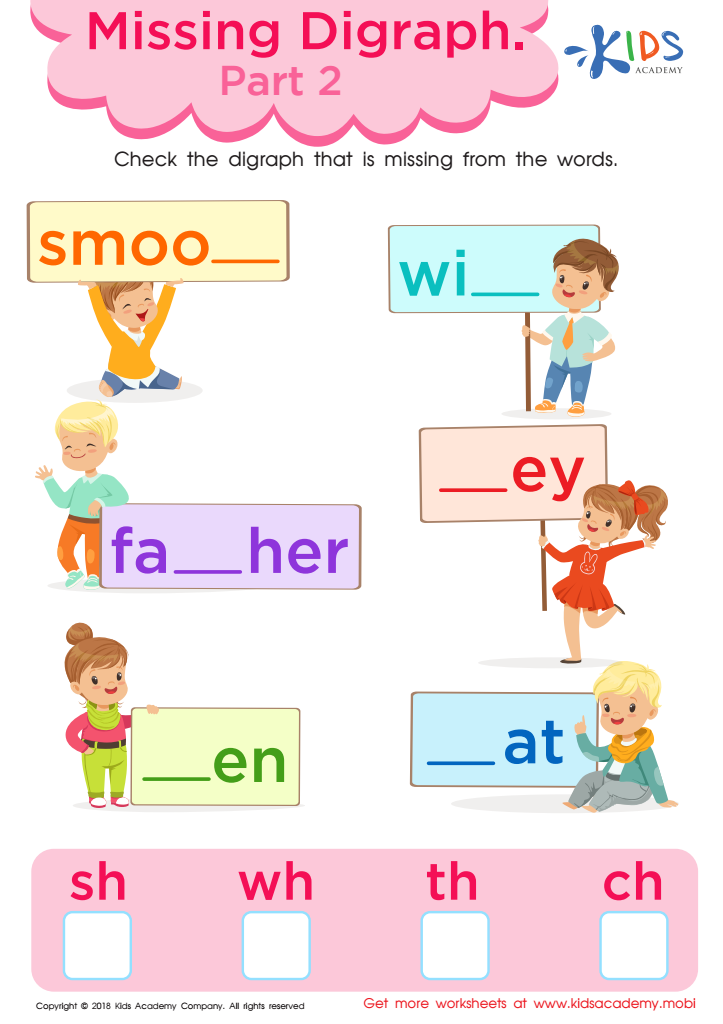
Missing Digraph: Part 2 Worksheet
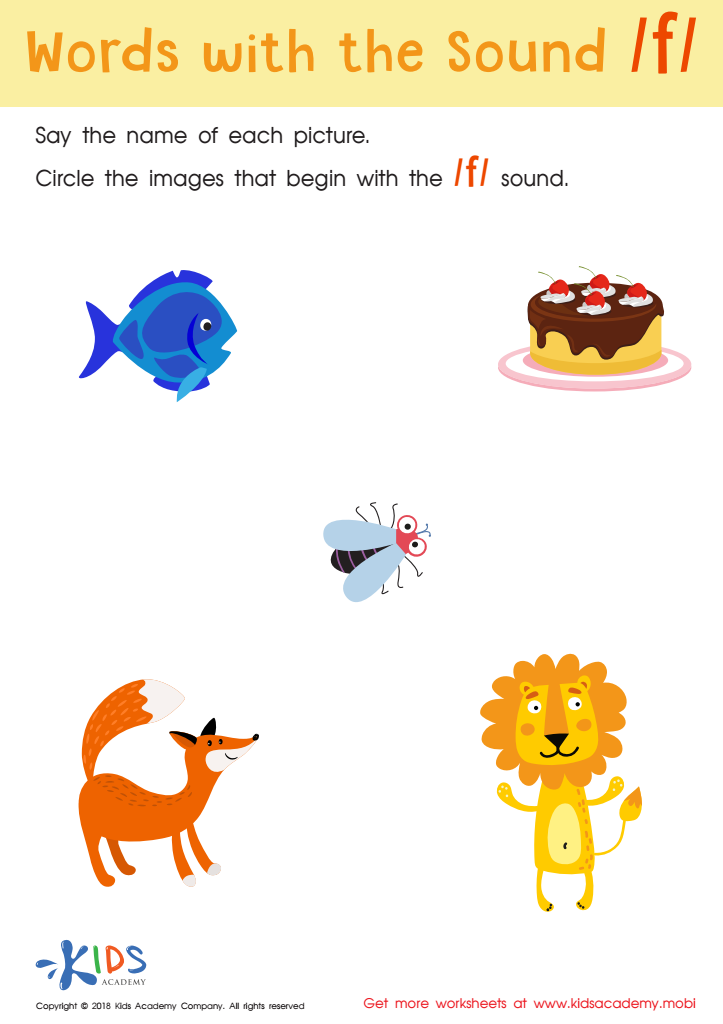
Words with sound f Reading Worksheet
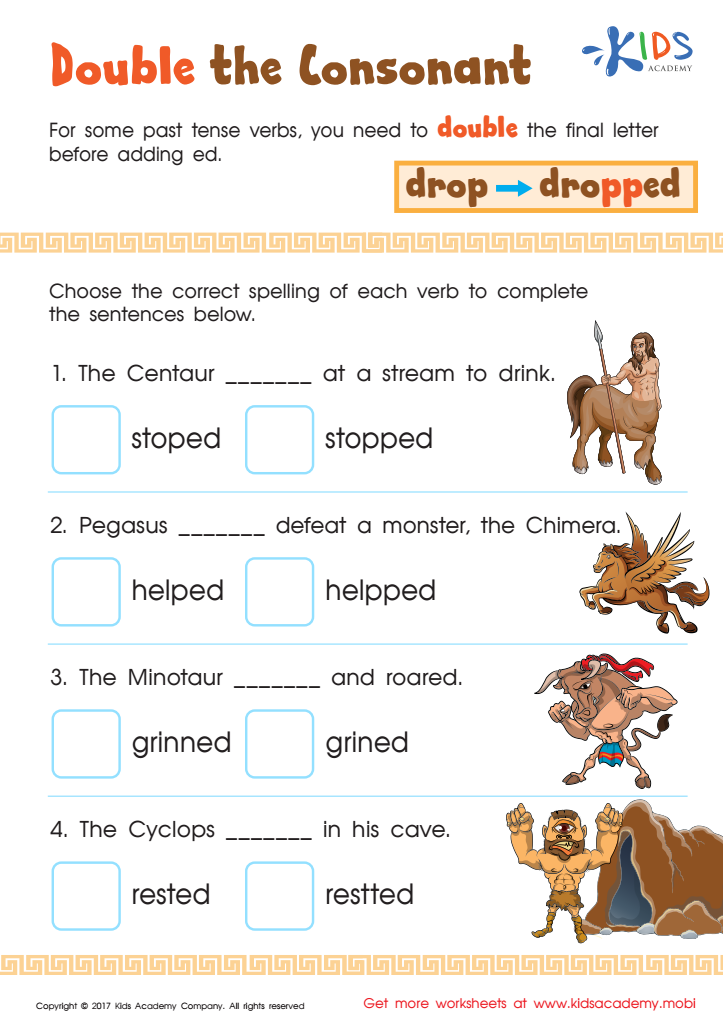
Double Consonant Spelling Worksheet



Vocabulary expansion is a critical aspect of language development for children aged 6-8, particularly through the understanding of normal consonants. At this age, children are rapidly developing their reading and writing skills, and expanding their vocabulary enhances their communication abilities, academic performance, and confidence.
By focusing on normal consonants, teachers and parents can help children recognize letter sounds, leading to improved phonemic awareness and decoding skills. Consonants form the backbone of most words, and an exploration of them can help children make connections between sounds and the words they read, thus fostering literacy.
Moreover, strong vocabulary skills allow children to express themselves more effectively and comprehend broader concepts across subjects, particularly in reading comprehension. A rich vocabulary also enhances social interactions and emotional expression, enabling children to engage more deeply with their peers and teachers.
Ultimately, supporting vocabulary expansion through the understanding of consonants sets the groundwork for lifelong learning. Parents and teachers play a vital role in creating enriching environments that stimulate language growth, allowing children to thrive academically and socially, helping them become more effective communicators in an increasingly complex world.






