Fine Motor Skills Normal Alphabet Worksheets for Ages 6-8 - Page 3
51 filtered results
-
From - To
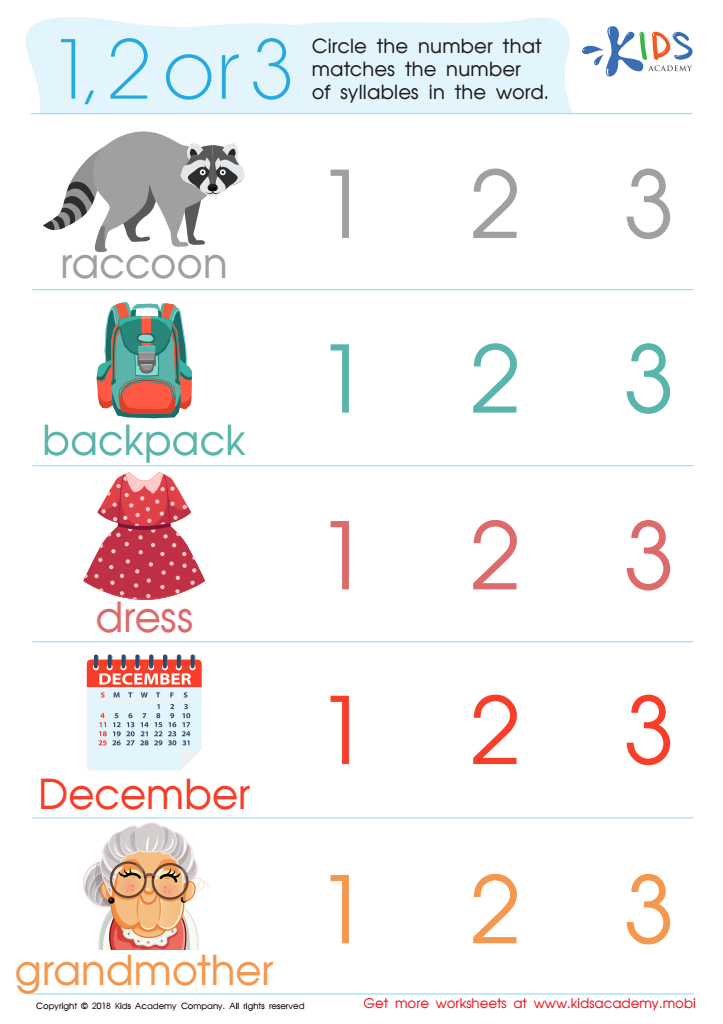
1, 2 or 3? Worksheet
 Assign to My Students

Letter D Tracing Page

Uppercase Letters V, W, and X Worksheet




.jpg)


Fine motor skills are essential for children aged 6-8 as they lead to foundational abilities needed for academic success and daily living. During this stage, children strengthen their dexterity and coordination, which are crucial for tasks like writing, using scissors, and manipulating small objects. Normalizing the alphabet helps children develop their handwriting and recognize letter formation, directly impacting their literacy skills.
Teachers and parents should care about fine motor skill development because strong fine motor abilities enhance a child's confidence and independence. As children master the normal alphabet and fine motor tasks, they are less likely to experience frustration in the classroom, allowing for a more positive learning experience.
Moreover, fine motor skills are linked to cognitive development; activities that promote hand-eye coordination and dexterity can stimulate brain growth and enhance problem-solving skills. This holistic approach supports the child’s comprehensive development, addressing both physical and cognitive aspects.
In summary, fostering fine motor skills alongside alphabet recognition is critical. Consequently, parents and teachers should engage young learners in activities that build these skills, ensuring they thrive academically and socially in the years to come.







