Motor skills development Normal Alphabet Worksheets for Ages 6-8
3 filtered results
-
From - To
Enhance your child's motor skills development with our "Motor Skills Development Alphabet Worksheets for Ages 6-8." These carefully designed worksheets focus on fine motor skills, improving hand-eye coordination, and promoting precise handwriting abilities in young learners. By tracing, writing, and interacting with alphabet activities, children gain essential skills necessary for academic success. Perfect for classroom use or home practice, these worksheets turn learning the alphabet into a fun and engaging experience. Help your child boost their confidence and foundational skills with our expert-crafted motor skills development resources. Explore these printable alphabet worksheets today!

Letter H Tracing Page
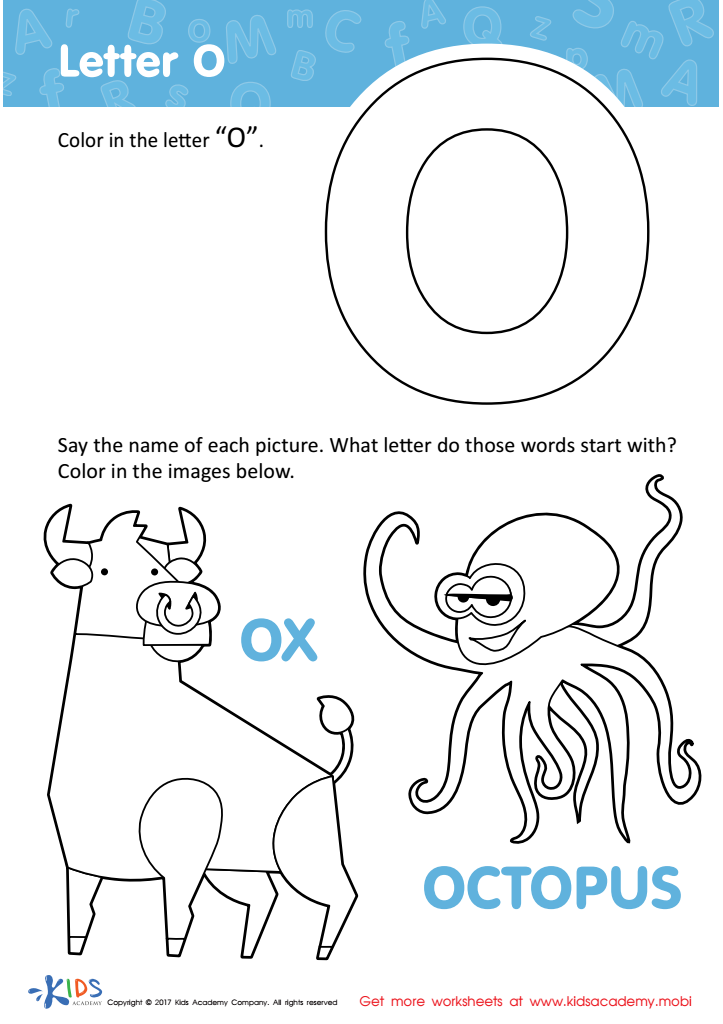
Letter O Coloring Sheet
 Assign to My Students
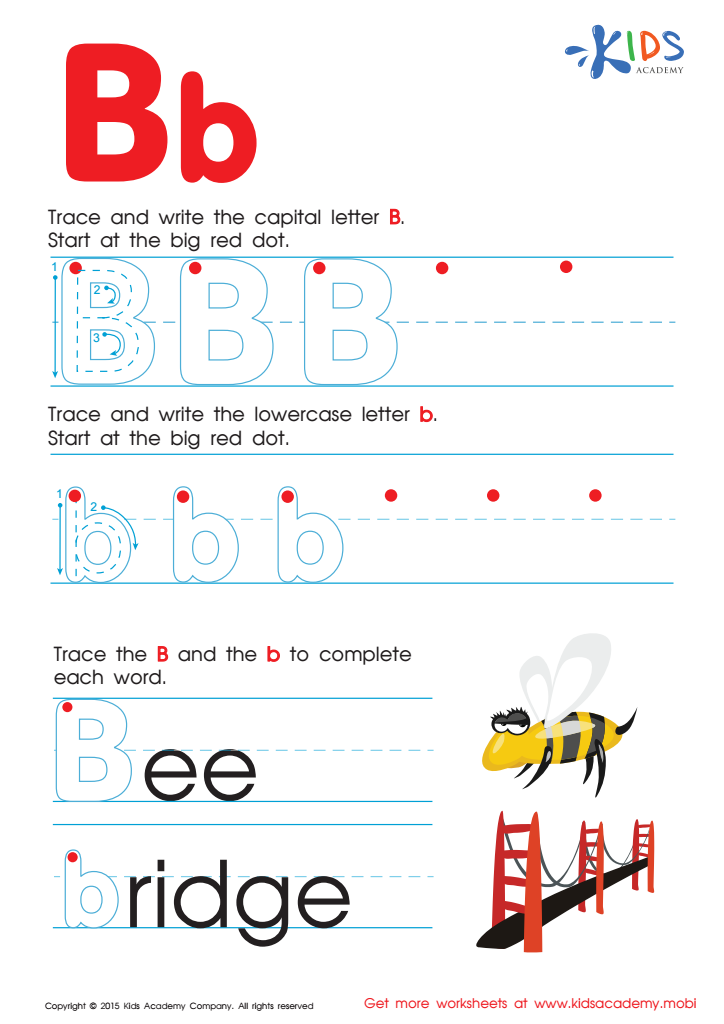
Letter B Tracing Page








Motors skills development, particularly fine motor skills, is essential for children aged 6-8 as it lays the foundation for more complex activities and academic success. At this stage, children are refining their ability to perform tasks such as writing, cutting with scissors, and using tools, all of which are vital for daily life and learning. Teachers and parents should prioritize this development because it directly impacts a child's ability to participate in classroom activities, complete homework, and express themselves creatively.
Fine motor skills contribute to a child’s handwriting, which is critical for academic progression. Proper letter formation and writing fluency enhance a child's ability to complete assignments efficiently and can improve their overall academic confidence. Additionally, activities that cultivate these skills, like drawing, crafting, and playing certain games, also strengthen hand-eye coordination and cognitive development.
Moreover, mastering fine motor tasks increases a child's independence, enhancing self-esteem and reducing frustration. Children who exhibit strong motor skills are more likely to engage in a wider array of activities, both academic and recreational, fostering social skills and peer interactions.
Ultimately, investing in the development of motor skills during these formative years equips children with the tools they need for lifelong learning and everyday success, making it a critical focus for both parents and teachers.







