Reading development Normal Alphabet Worksheets for Ages 6-8
5 filtered results
-
From - To
Enhance your child's reading skills with our specially designed Normal Alphabet Worksheets for Ages 6-8! These engaging worksheets focus on critical reading development, helping young learners recognize letters, understand phonetics, and expand their vocabulary. Each worksheet is crafted to reinforce letter identification and improve phonemic awareness through fun activities that encourage interaction and creativity. Ideal for classroom and home use, our resources foster a positive learning environment, making the process enjoyable. Perfect for early learners, parents, and educators aiming to support reading milestones, these worksheets pave the way for a lifelong love of reading. Start your child's reading journey today!
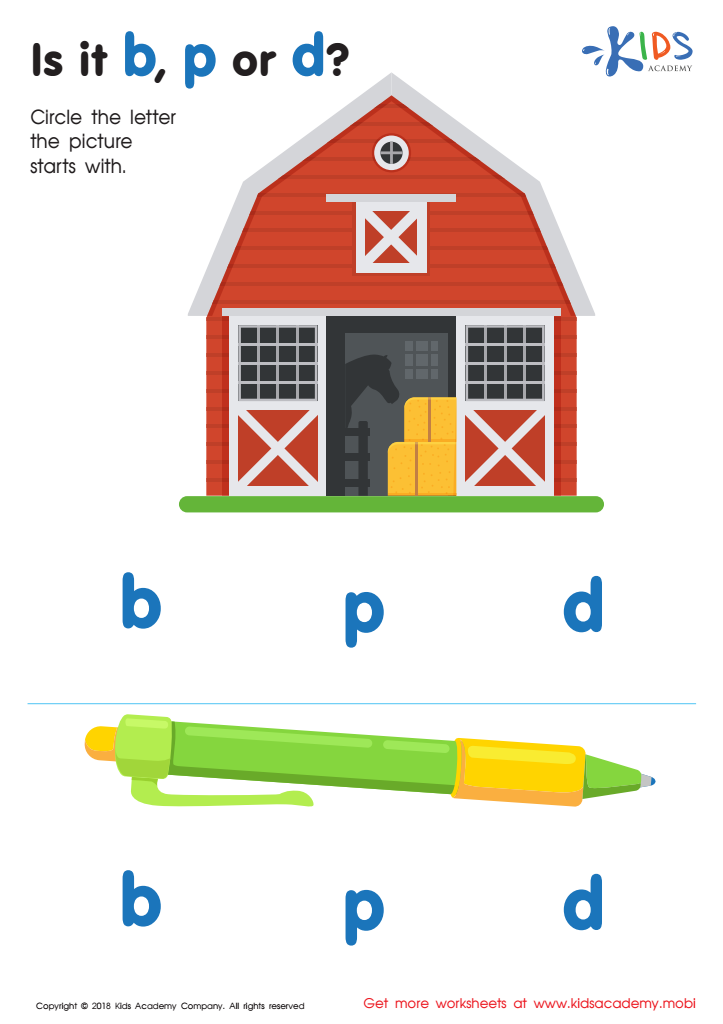
Is it b, p or d? Worksheet
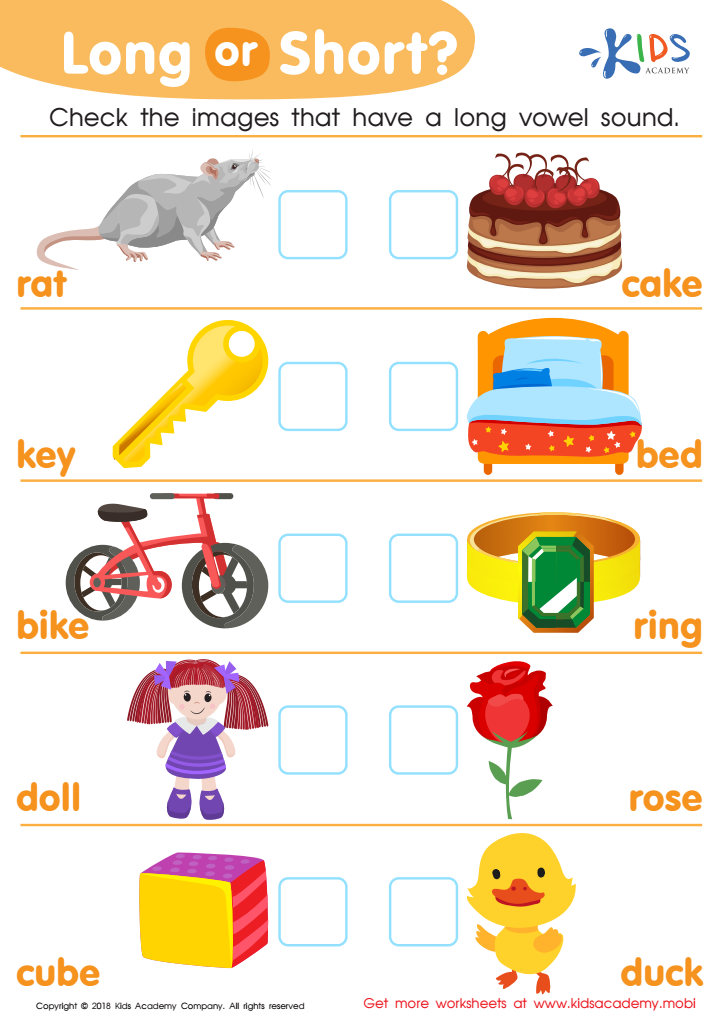
Long or Short Reading Worksheet
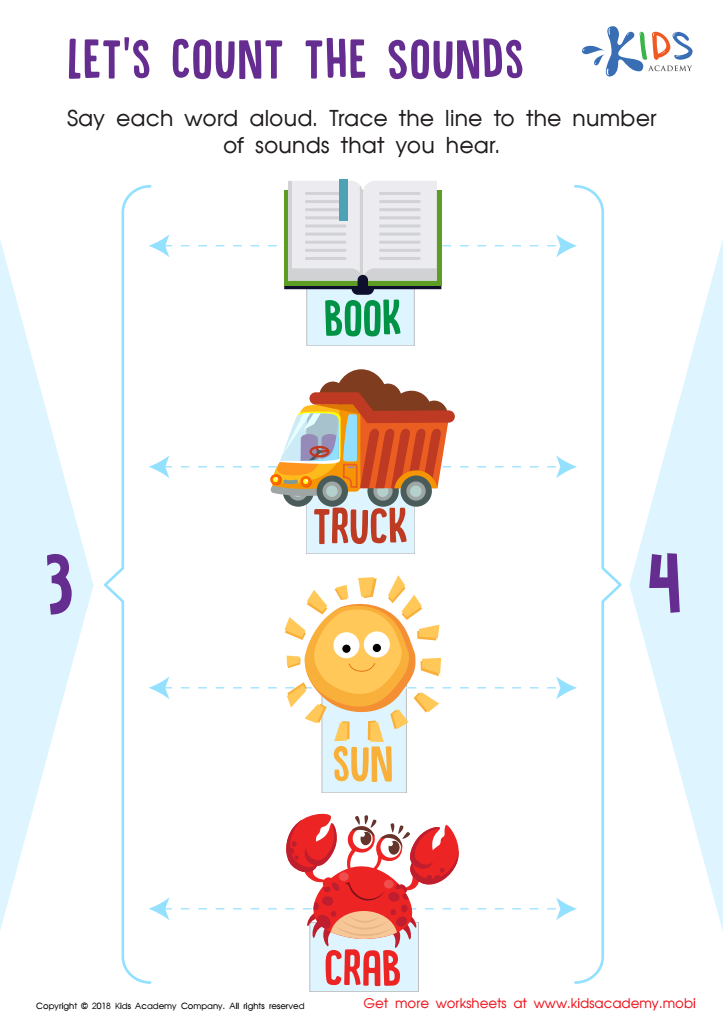
Let's Count the Sounds Worksheet
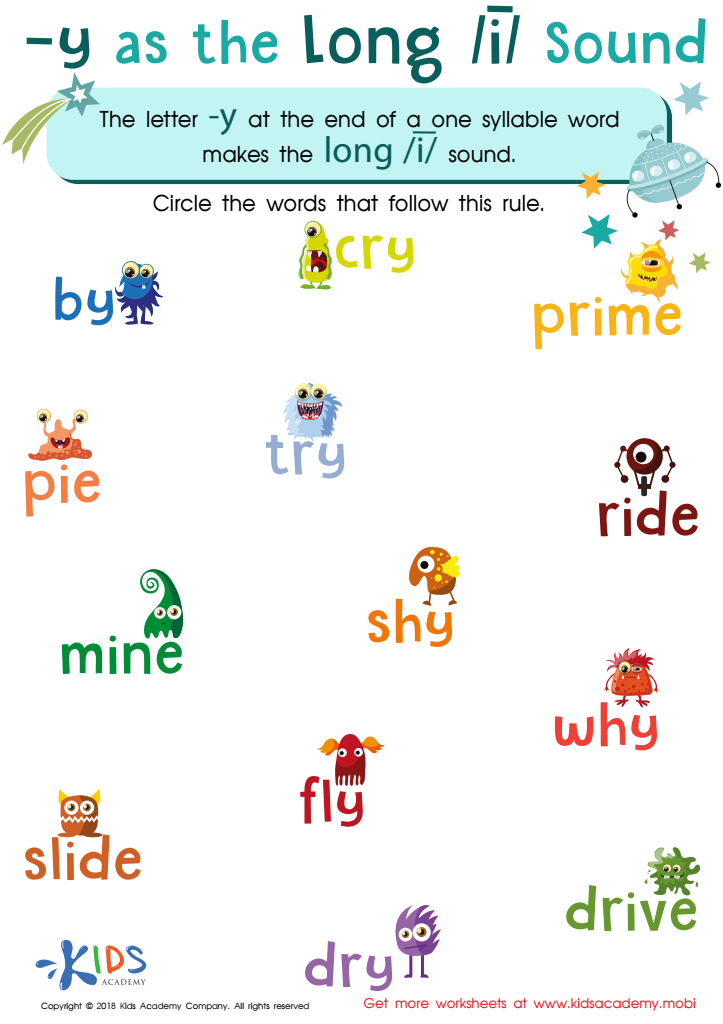
Reading: Y as Long I Worksheet
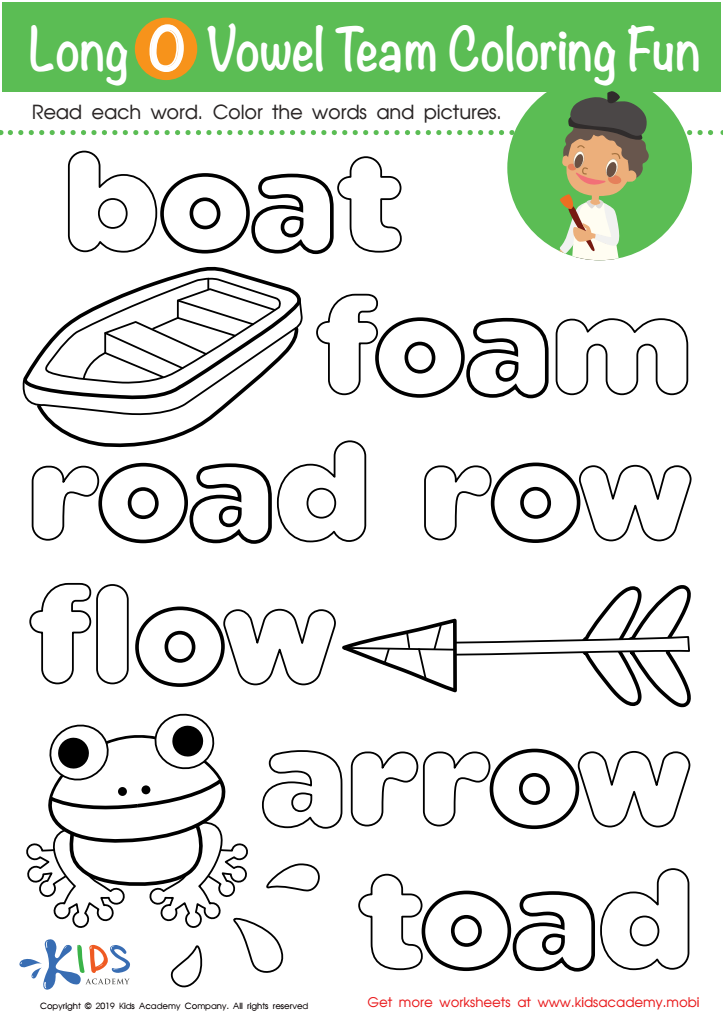
Long O Vowel Team Coloring Worksheet
 Assign to My Students








Reading development is crucial for children aged 6-8, as it lays the foundation for their academic success and overall communication skills. During this age, children transition from learning to read to reading to learn, making it essential for them to grasp the normal alphabet and develop strong literacy skills. Parents and teachers play a vital role in facilitating this process.
A solid understanding of the alphabet allows children to decode words, comprehend texts, and express themselves clearly. It enhances their vocabulary and language development, fostering better critical thinking skills. These early reading experiences also instill a love for reading, encouraging lifelong learning and curiosity.
Moreover, strong reading skills are linked to improved performance in other subjects, as comprehension is key in math, science, and social studies. By focusing on alphabet familiarity, parents and teachers can ensure that children build confidence in their reading abilities.
Supporting reading development through interactive activities, such as reading aloud and phonics games, creates a rich learning environment. In summary, prioritizing reading development in early childhood is essential for equipping children with the necessary skills to thrive academically and personally. Engaged parents and teachers lay the groundwork for a brighter, more literate future.







