Reading skills development Normal Alphabet Worksheets for Ages 6-8
3 filtered results
-
From - To
Our Reading Skills Development Normal Alphabet Worksheets are designed for children ages 6-8. These engaging activities are perfect for enhancing your child's reading abilities, focusing on letter recognition, phonics, and vocabulary development. Each worksheet features captivating exercises that make learning the alphabet fun and interactive, helping young learners solidify fundamental reading skills. Whether complementing classroom activities or serving as supplementary homework, our alphabet worksheets provide a well-rounded approach to building essential literacy skills. With our expertly crafted materials, children can develop confidence and proficiency in reading, laying a strong foundation for future academic success.
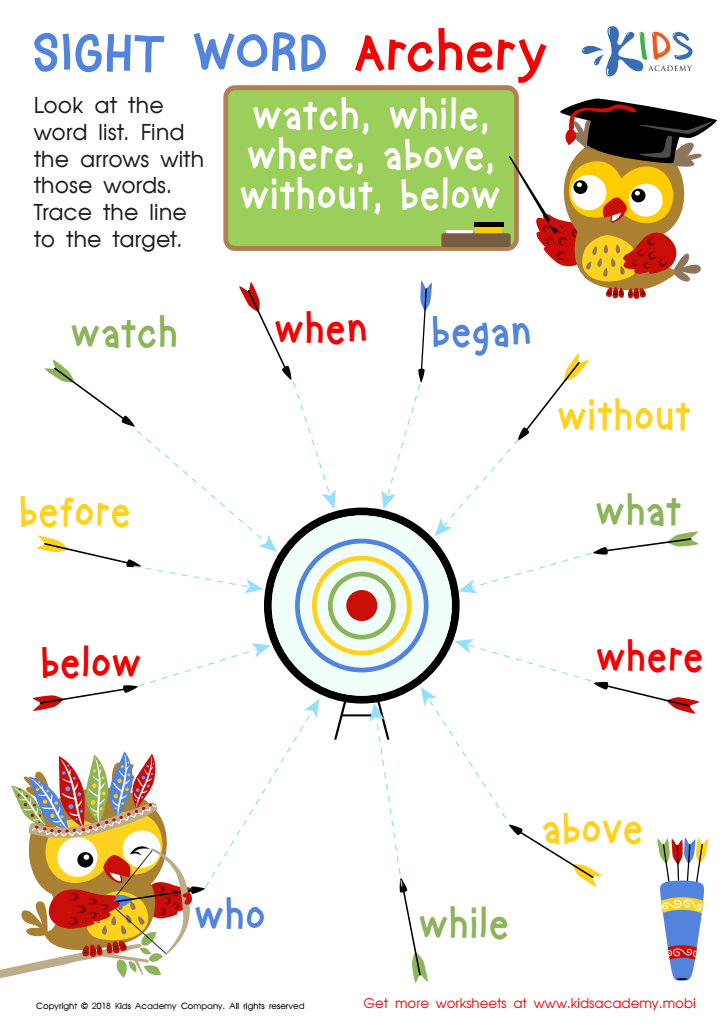
Sight Word Archery Worksheet
 Assign to My Students
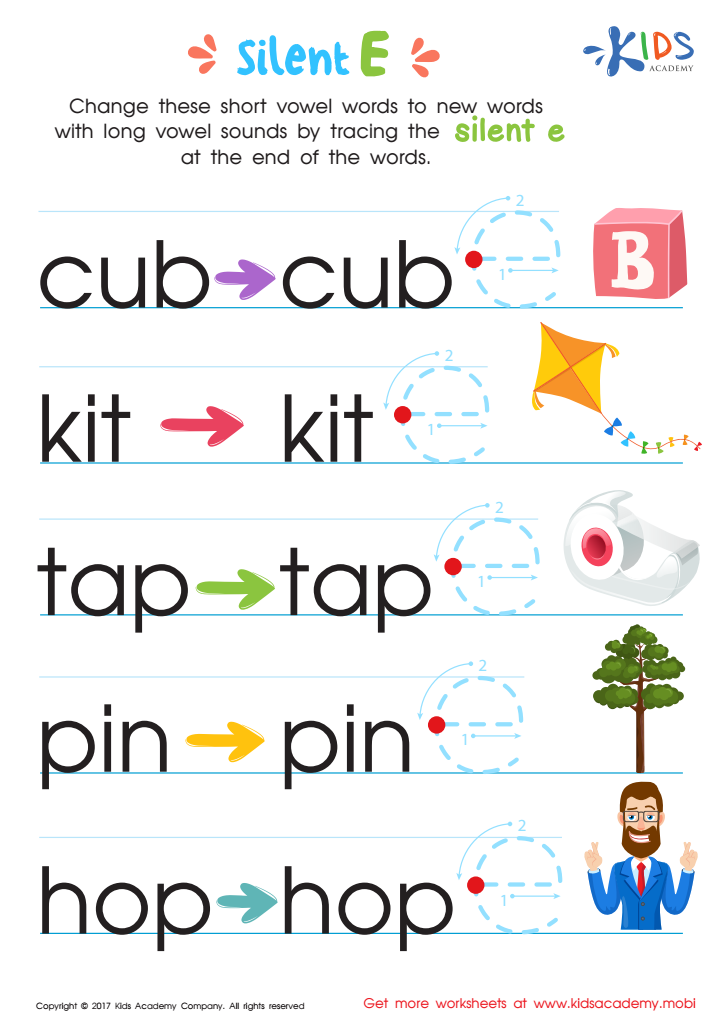
Silent E Words Worksheet
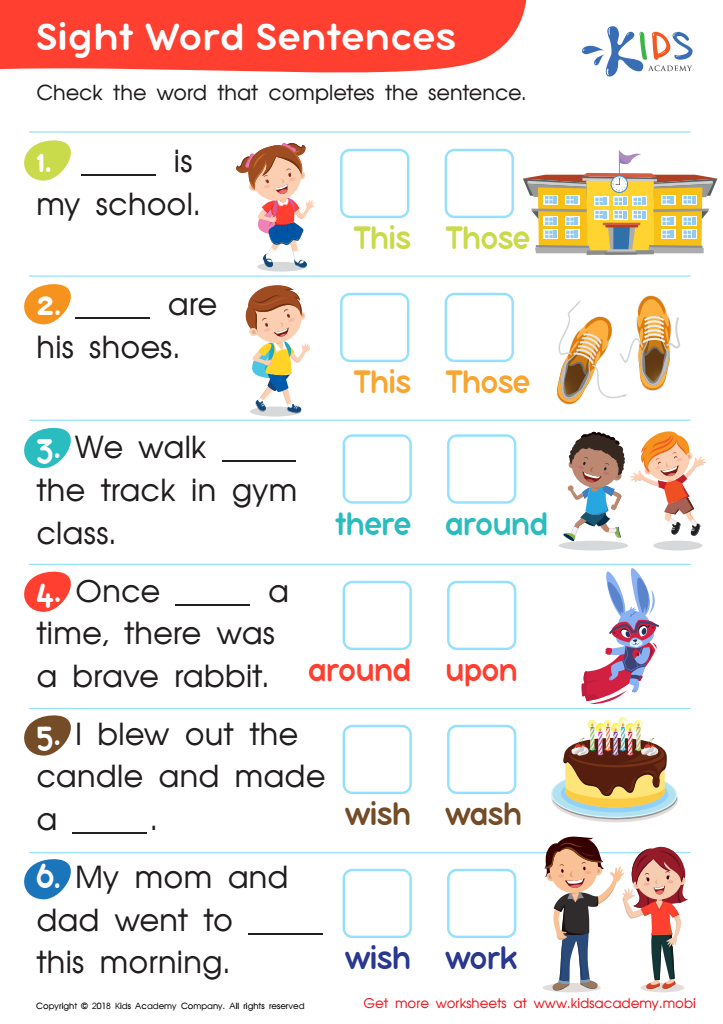
Sight Word Sentences Worksheet







Reading skills development is fundamental for children aged 6-8 as it sets the groundwork for future academic success and lifelong learning. At this pivotal stage, kids are transitioning from 'learning to read' to 'reading to learn.' Acquiring strong reading skills enables them to comprehend new information across all subjects, fostering a deeper understanding and curiosity about the world around them.
Proficient reading boosts a child’s vocabulary, phonics, and comprehension, which are essential for effective communication. It also enhances cognitive skills such as critical thinking, problem-solving, and focused attention. These skills are crucial not only for academic achievement but also for personal growth and social interactions.
Early reading proficiency helps identify learning difficulties such as dyslexia, allowing for timely intervention and support. With encouragement from teachers and parents, children can develop a love for reading that lasts a lifetime. Motivated readers are more likely to engage in independent learning, take on academic challenges, and perform better academically.
Moreover, reading together serves as a bonding activity, fostering emotional connections and opening up discussions about values, ethics, and emotions. Overall, investing attention and resources in developing reading skills among 6-8-year-olds lays a solid foundation for their overall development and future achievements.







