
Reading skills improvement Normal Alphabet Worksheets for Ages 6-8
8 filtered results
Difficulty Level
Grade
Age
-
From - To
Subject
Activity
Standards
Unlock your child’s reading potential with our engaging Normal Alphabet Worksheets designed for ages 6-8. These meticulously crafted sheets focus on enhancing comprehension and fluency by reinforcing letter recognition, phonics, and word formation. Each worksheet blends fun activities with educational concepts, making learning enjoyable and effective. Perfect for both classroom and home settings, our resources aim to boost your child's confidence and enthusiasm in reading. Foster a lifelong love of reading and build a strong foundation for future academic success with our expertly designed materials. Dive into a world of letters and words that ignites imagination and curiosity.
Favorites
With answer key
Interactive
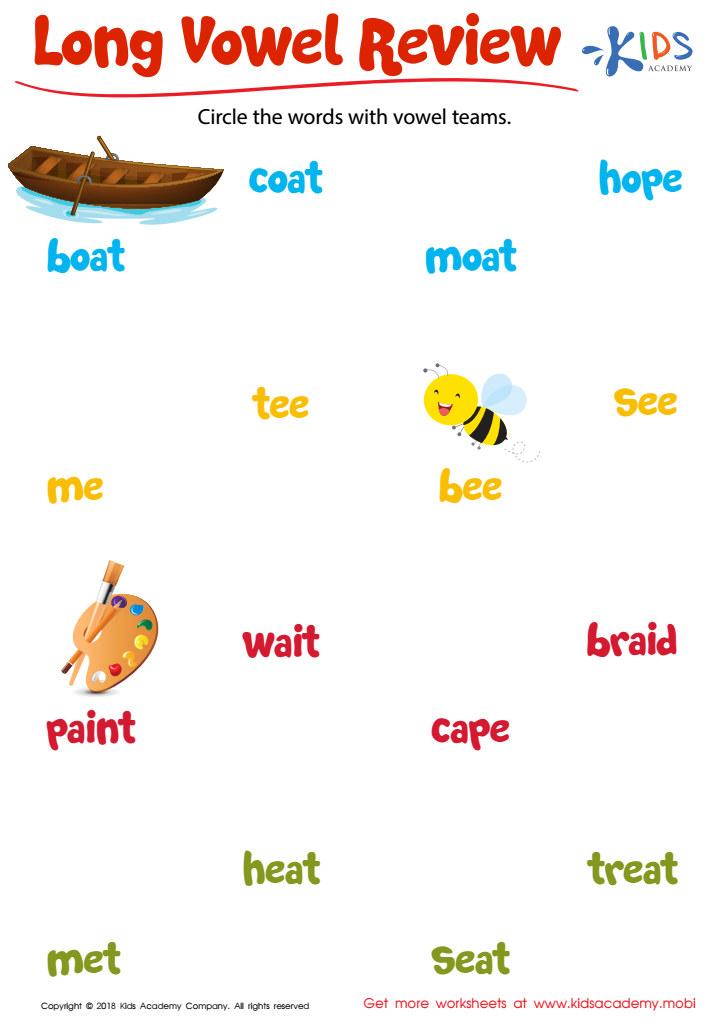
Long Vowel Review Worksheet
Vowel teams like "ea" and "ai" help us make words, and understanding these patterns aids emerging readers in becoming more fluent. This review worksheet has students finding words with vowel teams that make the long vowel sound, and helps them recognize high-frequency words.
 Assign to My Students
Long Vowel Review Worksheet
Worksheet
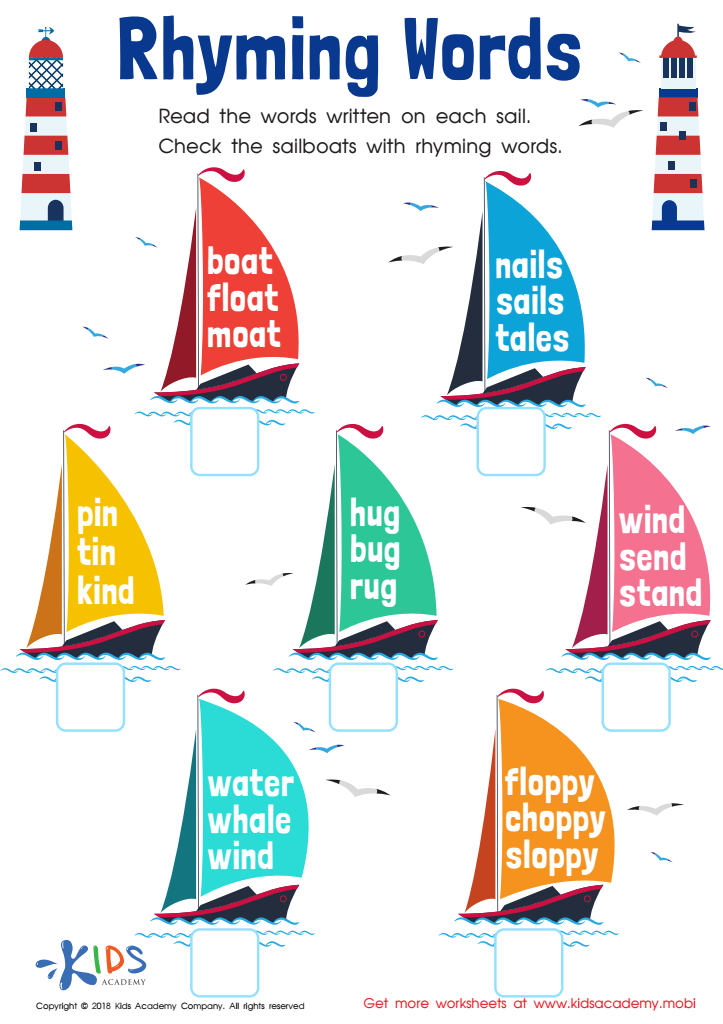
Rhyming Words Worksheet
Does your child know about rhyming words? Get them interested in poetry and explain that these words have similar sounds when pronounced. Read the words on each sailboat to your child and ask them to identify the rhyming pairs. Guide them to check the sailboats.
Rhyming Words Worksheet
Worksheet
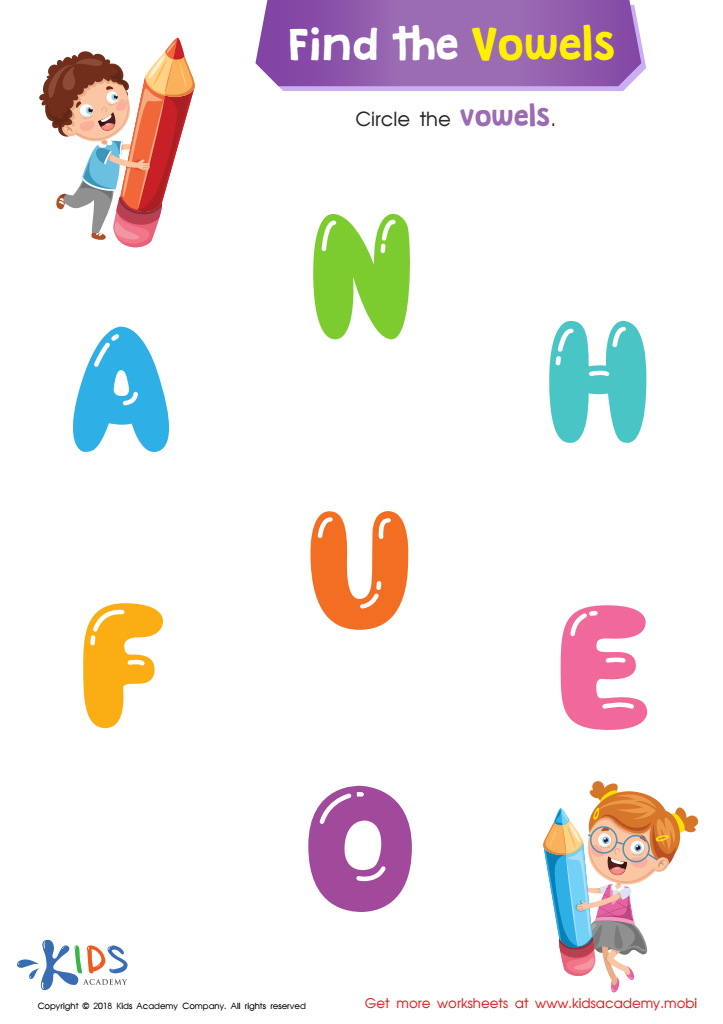
Find the Vowels Reading Worksheet
This worksheet helps kids identify vowels with bright colors and engaging activities to strengthen their visual discrimination and fine motor skills. Young learners will find it easy to succeed and be excited to keep reading!
Find the Vowels Reading Worksheet
Worksheet
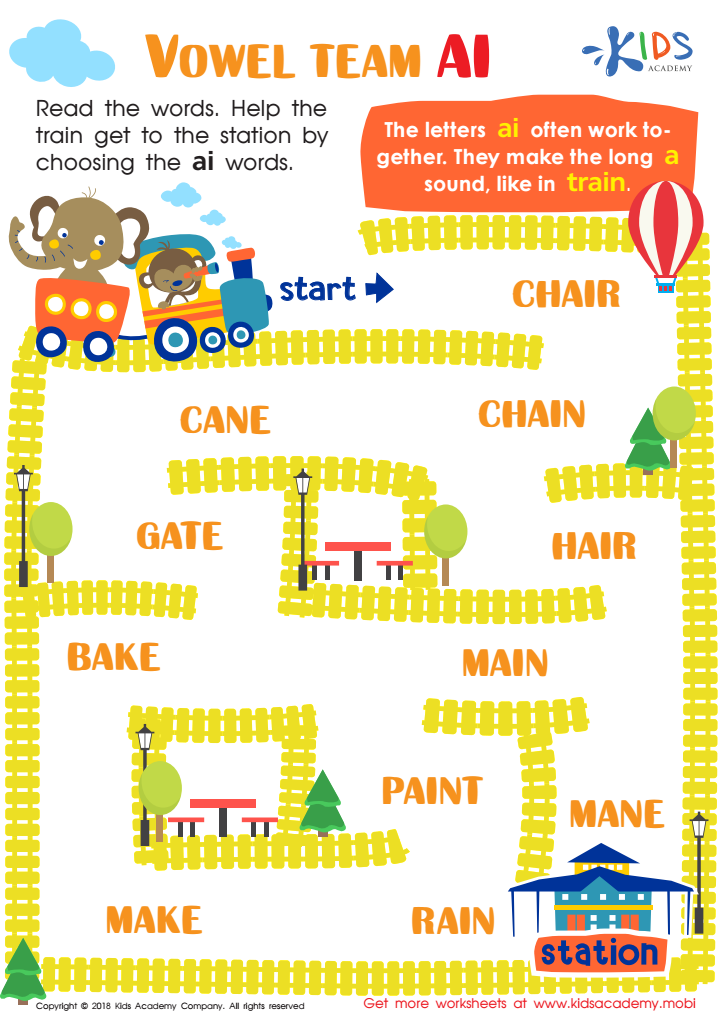
Vowel team ai Worksheet
Kids will have a blast learning about the -ai digraph with this fun worksheet. They'll read words with it and practice their motor skills as they help the animal duo get back to the train station. With success, they'll smile and enjoy the activity!
Vowel team ai Worksheet
Worksheet
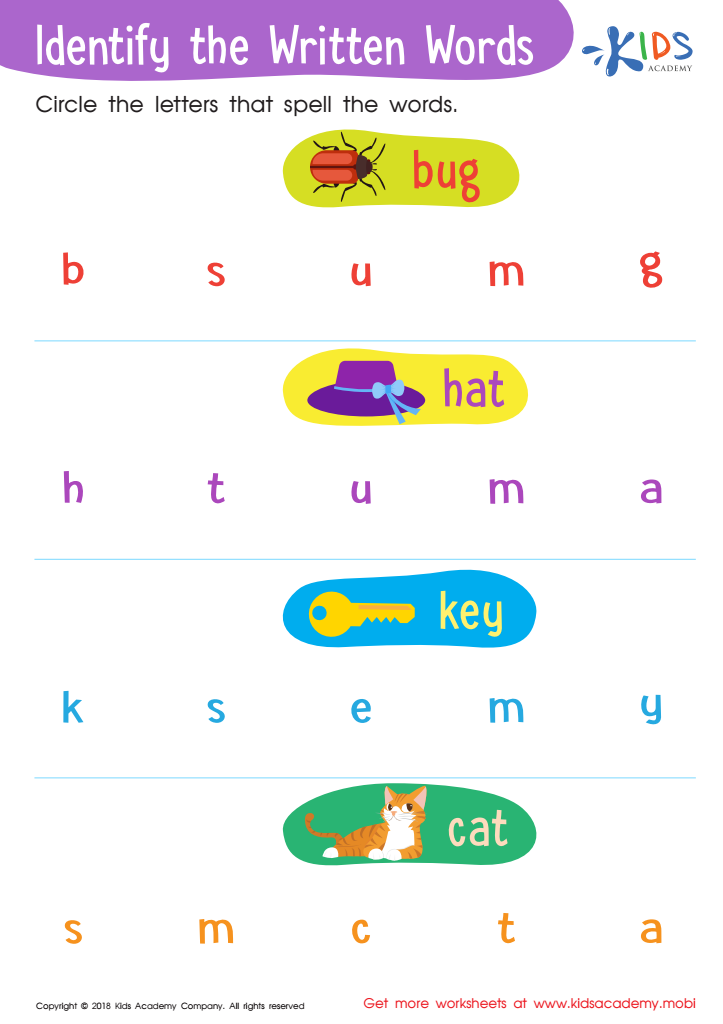
Identify the Written Words Worksheet
Have your students identify the objects on the printout, then spell the words. If they already know how to spell, this exercise should be easy. Help them circle the correct letters from the set to spell out the words. This is a great way to reinforce reading and spelling skills. Max 80 words.
Identify the Written Words Worksheet
Worksheet
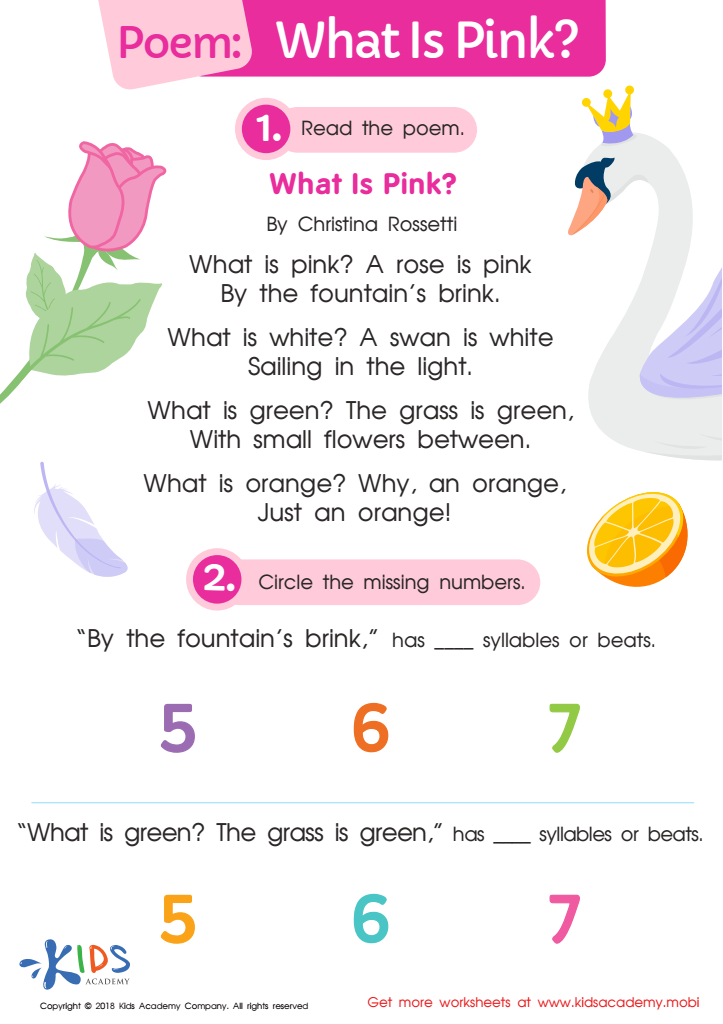
Poem: What Is Pink? Worksheet
Help your kids learn with short, fun, interesting poems! Read it aloud to them and point out the rhyme patterns. Have them circle the missing numbers to answer two questions. Show examples of objects with the colors in the poem. This will help them learn to read, and also understand colors better.
Poem: What Is Pink? Worksheet
Worksheet
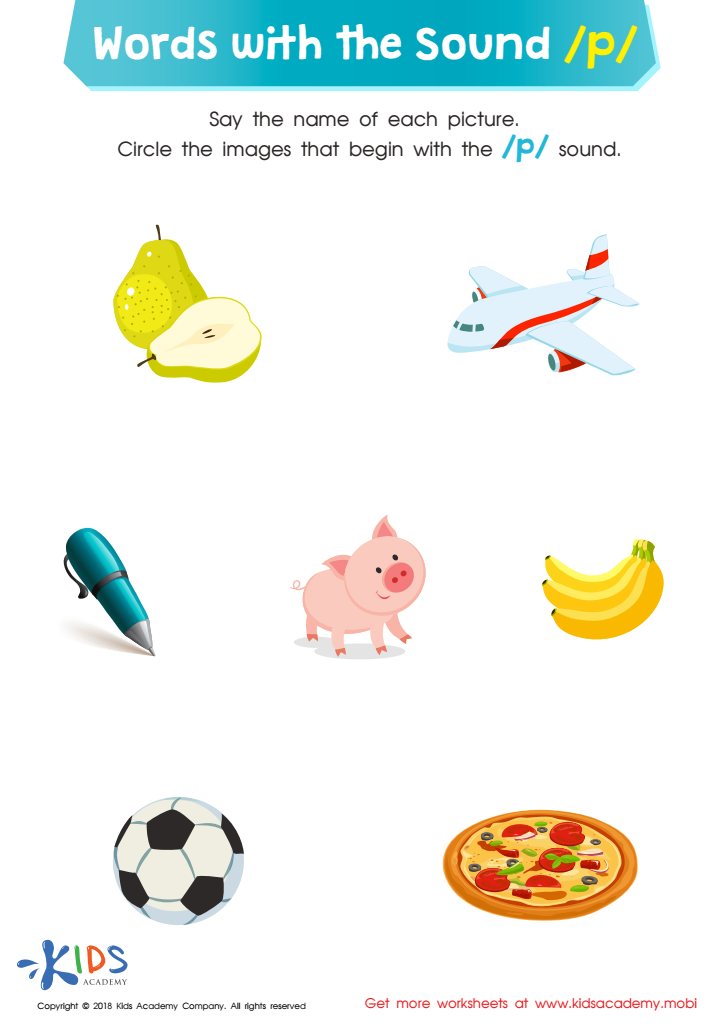
Words with sound p Reading Worksheet
Working on this fun worksheet? Name each picture aloud and listen carefully before circling those that start with the letter «p»! Pizza, pig, plane, or banana - practice phonics to help your child recognize the letter «p» sound for successful early reading and decoding!
Words with sound p Reading Worksheet
Worksheet
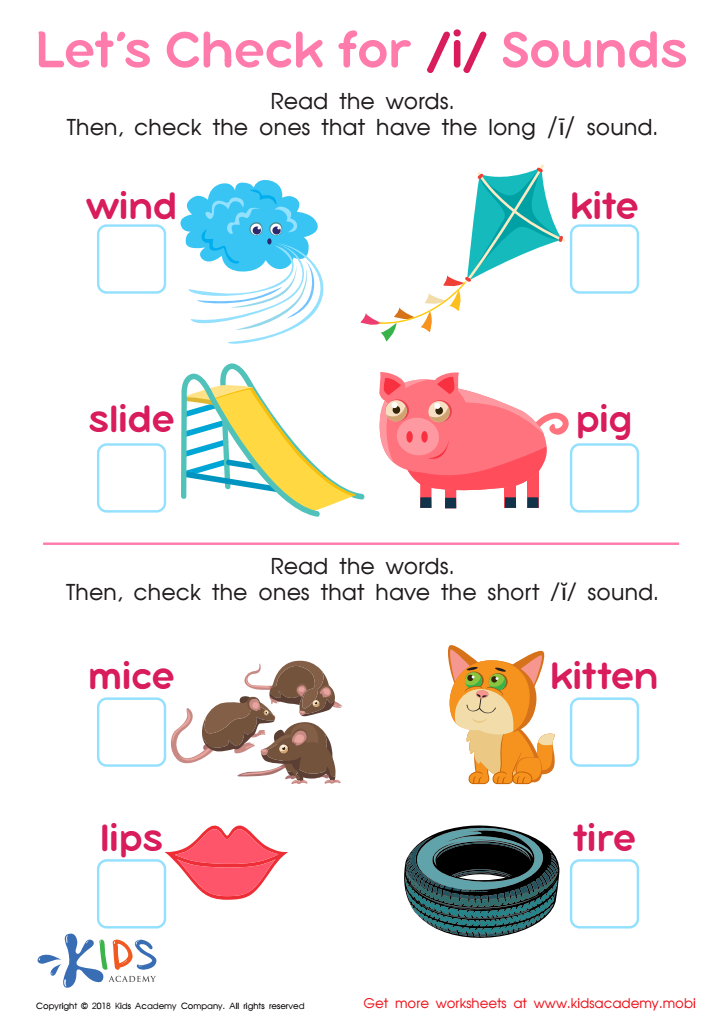
Let's Check for «i» Sounds Worksheet
This fun worksheet with pictures boosts phonics skills - differentiating between long «ī» and short «i» sounds in 1- and 2-syllable words. Kids use picture clues to read words, then check off the correct ones. It's a great way for new readers to practice early reading skills and find success on their own.
Let's Check for «i» Sounds Worksheet
Worksheet
Join Kids Academy for Free
Who is primarily going to use this learning content?







.jpg)
Reading skills form the foundation for a child's academic achievements and lifelong learning, making them crucial for ages 6-8. At this stage, children's brains are developing rapidly, and their ability to decode text and comprehend stories can significantly influence their success in other subjects. Firstly, reading aids language acquisition by expanding vocabulary, enhancing comprehension, and promoting clear articulation. These skills are essential for effective communication, both in writing and speaking.
Additionally, reading enhances cognitive abilities such as critical thinking, concentration, and memory. When children engage with texts, they learn to analyze information, make connections, and draw inferences, which are valuable skills across all areas of learning.
For parents and teachers, focusing on reading skills can also cultivate a love for reading that extends beyond the classroom, encouraging lifelong learning and curiosity. By promoting a positive reading environment at home and in school, you're likely to instill a sense of enjoyment rather than seeing it as a chore.
Moreover, early reading skills are strongly correlated with better academic outcomes. Children who read proficiently by third grade are more likely to succeed academically and have higher self-esteem. Thus, prioritizing reading improvement for ages 6-8 essentially sets the stage for future success.







