Problem-Solving Skills Normal Letter Recognition Worksheets for Ages 6-8
3 filtered results
-
From - To
Enhance your child's early literacy journey with our Problem-Solving Skills Normal Letter Recognition Worksheets for Ages 6-8. Designed to engage young minds, these worksheets seamlessly blend fun with educational activities, fostering both letter recognition and critical thinking. Each worksheet is crafted to challenge and captivate children, aiding in the development of essential problem-solving skills while reinforcing alphabet knowledge. Perfect for home or classroom use, these resources encourage learning through playful tasks, promoting confidence and academic growth. Give your child the tools they need to succeed with our expertly created, age-appropriate worksheets that make learning enjoyable and effective.
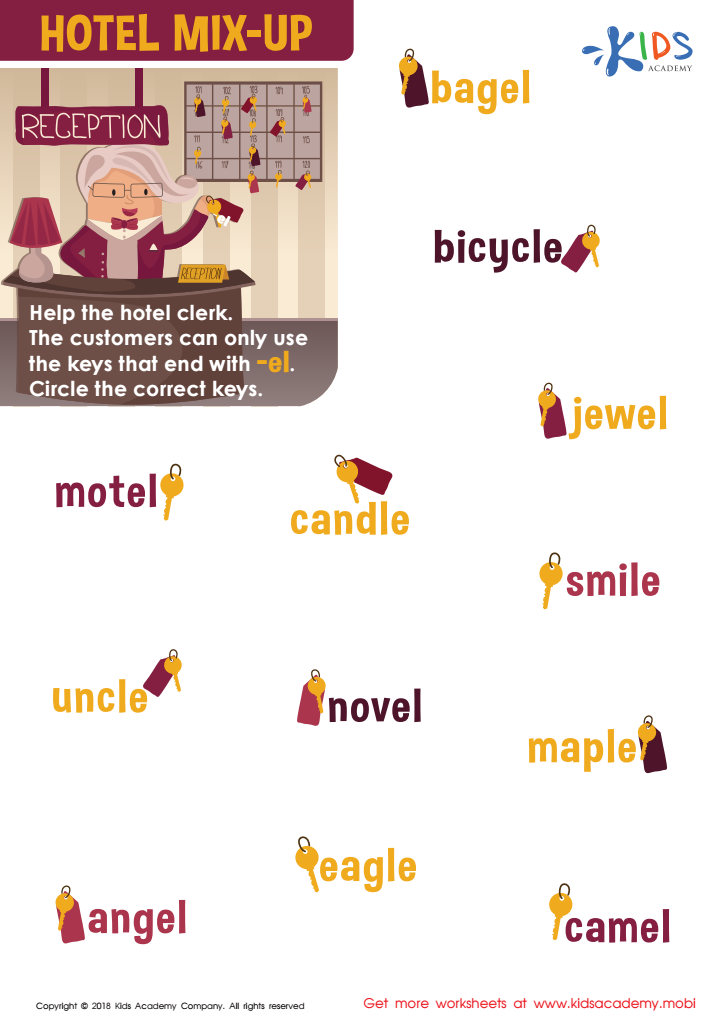
Hotel Mix-up Worksheet
 Assign to My Students
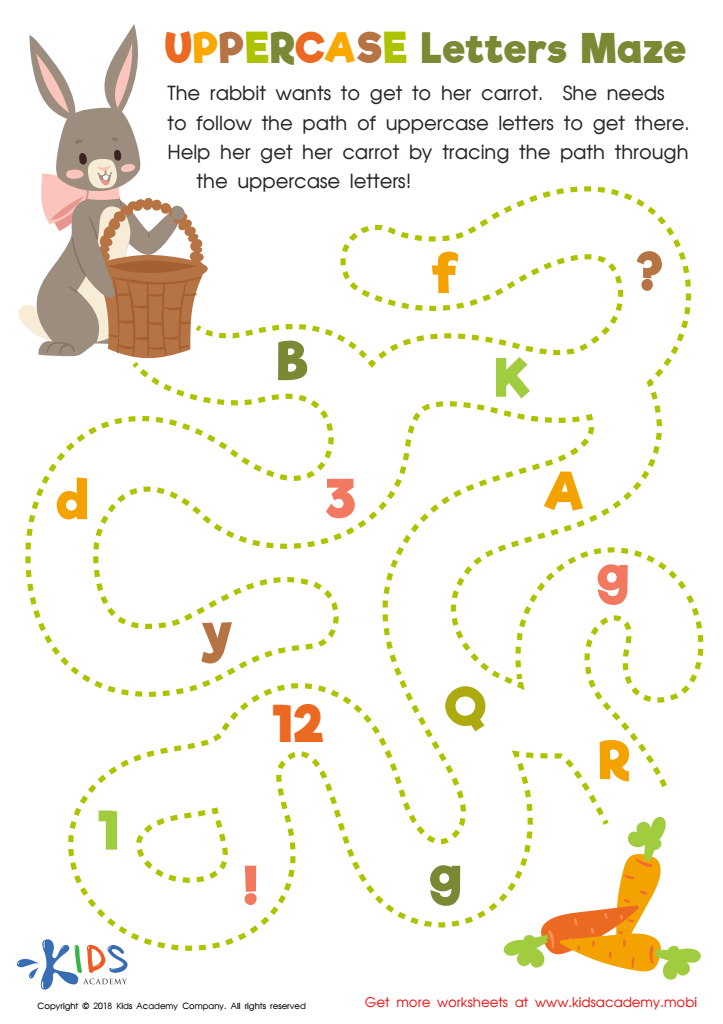
Uppercase Letters Maze Worksheet
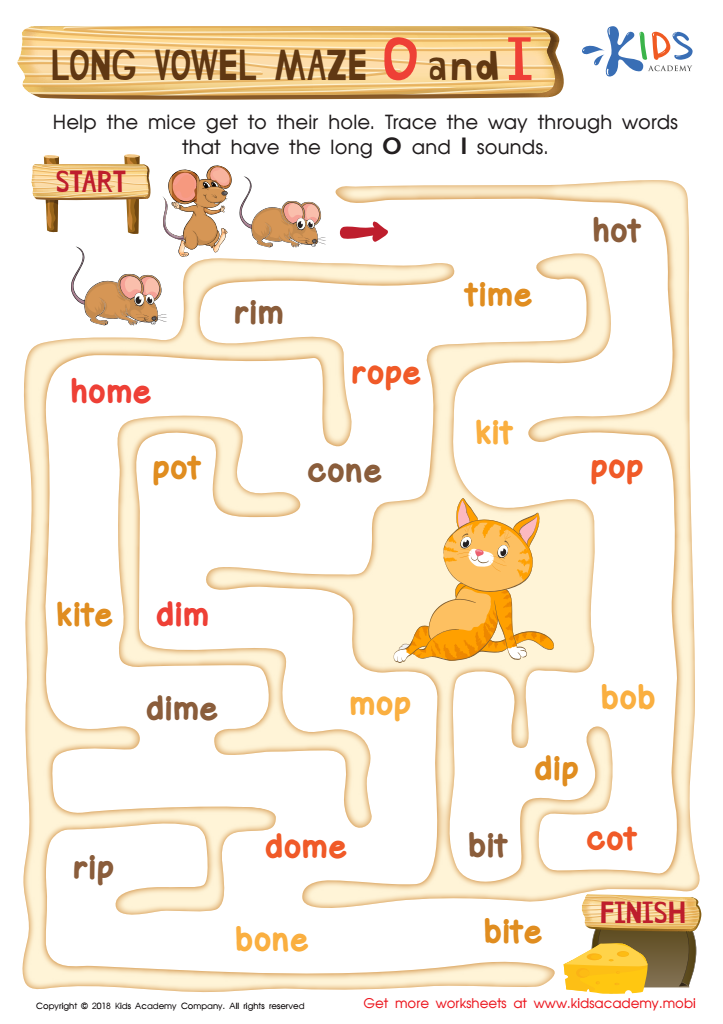
Long Vowel Maze /o/ and /i/ Worksheet








Problem-solving skills and normal letter recognition are crucial components of a child's early education, particularly between the ages of 6-8. These skills not only form the foundation for academic success but also prepare children for real-life situations.
Parents and teachers should care about problem-solving skills because they encourage critical thinking, creativity, and independence. Children who master these skills are better equipped to tackle challenges in various subjects, including math and science. Additionally, problem-solving skills contribute to emotional resilience, enabling children to navigate social interactions and cope with frustrations more effectively.
Normal letter recognition is equally vital as it directly impacts literacy development. By ages 6-8, children transition from recognizing basic letters to understanding more complex words and sentences. Mastery at this stage enhances reading fluency, comprehension, and writing abilities. As students grow older, strong literacy skills become indispensable across all academic disciplines and are integral to lifelong learning and communication.
In summary, by fostering problem-solving skills and ensuring normal letter recognition, parents and teachers will significantly contribute to a child’s overall cognitive development and lay a robust groundwork for future educational endeavors. Investing time and resources in these areas ensures children have the tools they need to thrive both academically and socially.








