Hand-eye Coordination Normal Long Vowels Worksheets for Ages 6-8
3 filtered results
Difficulty Level
Grade
Age
-
From - To
Subject
Activity
Standards
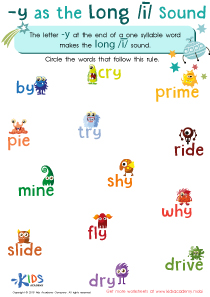
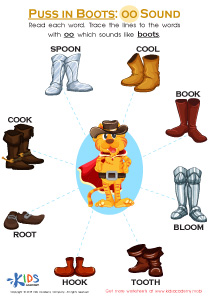
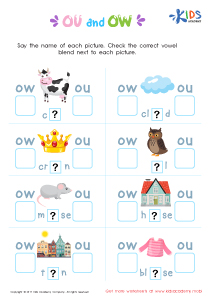
Enhance your child's learning experience with our Hand-eye Coordination Normal Long Vowels Worksheets, designed specifically for ages 6-8! These engaging worksheets combine fun activities that promote hand-eye coordination while reinforcing long vowel sounds. Perfect for young learners, the activities provide a dynamic way to master phonics through movement and precision. Each worksheet features bright illustrations and interactive exercises that keep children focused and excited about their education. Improve fine motor skills and vocabulary simultaneously! Ideal for homeschooling, classroom activities, or summer enrichment, these worksheets make learning long vowels an enjoyable adventure. Explore our collection today and watch your child thrive!
Favorites
With answer key
Interactive
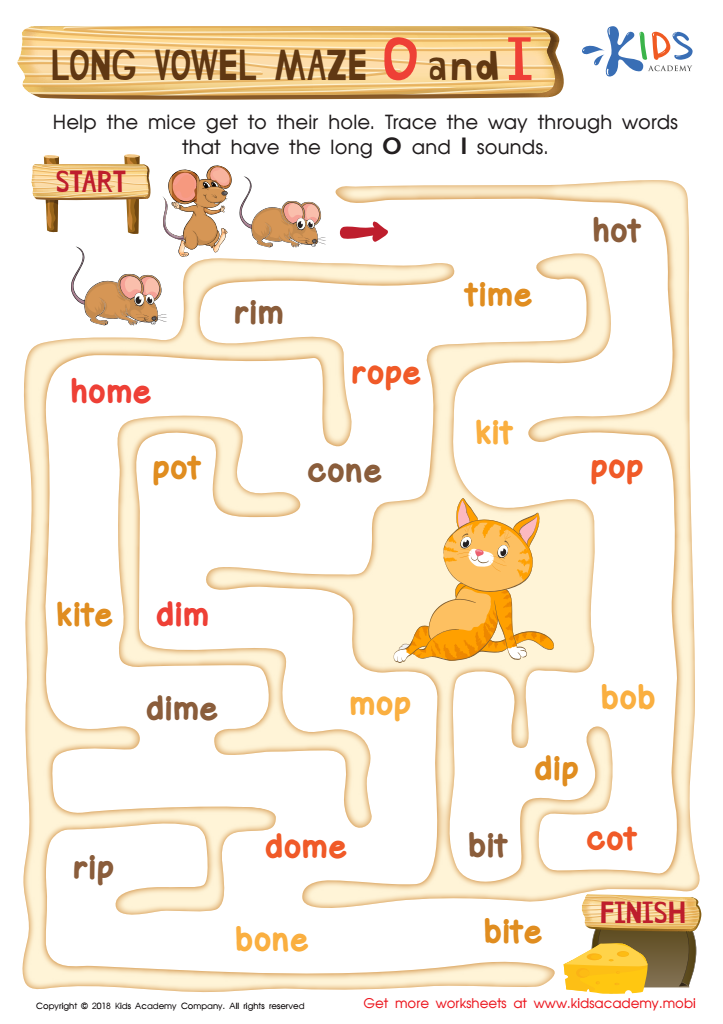
Long Vowel Maze /o/ and /i/ Worksheet
Help your new readers have fun and build their sight word vocabulary! Guide the mice to their prize cheese by having them trace the route on the worksheet, using words with the long o and long i sounds. But watch out for the kitty!
Long Vowel Maze /o/ and /i/ Worksheet
Worksheet
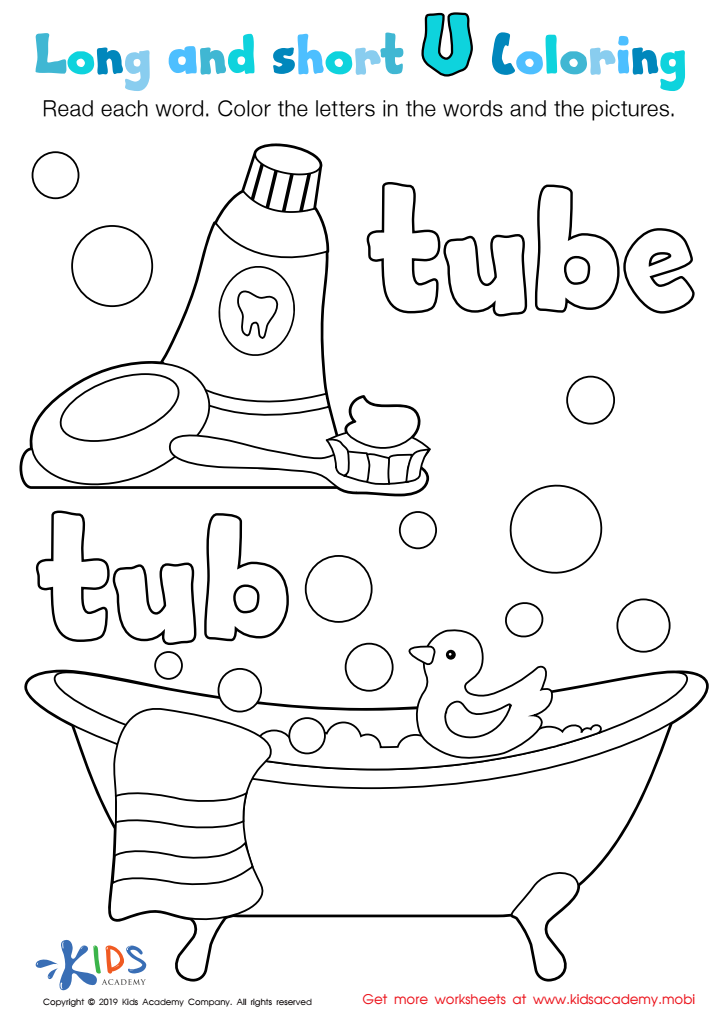
Long and Short U Worksheet
Revised: Spice up your lesson on long and short vowels with this fun printout! Kids read the words "tube" and "tub," then reinforce the sound by coloring in the words and pictures. It's a great way to make phonics class enjoyable!
Download (PDF)
 Assign to My Students
Assign to My Students
Long and Short U Worksheet
Worksheet

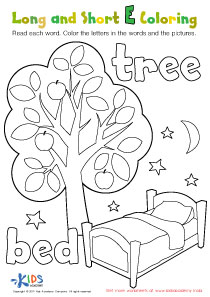
Long and Short E Worksheet
This fun printout makes learning phonics enjoyable for Grade 3 students. Get them to read the words “tree” and “bed” to recognize the different sounds of the letter “E”. After hearing the words they can color the words and the pictures to understand differences between long and short vowels.
Download (PDF)
Assign to My Students
Assign to My Students
Long and Short E Worksheet
Worksheet
Join Kids Academy for Free
Who is primarily going to use this learning content?



Hand-eye coordination and understanding long vowels are both crucial developmental milestones for children ages 6-8, and parents and teachers should prioritize these skills simultaneously. Hand-eye coordination is essential for various everyday activities, such as writing, drawing, and playing sports. Developing this skill not only aids in fine motor control but also enhances a child’s ability to engage in interactive learning experiences and boosts their self-esteem as they master new physical tasks.
On the other hand, mastering normal long vowel sounds allows children to become competent readers and writers. Recognizing and pronouncing long vowels correctly forms the foundation for phonics and spelling, two skills vital for literacy. Proficient reading abilities vastly improve a child's comprehension skills, critical for academic success.
When parents and teachers focus on both areas together, they create a well-rounded educational experience. Activities that encourage hand-eye coordination, such as drawing letters, can be integrated with reading exercises that emphasize long vowels. This dual approach supports cognitive and motor development, setting children up for success in various future academic pursuits. By fostering these essential skills, parents and teachers empower children to thrive both socially and academically during this critical phase of growth.