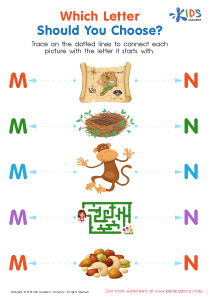
Lowercase letter writing Normal Lowercase/Small Letters Worksheets for Ages 6-8
3 filtered results
-
From - To
Enhance your child's handwriting mastery with our "Lowercase Letter Writing Worksheets for Ages 6-8." These expertly designed printable worksheets help young learners practice and perfect writing lowercase letters, promoting fine motor skills and letter recognition. Each engaging activity stimulates your child’s interest and ensures they gain confidence in writing. With clear guidelines and fun exercises, our worksheets cater to varied learning styles, making letter formation enjoyable. Ideal for both classroom and home learning, these resources support your child’s academic growth and lay a solid foundation for their future writing success. Unlock advanced writing skills today with our comprehensive lowercase letter worksheets!
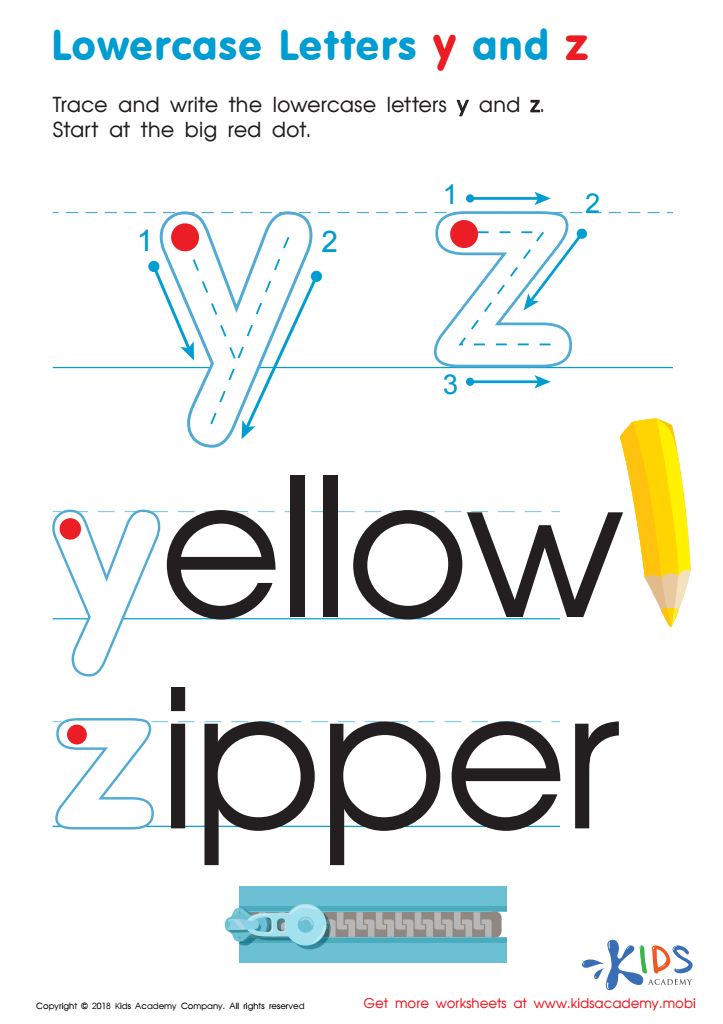
Lowercase Letters y z Worksheet
 Assign to My Students
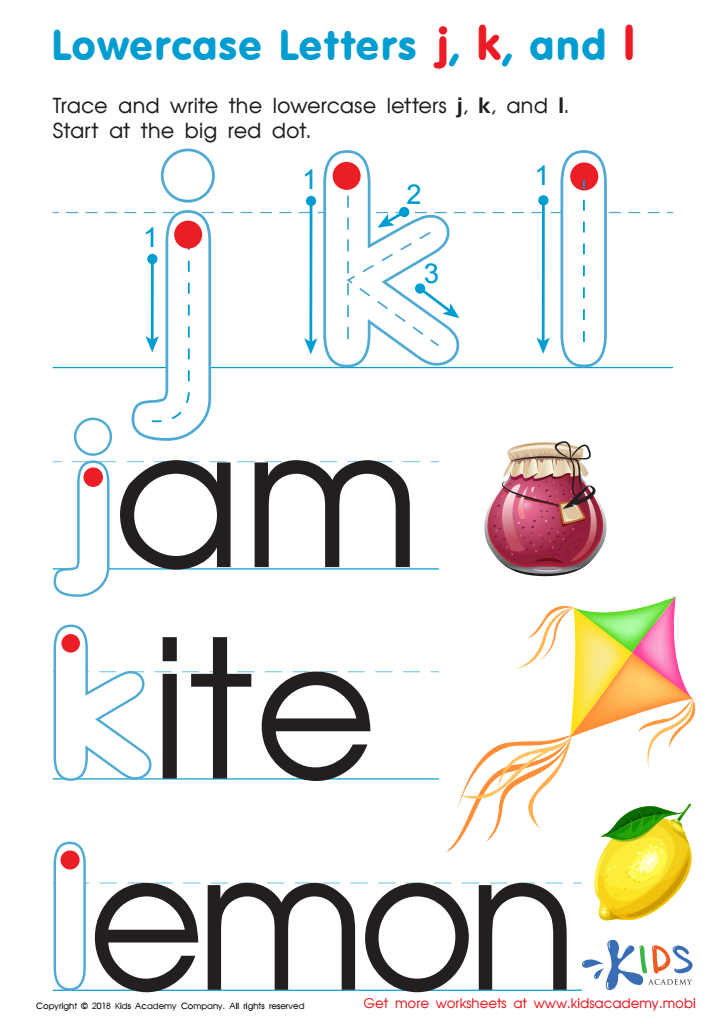
Lowercase Letters j k l Worksheet
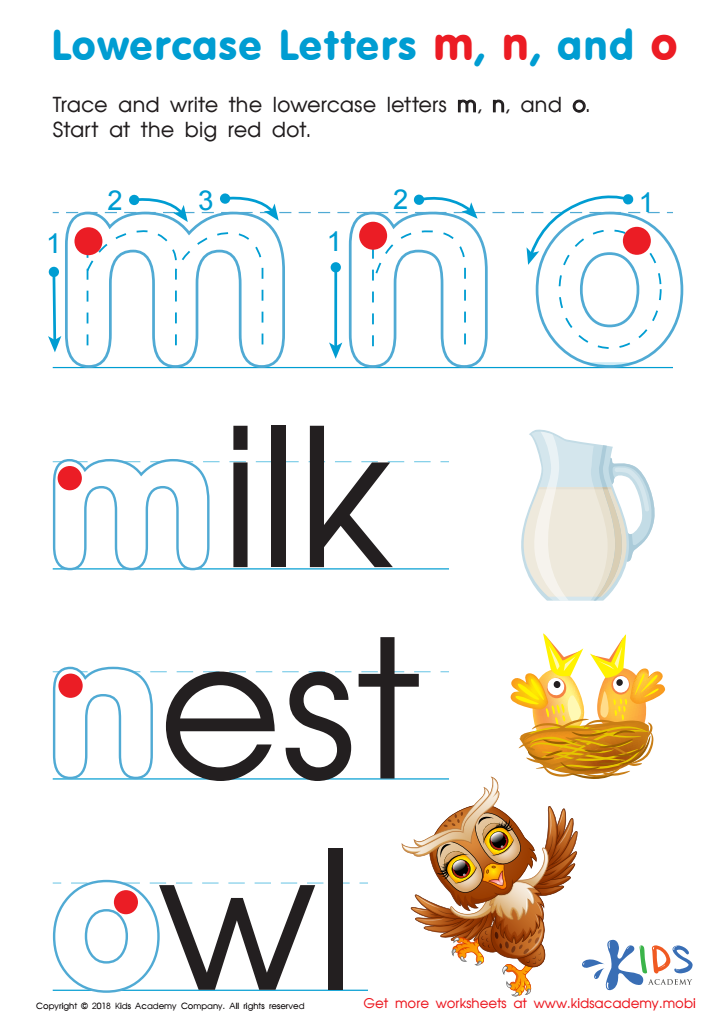
Lowercase Letters m n o Worksheet


Parents and teachers should care about teaching lowercase letters to children aged 6-8 because these formative years are crucial for developing foundational literacy skills. At this age, children are transitioning from recognizing letters to using them for reading and writing. Lowercase letters are predominant in written text, constituting around 95% of what children will encounter in books, instructions, and other written materials. Proficiency in lowercase letter writing ensures that children can read smoothly and more quickly because they are more frequently used than uppercase letters.
Furthermore, embracing correct letter formation in this period can help avoid the development of poor writing habits, leading to legibility problems and slower handwriting speed in the future. Good handwriting fosters a child's pride and confidence in their work, which is essential for their overall academic and personal development. When children feel confident in writing, they're more likely to engage in writing activities, which can improve their literacy skills overall. Teaching lowercase letters efficiently also aides in teaching grammar education, such as the usage of capital letters and understanding sentence structures. Thus, focusing on lowercase letter writing is an essential step in nurturing a child’s comprehensive language skills, setting a solid basis for their lifelong learning journey.