Fine Motor Skills Normal Phonics Worksheets for Ages 6-8
5 filtered results
-
From - To
Discover our Fine Motor Skills Normal Phonics Worksheets for Ages 6-8, designed to boost literacy and hand-eye coordination in young learners. These engaging activities focus on letter recognition, sound matching, and basic phonics through enjoyable tracing, coloring, and writing practices. Ideal for classroom or at-home learning, our worksheets pave the way for better handwriting and reading skills. Perfectly tailored to developmental needs, they foster confidence and improve fine motor abilities as kids navigate through the foundational stages of literacy. Empower your child's educational journey with resources built for success and fun.
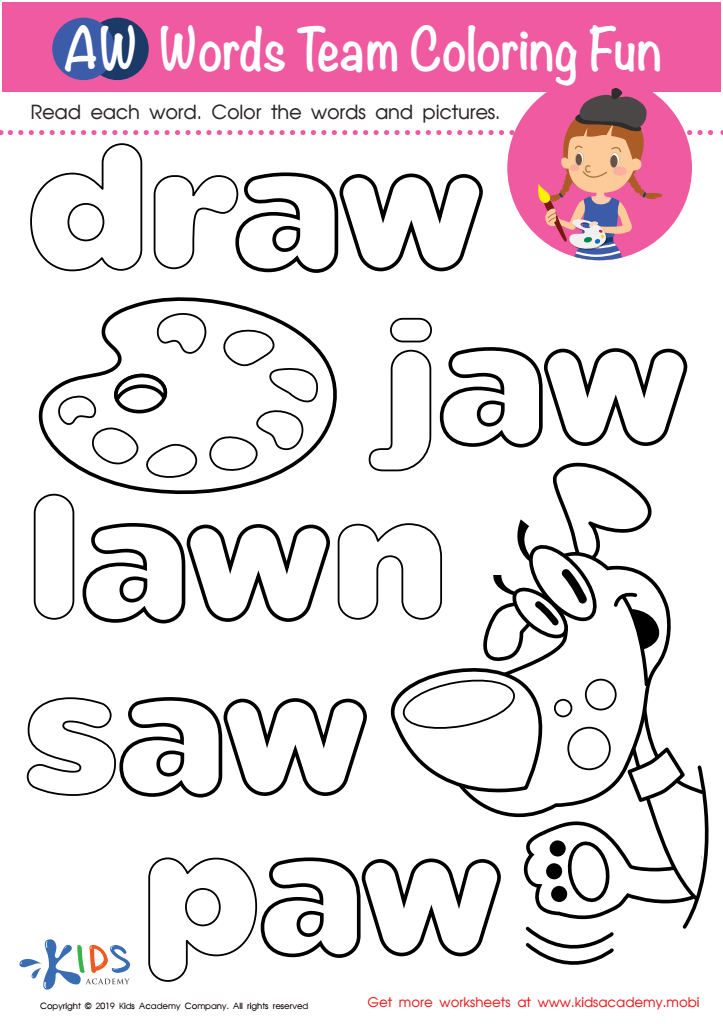
AW Words Team Coloring Fun Worksheet
 Assign to My Students
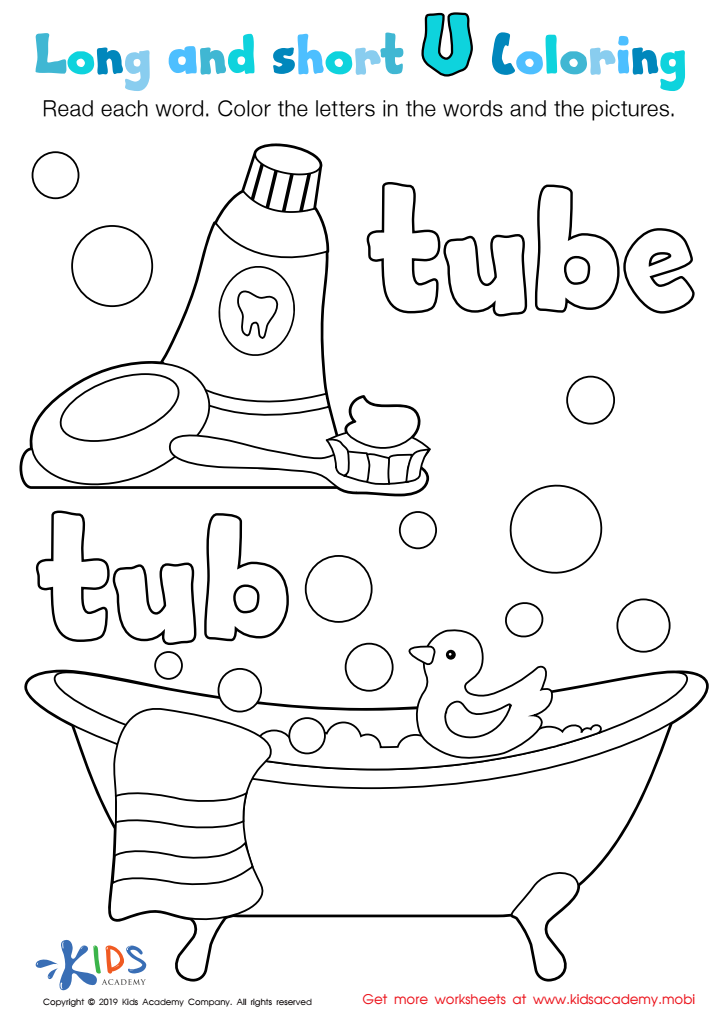
Long and Short U Worksheet
Assign to My Students
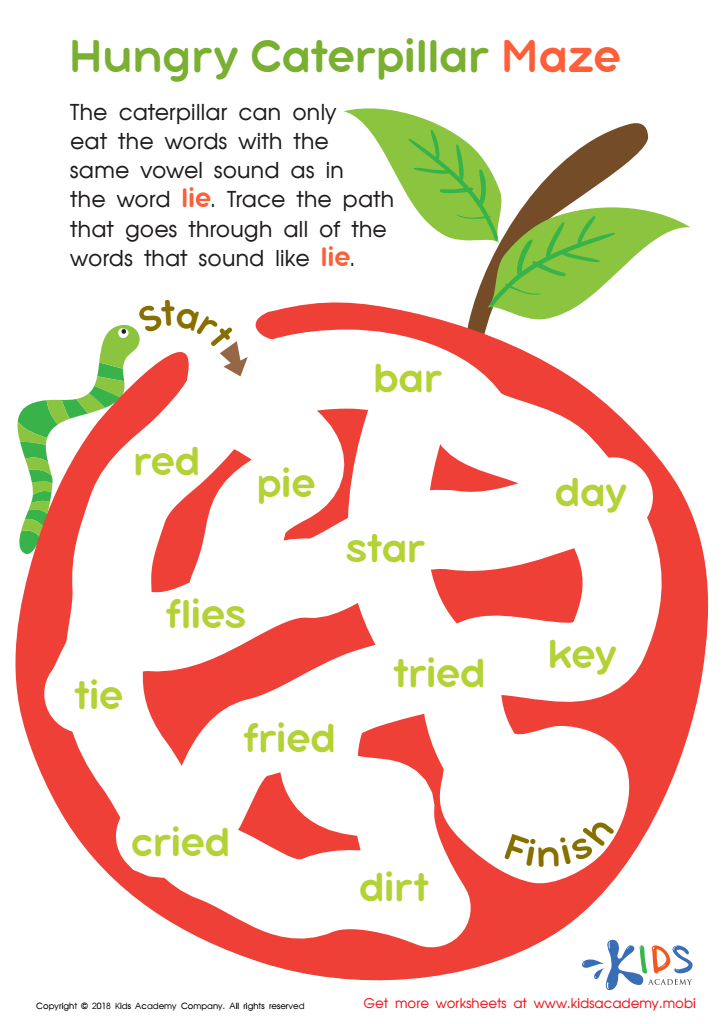
Hungry Caterpillar Maze Worksheet
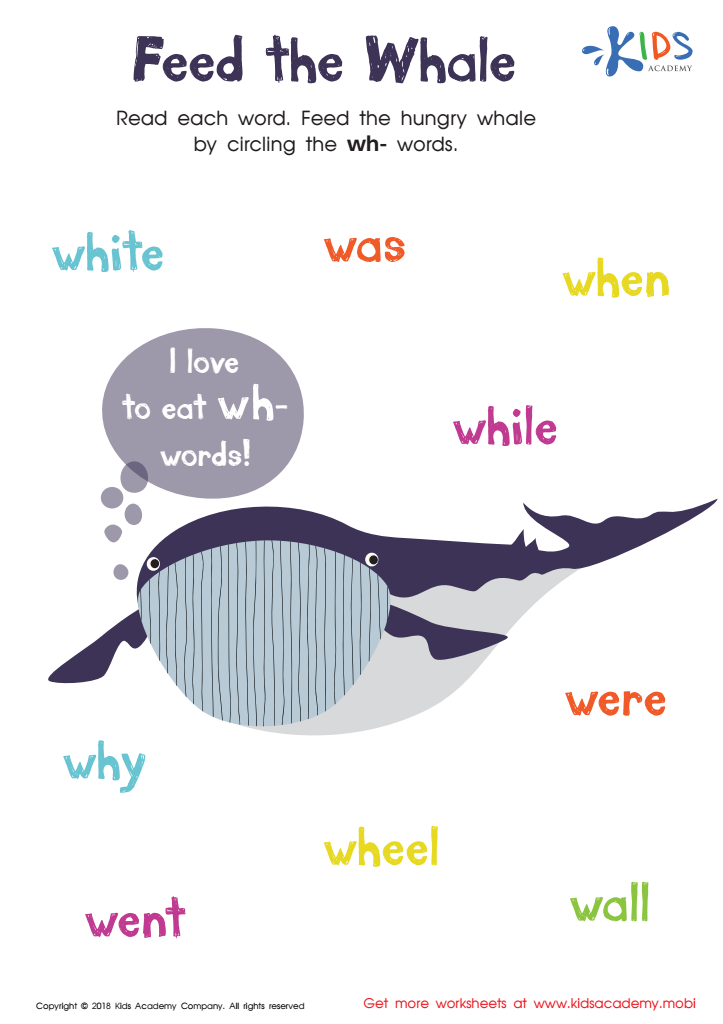
Feed the Whale Worksheet
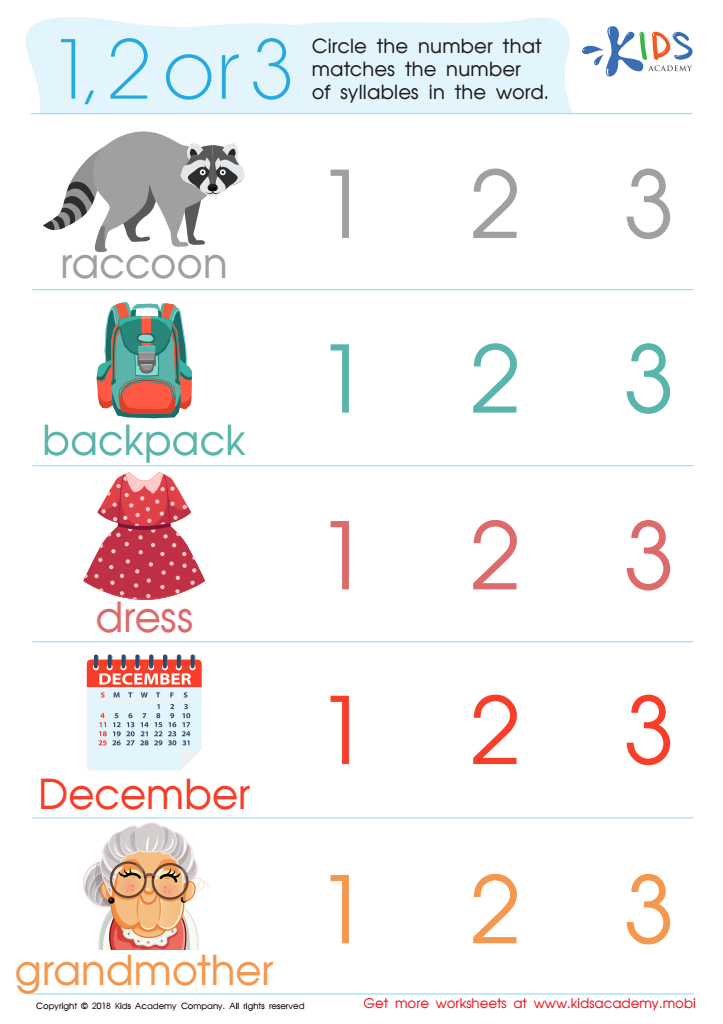
1, 2 or 3? Worksheet








Fine motor skills and phonics are crucial components in the development of children aged 6-8, forming the foundation for future academic success and daily functioning.
Fine motor skills involve the coordination of small muscles in the hands and fingers, essential for tasks like writing, buttoning clothes, and using scissors. Developing these skills at an early age boosts hand-eye coordination, precision, and muscle strength, which are important for classroom tasks and self-care routines. Children with well-developed fine motor skills are generally more confident and independent, enabling them to tackle new challenges with greater ease.
Normal phonics, the relationship between letters and sounds, is equally vital for literacy development. At ages 6-8, children transition from recognizing letters to decoding words and developing reading fluency. Phonics instruction helps children understand patterns in language, improving their ability to read independently and comprehend text. Reading is a cornerstone of learning in all subjects; therefore, a strong phonics foundation sets children up for greater academic achievements and a lifelong love of learning.
Parents and teachers who focus on enhancing fine motor skills and reinforcing phonics are equipping children with essential tools. Together, these skills not only prepare children for the rigors of formal education but also promote a positive, self-assured approach to new experiences and growth.







