Hand-eye Coordination Normal Phonics Worksheets for Ages 6-8
5 filtered results
-
From - To
Enhance your child's learning experience with our "Hand-eye Coordination Normal Phonics Worksheets for Ages 6-8." Designed to reinforce important phonics skills while developing hand-eye coordination, these fun, engaging worksheets help your child master letter recognition and sound correlation. Ideal for young learners, these activities combine literacy and motor skills, making learning interactive and enjoyable. By integrating movement with phonics, children can better absorb and retain knowledge, setting a strong foundation for their reading journey. Explore our printable worksheets and watch your child's confidence and skills blossom as they learn through play and practice! Promote active learning today!
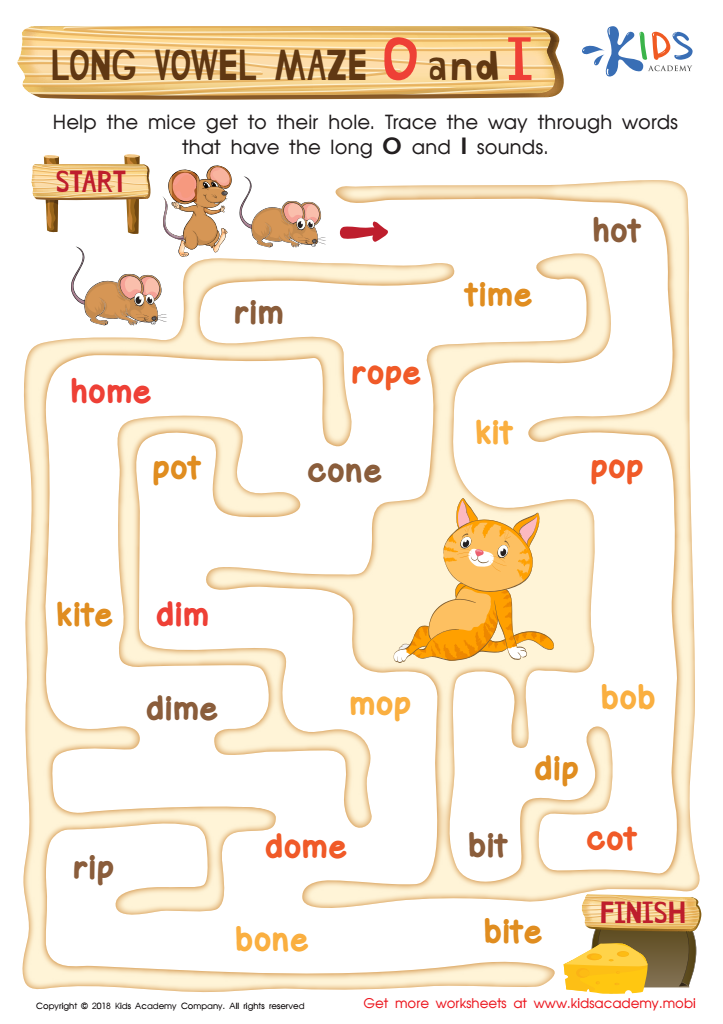
Long Vowel Maze /o/ and /i/ Worksheet
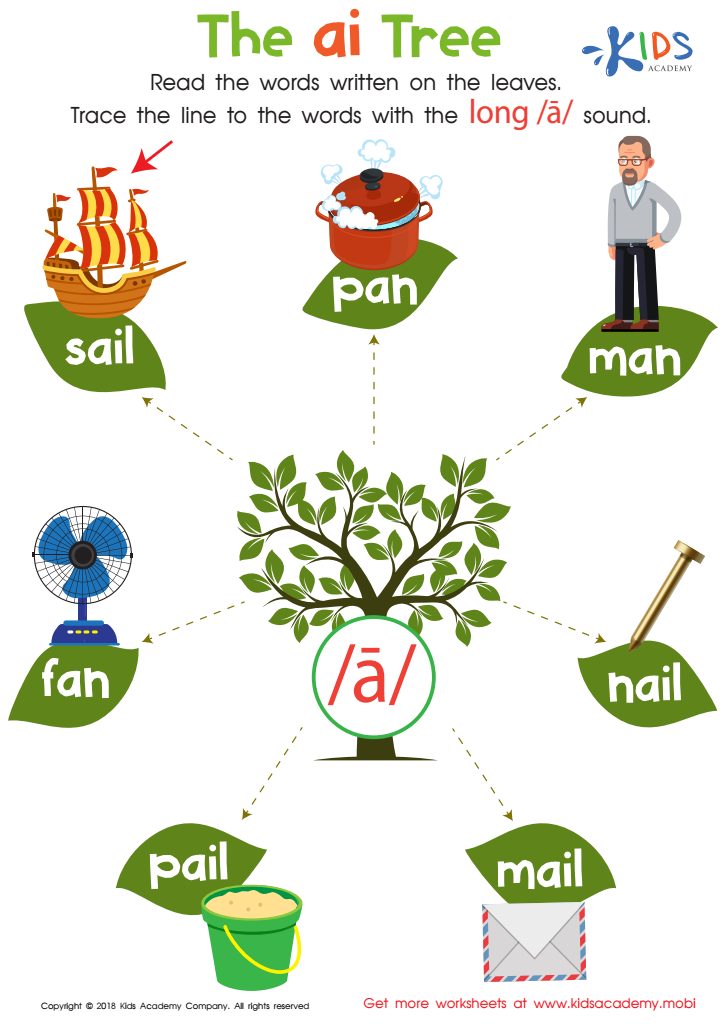
The AI Tree Worksheet
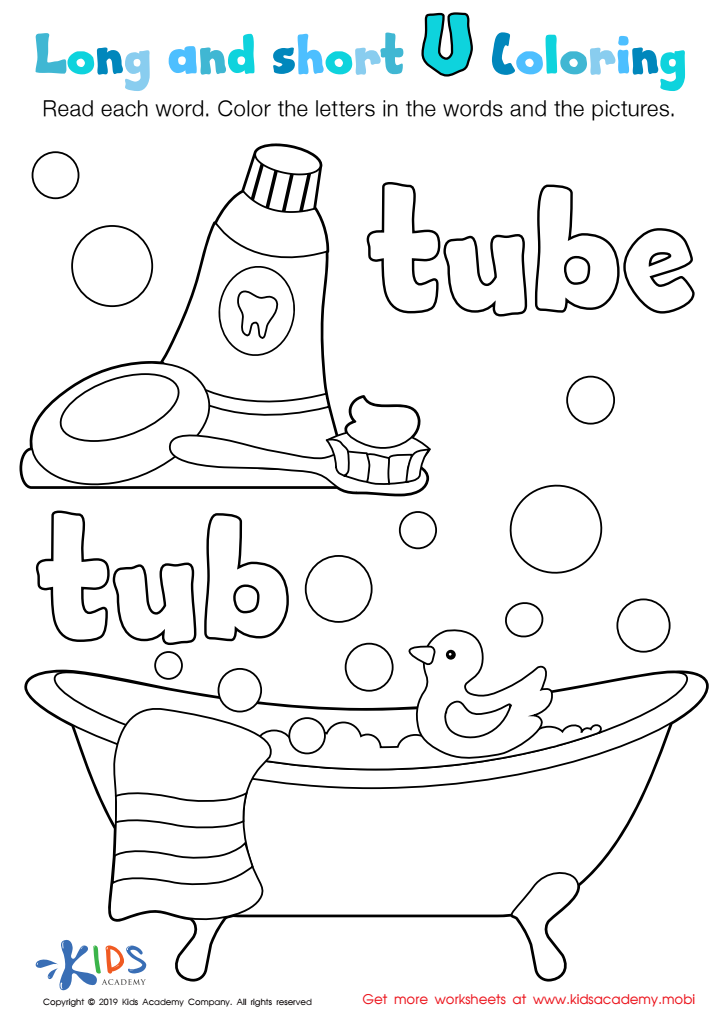
Long and Short U Worksheet
 Assign to My Students
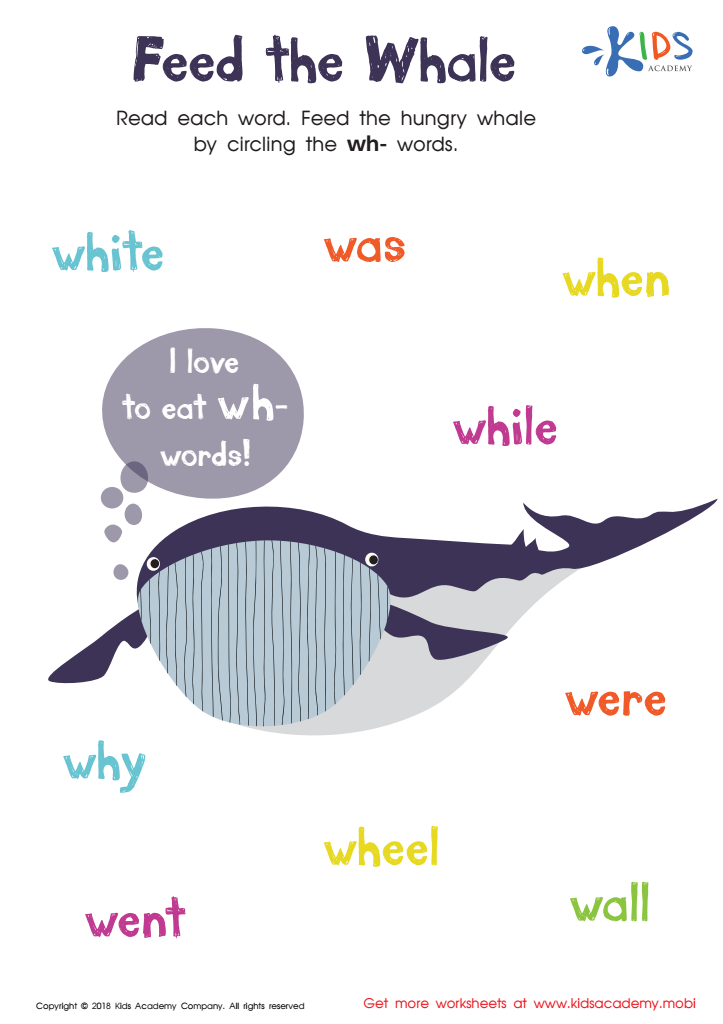
Feed the Whale Worksheet
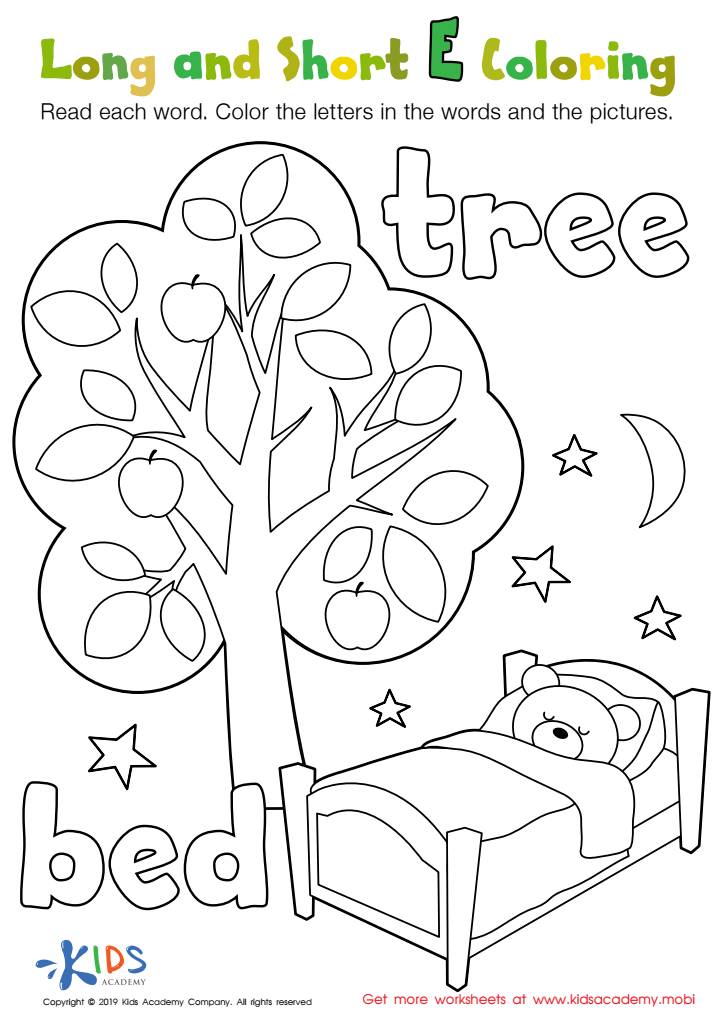
Long and Short E Worksheet
Assign to My Students








Hand-eye coordination and phonics are crucial components of early childhood development, especially for children aged 6-8. Parents and teachers should prioritize these skills as they significantly impact a child's learning and overall motor development.
Hand-eye coordination allows children to effectively connect visual input with physical actions. This skill is essential for everyday tasks such as writing, drawing, and playing sports. Excellent hand-eye coordination boosts a child’s confidence and independence, facilitating smoother interactions with their environment.
Phonics, on the other hand, forms the foundation of reading and literacy skills. During ages 6-8, children begin to decode letters, sounds, and words. A strong understanding of phonics enables them to read fluently and comprehend texts better, fostering a lifelong love for reading. This builds a critical foundation for academic success, enhances vocabulary, and supports effective communication.
By intertwining hand-eye coordination activities with phonics instruction, educators and parents can create a holistic learning experience. Engaging activities like tracing letters, interactive games, and arts and crafts not only reinforce phonics skills but also improve coordination. This integrated approach prepares children for future academic endeavors and daily life challenges, laying the groundwork for their developmental journey.







