Reading enhancement Normal Phonics Worksheets for Ages 6-8
3 filtered results
-
From - To
Discover our engaging Reading Enhancement Normal Phonics Worksheets designed specifically for children aged 6 to 8. These worksheets provide a fun and interactive way to strengthen essential phonics skills, helping young learners decode words and improve their reading fluency. Each worksheet focuses on different phonetic concepts, ensuring a comprehensive understanding of sounds and word structures. Ideal for both classroom use and at-home learning, our resources are crafted to captivate and motivate students. Enhance your child's reading journey with these thoughtfully designed tools, fostering a lifelong love for reading and learning. Explore the potential for reading success today!
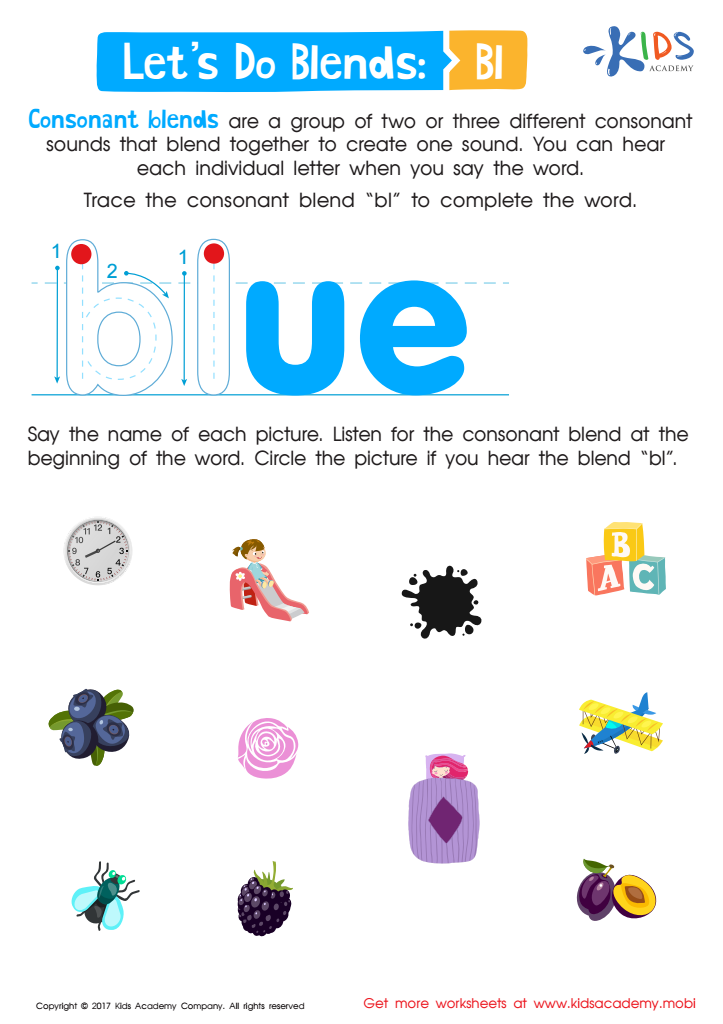
Beginning Blends: "Bl" Words Worksheet
 Assign to My Students
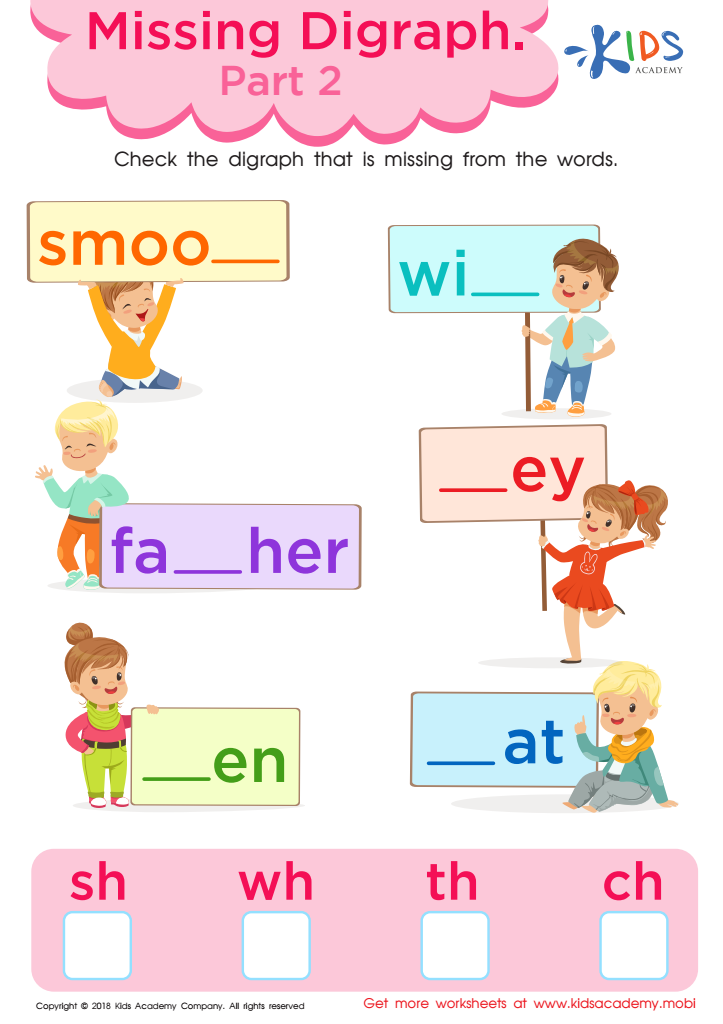
Missing Digraph: Part 2 Worksheet
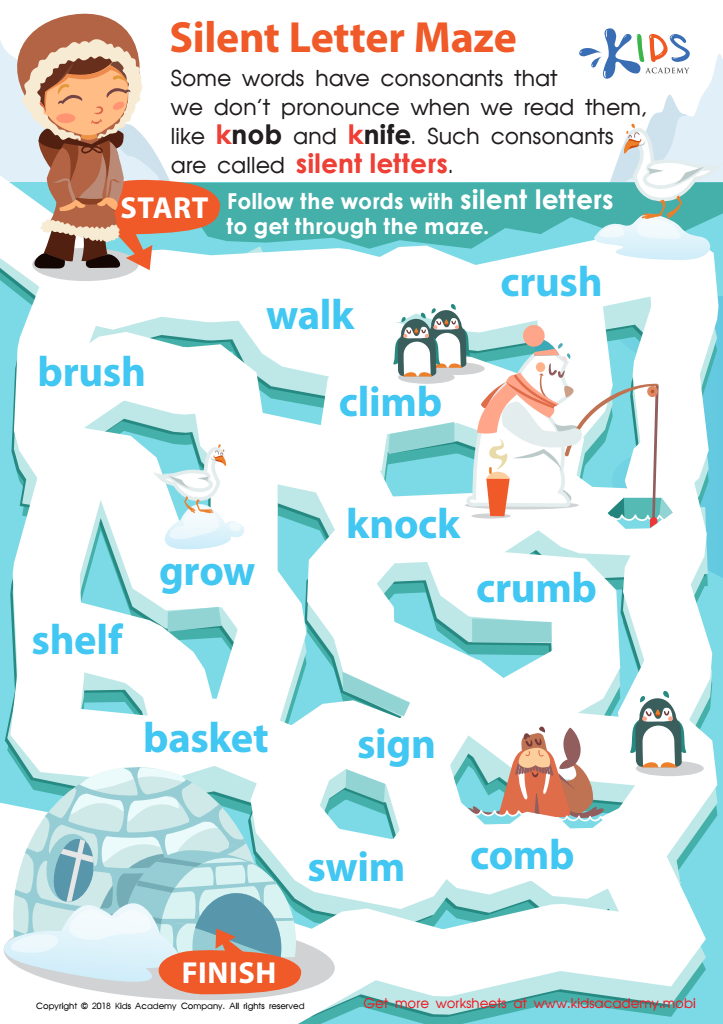
Silent Letter Maze Worksheet








Reading enhancement through Normal Phonics is critical for children aged 6-8, as this is a foundational stage in their literacy development. During these years, children refine their ability to decode words, recognize patterns in language, and develop reading fluency. Normal Phonics explicitly teaches the relationship between sounds and letters, which is essential for effective reading comprehension.
Parents and teachers should care about this approach for several reasons. First, strong phonics skills empower children to navigate more complex texts successfully, enhancing their academic performance across subjects. Reading well fosters a love for literature, promoting lifelong learning and cognitive growth.
Secondly, early mastery of phonics can prevent reading difficulties later in life. By providing structured phonics instruction, we enable children to build essential strategies for tackling new vocabulary, which boosts confidence and encourages independent reading.
Moreover, a solid grounding in phonics aids in the development of critical thinking and comprehension skills, making it easier for children to analyze and engage with diverse material. Ensuring that children in this age group have access to effective reading enhancement programs like Normal Phonics can lead to better educational outcomes and a brighter future. Thus, it is integral for parents and teachers to prioritize these learning opportunities.







