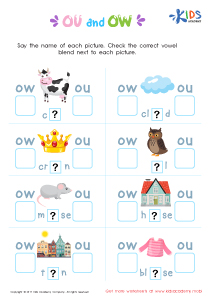
Phonics practice Normal Short Vowels Worksheets for Ages 6-8
4 filtered results
Difficulty Level
Grade
Age
-
From - To
Subject
Activity
Standards
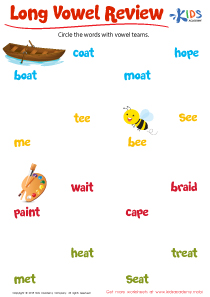
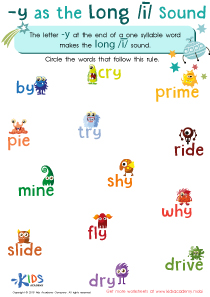
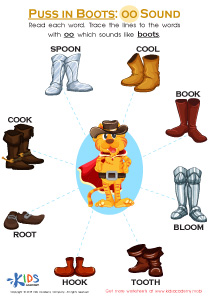
Enhance your child's reading skills with our engaging Phonics Practice Normal Short Vowels Worksheets designed specifically for ages 6-8. These worksheets provide fun activities that help young learners master short vowel sounds in an interactive way. With colorful illustrations and easy-to-follow instructions, students will build phonemic awareness through various exercises, including fill-in-the-blanks, matching games, and word puzzles. Our thoughtfully crafted resources not only support phonics acquisition but also foster a love for reading. Ideal for both home and classroom use, these worksheets are a valuable tool for developing strong foundational skills in reading and writing. Start your phonics journey today!
Favorites
With answer key
Interactive
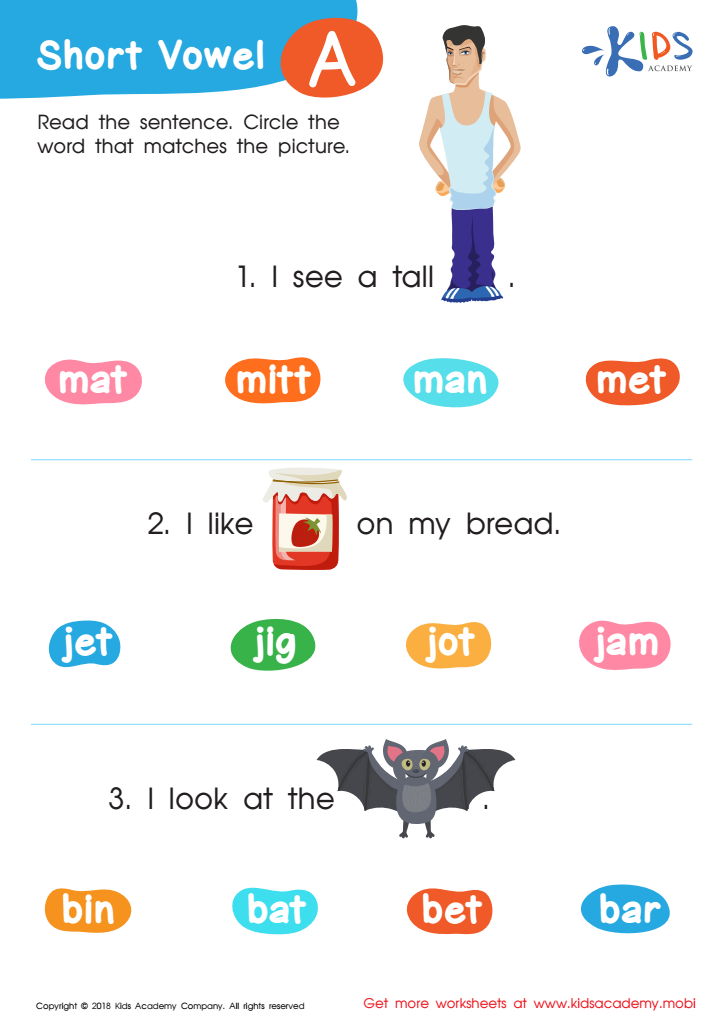
Short Vowel /a/ Worksheet
This free PDF helps new readers use sight words and pictures to read basic sentences. Then, they use accompanying word choices to find the correct word with the short a vowel sound. A key early reading skill, discriminating between short vowel sounds can be tricky in monosyllabic words, so use this PDF to help your reader reinforce it.
 Assign to My Students
Short Vowel /a/ Worksheet
Worksheet
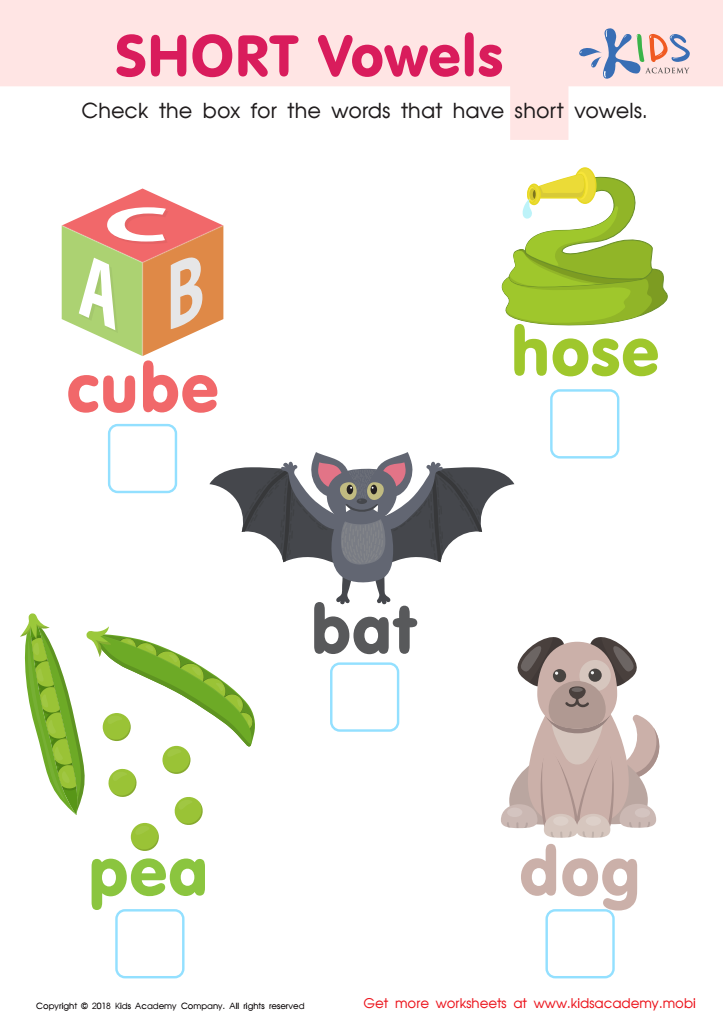
short vowels Worksheet
Say "dog" and notice how long it takes to pronounce the vowel. Is it short or long? Compare it to "pea" and use this worksheet to quickly assess your child's mastery. Have them name each picture and listen for the vowel sounds. Only check the boxes for words with short vowel sounds.
short vowels Worksheet
Worksheet
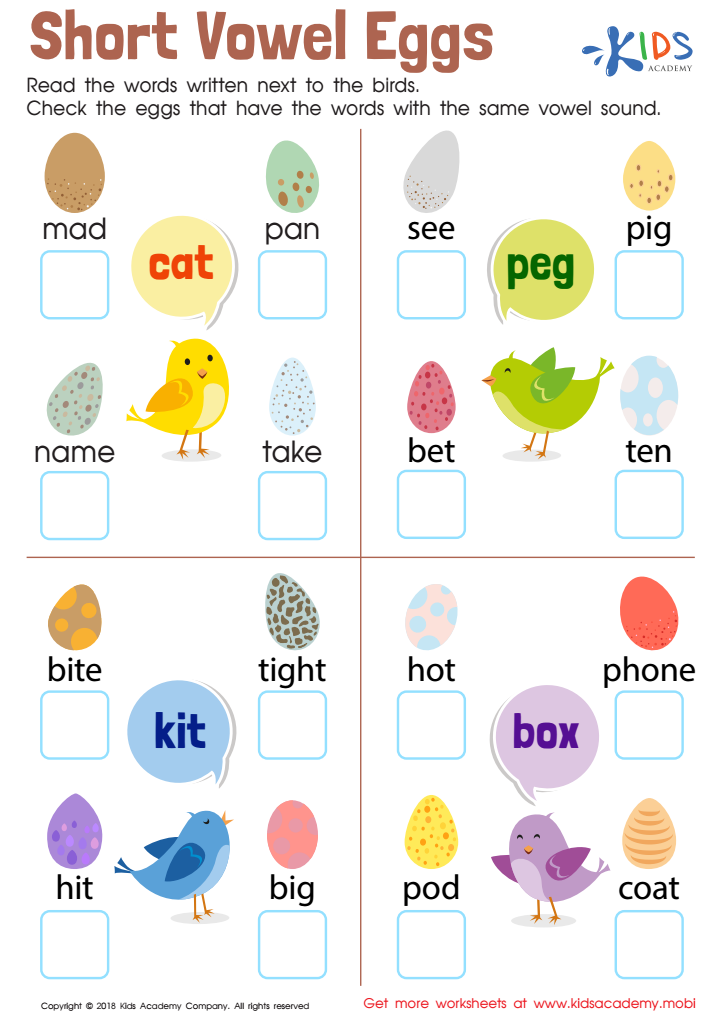
Short Vowel Eggs Worksheet
Your students will love helping these birdies pick the short vowel eggs! Have them read the words in the thought bubbles, then check off the boxes with the same short vowel sounds. The bright colors of this free Worksheet will draw them in and get them practicing their vowels!
Short Vowel Eggs Worksheet
Worksheet
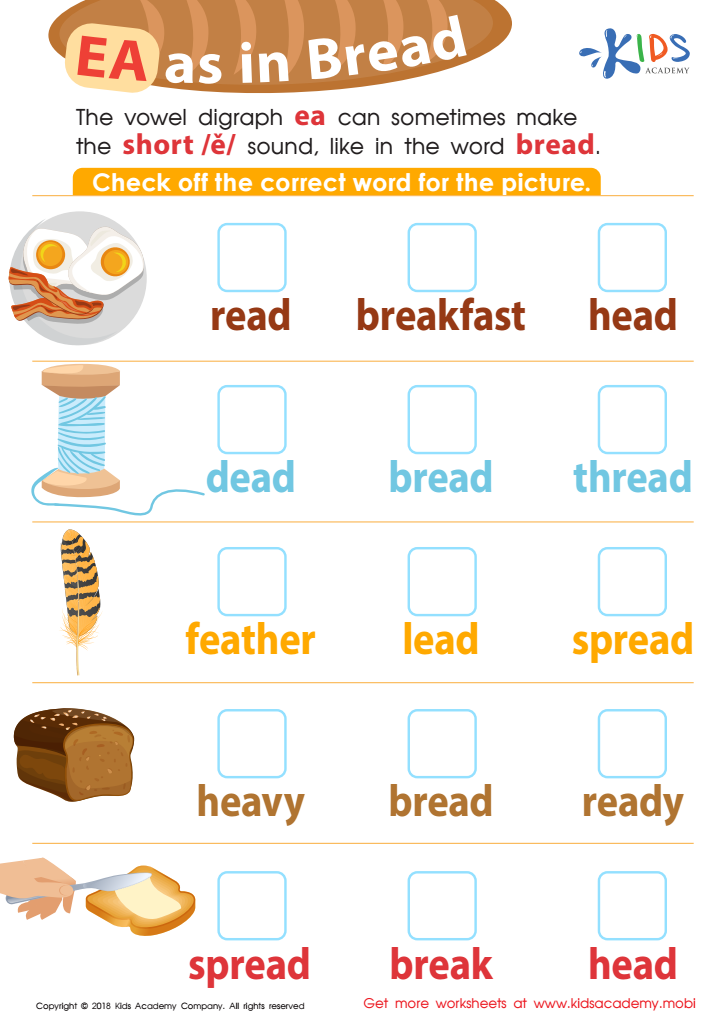
Reading: EA as in Bread Worksheet
The vowel digraph ea can be read in two ways. Examples of the long sound are "read" and "lead"; examples of the short sound are "bread" and "head". Ask your kids to give you more examples and then have them check off the correct word for the pictures on this worksheet. This will help them understand the ea sound.
Reading: EA as in Bread Worksheet
Worksheet
Join Kids Academy for Free
Who is primarily going to use this learning content?



Phonics practice, especially focusing on normal short vowels, is crucial for children aged 6-8 as it lays the foundation for proficient reading and writing skills. During these formative years, children are developing their understanding of letter-sound relationships, and short vowels play a significant role in decoding words. Mastery of short vowels enables young learners to effortlessly sound out words, which helps in enhancing their reading fluency and comprehension.
Engaging in phonics practice supports literacy development and becomes essential for the child’s academic success. When children confidently recognize and use short vowels, they can attempt more complex words, paving the way for improved spelling and vocabulary. Additionally, recognizing the significance of short vowels aids in reducing reading frustrations, promoting a positive attitude towards learning.
Furthermore, phonics practice enhances language skills that extend beyond reading. It fosters better communication, as children begin expressing their thoughts clearly through writing, ultimately contributing to their overall cognitive development. Therefore, both parents and teachers play pivotal roles in providing supportive environments rich in phonics activities, ensuring that children build strong, lasting literacy skills critical for their future educational achievements. In summary, phonics practice with normal short vowels is vital for empowering children to become confident, capable readers and writers.