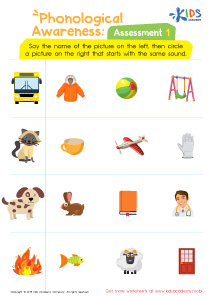
Phonics Skills Normal Two Letter Phonics Worksheets for Ages 6-8
6 filtered results
-
From - To
Discover an engaging collection of "Phonics Skills Normal Two Letter Phonics Worksheets for Ages 6-8" at Kids Academy to make phonics learning enjoyable and effective. Designed to elevate children's reading abilities, these worksheets focus on blending and recognizing two-letter combinations. Perfectly crafted for young learners, they reinforce letter sounds, enhance decoding skills, and build a solid foundation for fluent reading. Each worksheet includes fun and interactive activities, ensuring kids stay motivated while making significant educational progress. Ideal for home and classroom use, these resources are key for nurturing confident, proficient young readers. Explore and download today at Kids Academy.
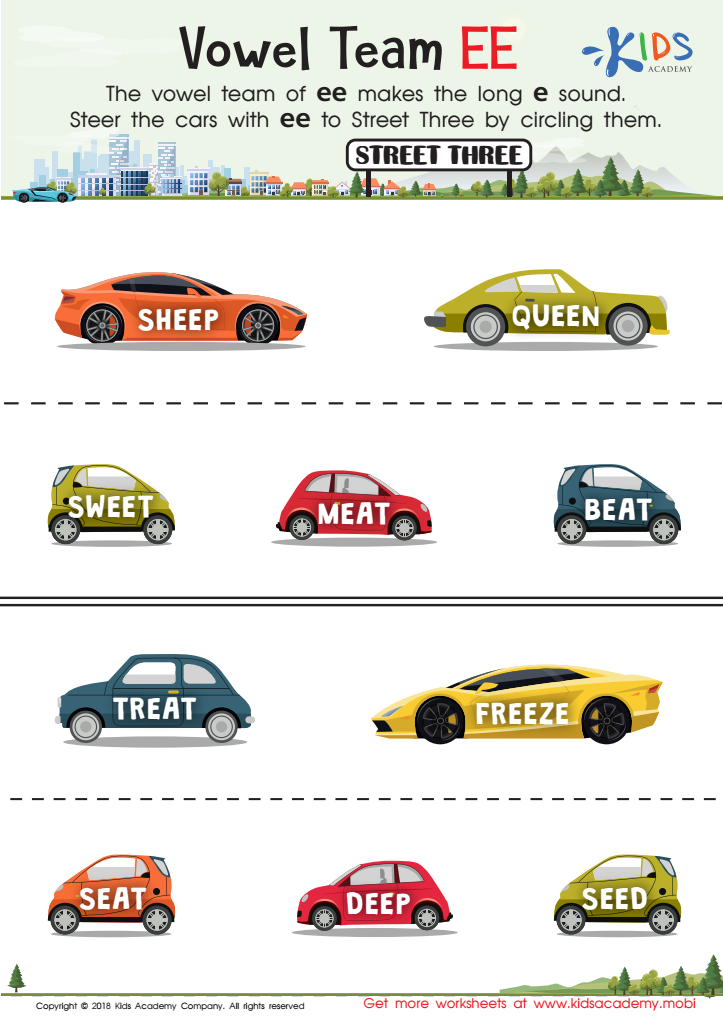
Vowel team ee Worksheet
 Assign to My Students
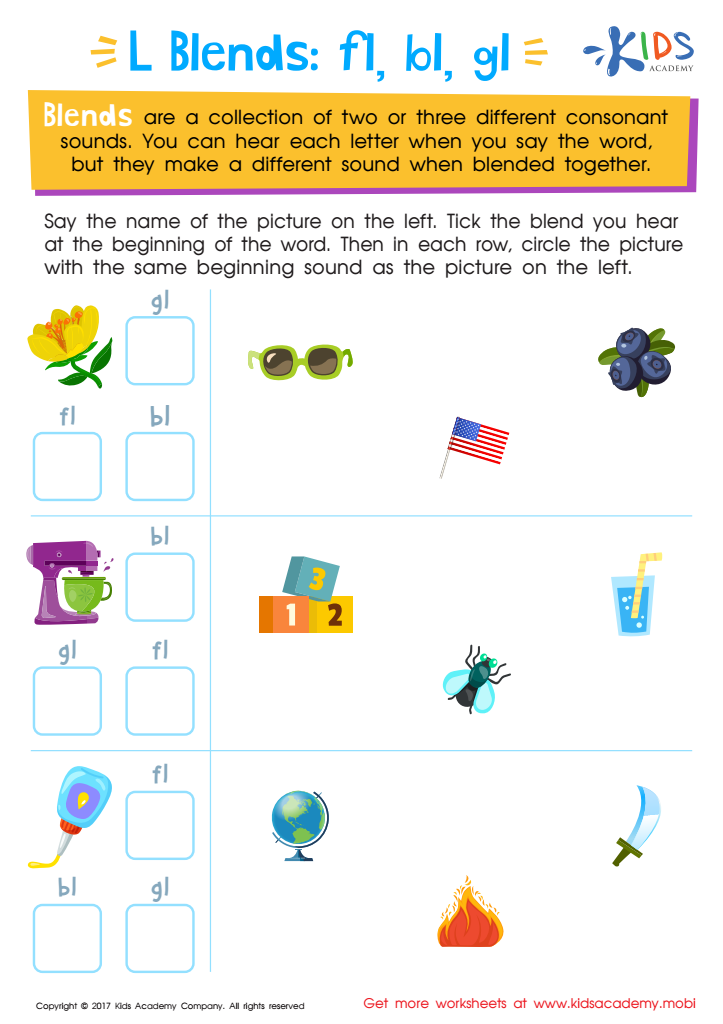
Blending Consonants: "Fl", "Bl" and "Gl" Printable
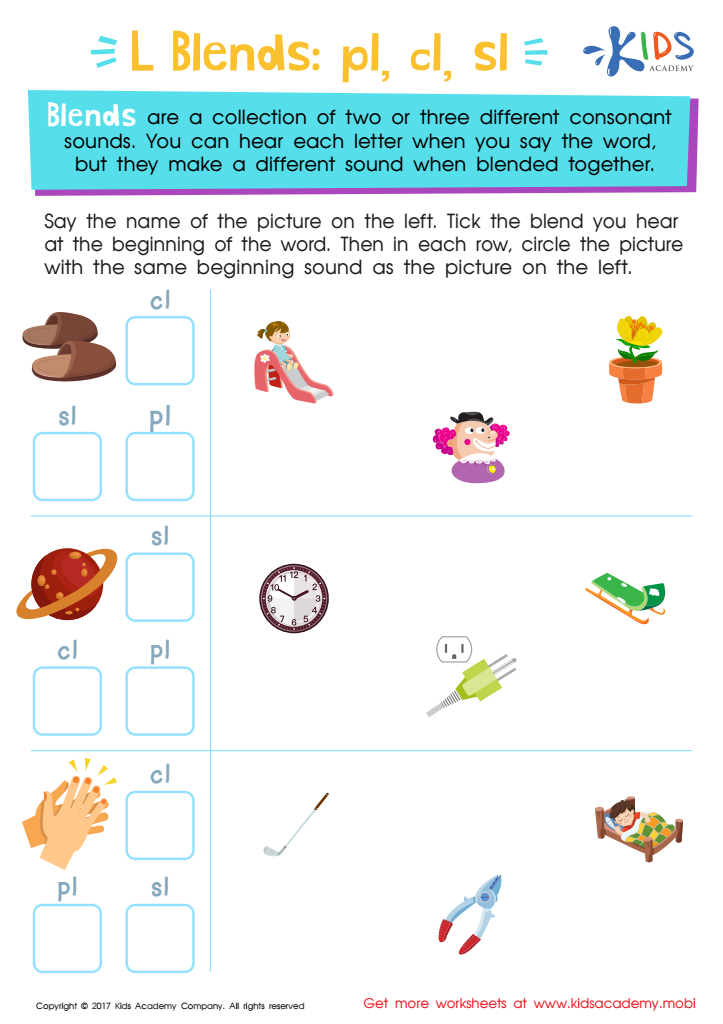
L Blends: "Pl", "Cl" and "Sl" Printable
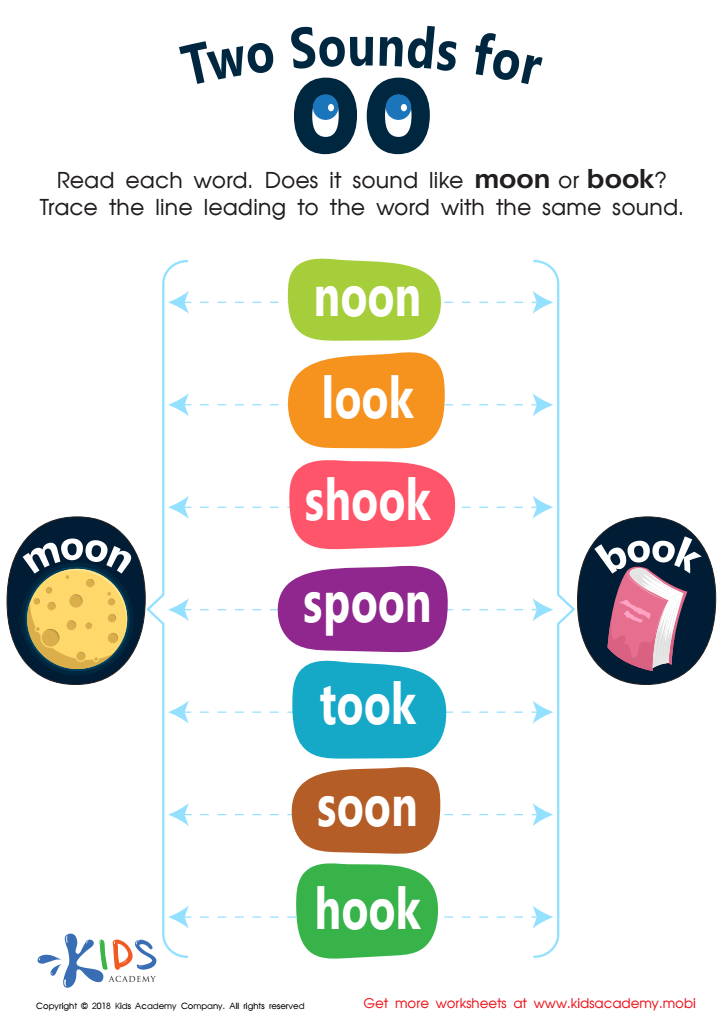
Two Sounds for OO Worksheet
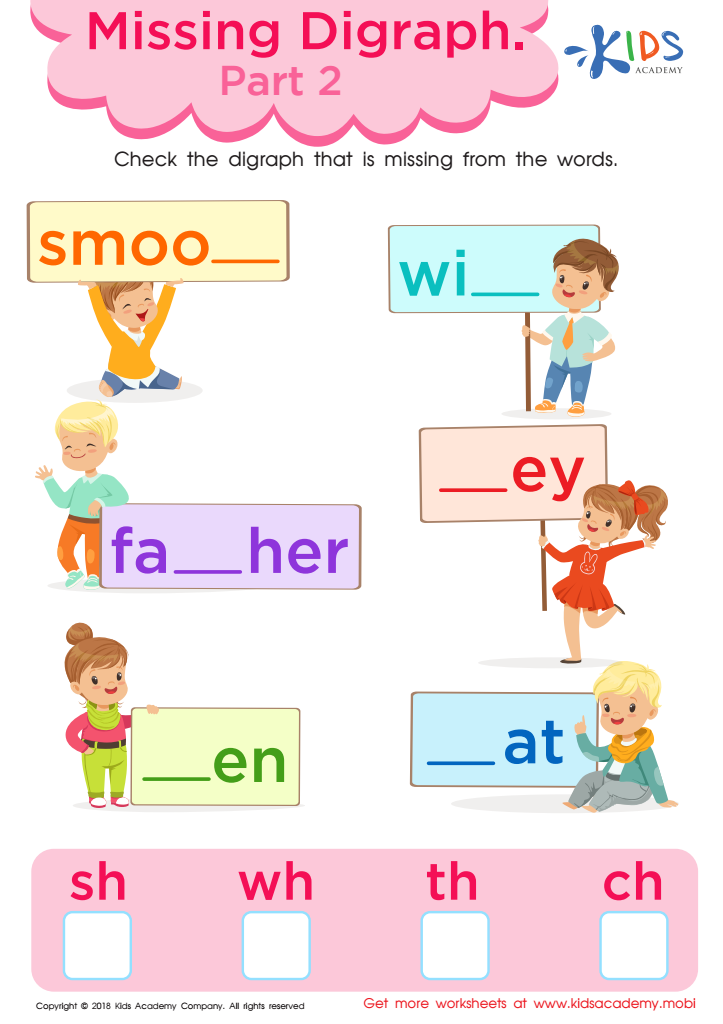
Missing Digraph: Part 2 Worksheet
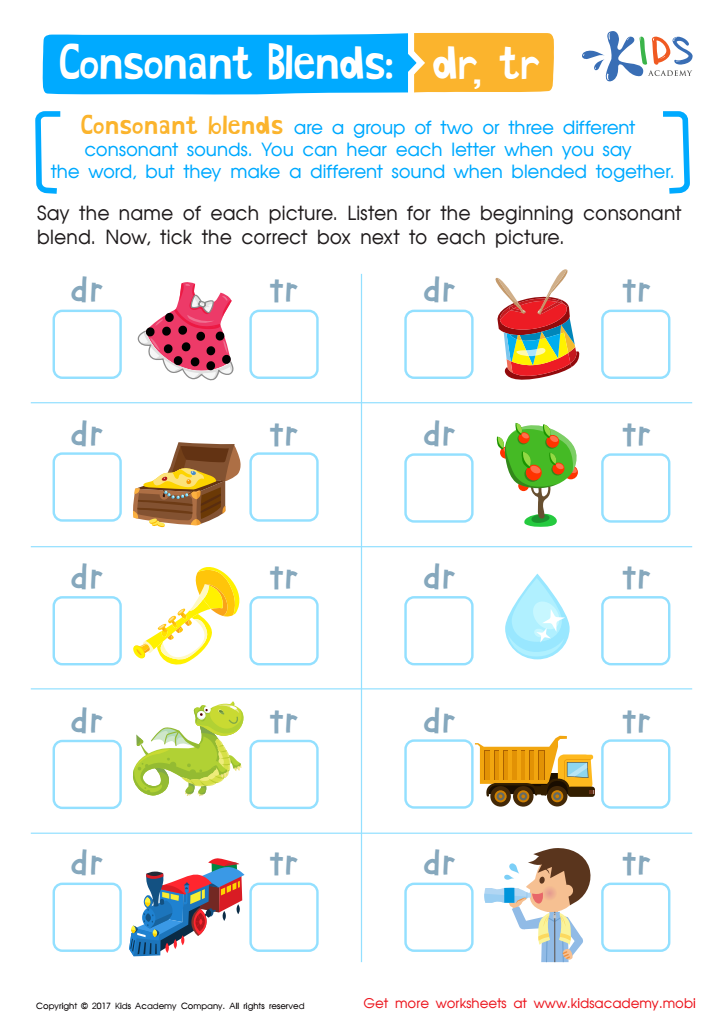
Consonant Blends: "Dr" and "Tr" Printable



Phonics is foundational for reading success, and focusing on Two Letter Phonics (TLPs) for children ages 6-8 is especially crucial. This age range is a formative period for language acquisition and literacy development. TLPs, such as consonant-vowel blends (e.g., "ba," "da") or consonant-consonant blends (e.g., "fl," "gr"), provide young learners with the critical building blocks they need to decode words, thus enhancing their reading fluency and comprehension.
When children acquire TLPs effectively, they develop a better understanding of letter-sound relationships, which enables them to sound out unfamiliar words and fosters a sense of confidence and independence in reading. This, in turn, promotes a love for reading, which is fundamental for academic success across subjects.
For parents and teachers, supporting TLPs means consistent and targeted practice, integrating phonic games, and encouraging reading of age-appropriate texts. This proactive approach alleviates future learning challenges by establishing a strong literacy foundation early on. Moreover, mastery of phonics boosts children's ability to spell, write, and articulate thoughts clearly.
Overall, investing time and attention in TLPs aligns with long-term educational goals, empowering children with the skills needed for not only immediate academic success but also lifelong learning and intellectual growth.