Vocabulary expansion Normal Two Letter Phonics Worksheets for Ages 6-8
6 filtered results
-
From - To
Unlock the power of language with our Vocabulary Expansion Normal Two Letter Phonics Worksheets, designed specifically for children ages 6 to 8. These engaging printables help young learners master two-letter phonics while expanding their vocabulary in a fun and interactive way. Each worksheet features vibrant illustrations and carefully crafted exercises that build essential reading and writing skills. Perfect for classrooms or home learning, these resources promote phonemic awareness, aiding children in recognizing sounds and forming new words. Enhance your child’s early literacy journey and watch their confidence soar as they enjoy the process of learning through our thoughtfully designed phonics activities!
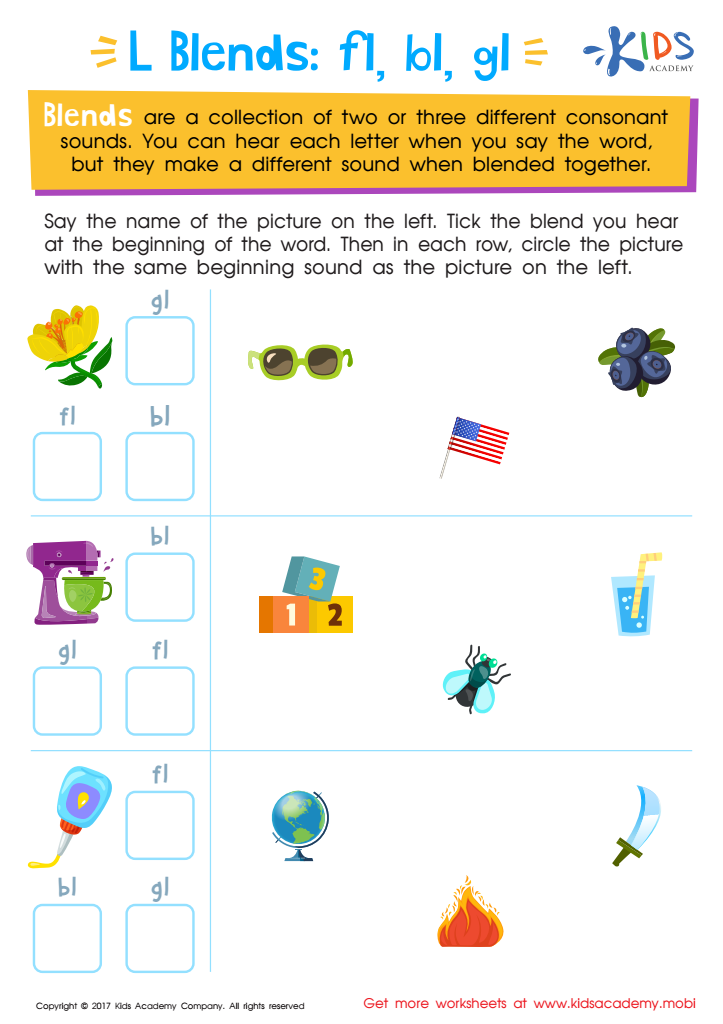
Blending Consonants: "Fl", "Bl" and "Gl" Printable
 Assign to My Students
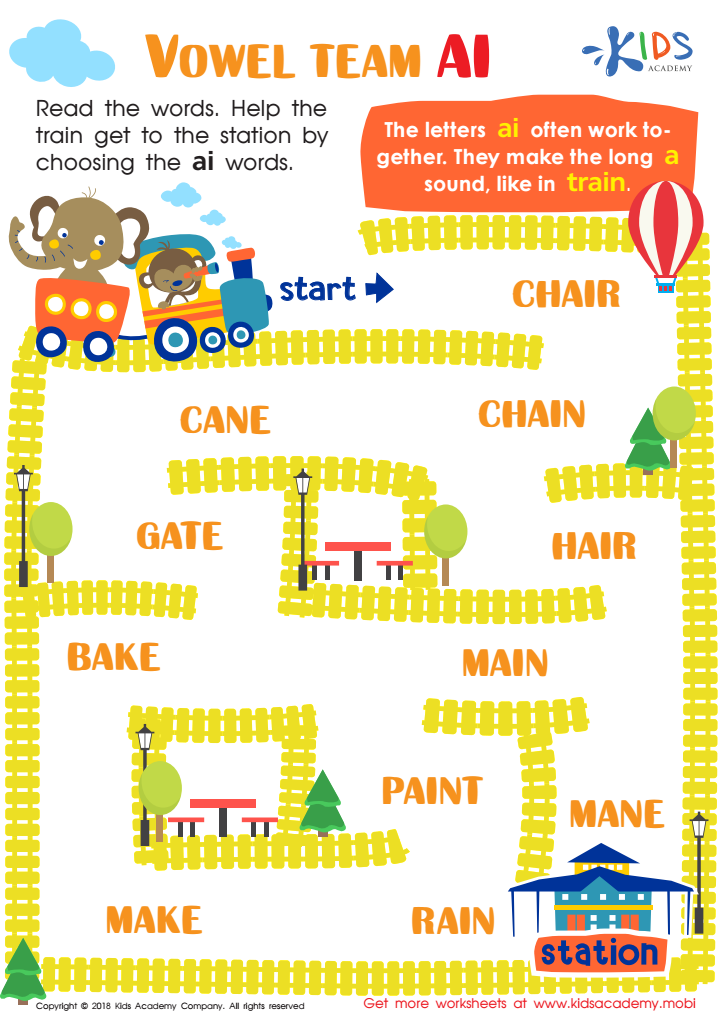
Vowel team ai Worksheet
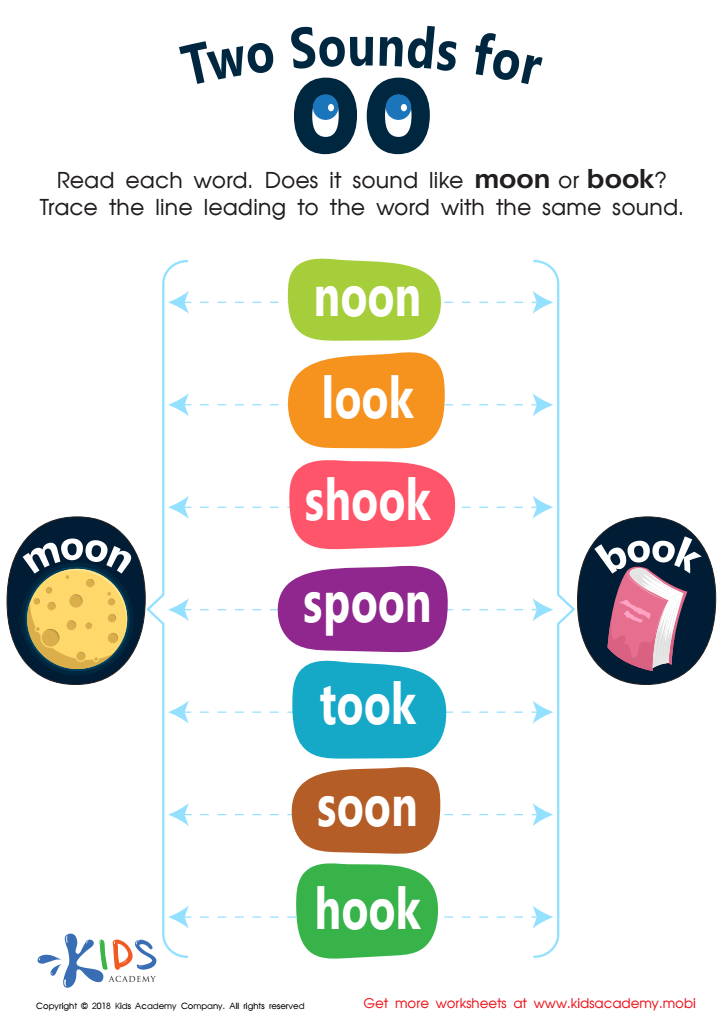
Two Sounds for OO Worksheet
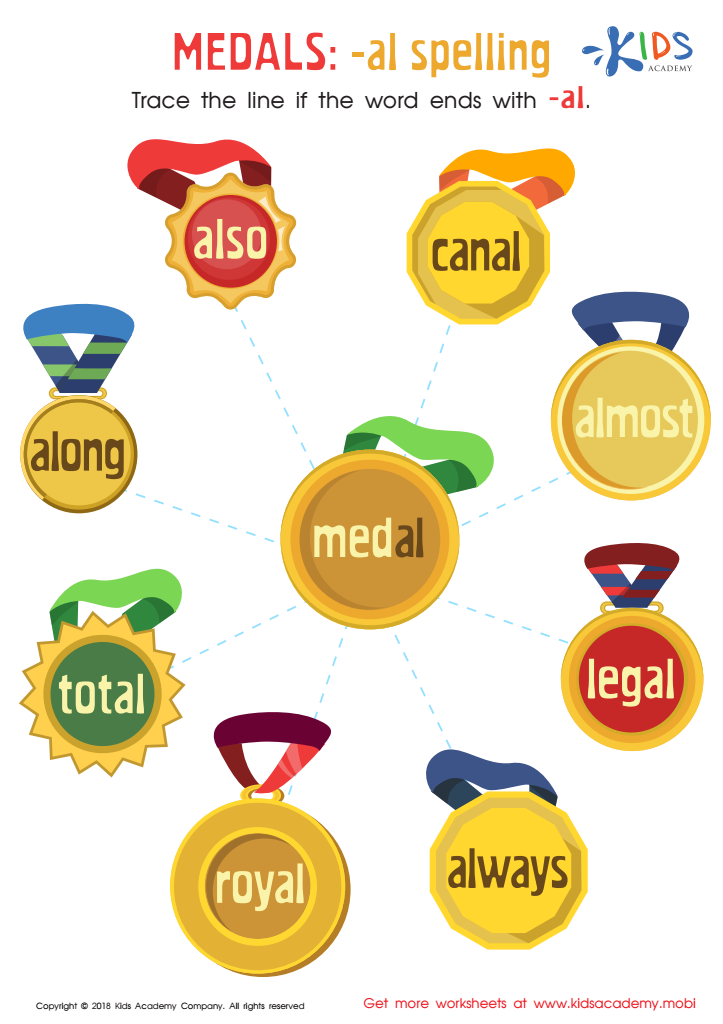
Medals: Al Spelling Worksheet
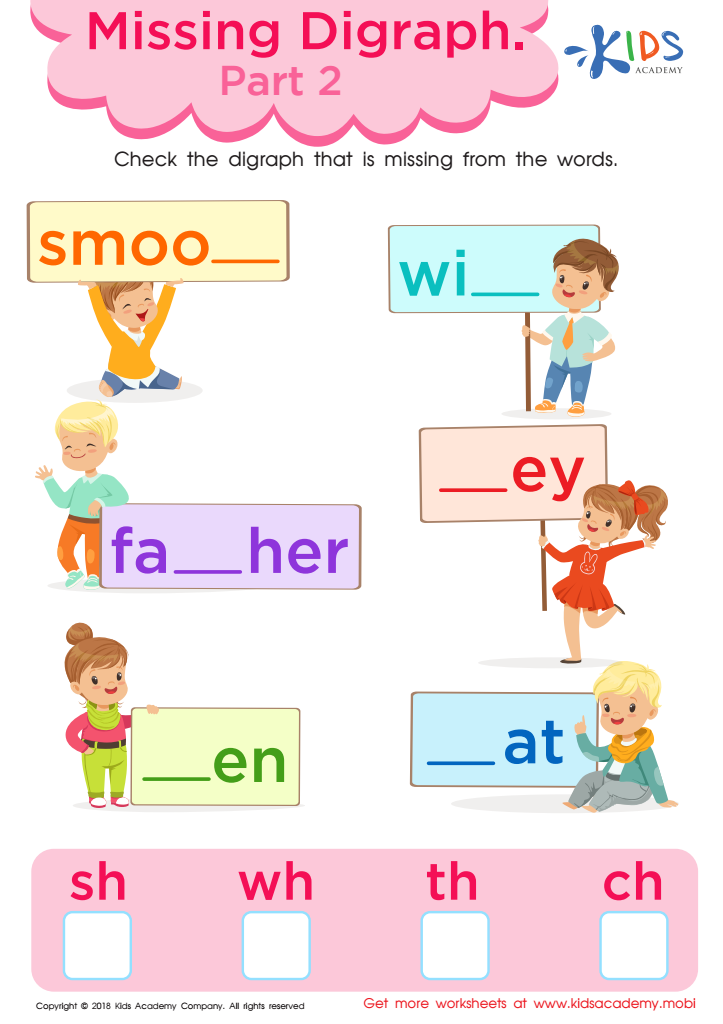
Missing Digraph: Part 2 Worksheet
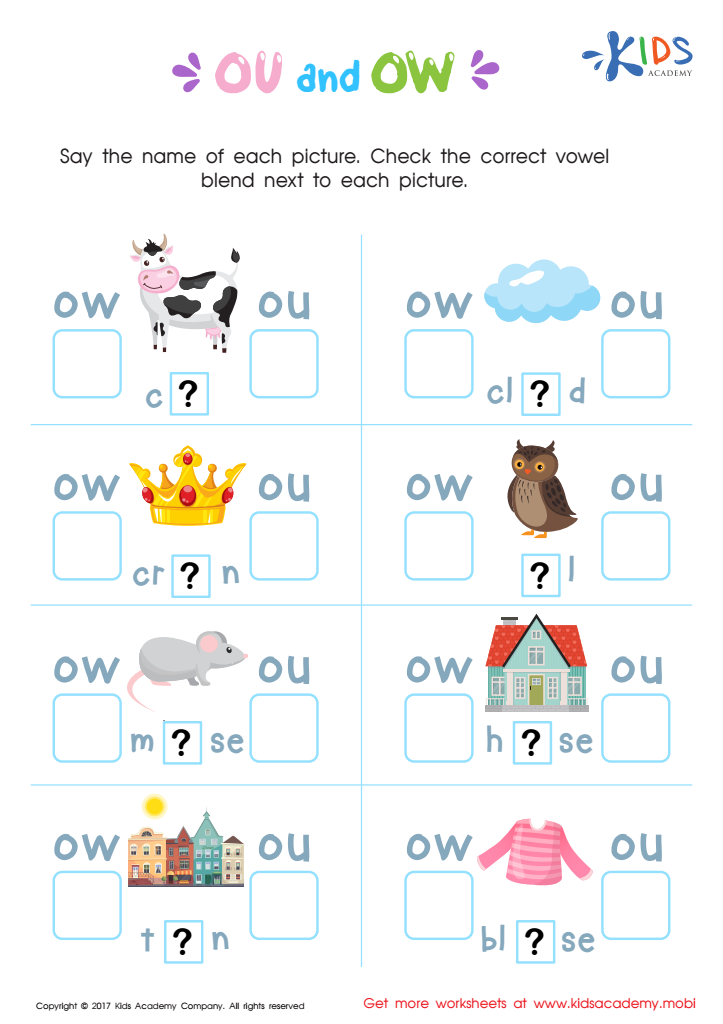
OU and OW Words Worksheet



Vocabulary expansion through Normal Two Letter Phonics is vital for children ages 6-8 as it serves as a foundation for their reading and writing skills. At this age, children are developing their language abilities rapidly, and a strong vocabulary promotes fluency and comprehension. Learning phonics helps young learners decode words, enabling them to read with confidence and engage with more complex texts.
Parents and teachers should prioritize phonics because it equips children with essential tools for effective communication. While some might consider vocabulary acquisition as merely memorizing words, teaching phonics allows children to understand the sounds that letters make, encouraging them to tackle unfamiliar words independently. This skill fosters a love for reading, enhancing overall learning prospects across subjects.
Moreover, vocabulary plays a significant role in academic achievement. Children with robust vocabulary skills are more likely to grasp concepts in math, science, and social studies, allowing them to excel in school. By ensuring that children engage with Normal Two Letter Phonics, caregivers can provide their young learners with the linguistic resources necessary for success, promoting lifelong learning and boosting their self-esteem as confident communicators. Ultimately, investing in vocabulary expansion during these formative years sets the stage for a brighter educational future.






