Problem-Solving Skills Normal Upper & Lowercase Letters Worksheets for Ages 6-8
3 filtered results
-
From - To
Boost your child's problem-solving skills with our engaging worksheets focused on uppercase and lowercase letters, specially designed for ages 6-8. These interactive activities not only reinforce letter recognition and writing but also challenge young minds to think critically and develop logical reasoning abilities. Each worksheet combines fun exercises that require children to solve problems using letters, enhancing both their literacy and cognitive skills. Perfect for classroom use or home learning, these worksheets foster a love for learning while helping kids master essential literacy skills. Explore our collection today to empower your young learners with the tools they need for academic success!
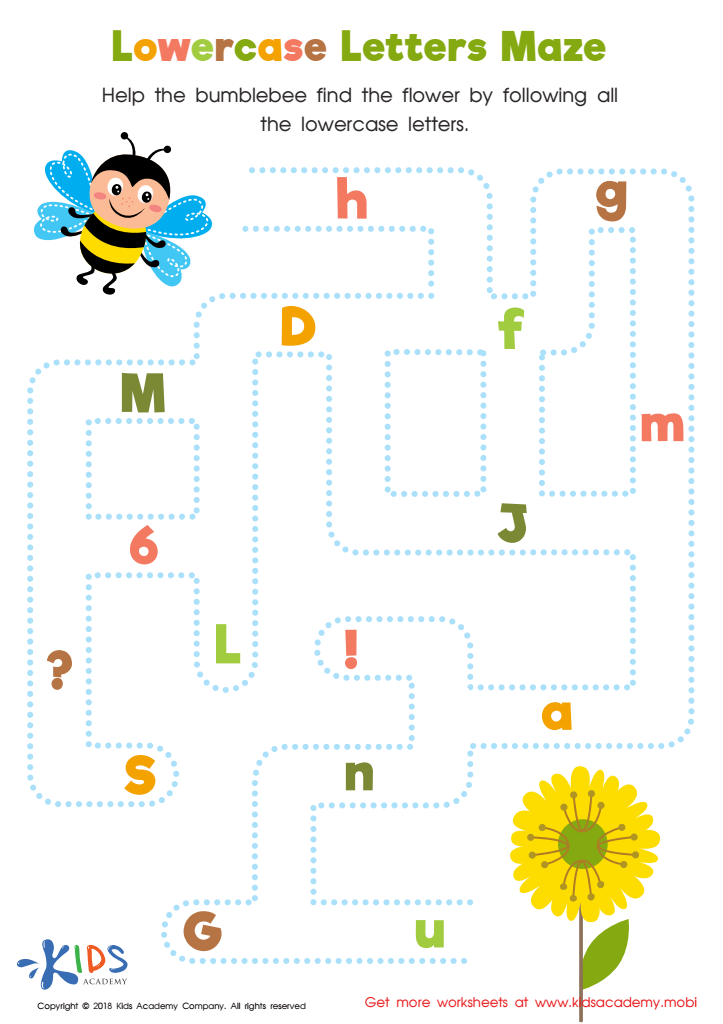
Lowercase Letters Maze Worksheet
 Assign to My Students


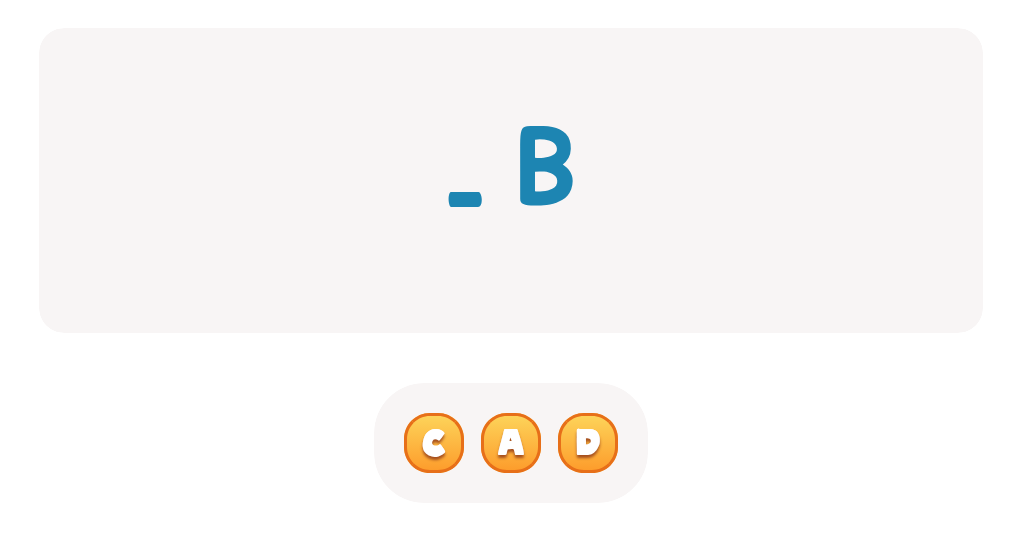

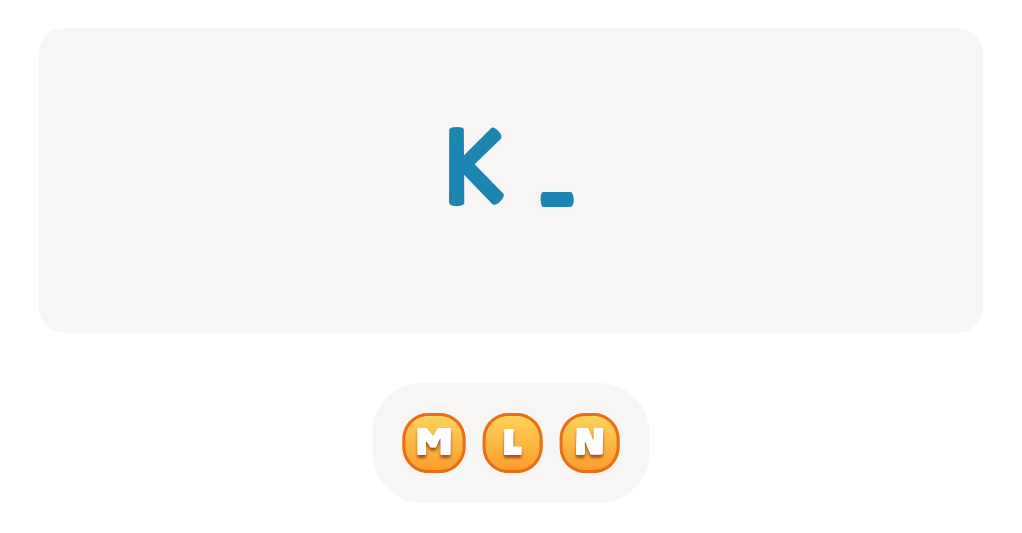




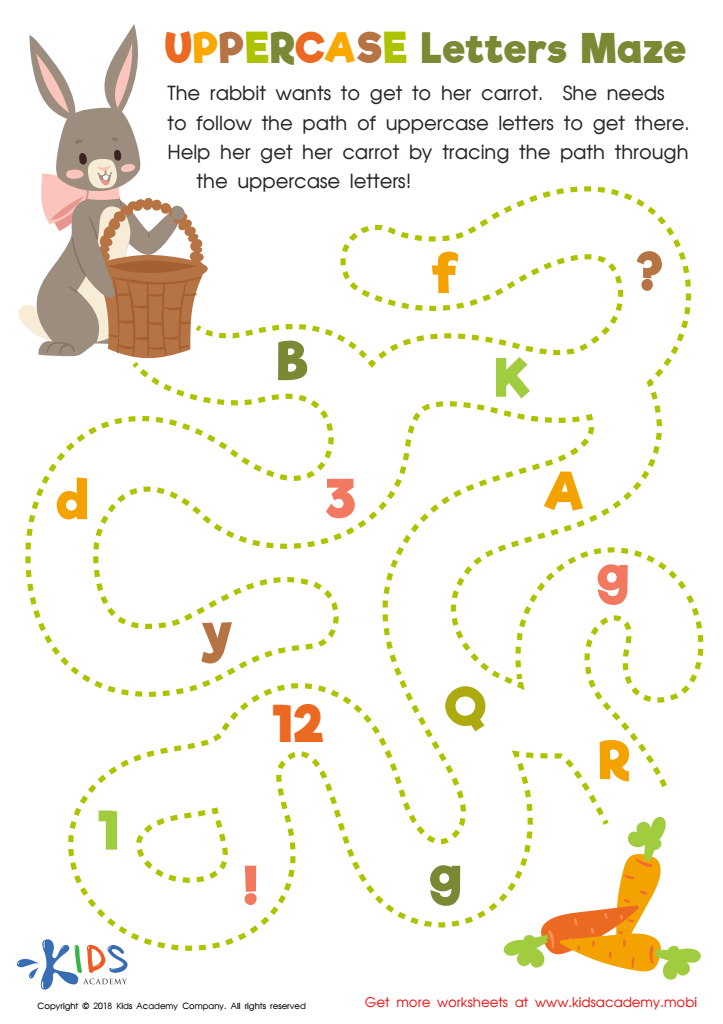
Uppercase Letters Maze Worksheet
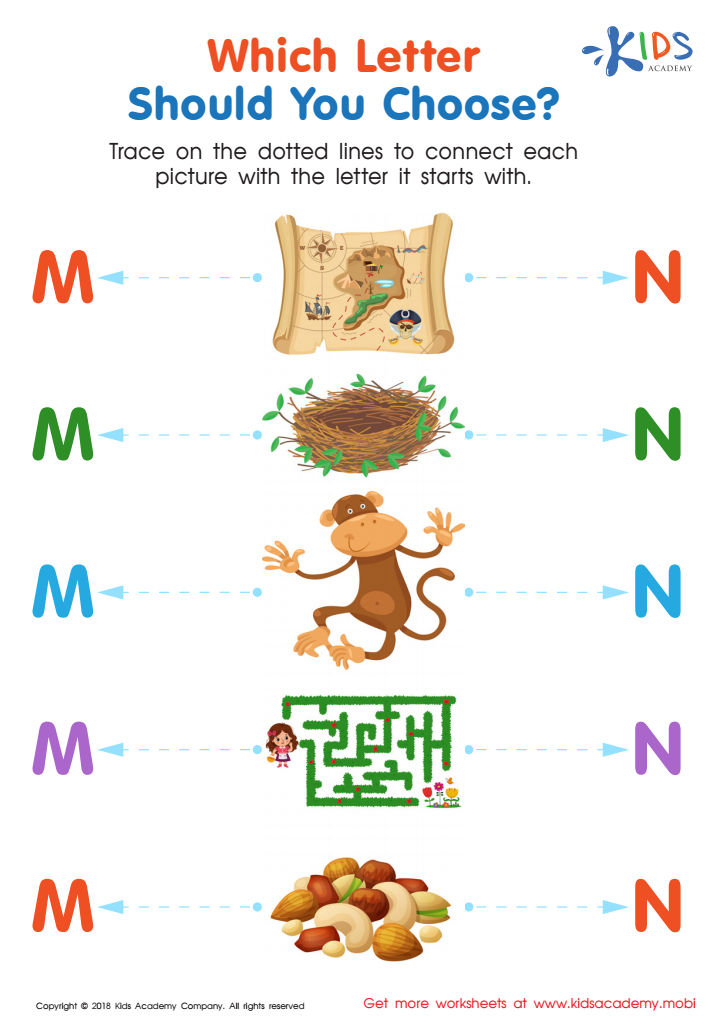
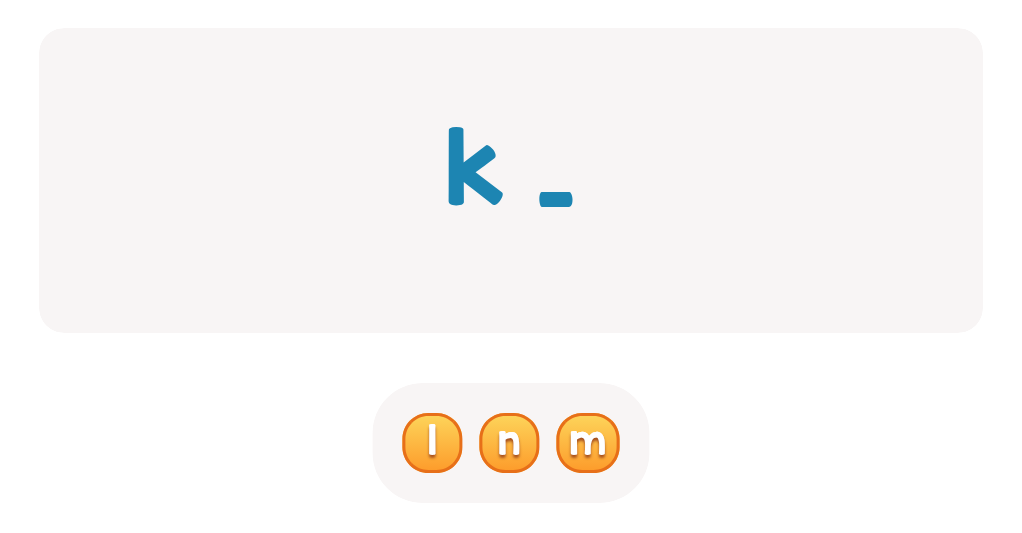
Which Letter Should you Choose? Worksheet






Parents and teachers should prioritize the development of problem-solving skills in children aged 6 to 8 for several compelling reasons. At this age, children are naturally curious and begin to encounter a variety of challenges, both in academic settings and daily life. By fostering strong problem-solving skills, we help children become independent thinkers who can analyze situations, weigh options, and make informed decisions.
Problem-solving equips young learners with the ability to approach challenges with confidence, fostering resilience and adaptability. When children face obstacles, they learn to develop strategies, think critically, and experiment with different solutions. These experiences are vital for both cognitive growth and emotional development, teaching them to cope with failures and celebrate successes.
Additionally, strong problem-solving abilities are essential for academic success across subjects. As children progress in school, they will encounter specialized problems in math, science, reading comprehension, and beyond. Early exposure to problem-solving not only enhances understanding but also encourages a love of learning.
By nurturing these skills, we prepare children not just for academic achievement but for lifelong success. Cultivating problem-solving in this formative stage lays the foundation for future critical thinking, essential in our complex world.







