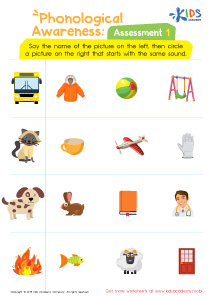
Vocabulary Building Normal Vowels Worksheets for Ages 6-8
3 filtered results
-
From - To
Discover our engaging "Vocabulary Building Normal Vowels Worksheets" designed for ages 6-8. These printable resources focus on enhancing vocabulary by exploring normal vowel sounds through fun and interactive activities. Our worksheets are perfect for helping young learners improve their reading and spelling skills, promoting a deeper understanding of vowel usage. Each carefully crafted worksheet includes exercises tailored to enhance phonemic awareness and language development. Ideal for both classroom and home use, these tools support the early literacy journey, making learning enjoyable and effective. Boost your child’s vocabulary and confidence with our expertly designed vowel worksheets.
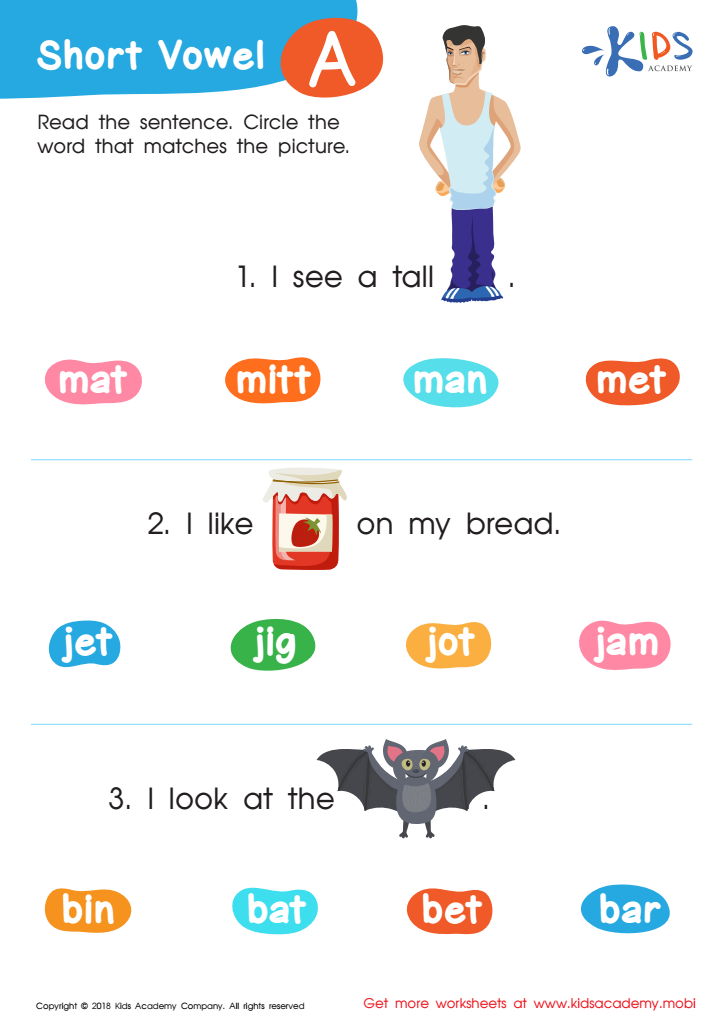
Short Vowel /a/ Worksheet
 Assign to My Students
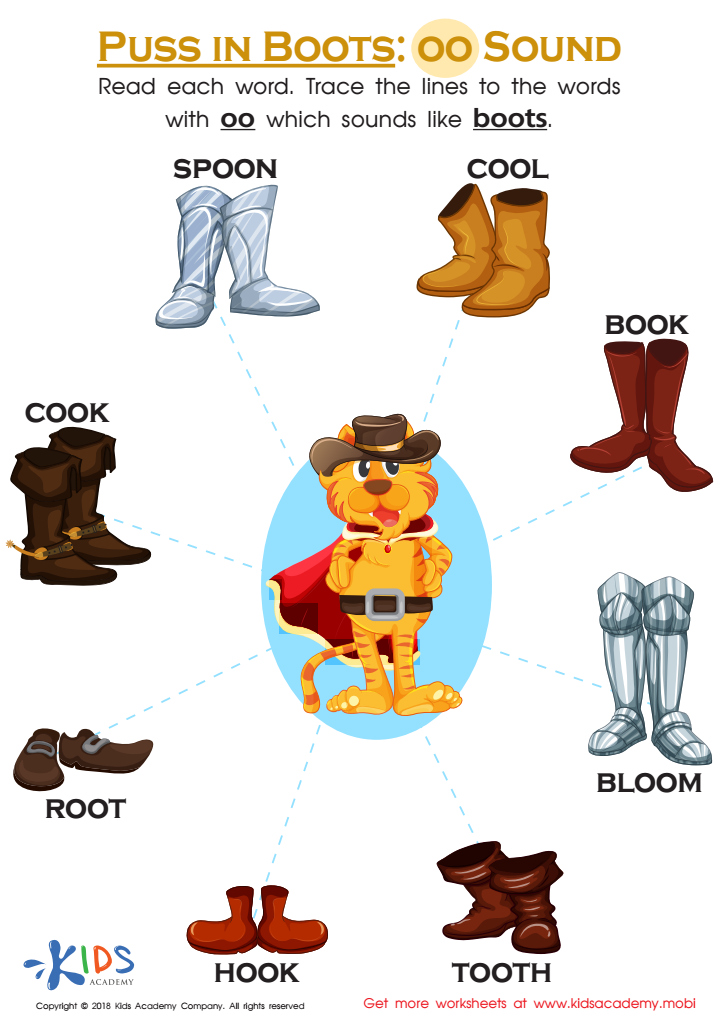
Puss in Boots: OO Sound Worksheet
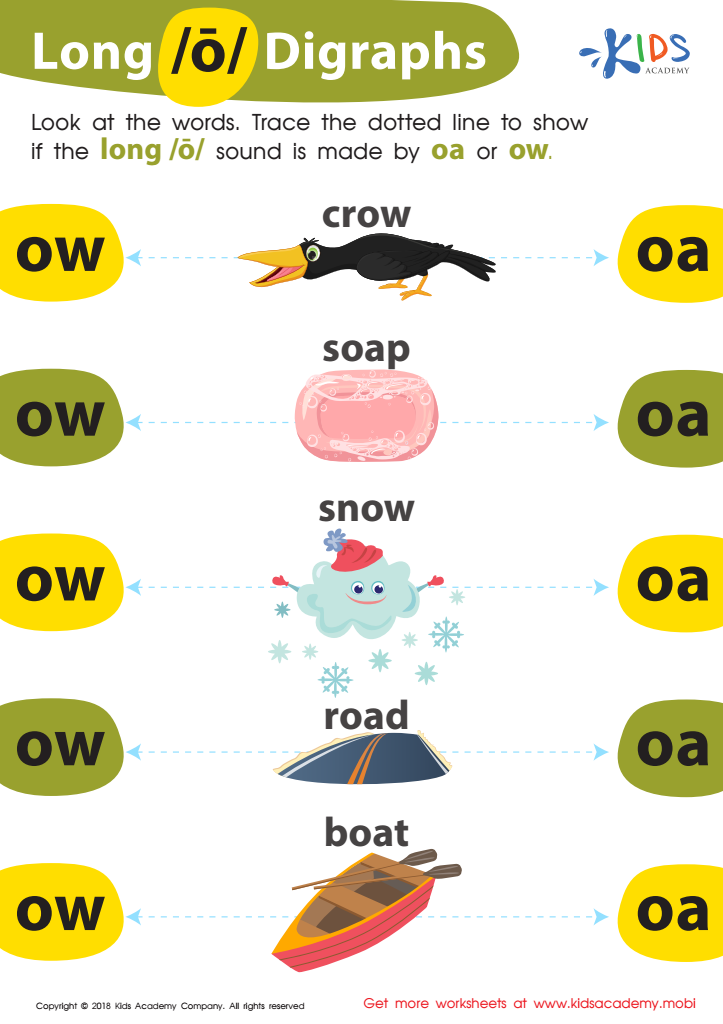
Reading: Long O Digraphs Worksheet





Parents and teachers should prioritize vocabulary building, especially focusing on normal vowels, for children aged 6-8 because it serves as a cornerstone for literacy development. At this crucial stage, children are transitioning from recognizing letters to reading more fluently. Understanding and properly using vowel sounds—like "a," "e," "i," "o," and "u"—helps children decode words more effectively. This decoding skill is vital for reading comprehension and fluency.
A strong vocabulary improves a child’s ability to grasp complex ideas and engage in learning across all subjects. When children can understand and pronounce words correctly, they are more likely to enjoy reading and feel confident about their communication skills. Early mastery of normal vowels also lays a solid foundation for spelling skills, reducing future struggles with written assignments.
Moreover, vocabulary building with the correct vowel sounds assists in enhancing listening and speaking abilities. Children with robust vocabularies can articulate thoughts better and understand spoken language more easily. This dual capability fosters participation in classroom discussions and social interactions, critical for emotional and social development.
In sum, investing time in building vocabulary and understanding normal vowels for children aged 6-8 equips them with essential tools for academic success and effective communication, fostering both cognitive and social-emotional growth.