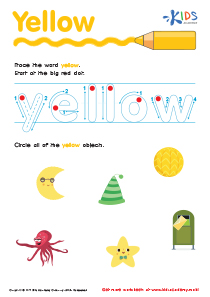
Alphabet tracing Normal English for Beginners Worksheets for Ages 6-8
5 filtered results
-
From - To
Welcome to our Alphabet Tracing Normal English Worksheets, specially designed for beginners aged 6-8! These engaging printable activities help young learners develop essential writing skills while becoming familiar with the English alphabet. Each worksheet features clear letters and ample space for tracing, ensuring children build confidence in their handwriting. With fun themes and vibrant illustrations, learning becomes an exciting adventure! Perfect for both classroom and home practice, our worksheets support early literacy development and enhance fine motor skills. Explore our collection today and give your child a solid foundation in English writing through enjoyable, hands-on learning experiences!
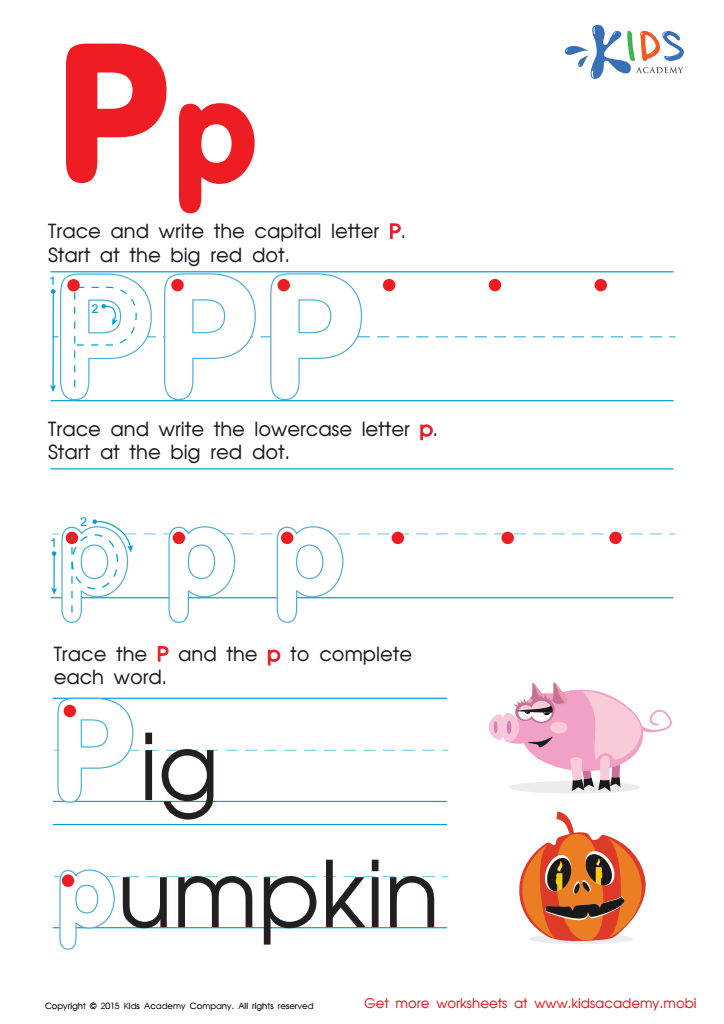
Letter P Tracing Page
 Assign to My Students
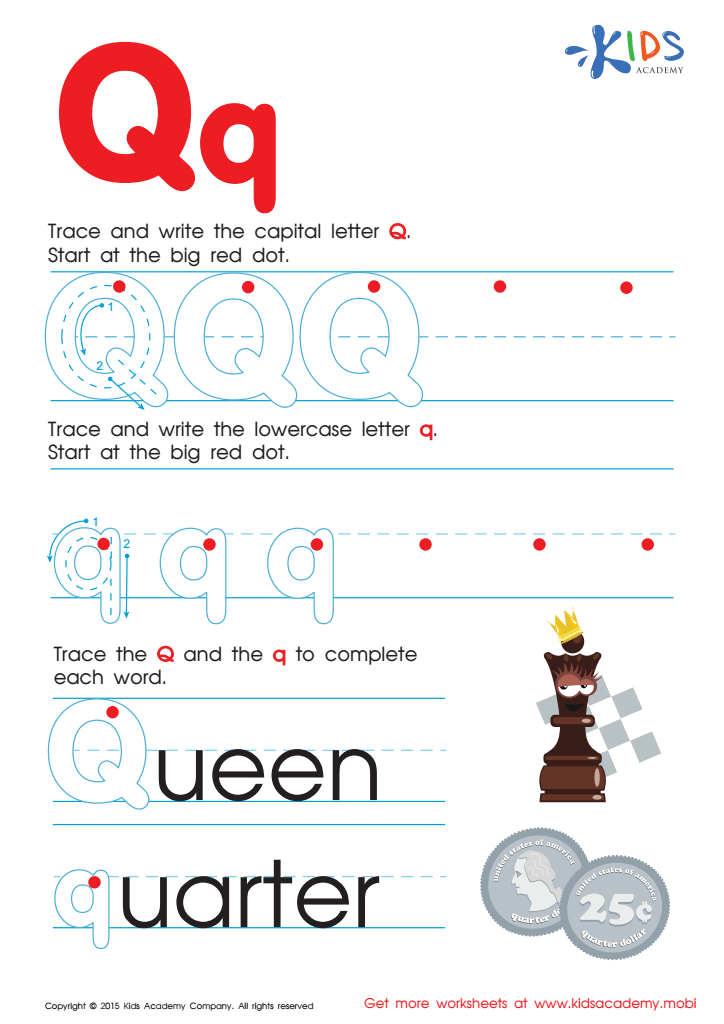
Letter Q Tracing Page
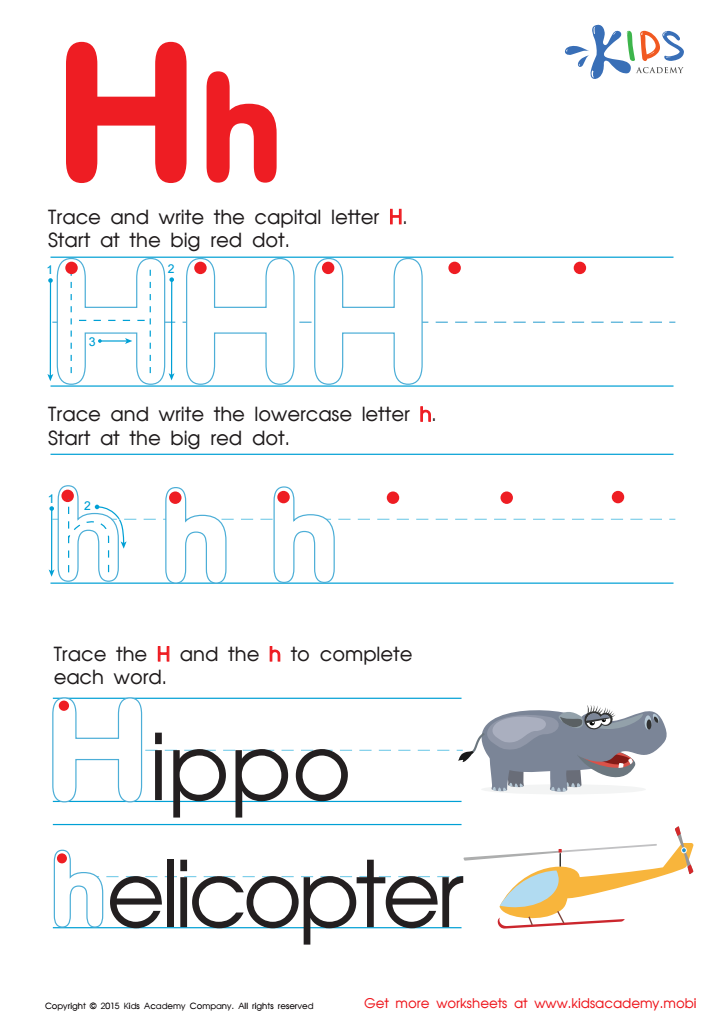
Letter H Tracing Page
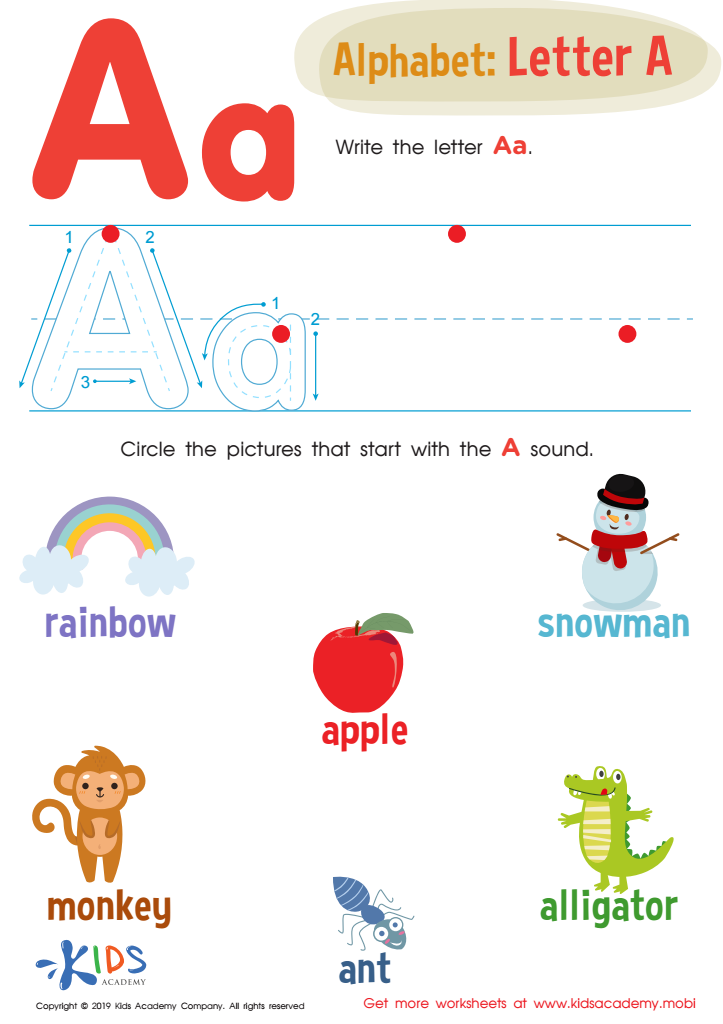
Letter A Tracing Worksheet

Letter D Tracing Page





Alphabet tracing is a foundational skill for children aged 6-8, as it plays a crucial role in literacy development. For both parents and teachers, facilitating this skill nurtures fine motor coordination and hand-eye coordination, essential for writing. Tracing letters promotes familiarity with the alphabet, helping children recognize shapes and sounds associated with each letter.
Moreover, early literacy skills not only contribute to reading proficiency but also boost overall academic performance. Engaging activities like tracing make learning enjoyable and interactive, fostering a positive attitude toward education. When children trace letters, they also practice correct stroke order, which can lead to neater handwriting in the future.
Parents and teachers should also consider the emotional benefits; successful tracing can build confidence and encourage persistence as children see their progress. Additionally, tracing activities can provide opportunities for meaningful parent-child or teacher-student interactions, further enhancing children’s motivation to learn.
Overall, incorporating alphabet tracing into early literacy activities aligns with developmental milestones and sets a solid foundation for future learning, making it a valuable focus for parents and educators concerned with children’s growth during these formative years.