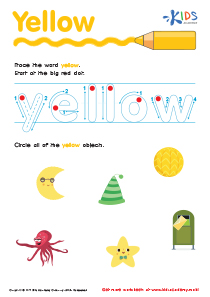
Alphabetical order understanding Normal English for Beginners Worksheets for Ages 6-8
3 filtered results
-
From - To
Enhance your child's understanding of alphabetical order with our expertly designed worksheets perfect for ages 6-8. Our engaging and educational worksheets help young learners master the fundamental order of letters in the alphabet. Each worksheet provides clear instructions and fun activities, enabling children to alphabetize words, identify patterns, and improve their vocabulary. Ideal for beginners, our resources support gradual learning with incremental difficulty levels, ensuring steady progress. Empower your child’s literacy journey with Kids Academy's well-structured and captivating learning materials, fostering both confidence and academic success in alphabetical proficiency. Download today and inspire a love for learning!
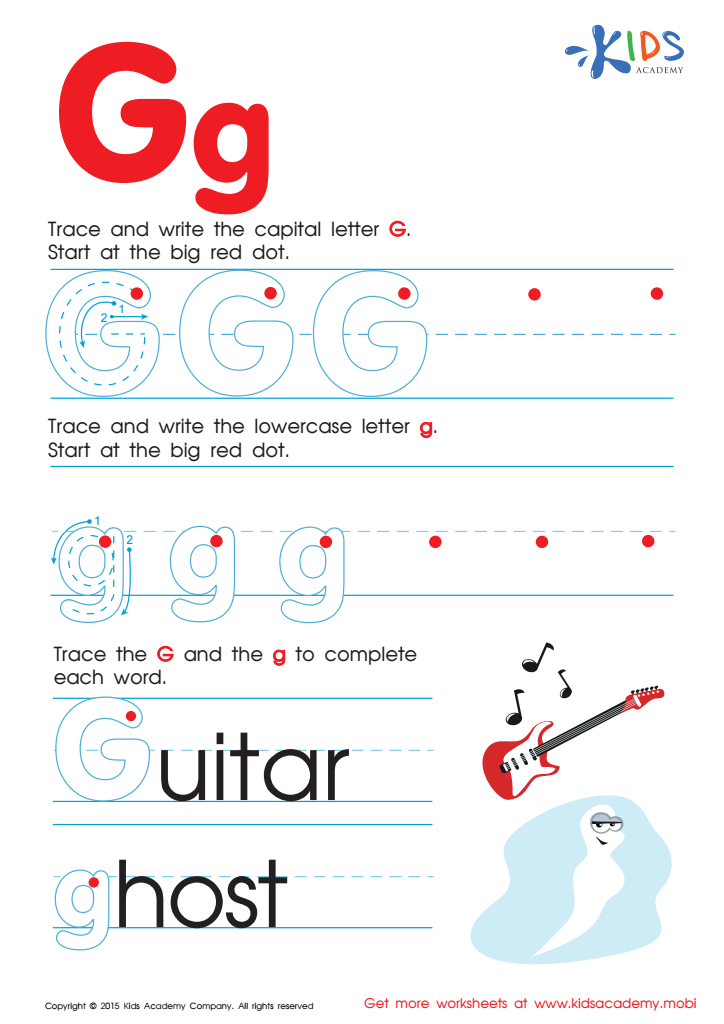
Letter G Tracing Page
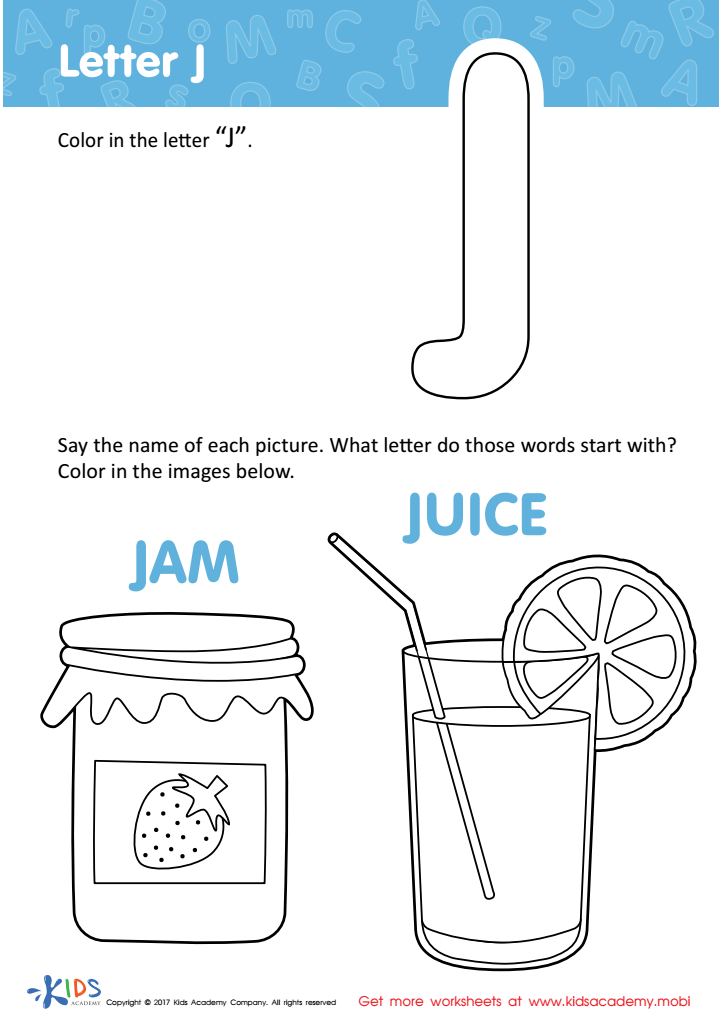
Letter J Coloring Sheet
 Assign to My Students
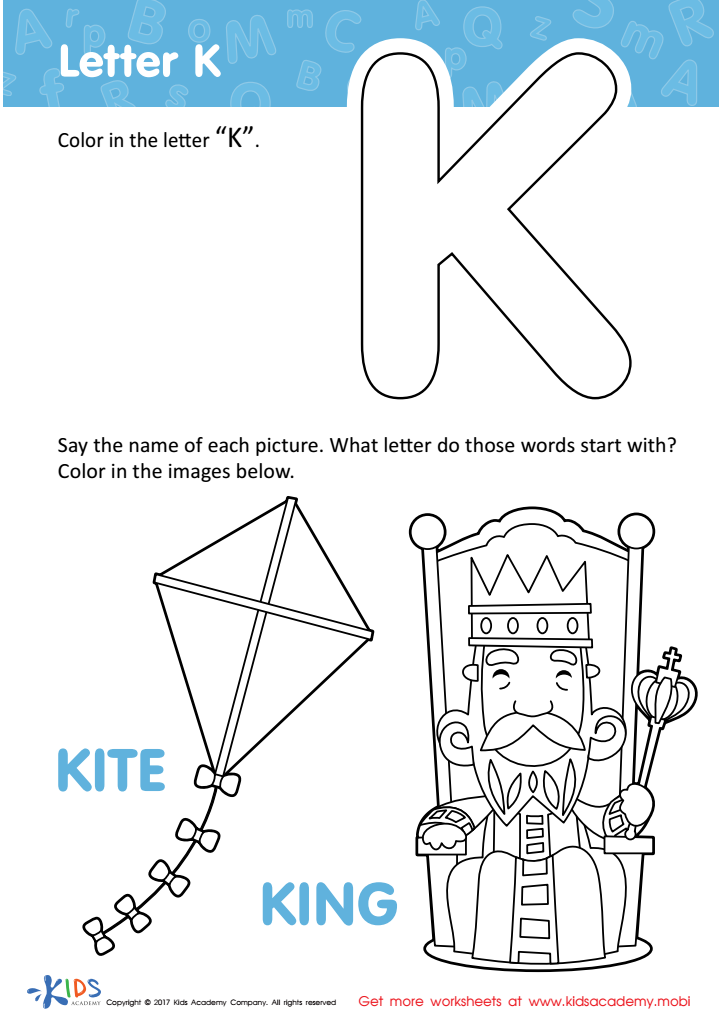
Letter K Coloring Sheet
Assign to My Students




Understanding alphabetical order is a foundational skill for young learners, particularly for those aged 6-8 who are beginning their journey in reading and writing. Alphabetical order teaches children how to sort and categorize words, which enhances cognitive development and organizational skills. It is crucial for dictionary use, enabling students to look up words efficiently and independently, fostering their love for reading and exploring new vocabulary.
For parents and teachers, emphasizing alphabetical order helps in reinforcing the sequence of letters, a vital aspect of phonics instruction. This knowledge aids in spelling and improves the students’ ability to recognize patterns in words, which is essential for reading fluency. Moreover, activities involving alphabetical order can be engaging and fun, such as games or song-based learning, making the educational process enjoyable for young students.
In addition, an understanding of alphabetical order strengthens students’ abilities to follow instructions and work logically. It prepares them for more complex literacy skills and sets a strong academic foundation. When children master alphabetical order, they gain confidence in their learning abilities, allowing parents and teachers to support their further academic progress more effectively. Thus, paying attention to this basic element is vital for a rounded early education.