Fine Motor Skills Normal English for Beginners Worksheets for Ages 6-8 - Page 2
32 filtered results
-
From - To
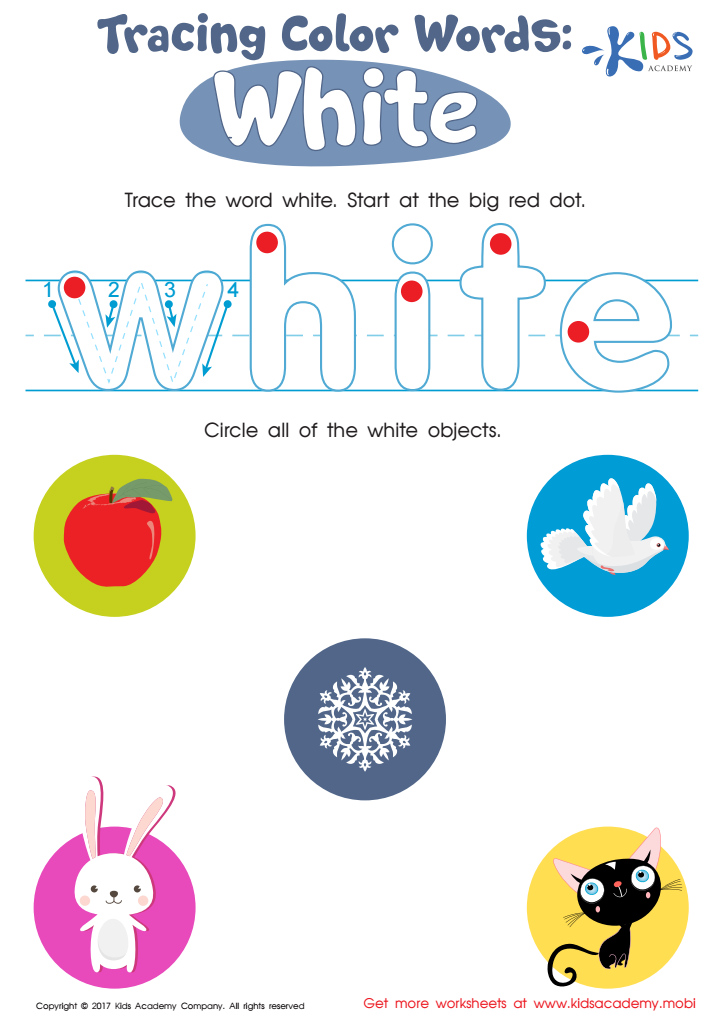
White Tracing Color Words Worksheet
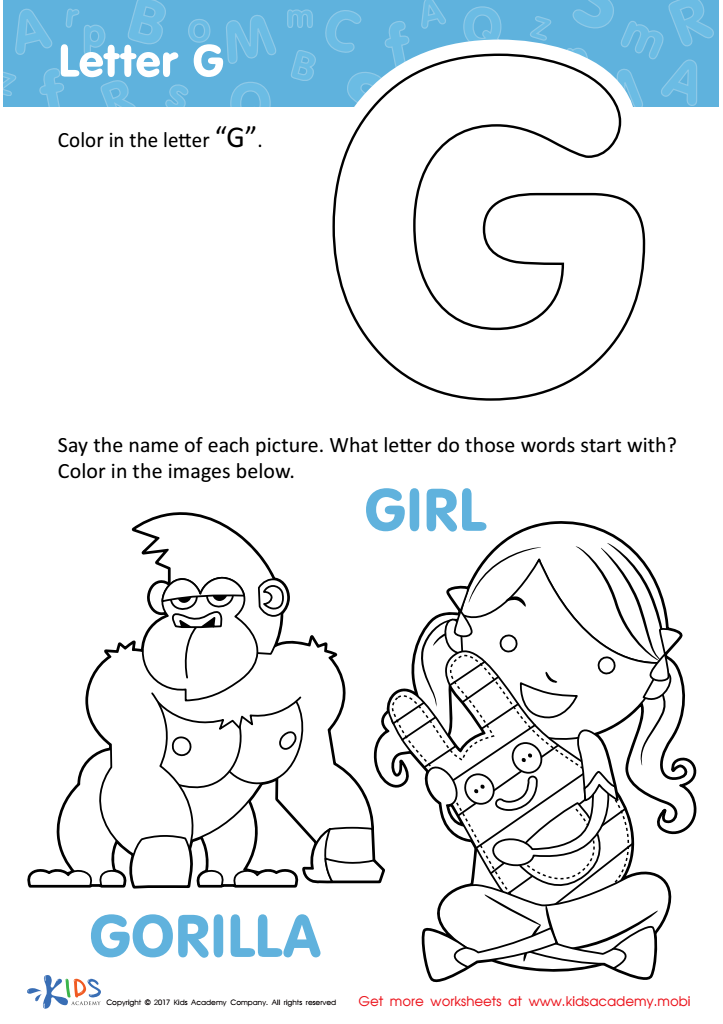
Letter G Coloring Sheet
 Assign to My Students
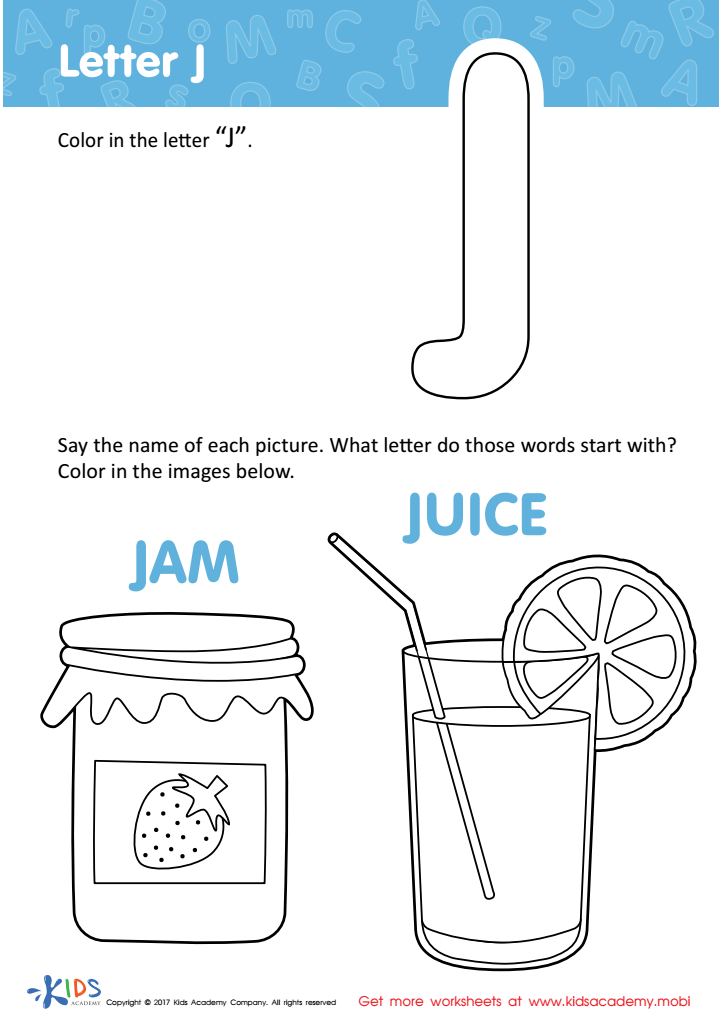
Letter J Coloring Sheet
Assign to My Students
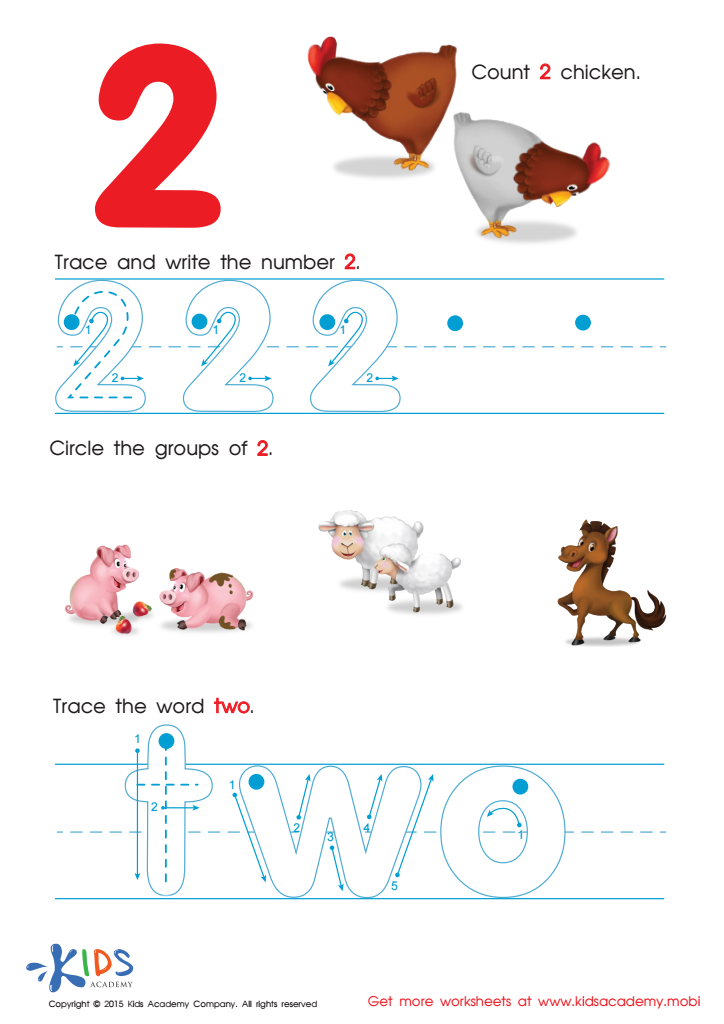
Learn to Write the Number 2 Worksheet

Letter F Tracing Page
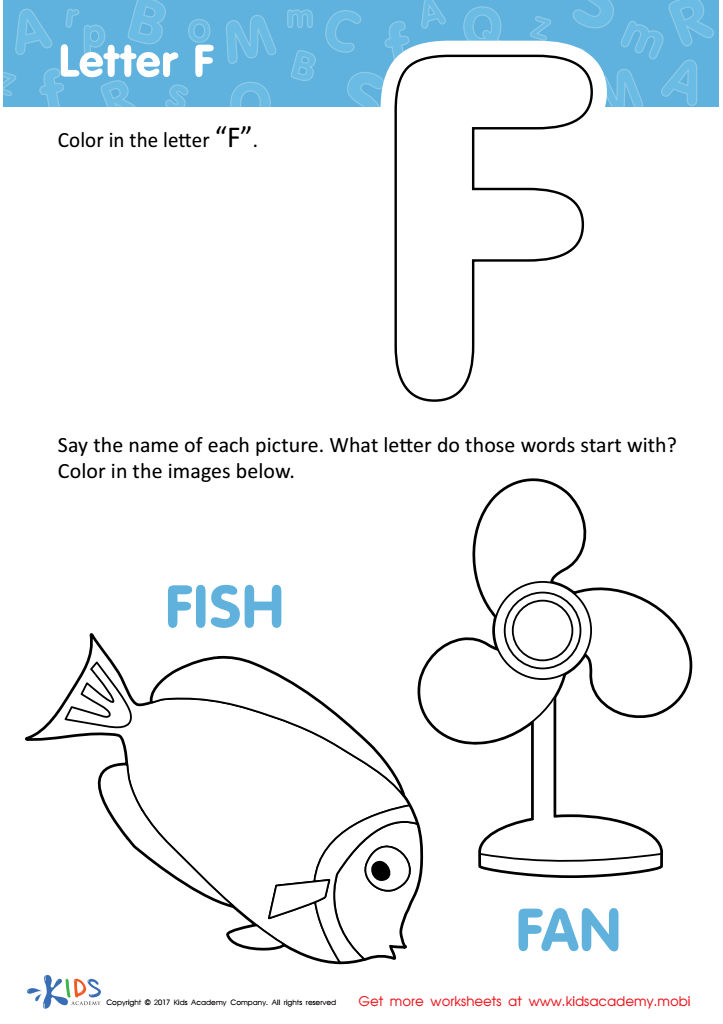
Letter F Coloring Sheet
Assign to My Students
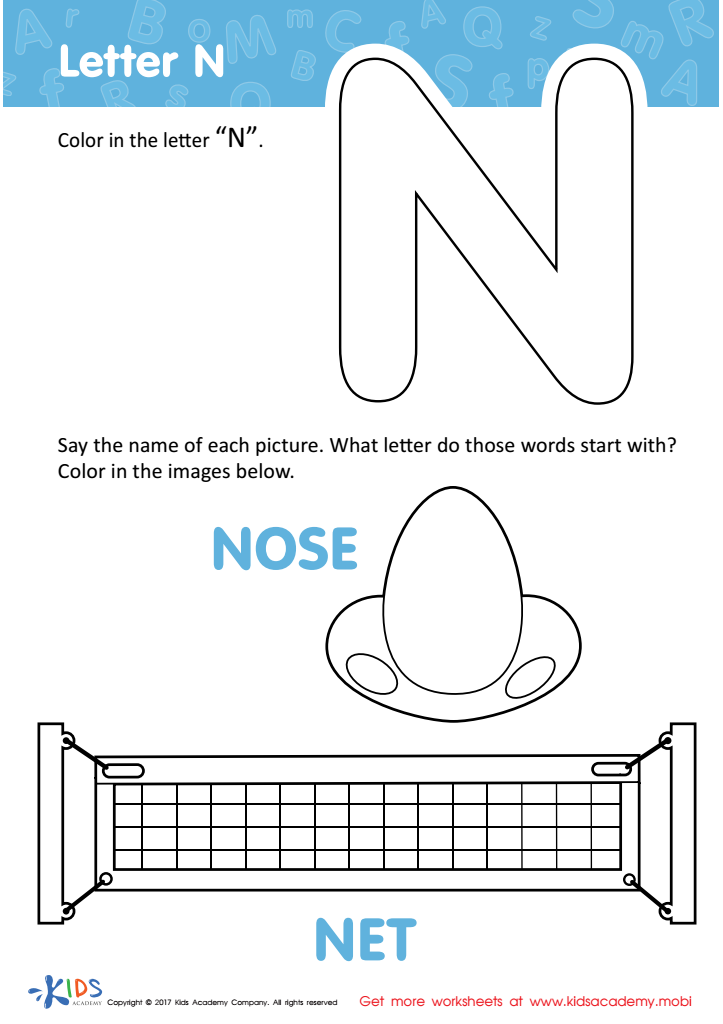
Letter N Coloring Sheet
Assign to My Students

Letter D Tracing Page





Fine motor skills are important for children ages 6-8 because they involve the small muscles in the hands and fingers, which are essential for everyday activities and academic success. When children improve these skills, they can perform tasks like writing, using scissors, and buttoning coats more easily and confidently.
For parents and teachers, helping children develop fine motor skills means creating opportunities for activities like drawing, coloring, cutting paper, and playing with building blocks. These activities not only make learning fun but also help strengthen hand-eye coordination and dexterity.
Strong fine motor skills contribute to better handwriting, a key aspect of a student's academic achievements. When children can write clearly and quickly, they can focus more on learning new ideas rather than struggling to form letters. Also, these skills boost children's independence in tasks like tying shoelaces and opening lunch boxes, making them feel more capable and confident.
In short, fine motor skills are crucial for children's overall development and readiness for school tasks. Parents and teachers should pay attention to these skills because they play a significant role in academic performance and daily life. Activities that enhance fine motor skills help children succeed both in and out of the classroom.