Developing analytical thinking Normal Worksheets for Ages 6-8
5 filtered results
-
From - To
Help your child build essential analytical thinking skills with our engaging Normal Worksheets for ages 6-8! Designed to encourage critical reasoning and problem-solving, these worksheets combine fun activities with educational value. Each worksheet features age-appropriate exercises that foster curiosity and enhance cognitive skills, such as pattern recognition, comparison, and logical reasoning. Perfect for home or classroom use, our resources support diverse learning styles and keep children motivated to learn. Equip your young learners with the tools they need to succeed in future academic endeavors while keeping their learning experience enjoyable and interactive! Explore our collection today!
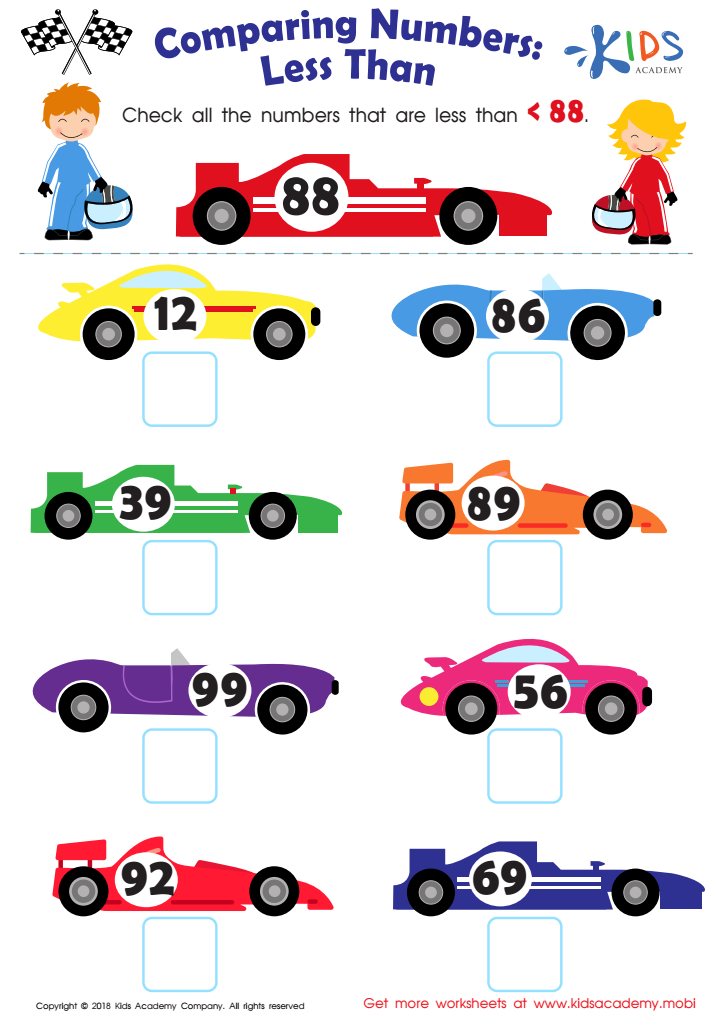
Less Than Worksheet
 Assign to My Students
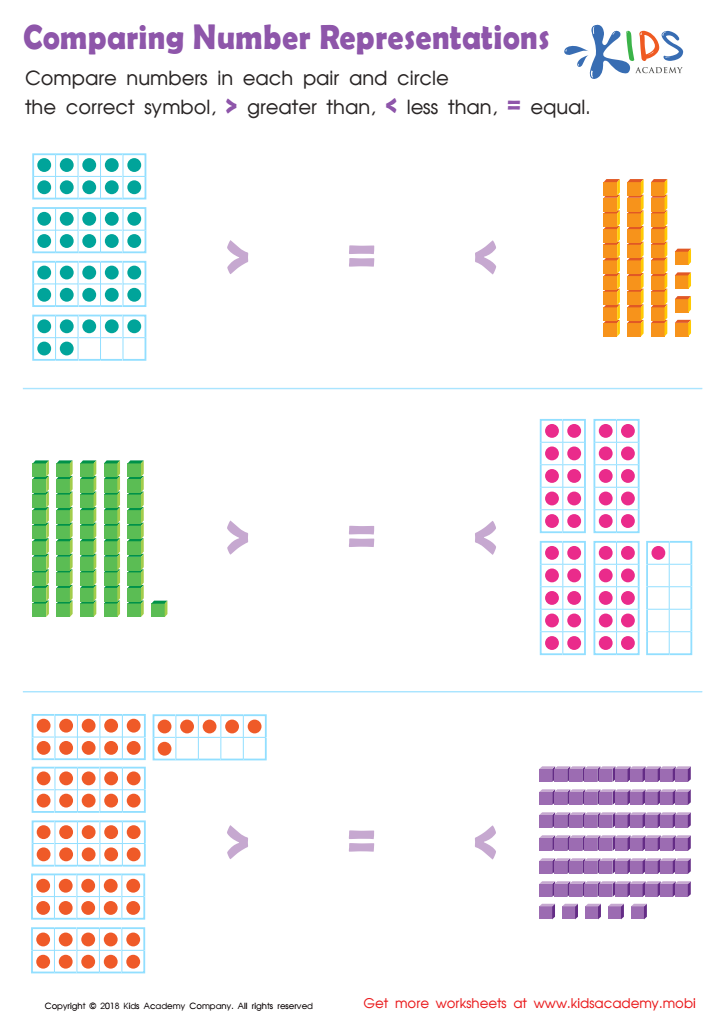
Comparing Number Representations Worksheet
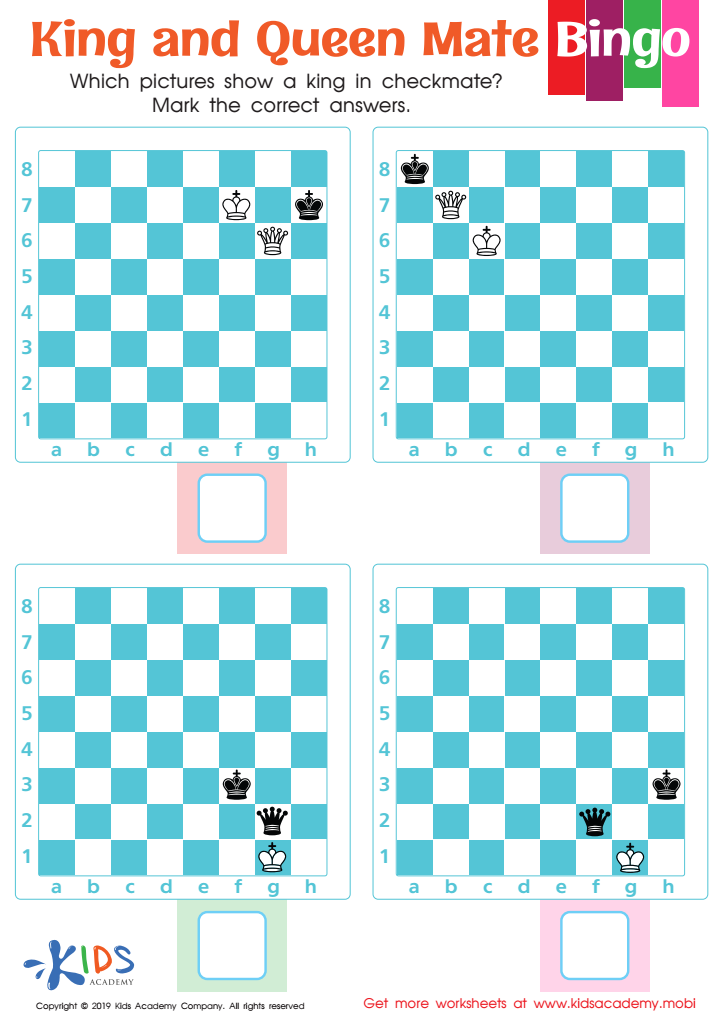
King and Queen Mate: Bingo Worksheet
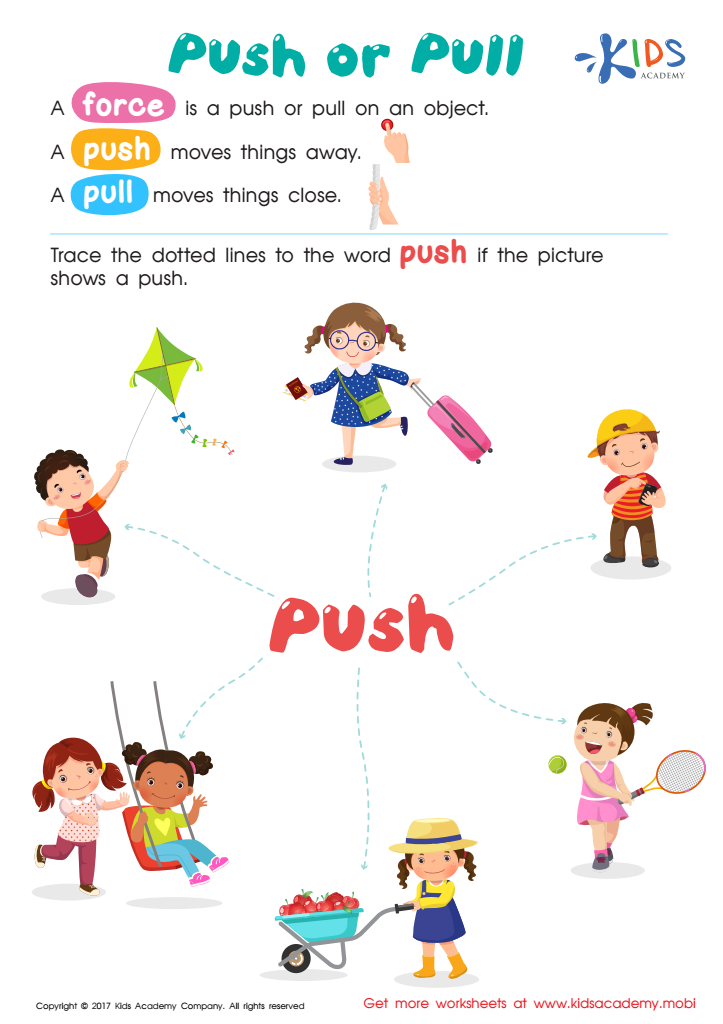
Push or Pull Worksheet
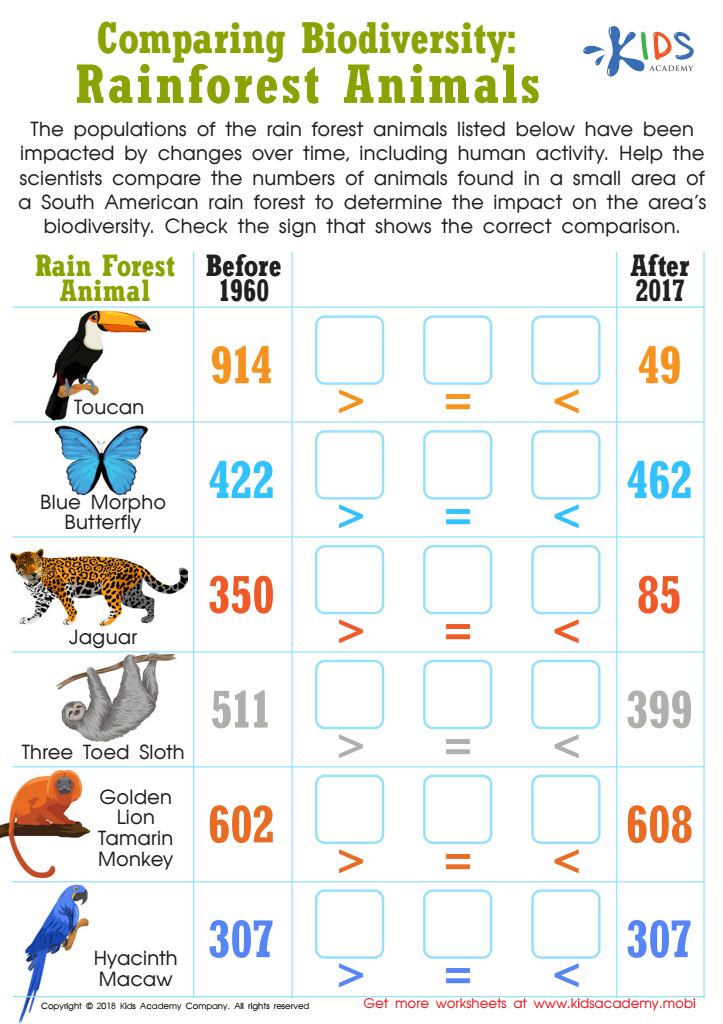
Comparing Biodiversity: Rainforest Animals Worksheet








Developing analytical thinking skills in children aged 6-8 is crucial, as this foundational stage of cognitive development greatly influences their future learning and problem-solving abilities. Analytical thinking enables children to assess situations, ask questions, and make informed decisions. When parents and teachers actively cultivate these skills, they empower children to think critically about the world around them, enhancing their ability to interpret information and solve everyday challenges.
At this age, children are naturally curious, and encouraging them to analyze, compare, and reflect on their experiences fosters a love of learning. Engaging in activities that promote observation, categorization, and reasoning helps develop their cognitive flexibility, enabling them to tackle more complex concepts in the future.
Incorporating games, discussions, and real-life problem-solving scenarios allows children to practice and refine analytical skills. By prioritizing this development, parents and teachers contribute to children's academic success, social competence, and emotional resilience. These skills are not only applicable in a classroom setting but also in daily life, encouraging independence and confidence in decision-making. Ultimately, nurturing analytical thinking in young children lays the groundwork for lifelong learners who can navigate challenges and seize opportunities in a rapidly changing world.








