Improving observation skills Normal Worksheets for Ages 6-8
4 filtered results
-
From - To
Enhance your child’s observation skills with our engaging Normal Worksheets designed for ages 6-8! These worksheets provide fun and interactive activities that focus on sharpening children's ability to notice details, analyze visuals, and improve critical thinking. Our carefully crafted tasks promote exploration and curiosity, encouraging young learners to observe their surroundings effectively. Parents and educators can utilize these resources to facilitate learning in schools or at home, making it easy to integrate valuable observation practices into daily routines. Unlock your child's potential and boost their learning experience with our expertly designed worksheets tailored to develop essential observation skills!
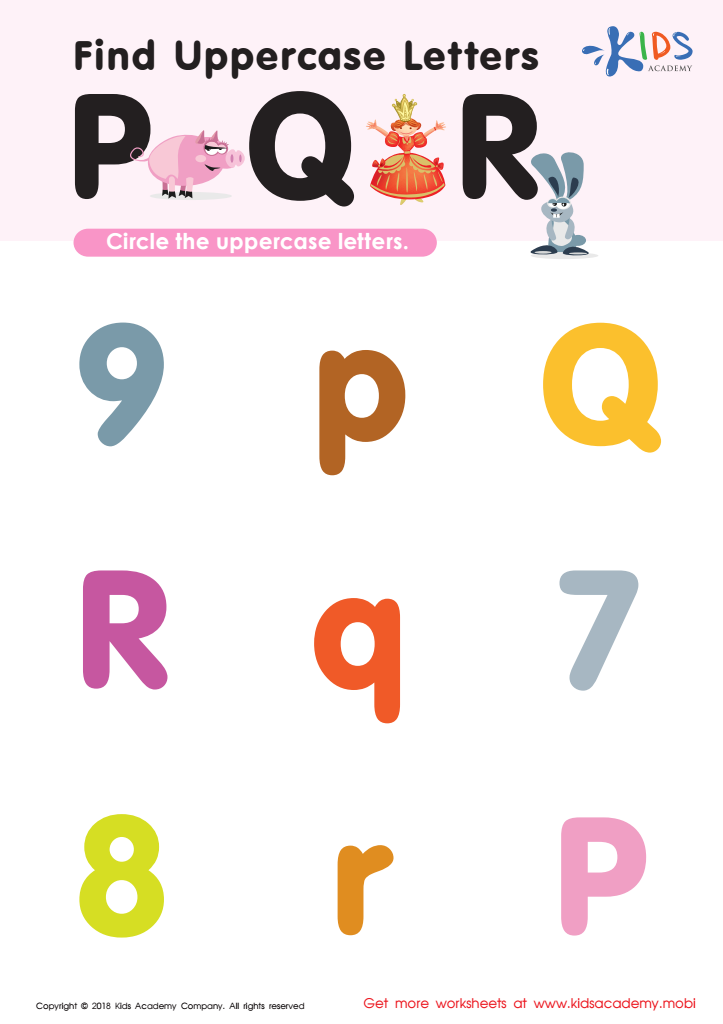
Find Uppercase Letters P, Q, and R Worksheet
 Assign to My Students
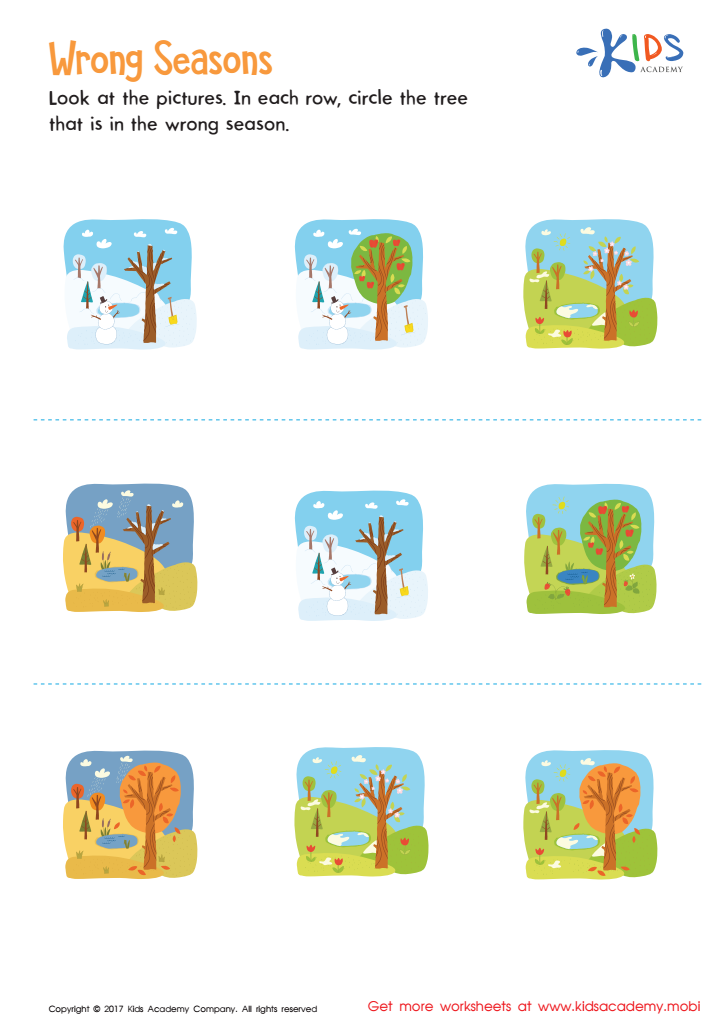
Wrong Seasons Worksheet
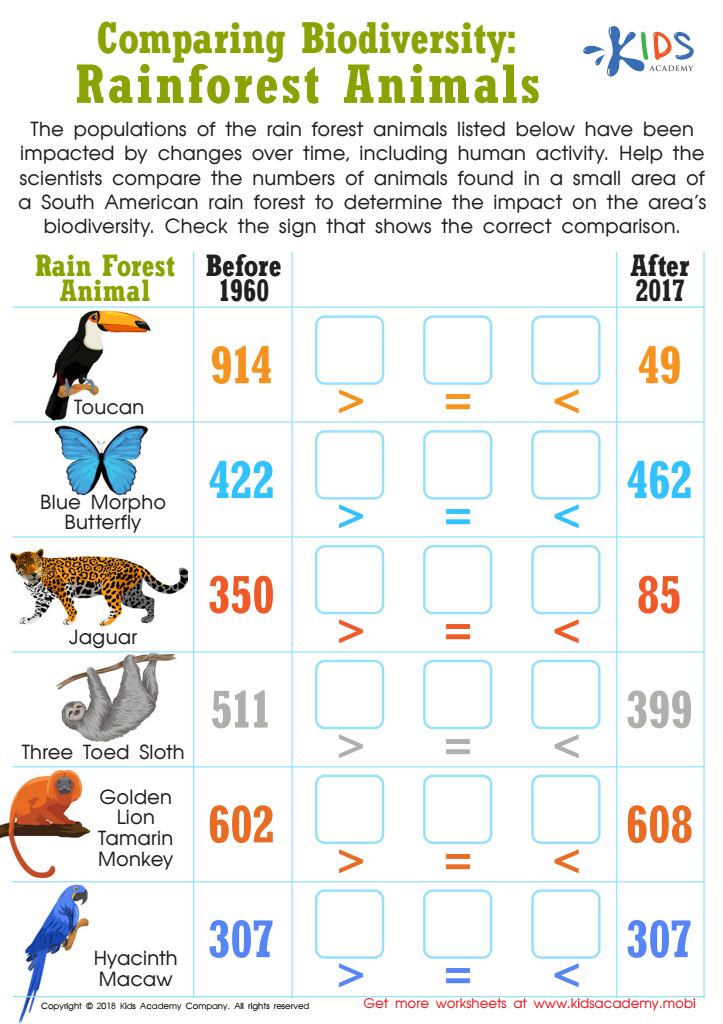
Comparing Biodiversity: Rainforest Animals Worksheet
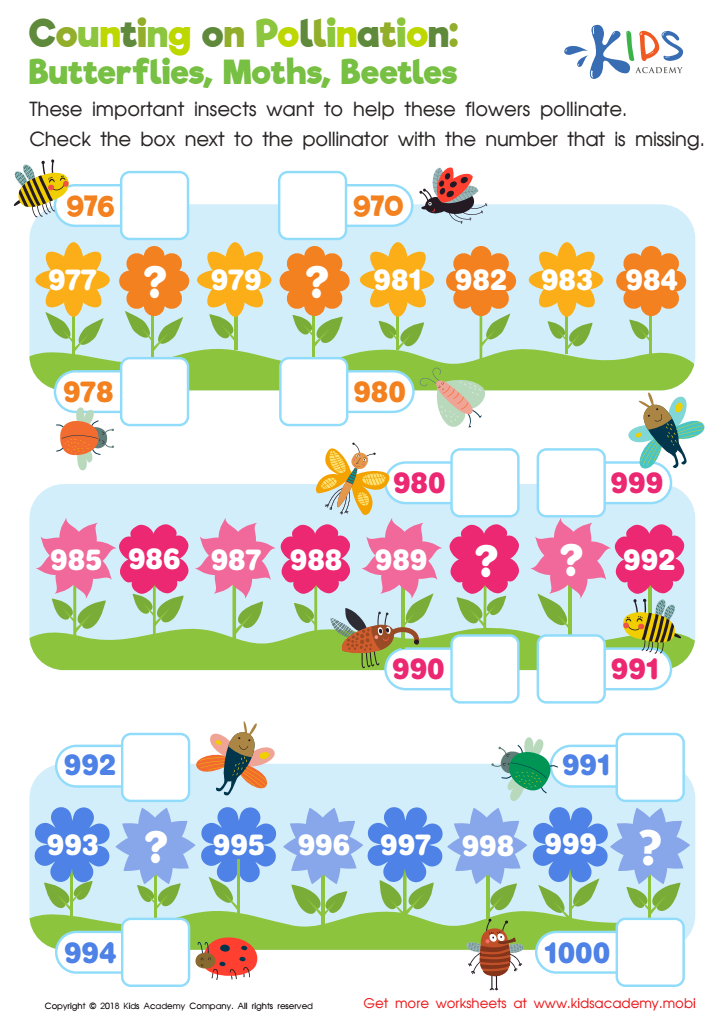
Counting on Pollination: Butterflies, Moths, Beetles Worksheet




Improving observation skills in children ages 6-8 is crucial for several reasons. At this developmental stage, children explore the world with curiosity and enthusiasm. By enhancing their observation skills, parents and teachers can foster critical thinking, creativity, and problem-solving abilities. These skills empower children to engage with their environment more thoughtfully, encouraging them to ask questions and seek answers.
Observation skills also lay the foundation for effective learning across subjects. For instance, in science, children can better understand concepts by observing natural phenomena. In mathematics, they can enhance their spatial awareness and logical reasoning through careful observation of shapes and patterns. Additionally, strong observation skills help children develop social-emotional intelligence, as they learn to read emotions and body language in others, improving their communication and empathy.
Moreover, in an increasingly digital world, where attention spans may wane, honing observation skills encourages mindfulness and attention to detail. It helps children become active learners rather than passive consumers of information. Ultimately, investing time in improving observation skills equips children to navigate their surroundings effectively, fosters a love for learning, and prepares them for lifelong success both in and out of the classroom.








