Fine Motor Skills Normal Building Vocabulary Worksheets for Ages 6-8
8 filtered results
-
From - To
Enhance your child's learning experience with our "Fine Motor Skills Normal Building Vocabulary Worksheets for Ages 6-8." Designed to boost fine motor skills and enrich vocabulary, these printable worksheets offer engaging activities catered to kids aged 6 to 8. Each worksheet marries education with fun, focusing on handwriting, tracing, and small precise movements, crucial at this developmental stage. Ideal for in-class teaching or at-home practice, these resources support reading proficiency and vocabulary expansion while nurturing essential motor skills. Empower your child with the tools for success in a stimulating and supportive learning environment. Download now to start building foundational skills!
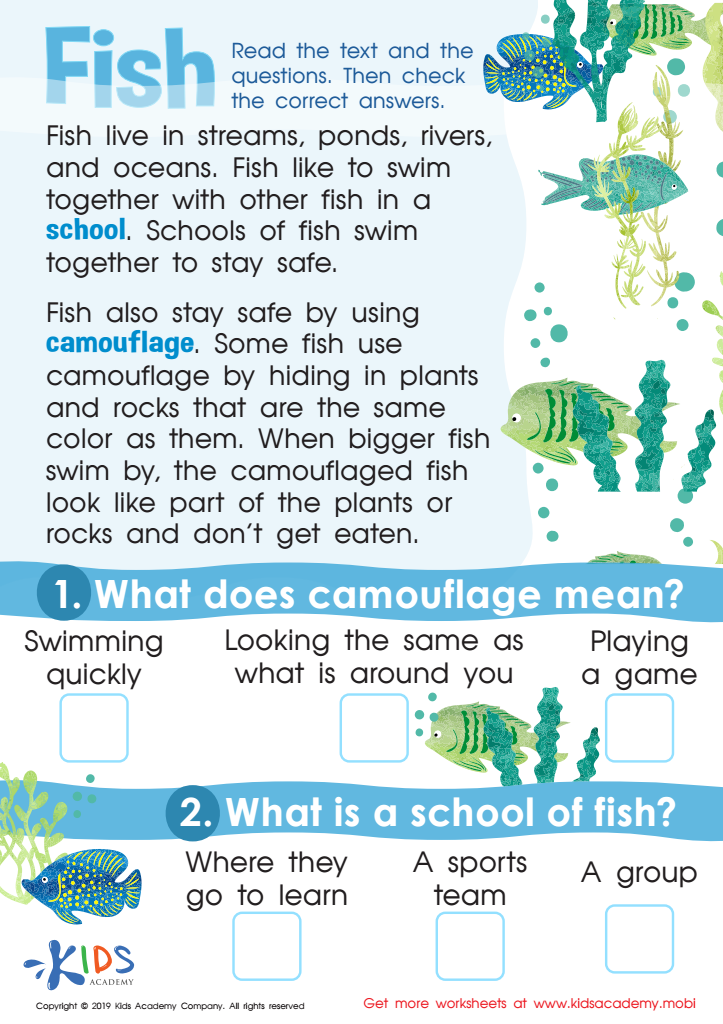
Fish Worksheet
 Assign to My Students












The Dog and His Bone Worksheet
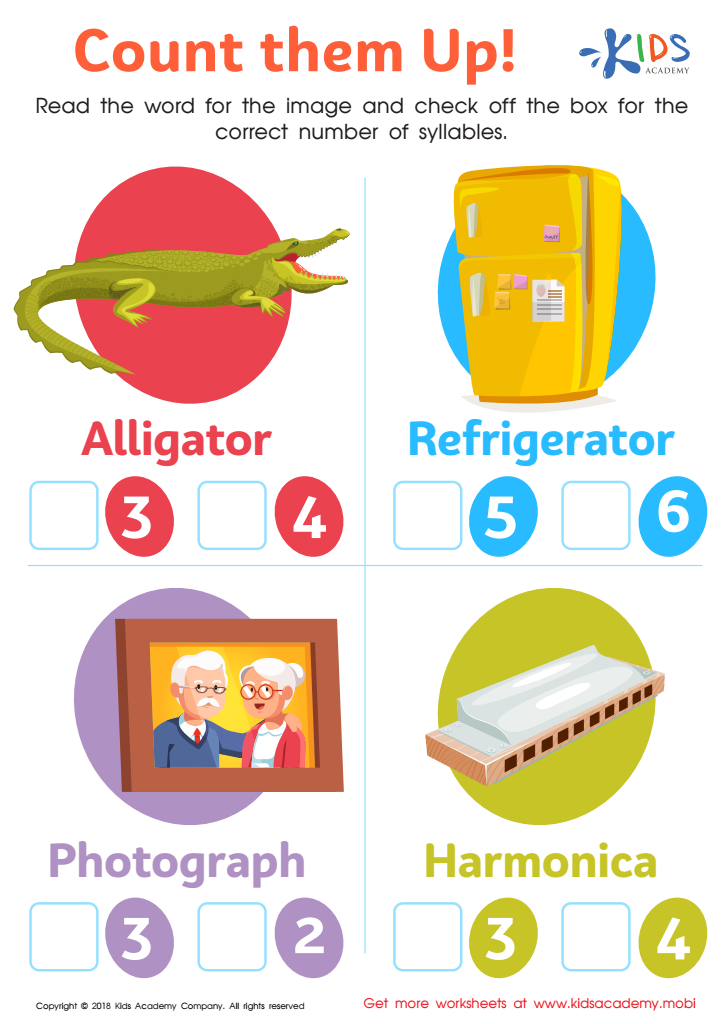
Count Them Up Worksheet
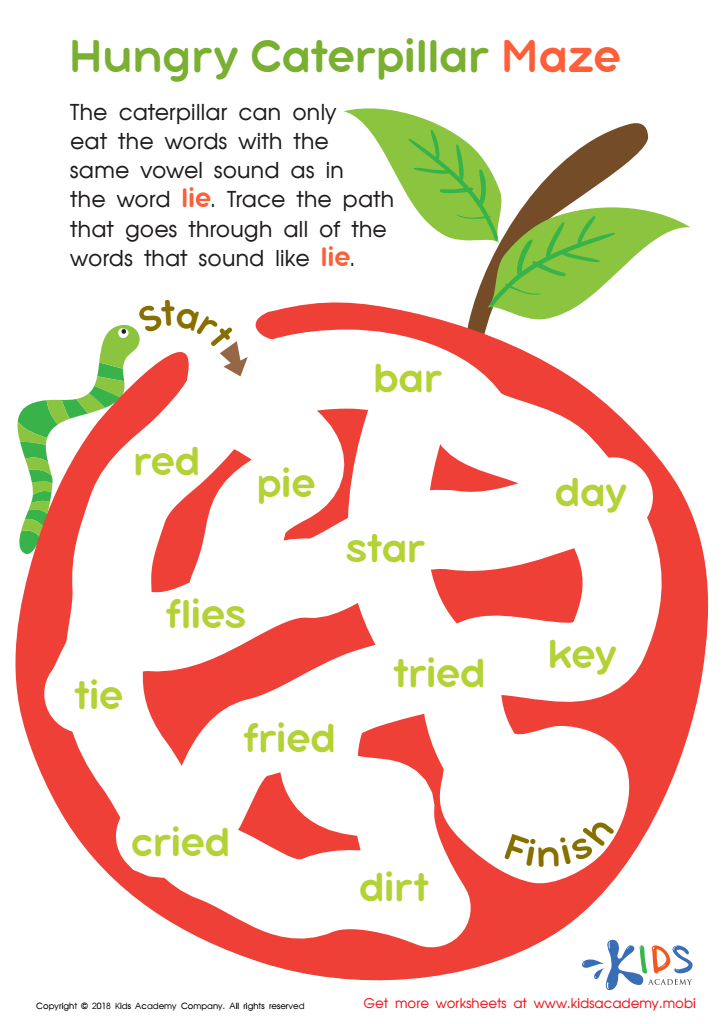
Hungry Caterpillar Maze Worksheet
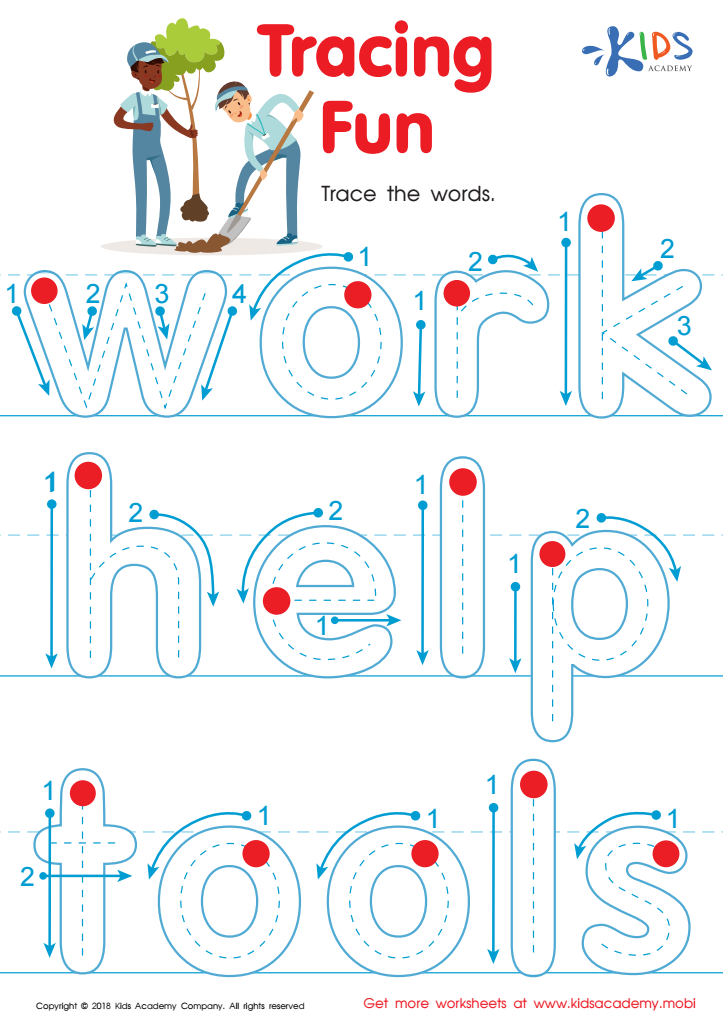
Tracing Fun Worksheet
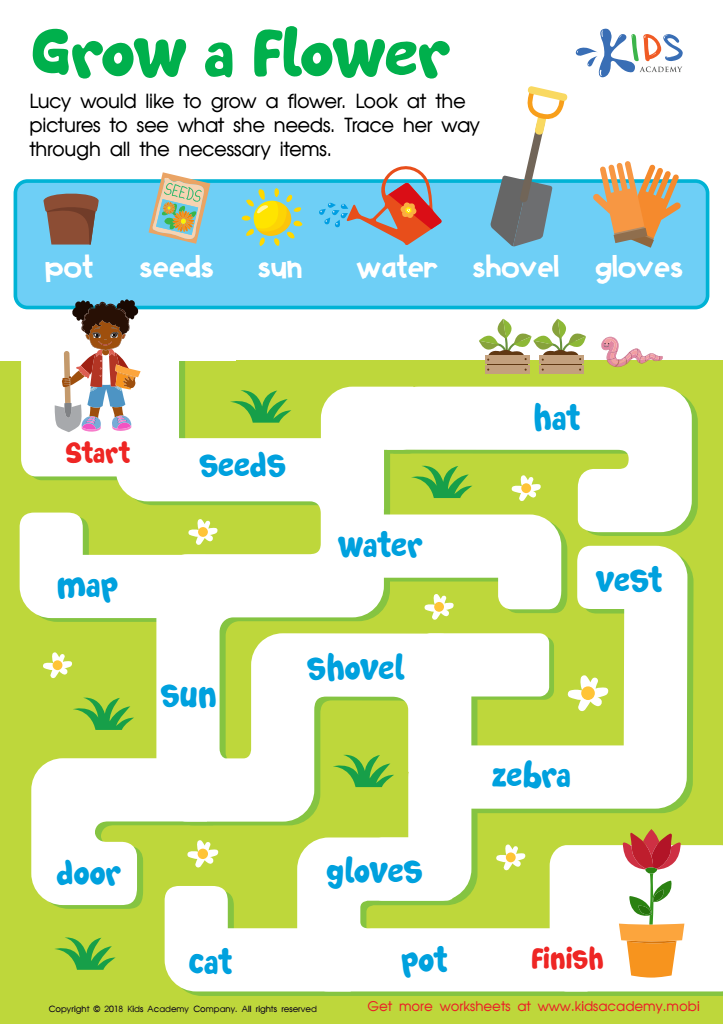
Grow a Flower Worksheet
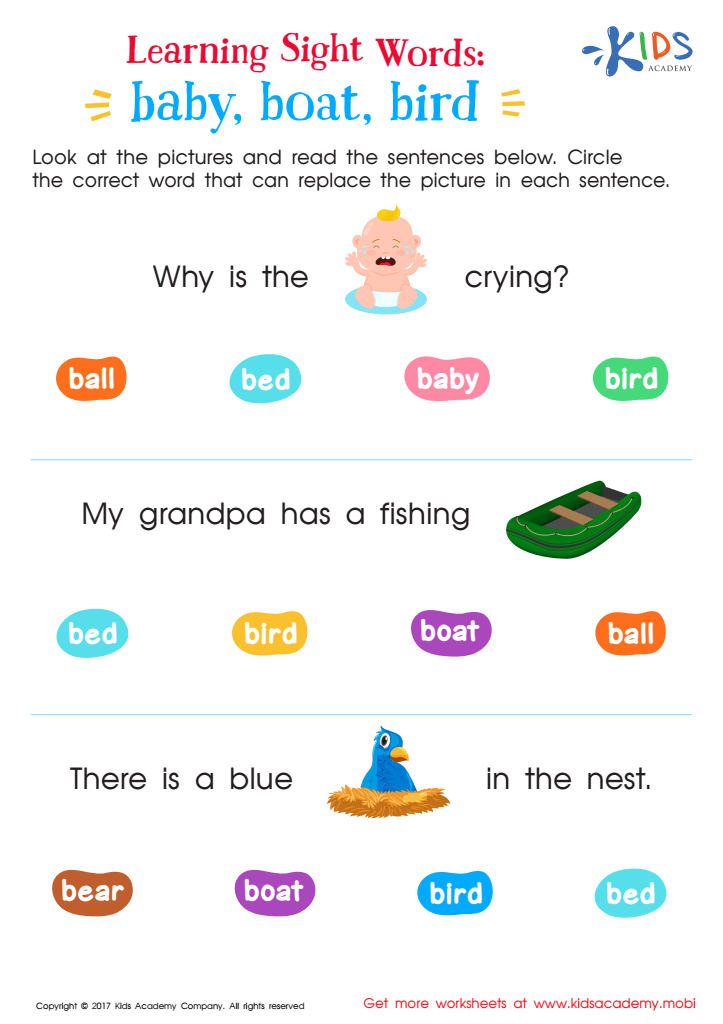
Baby, Boat, Bird Worksheet Sight Words Worksheet
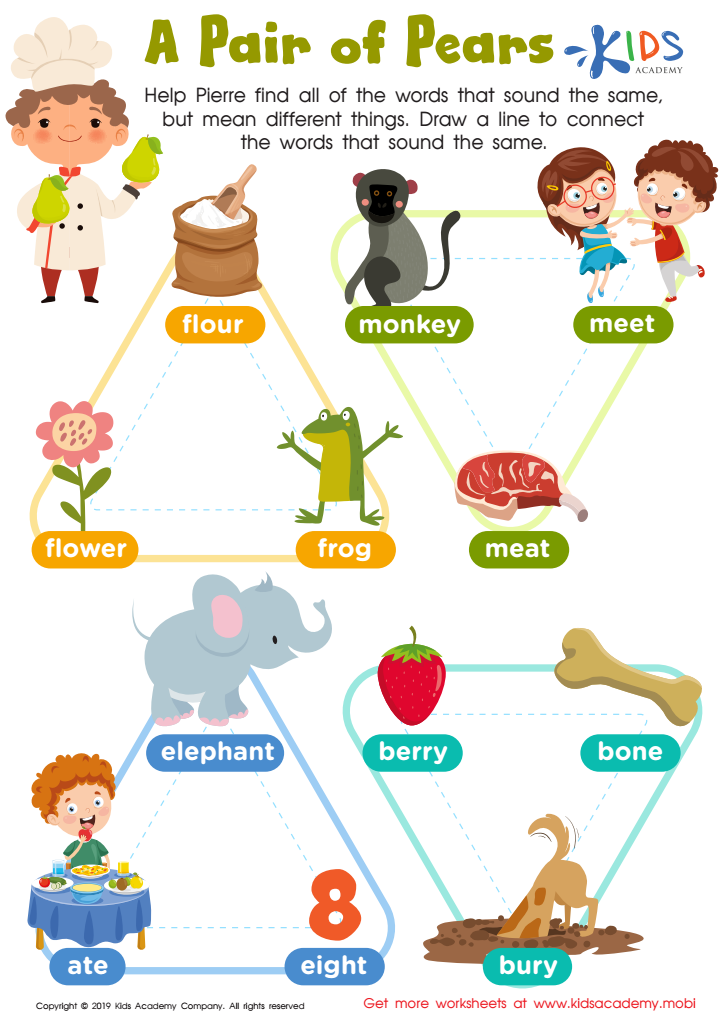
Pair Pears Worksheet






.jpg)
.jpg)
Fine motor skills and vocabulary development are critical components of early childhood education, particularly for children aged 6-8.
Fine motor skills involve the coordination of small muscles, particularly in the hands and fingers, which are essential for tasks like writing, cutting, and tying shoelaces. At ages 6-8, children are transitioning to more complex academic activities that require greater dexterity. Mastery of fine motor skills helps children perform daily tasks independently and efficiently, boosting their self-esteem and academic success. These skills are also linked to overall brain development, enhancing children's ability to engage in problem-solving and critical thinking activities.
Simultaneously, building a rich vocabulary at this stage is crucial for academic achievement and social development. A robust vocabulary enhances communication skills, enabling children to express themselves clearly and understand others more effectively. It lays the groundwork for reading comprehension, which is vital for all academic subjects. Children with extensive vocabularies are better equipped to engage with a range of texts, facilitating broader learning opportunities. Moreover, proficient language skills foster positive interactions with peers and adults, which can build social confidence and resilience.
In summary, prioritizing fine motor skills and vocabulary from ages 6-8 prepares children for the rigors of higher education and personal growth, giving them a strong foundation for future success.








