Phonics recognition Normal Building Vocabulary Worksheets for Ages 6-8
3 filtered results
-
From - To
Discover our engaging Phonics Recognition Normal Building Vocabulary Worksheets designed specifically for children aged 6-8. These worksheets are crafted to enhance phonetic skills and expand vocabulary in a fun and interactive way. Each worksheet features a variety of exercises that encourage kids to recognize sounds, decode words, and associate meanings, helping them build essential reading skills. Ideal for classroom use or at-home learning, our resources promote confidence and proficiency in young readers. Join us in fostering a love for reading through targeted phonics practice and vocabulary development. Start your child's reading journey today with these valuable learning tools!
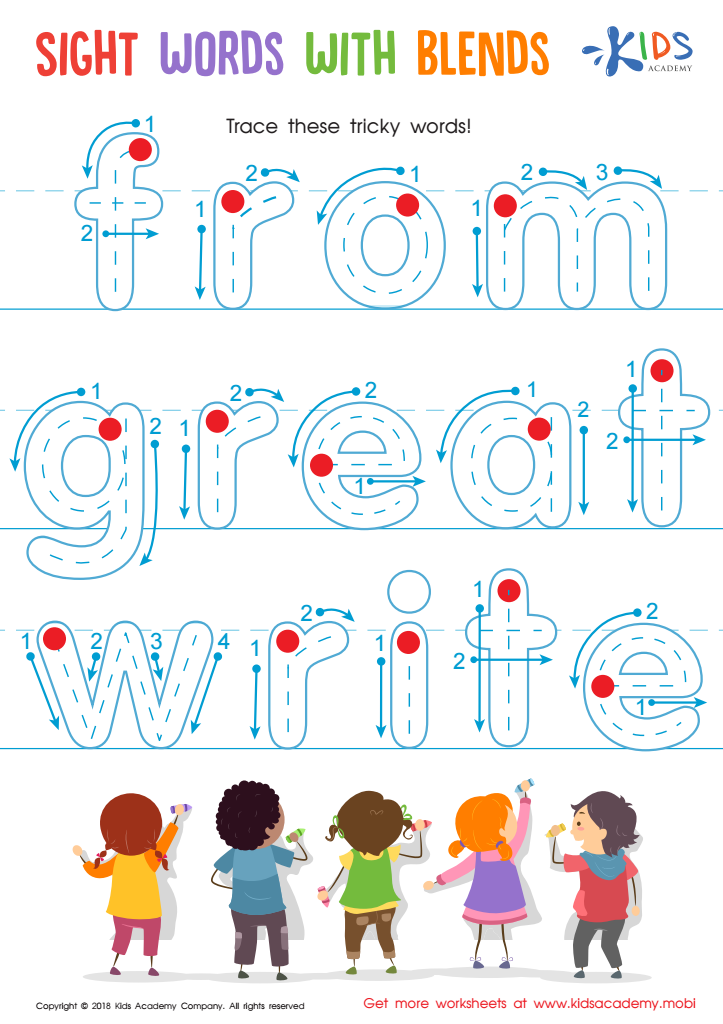
Sight Words with Blends Worksheet
 Assign to My Students











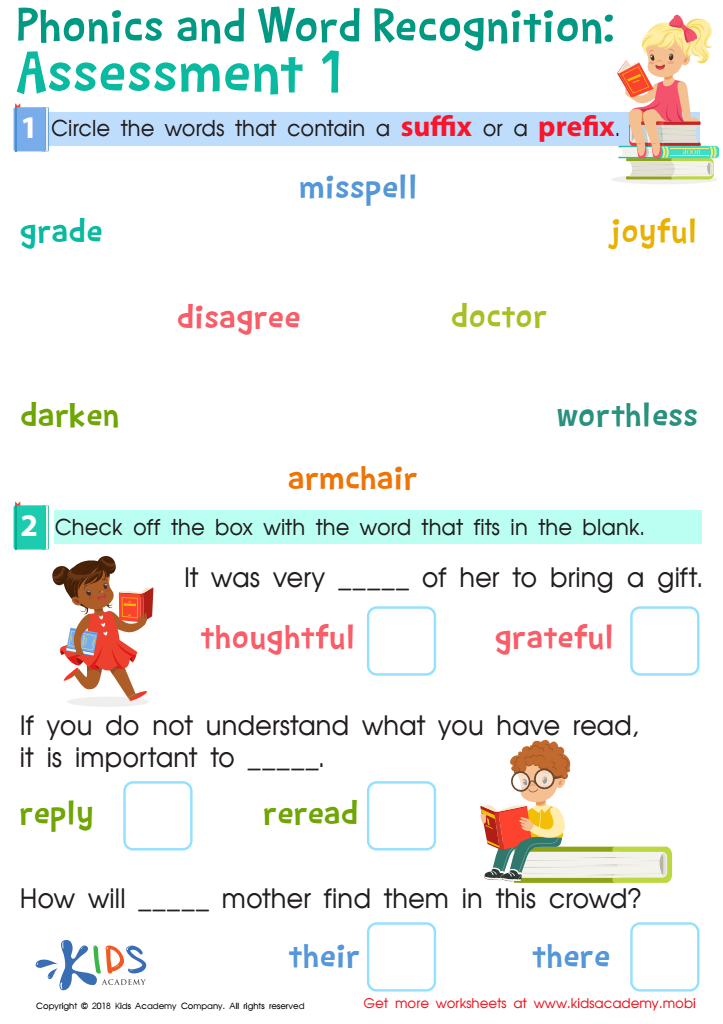
Phonics and Word Recognition: Assessment 1 Worksheet
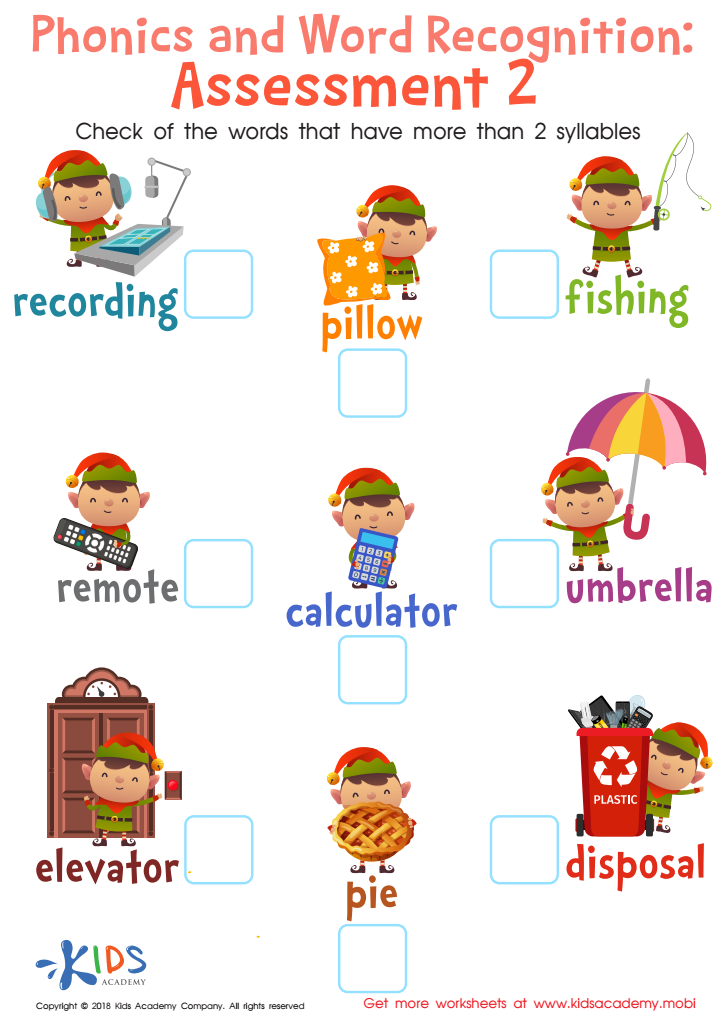
Phonics and Word Recognition: Assessment 2 Worksheet



.jpg)




Phonics recognition and vocabulary building are crucial for children aged 6-8, as they lay the foundation for successful reading and overall literacy skills. At this tender age, children are transitioning from learning to read to reading to learn. A strong phonics foundation helps kids decipher unfamiliar words, enhancing their reading fluency and comprehension. Recognizing letter sounds and patterns supports decoding abilities, allowing children to tackle increasingly complex texts.
Moreover, vocabulary acquisition during this phase is equally vital. When children expand their vocabulary, they improve their ability to express thoughts, engage in discussions, and understand what they read. A rich vocabulary not only boosts academic performance but also fosters confidence in self-expression. Both phonics recognition and vocabulary building feed into each other, creating a comprehensive literacy framework.
Parents and teachers should care about these components, as they directly impact a child's academic success and social interactions. Engaging in phonics and promoting vocabulary through fun activities—like reading together, word games, and storytelling—creates a supportive learning environment. This involvement can instill a lifelong love for reading and learning, ultimately setting the stage for future educational achievements. Empowering children with these skills ensures they are well-equipped for the challenges ahead in their learning journeys.








