Number Recognition Normal Reading Worksheets for Ages 6-8
4 filtered results
-
From - To
Discover our engaging Number Recognition Worksheets tailored specifically for children aged 6-8! These printable resources are designed to boost young learners' numerical understanding while enhancing their reading skills. Each worksheet features fun activities that encourage kids to identify and write numbers, promoting both recognition and handwriting abilities. Creative illustrations and interactive elements make learning enjoyable, keeping your child motivated. Perfect for classroom use or at-home practice, our worksheets are aligned with educational standards and suitable for diverse learning environments. Equip your child with essential math skills and watch their confidence grow with our carefully crafted number recognition worksheets!
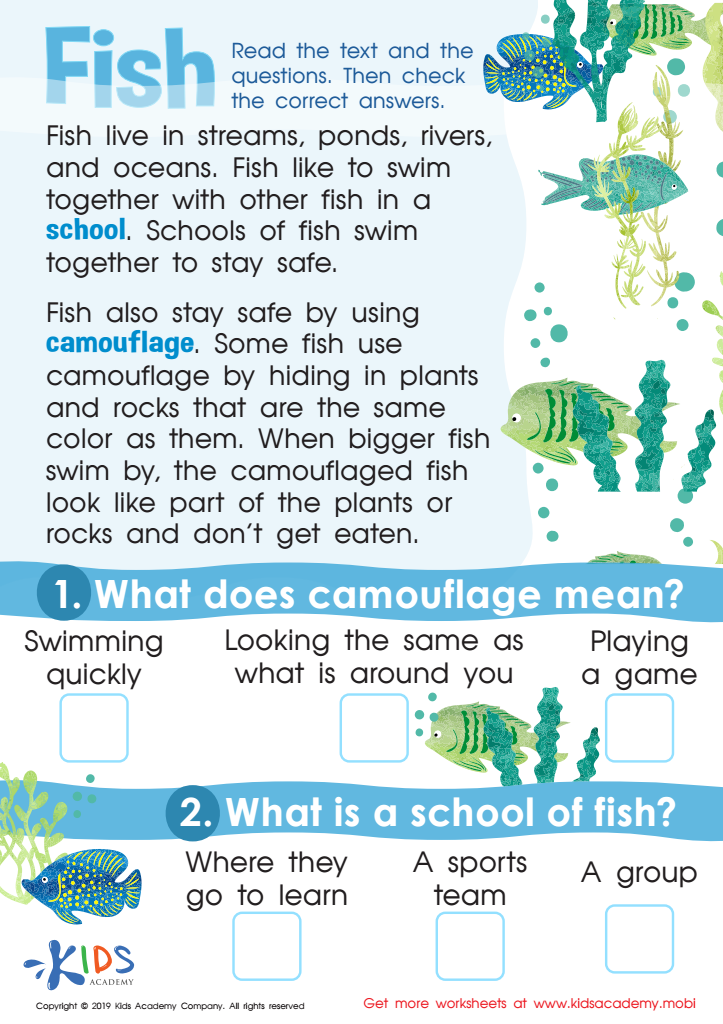
Fish Worksheet
 Assign to My Students
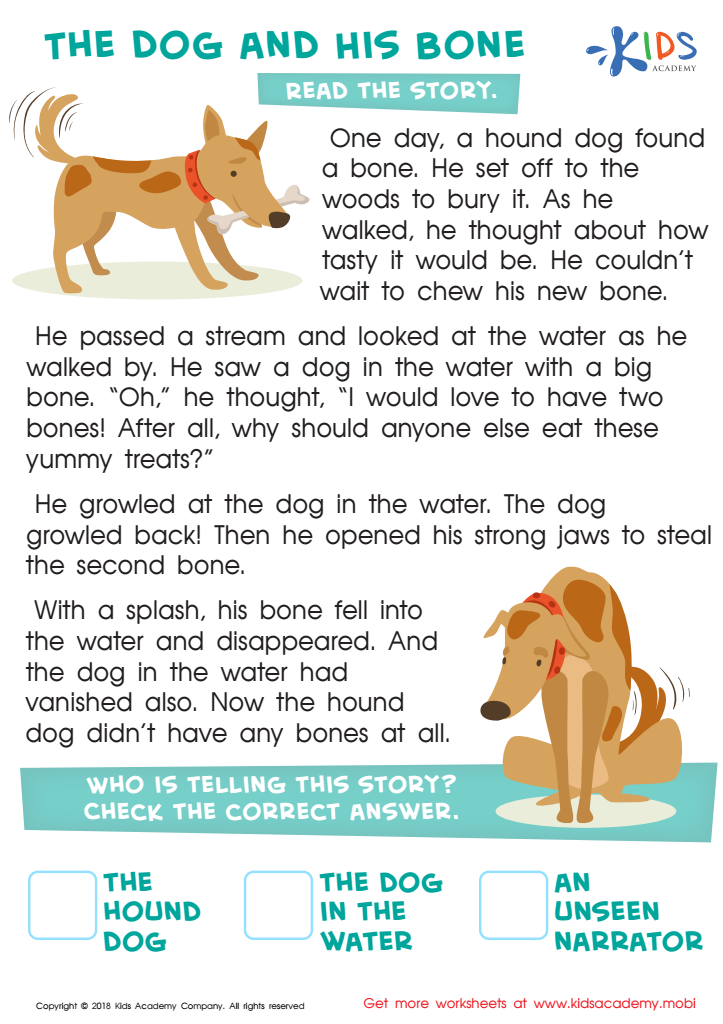
The Dog and His Bone Worksheet
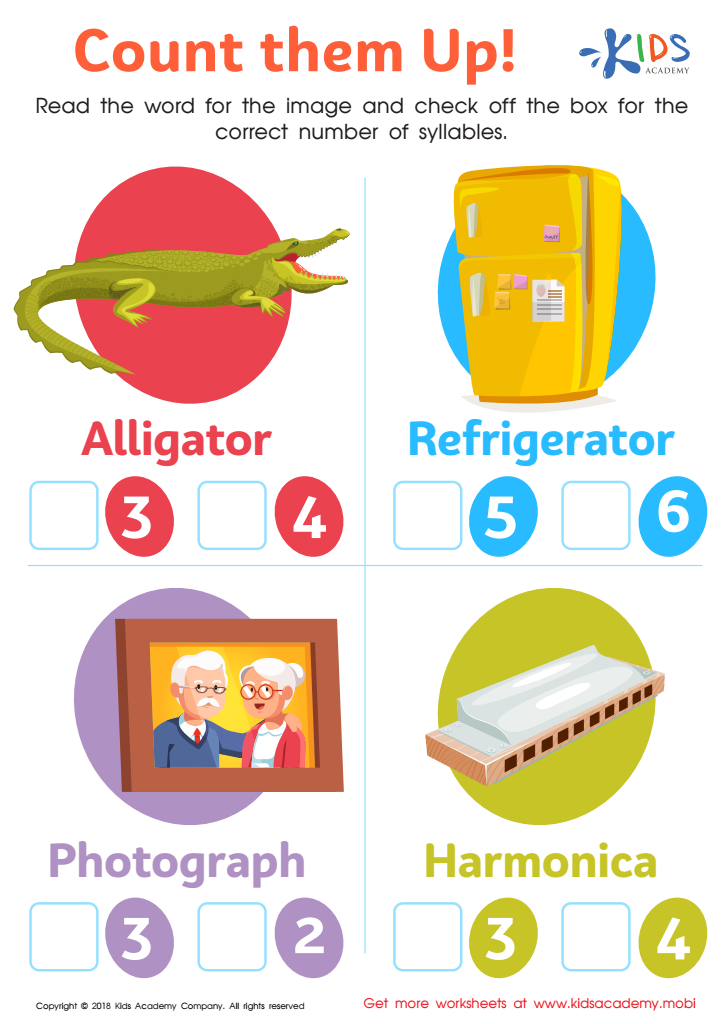
Count Them Up Worksheet
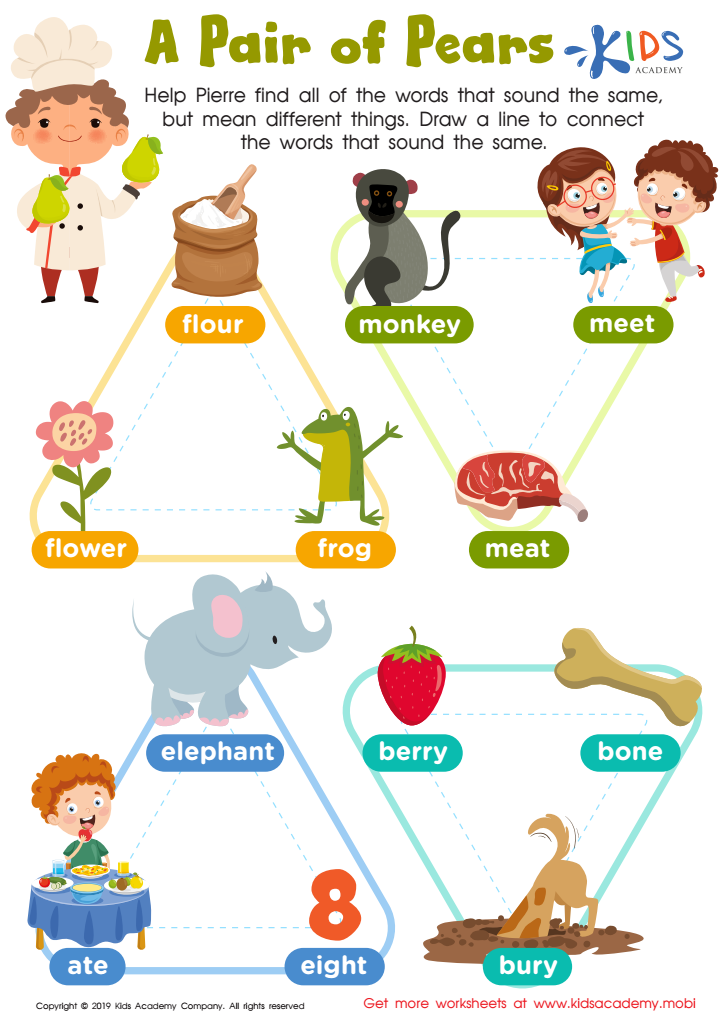
Pair Pears Worksheet








Number recognition is a foundational skill essential for children's mathematical understanding and overall literacy. For children ages 6-8, recognizing numbers not only supports their ability to perform basic arithmetic but also enhances their overall cognitive development. This stage is critical as children transition from recognizing numbers to applying them in real-world situations such as telling time, managing money, and understanding measurements.
Parents and teachers should care about number recognition because it lays the groundwork for future academic success. A strong grasp of numbers correlates with improved problem-solving skills and confidence in mathematics. Additionally, number recognition fosters logical reasoning, enabling children to understand patterns and relationships in more complex subjects.
Moreover, developing number recognition fuels a child's interest in learning. Engaging activities that promote number awareness, such as games and interactive reading, can motivate children. For teachers, this understanding is vital for instructional planning, ensuring they provide appropriate resources that meet diverse learners' needs.
Involving parents in this journey enhances the learning environment at home, reinforcing what children learn in school. By prioritizing number recognition, we equip children with essential skills for academic achievement and everyday life, ultimately benefiting their future opportunities.