Problem-Solving Skills Normal Reading Worksheets for Ages 6-8
13 filtered results
-
From - To
Enhance your child's reading and problem-solving abilities with our engaging worksheets designed specifically for ages 6-8. These interactive resources help young learners develop critical thinking skills while improving comprehension through fun exercises. Each worksheet features age-appropriate stories and scenarios that encourage children to analyze situations, make decisions, and understand different perspectives. Ideal for both classroom and home learning, our problem-solving skills worksheets motivate kids to think creatively and logically. Boost their confidence in reading, reasoning, and independent thinking with exercises that provide instant feedback and enjoyment. Foster a love for learning with our publisher-approved materials that combine education and fun!
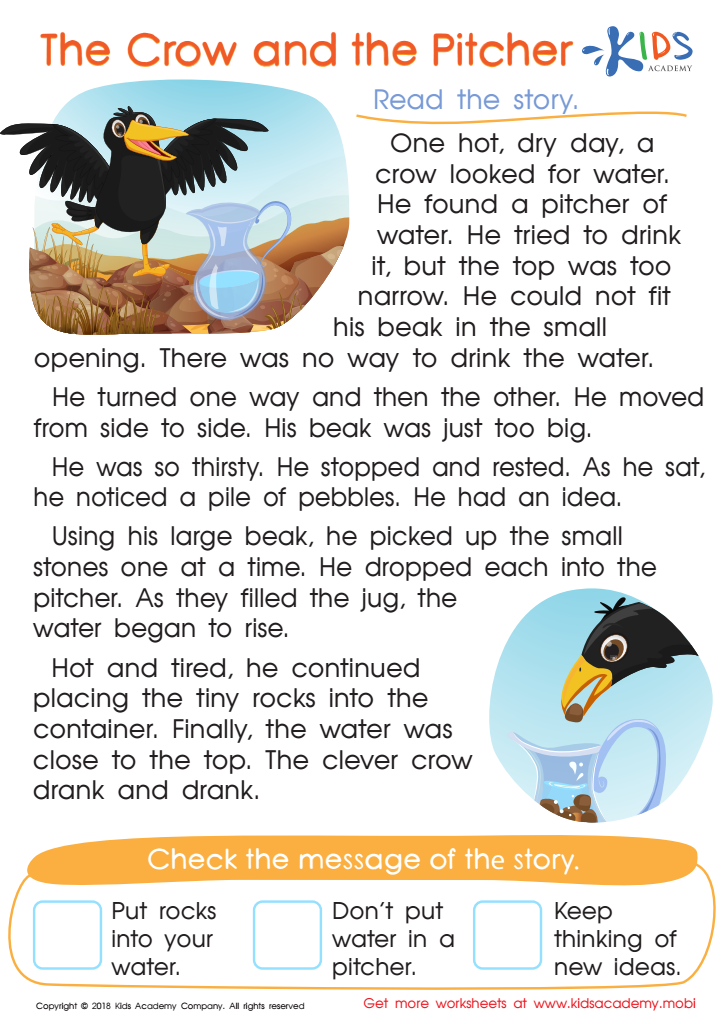
The Crow and the Pitcher Worksheet
 Assign to My Students
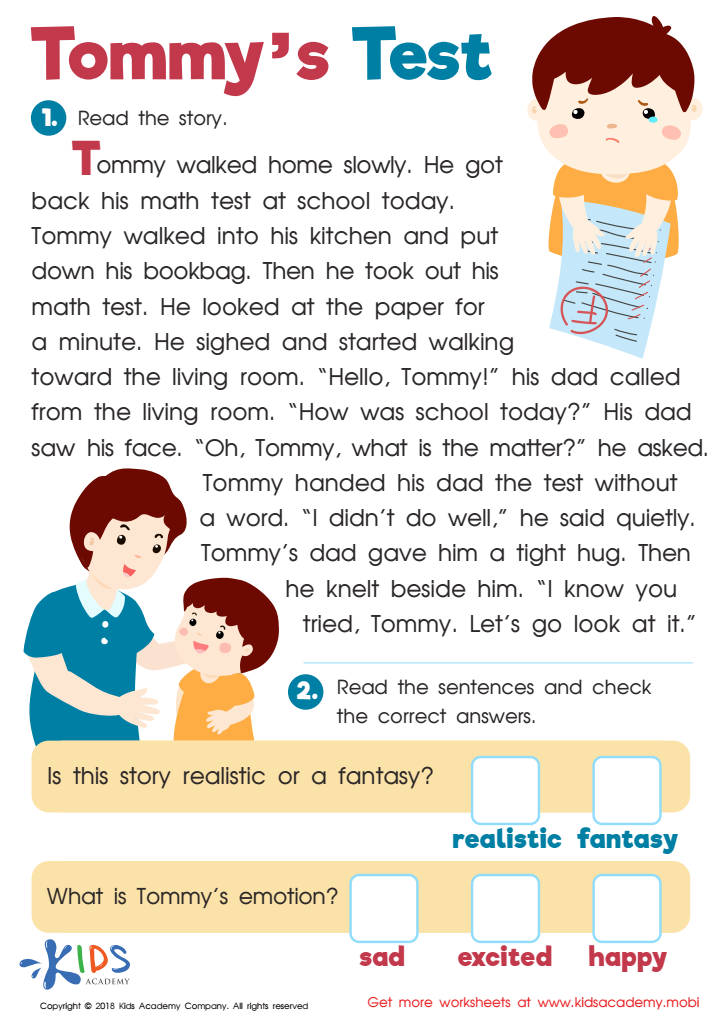
Tommys Test Worksheet
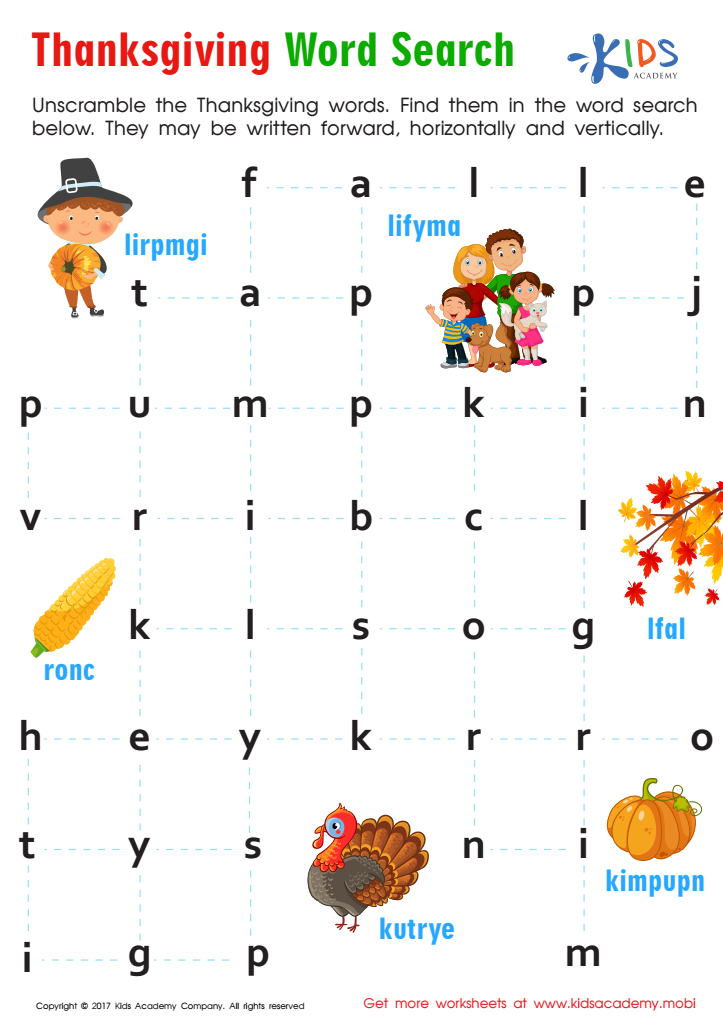
Thanksgiving Word Search Sight Words Worksheet
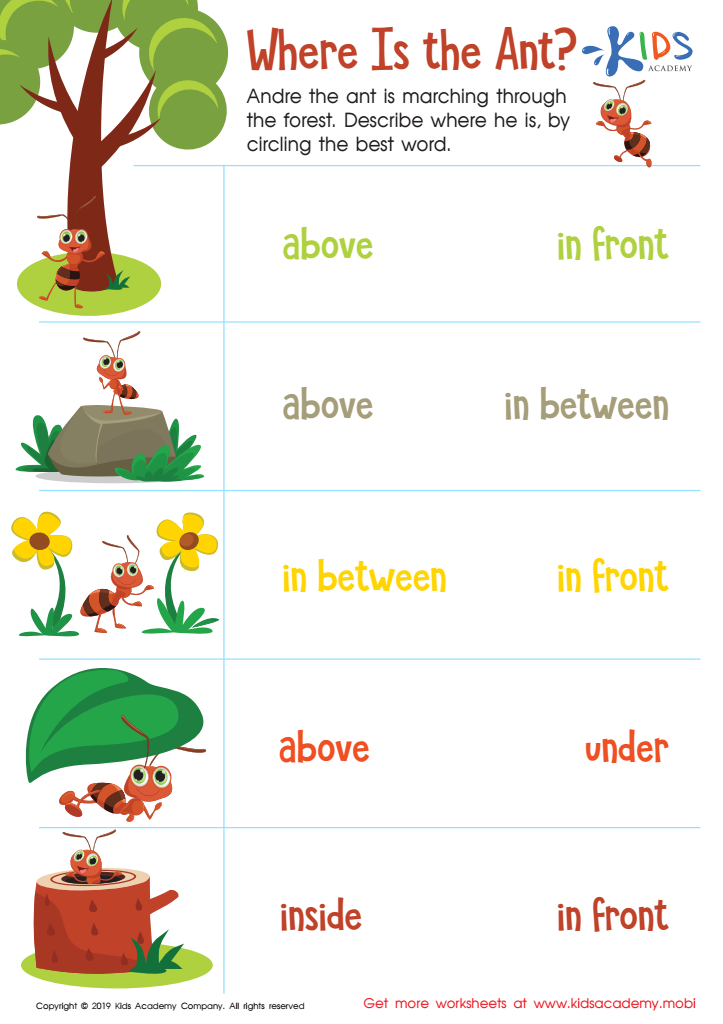
Where Is the Ant? Worksheet
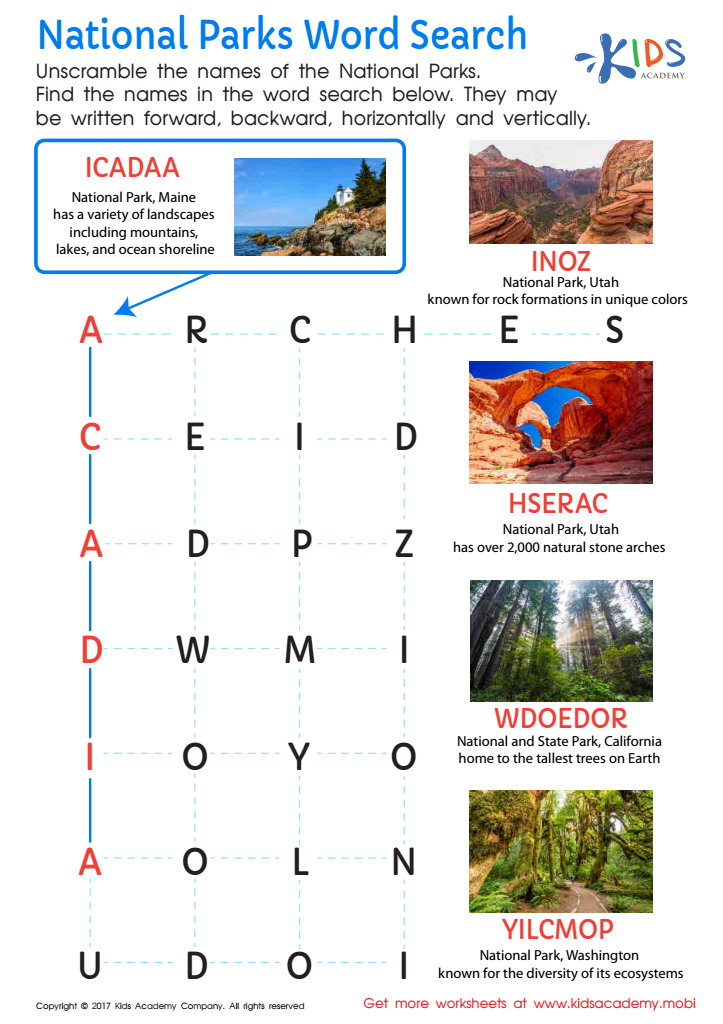
National Parks Word Search Worksheet
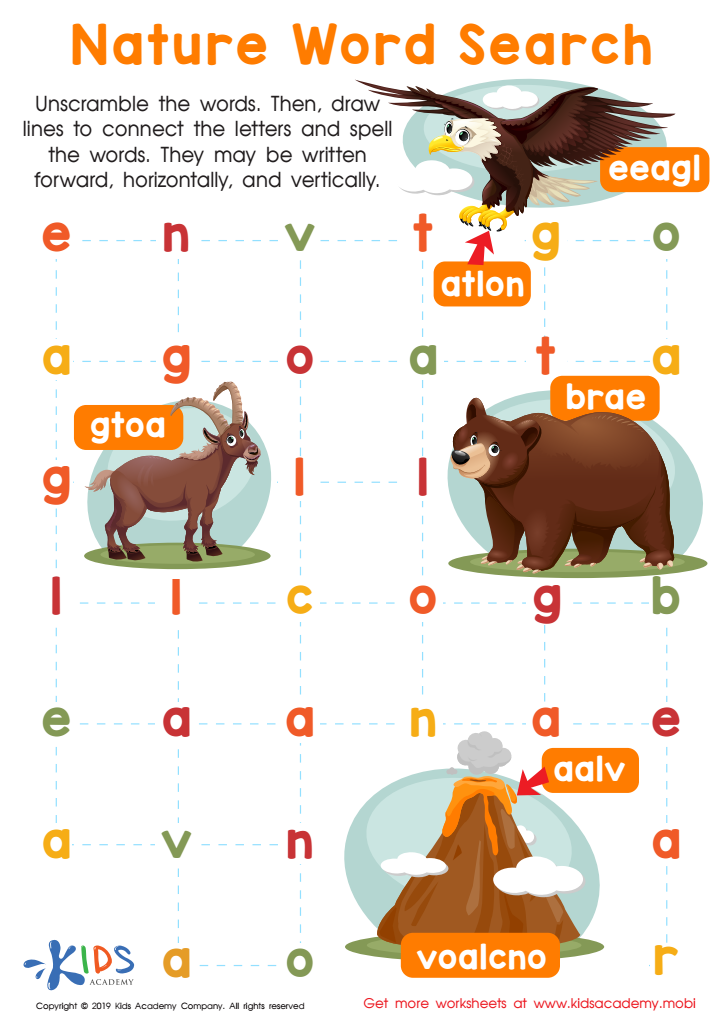
Nature Word Search Worksheet
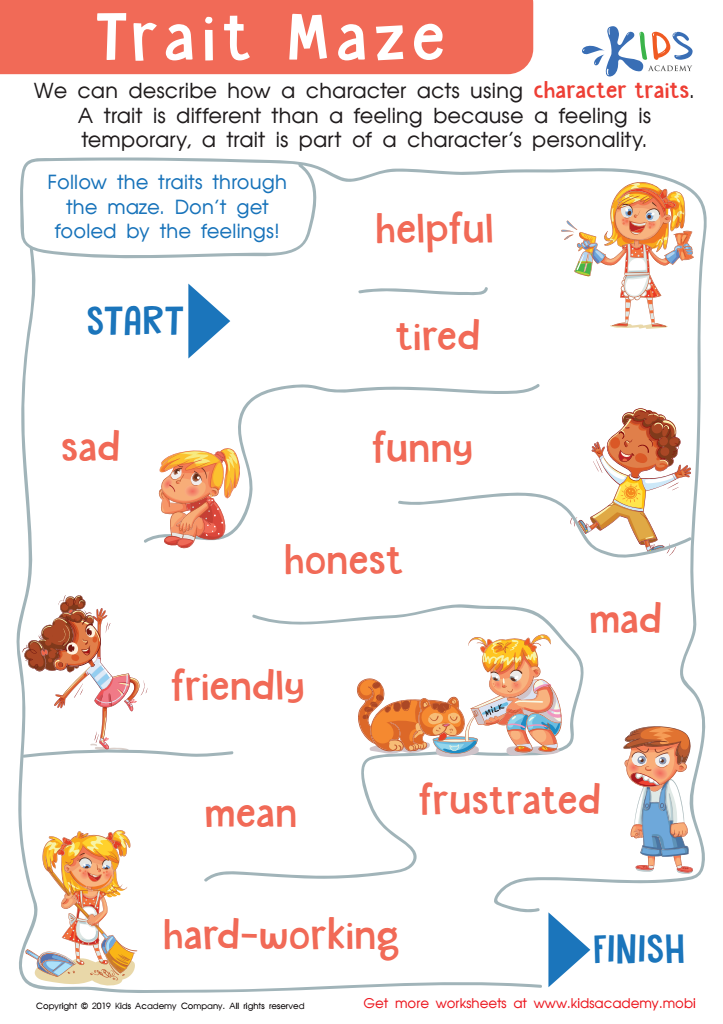
Trait Maze Worksheet
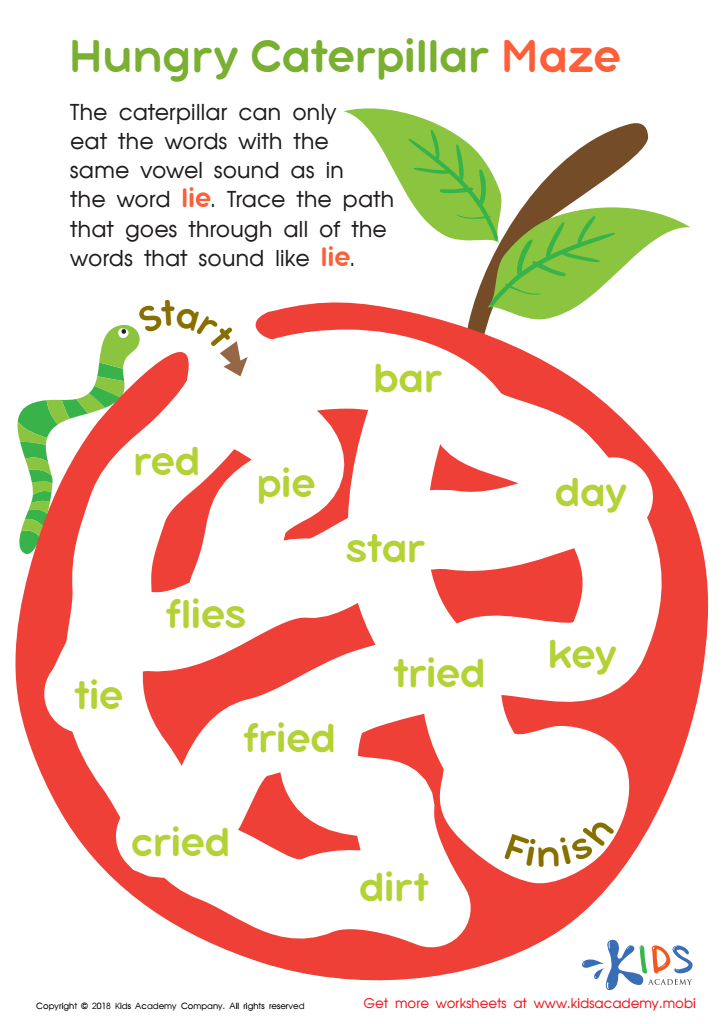
Hungry Caterpillar Maze Worksheet
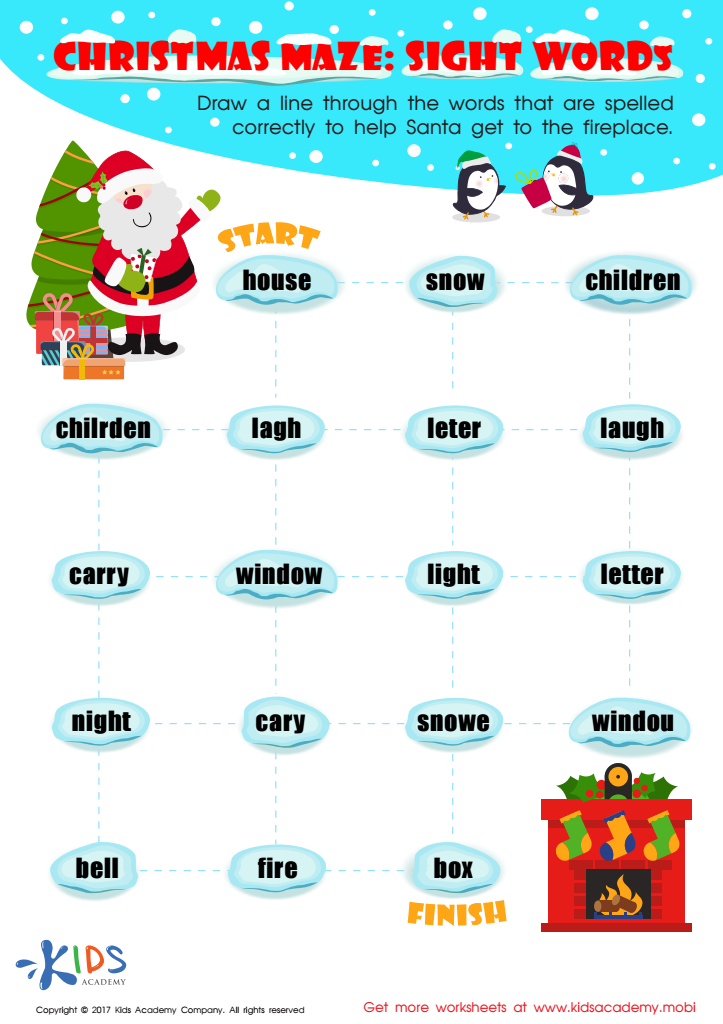
Sight Words Christmas Maze Printable
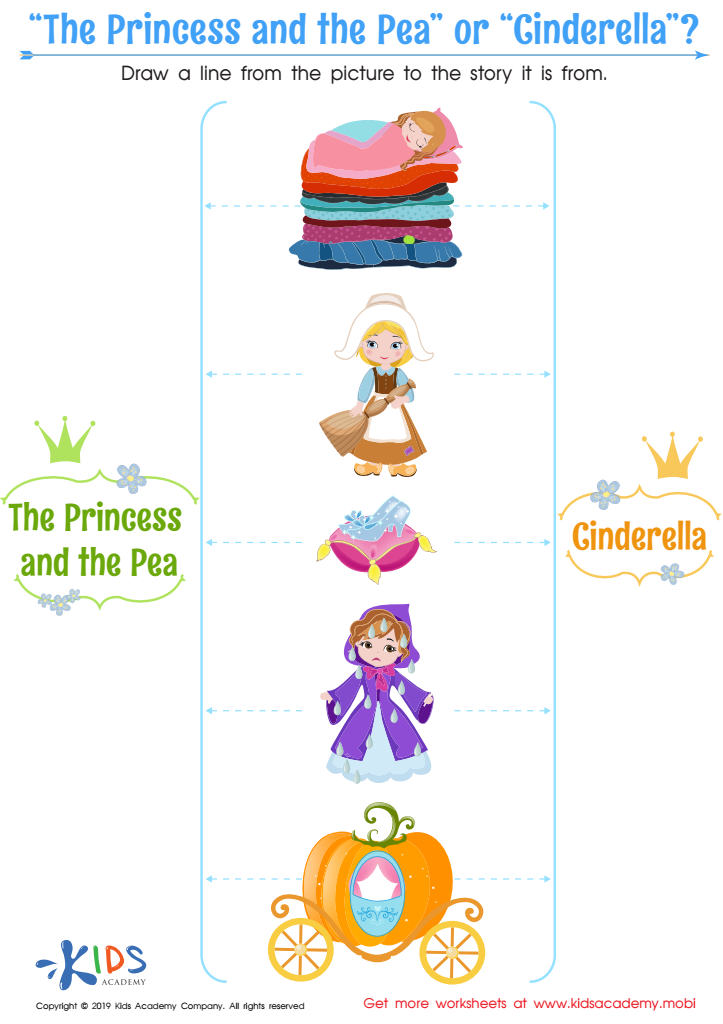
“The Princess and the Pea” or “Cinderella” Worksheet
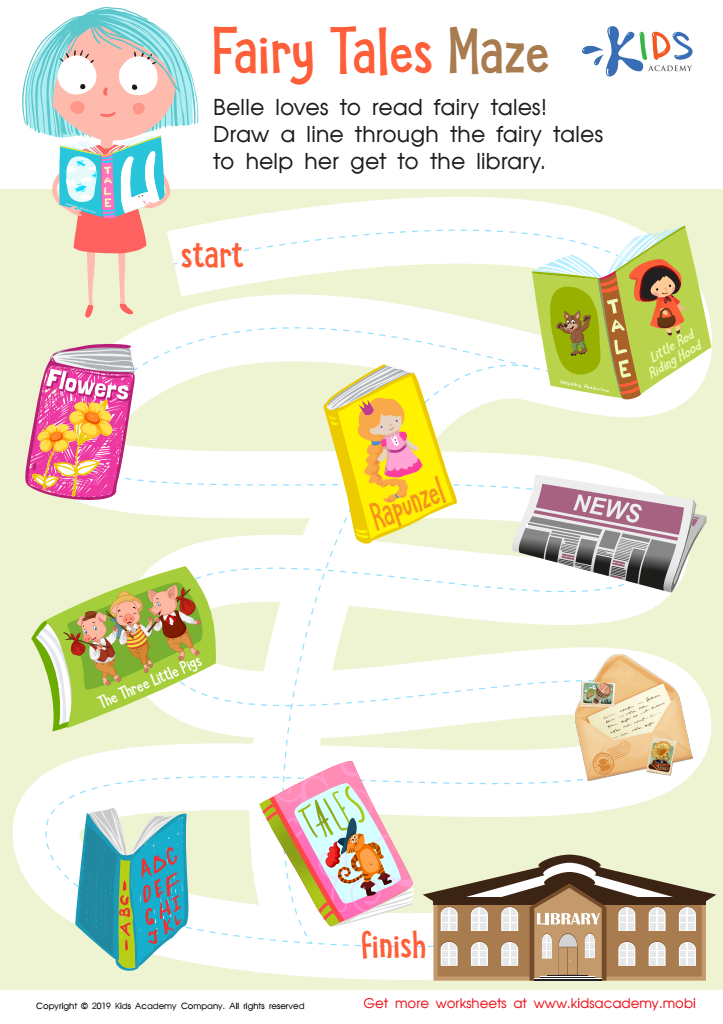
Fairy Tales Maze Worksheet
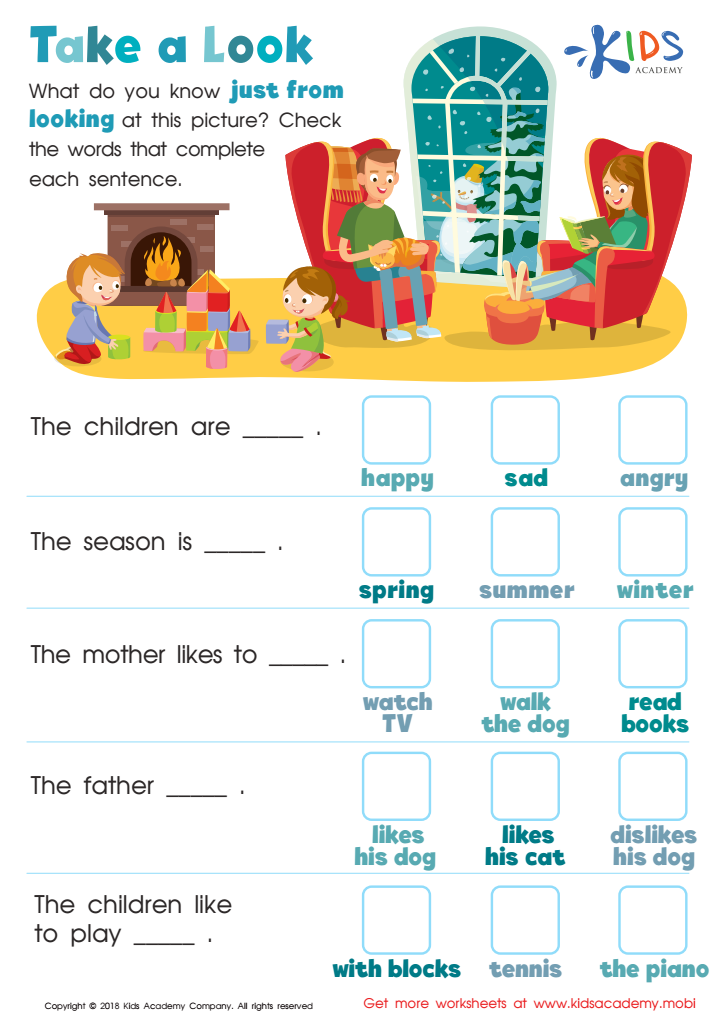
Take a Look - Part 1 Worksheet
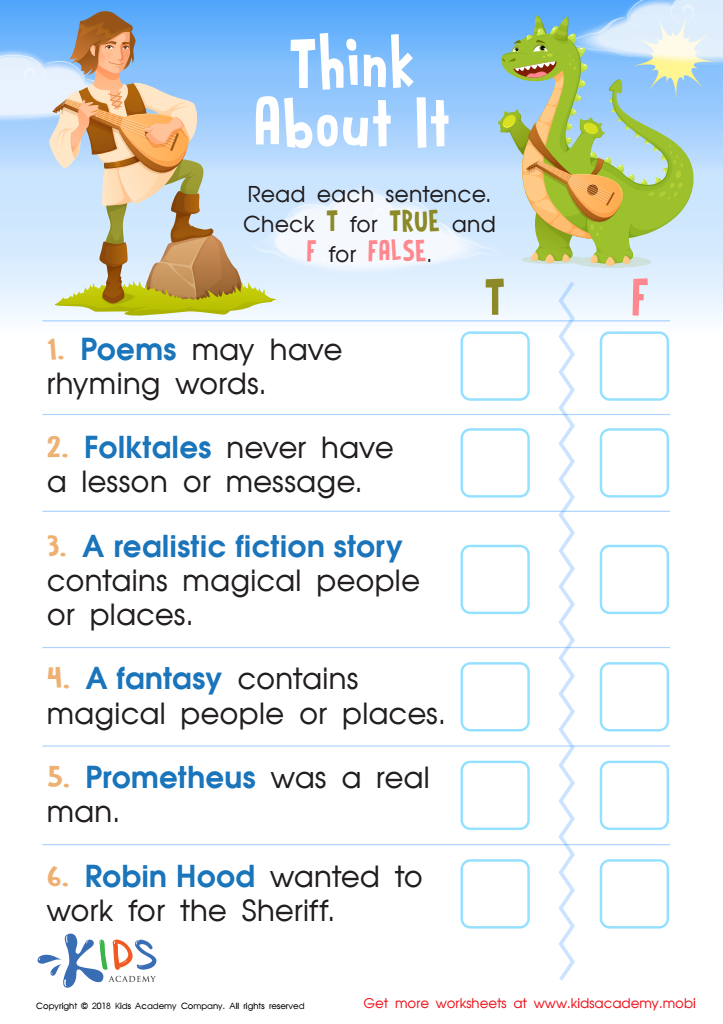
Think About It: Assessment Worksheet






Problem-solving skills are essential for children aged 6-8, as they form the foundation for critical thinking and effective decision-making. At this developmental stage, children begin to encounter more complex challenges, both academically and socially. Parents and teachers should care about fostering these skills because they directly impact a child's ability to navigate real-life situations, from resolving conflicts with peers to tackling math problems.
Developing problem-solving skills enhances a child's confidence and independence. When children learn to approach problems systematically—identify the issue, brainstorm solutions, and evaluate the outcomes—they gain valuable tools for everyday life. This process not only improves their academic performance but also prepares them for future challenges, both in school and outside of it.
Furthermore, problem-solving skills promote resilience. Children who practice these skills learn that making mistakes is part of the learning process. This adaptability is crucial in an increasingly complex world. Moreover, strong problem-solvers tend to be better collaborators, enhancing their social interactions.
Ultimately, encouraging problem-solving skills in young children contributes to their overall cognitive, emotional, and social development. By prioritizing this, parents and teachers can help nurture well-rounded individuals equipped to face the challenges of tomorrow.








