Vocabulary improvement Normal Reading Worksheets for Ages 6-8
3 filtered results
-
From - To
Unlock your child's potential with our Vocabulary Improvement Normal Reading Worksheets designed specifically for ages 6-8. These engaging worksheets enhance reading skills while expanding vocabulary through interactive activities. Perfect for at-home learning or supplementary practice, our resources promote comprehension and word retention. Each worksheet encourages children to explore new words in context, fostering a love for reading and language. Whether it's matching words with definitions, fill-in-the-blank exercises, or context clues, these worksheets provide a balanced approach to learning. Empower your young learners today with our fun and effective vocabulary resources, ensuring they become confident readers and enthusiastic learners!
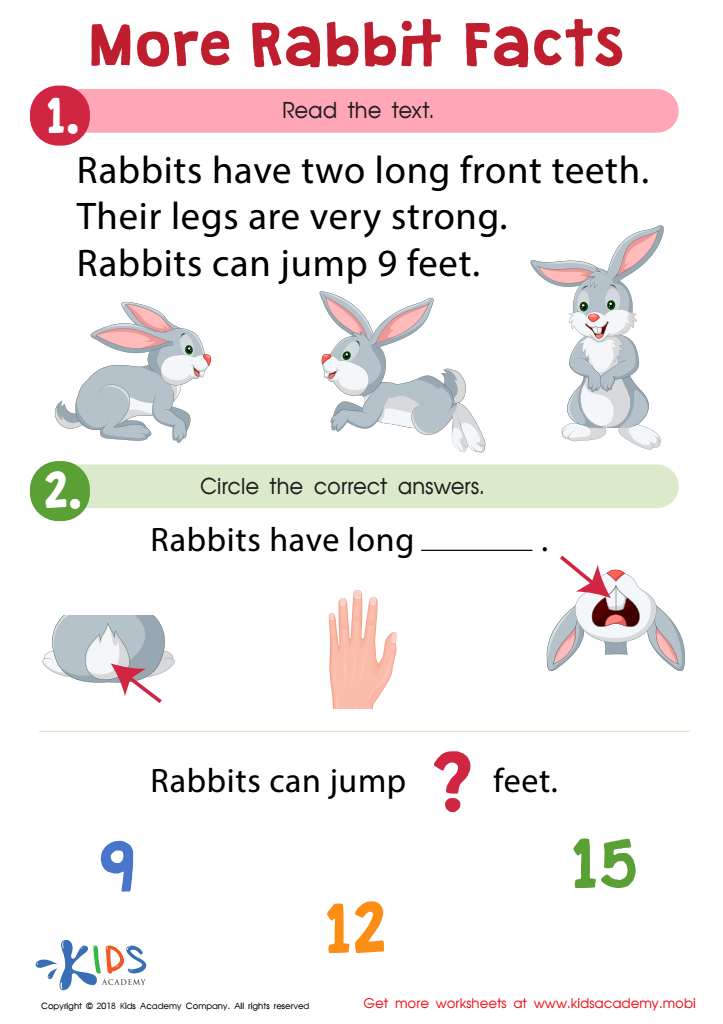
More Rabbit Facts Worksheet
 Assign to My Students
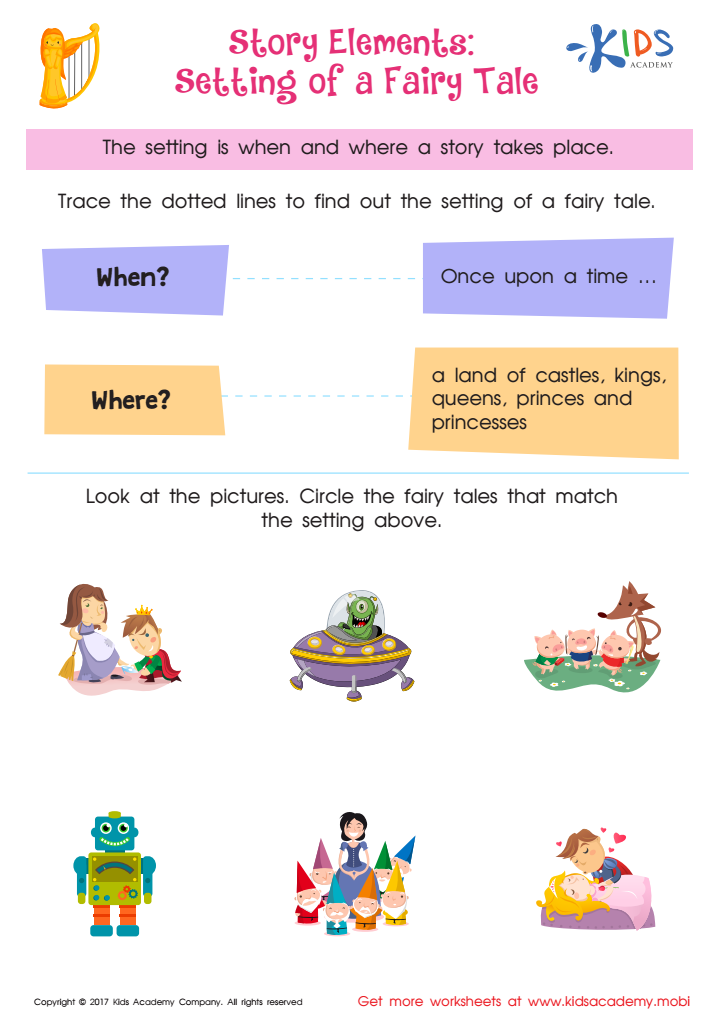
Story Elements: Setting of a Fairy Tale Printable
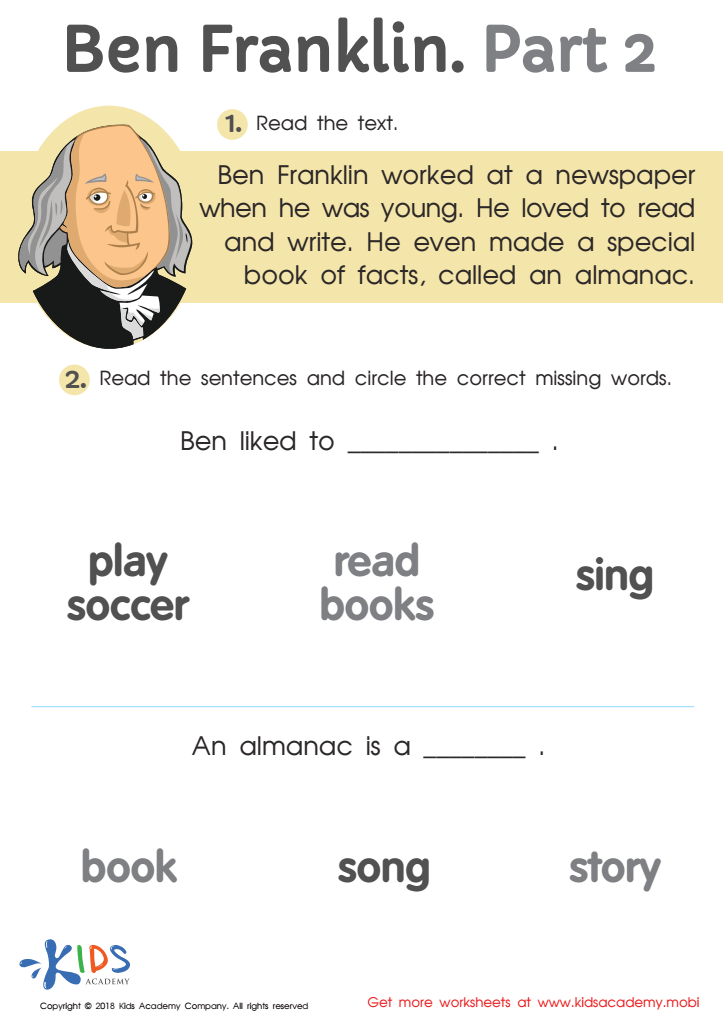
Ben Franklin Part 2 Worksheet







Vocabulary improvement in children aged 6-8 is crucial for their overall language development, comprehension skills, and academic success. At this age, children are transitioning from learning to read to reading to learn. A robust vocabulary enables them to understand and interpret texts, making it foundational for their education. As they encounter new words in stories, instructions, and everyday conversations, their ability to express thoughts and ideas becomes more refined.
Parents and teachers play a pivotal role in facilitating this growth. By engaging children in conversations, reading together, and encouraging exploration of new words, adults can inspire a love for language and learning. A rich vocabulary not only enhances reading comprehension but also boosts children's confidence in communication, influencing their social interactions and emotional expression. Furthermore, early vocabulary proficiency is linked to future literacy skills and academic achievement.
Involving children in vocabulary-building activities, such as word games or storytelling, can also encourage a lifelong passion for language. As they develop enhanced vocabulary skills, they are better prepared to tackle complex subjects in later schooling, fostering a strong foundation for lifelong learning. Ultimately, investing time in vocabulary enrichment now can unlock countless opportunities for children in the future.








