Fine Motor Skills Normal Reading Comprehension Worksheets for Ages 6-8
5 filtered results
-
From - To
Enhance your child's learning experience with our Fine Motor Skills Normal Reading Comprehension Worksheets for Ages 6-8. These engaging worksheets are designed to develop your child's fine motor skills while strengthening their reading comprehension abilities. Each worksheet features captivating stories and age-appropriate questions, enabling young learners to practice grasping, cutting, and drawing—all integral to fine motor development. The combination of fine motor tasks with reading exercises ensures a well-rounded approach to education, fostering confidence and creativity. Perfect for home or classroom use, these worksheets provide a fun and effective way to help children thrive in their literacy journey. Download now!

Twinkle Twinkle Little Star Coloring Page
 Assign to My Students
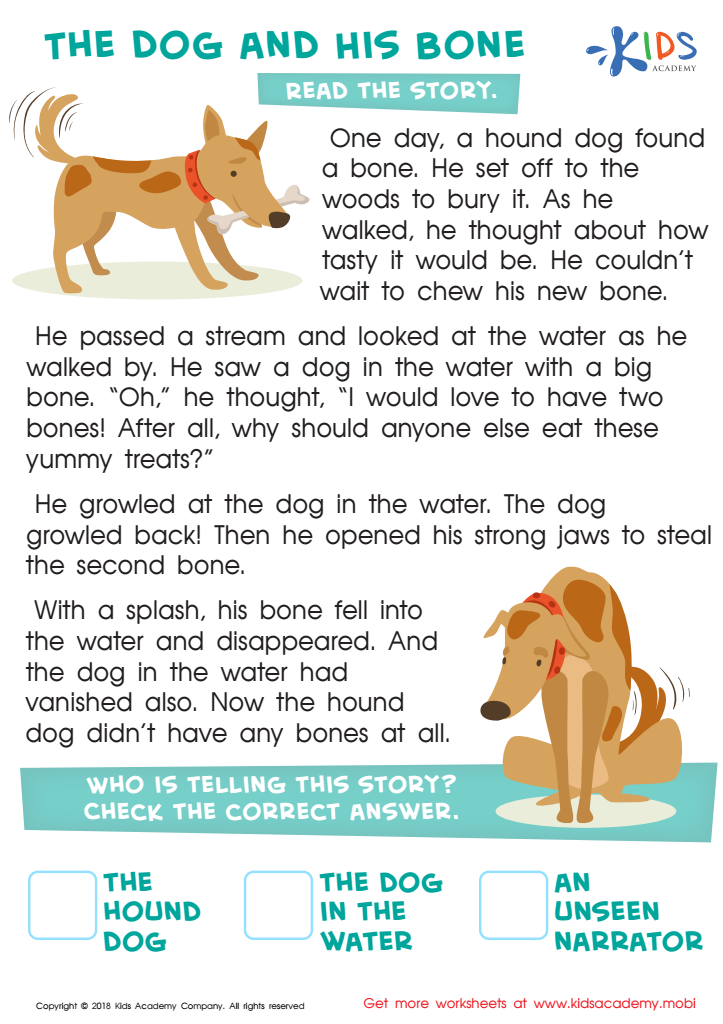
The Dog and His Bone Worksheet
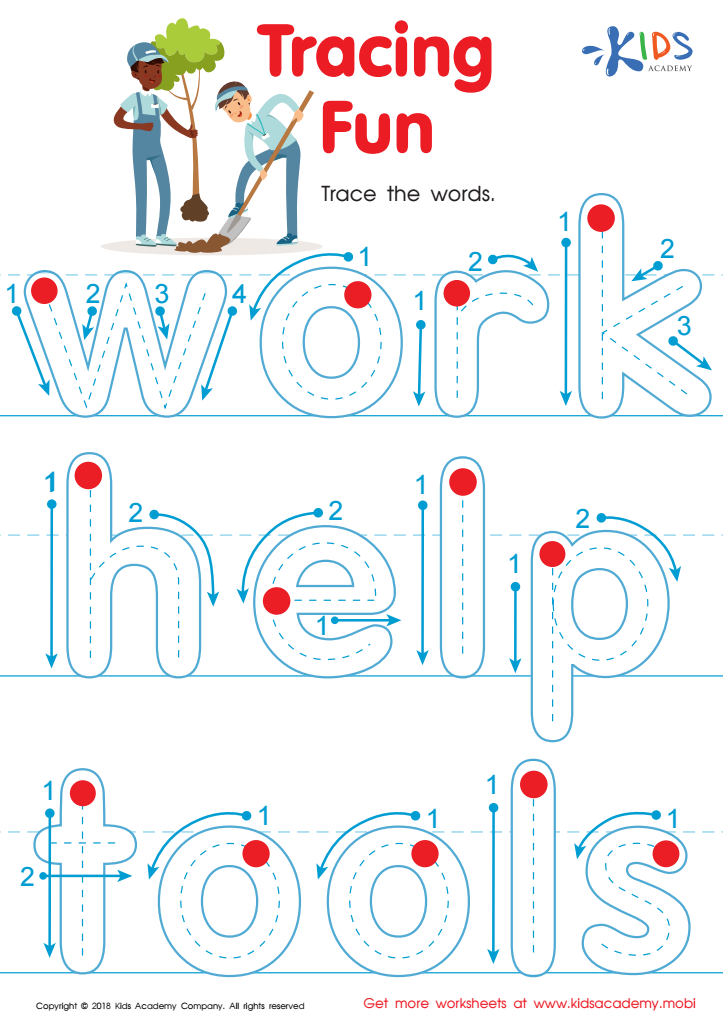
Tracing Fun Worksheet

Red Riding Hood Coloring Page
Assign to My Students
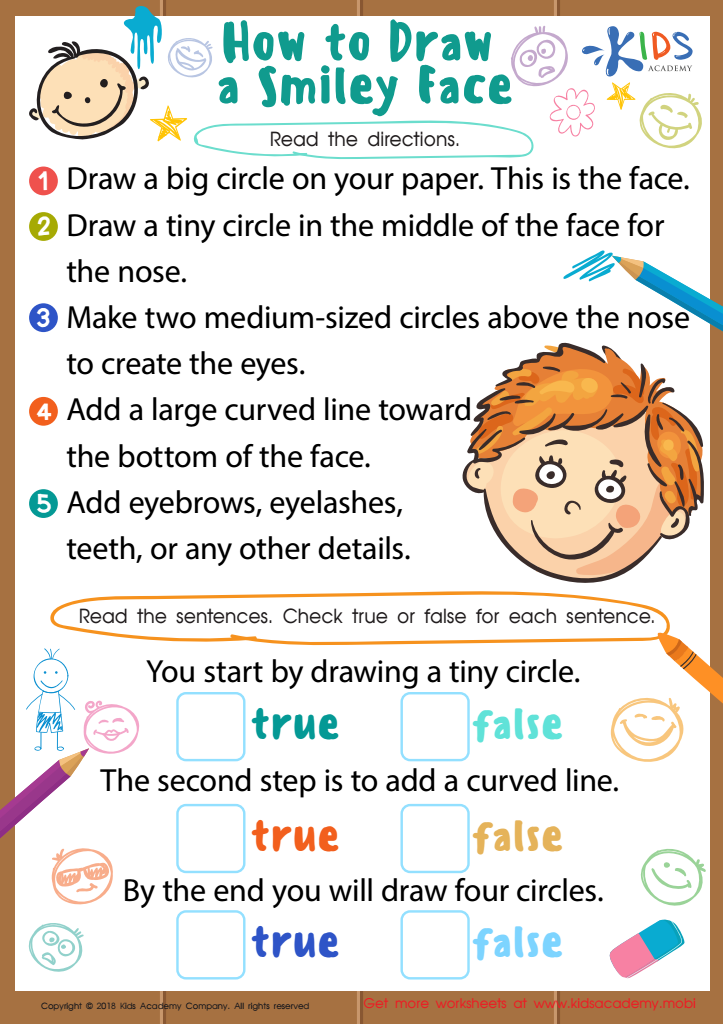
How to Draw a Smiley Face Worksheet







.jpg)
Fine motor skills are crucial for children aged 6-8 as they serve as the foundation for various tasks, including reading comprehension. As children engage in activities like writing, cutting, and manipulating small objects, they develop the dexterity needed for forming letters and words accurately. Effective fine motor abilities enhance a child's ability to manage written language, which directly impacts their ability to decode words and comprehend texts at grade level.
Reading comprehension in this age group involves not just understanding what is read but also relates to overall engagement with texts. Developing fine motor skills enhances a child’s confidence, making them more willing to tackle reading and writing challenges. Additionally, the coordination required for these skills translates into better focus and retention of information when reading.
Parents and teachers should prioritize strengthening fine motor skills through engaging, hands-on activities. By recognising the link between fine motor skills and literacy, caregivers can create a nurturing environment that fosters both skills organically. Overall, improving fine motor abilities not only advances reading comprehension but also supports broader academic success and self-esteem in young learners, laying a crucial foundation for future learning.








