Analytical thinking Normal Reading Fiction Worksheets for Ages 6-8
4 filtered results
-
From - To
Enhance your child's analytical thinking skills with our engaging Normal Reading Fiction Worksheets designed for ages 6-8. These worksheets focus on critical reading comprehension and encourage young learners to analyze story elements, character motivations, and plot development. By interacting with captivating fictional texts, children will sharpen their abilities to think critically and draw conclusions based on their reading. Our thoughtfully crafted activities promote creativity and problem-solving while making learning enjoyable. Foster a love for reading and build essential analytical skills that will benefit your child in all academic areas! Explore our collection today and watch them thrive as confident, reflective readers.
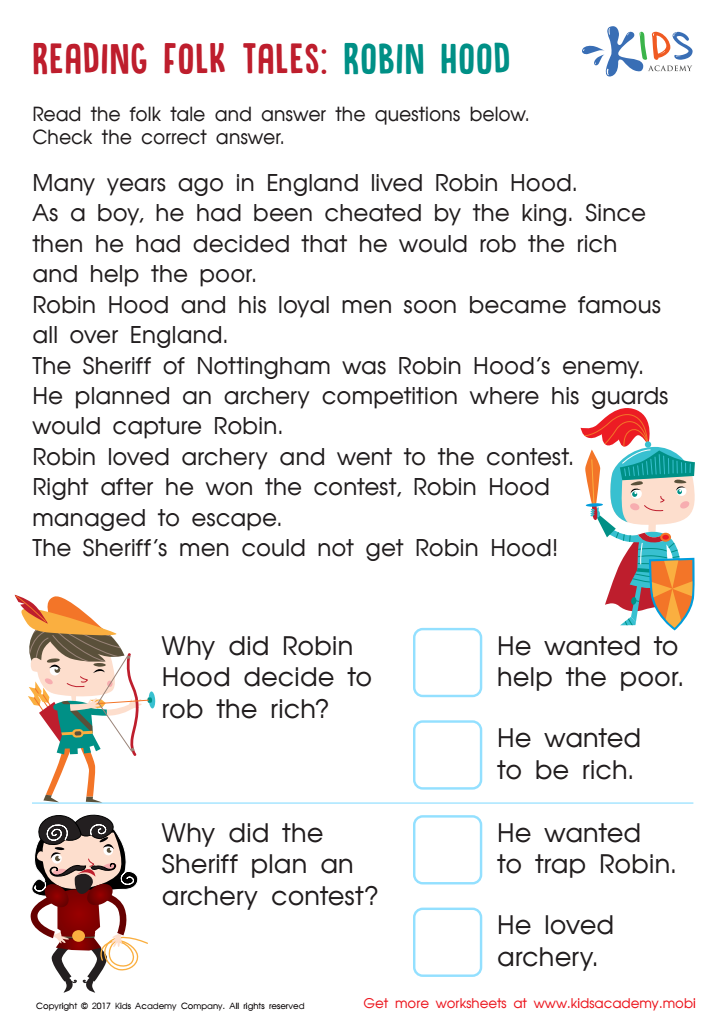
Robin Hood Folktale Worksheet
 Assign to My Students
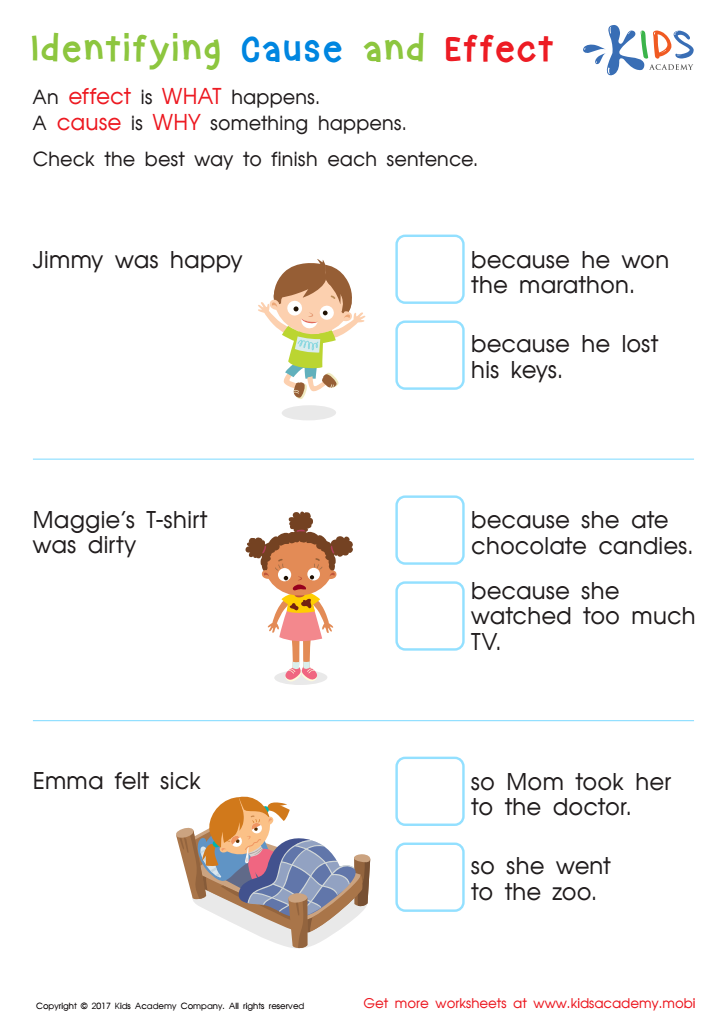
Indentifying Cause and Effect Worksheet
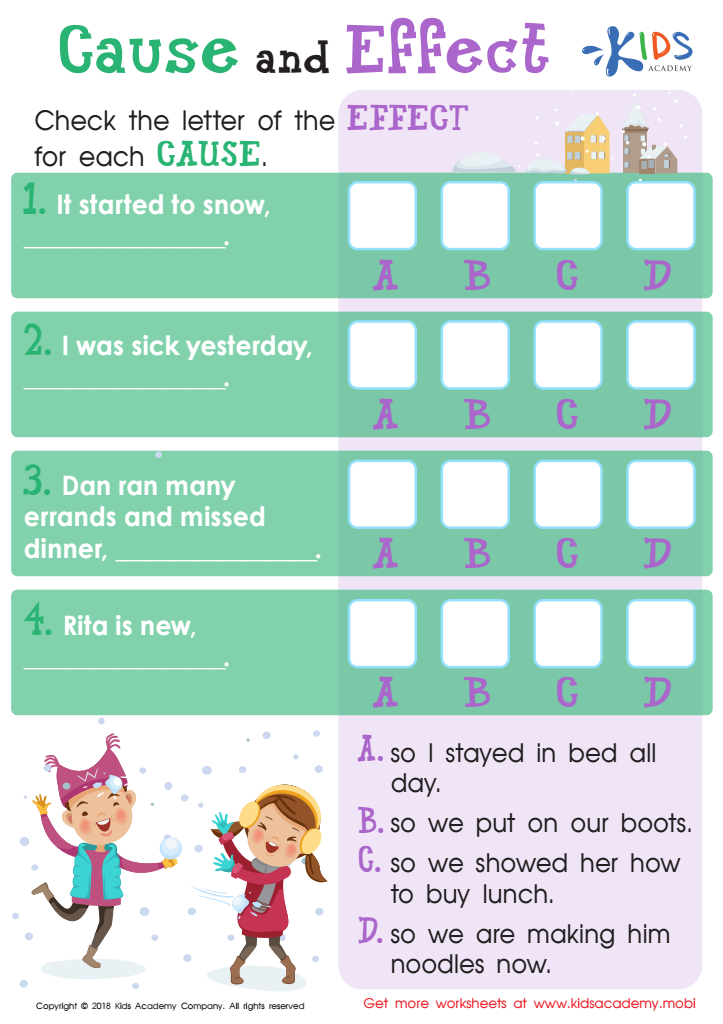
Cause and Effect Worksheet
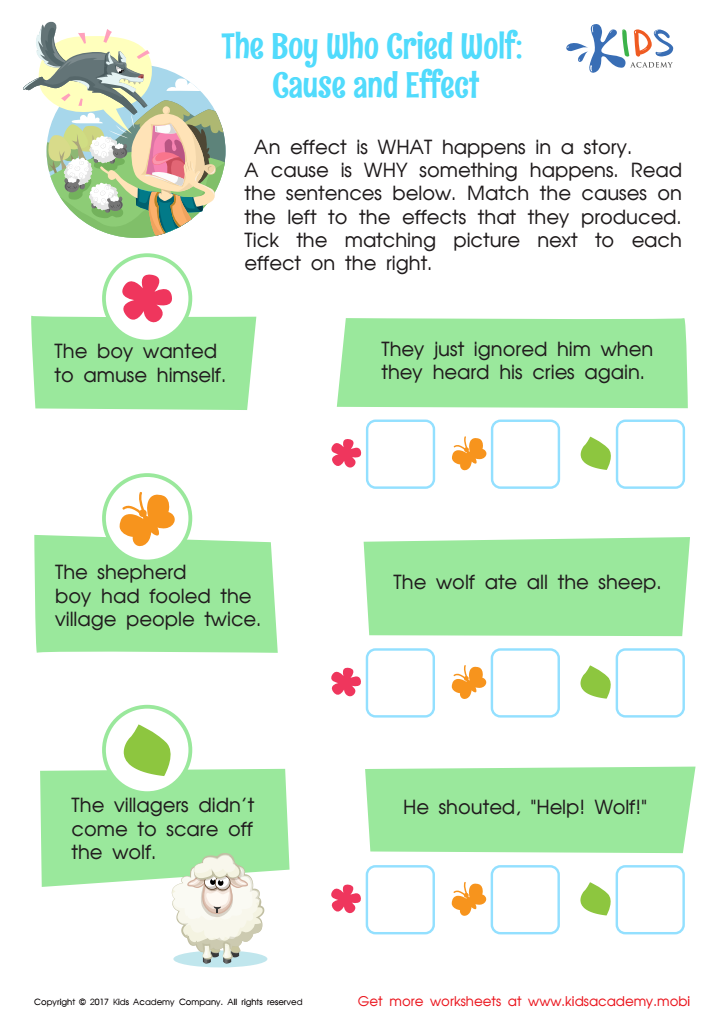
The Boy Who Cried Wolf: Cause and Effect Worksheet




.jpg)

.jpg)

Analytical thinking is a crucial skill for children aged 6-8, especially when engaging with fiction literature. As parents and teachers, cultivating this skill helps children enhance their comprehension and critical reasoning abilities. Analyzing stories promotes understanding of plot, character motivations, and underlying messages, encouraging deeper connections with the text.
When children read fiction, they encounter various scenarios that challenge them to think critically about decisions made by characters, the consequences of those decisions, and the moral lessons embedded within the storytelling. This engages them cognitively, sharpening their ability to evaluate information, recognize patterns, and make informed judgments. Discussions surrounding these narratives foster a rich environment for dialogue, promoting language development and enhancing vocabulary.
Moreover, analytical thinking nurtures essential social-emotional skills. As children evaluate characters’ feelings and actions, they develop empathy and perspective-taking abilities, key elements in building healthy relationships. This kind of reading not only enriches their literary experience but also lays the foundation for lifelong learning. Therefore, it’s vital for parents and teachers to prioritize fiction-reading activities that stimulate analytical thinking, as these skills are fundamental to academic success and personal development.







