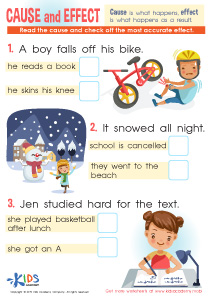
Historical Knowledge Normal Reading Non-Fiction Worksheets for Ages 6-8
5 filtered results
-
From - To
Explore our engaging "Historical Knowledge Normal Reading Non-Fiction Worksheets" designed for children aged 6-8! These worksheets aim to enhance young learners' comprehension and appreciation of key historical concepts. Packed with age-appropriate texts and vibrant illustrations, your child will embark on exciting journeys through history, discovering significant events, figures, and cultures. The activities promote critical thinking and vocabulary development, encouraging discussions and further exploration of historical topics. Perfect for both classroom settings and at-home learning, these resources support educational growth while making history fun and accessible. Empower your child's learning adventure today with our captivating historical worksheets!
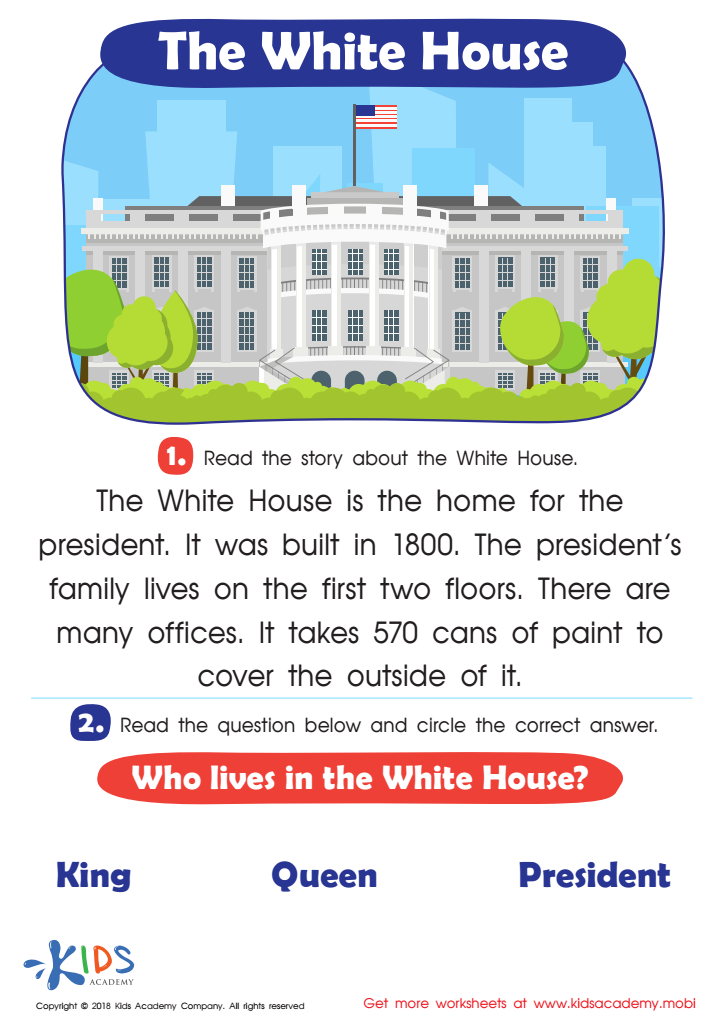
White House Worksheet
 Assign to My Students
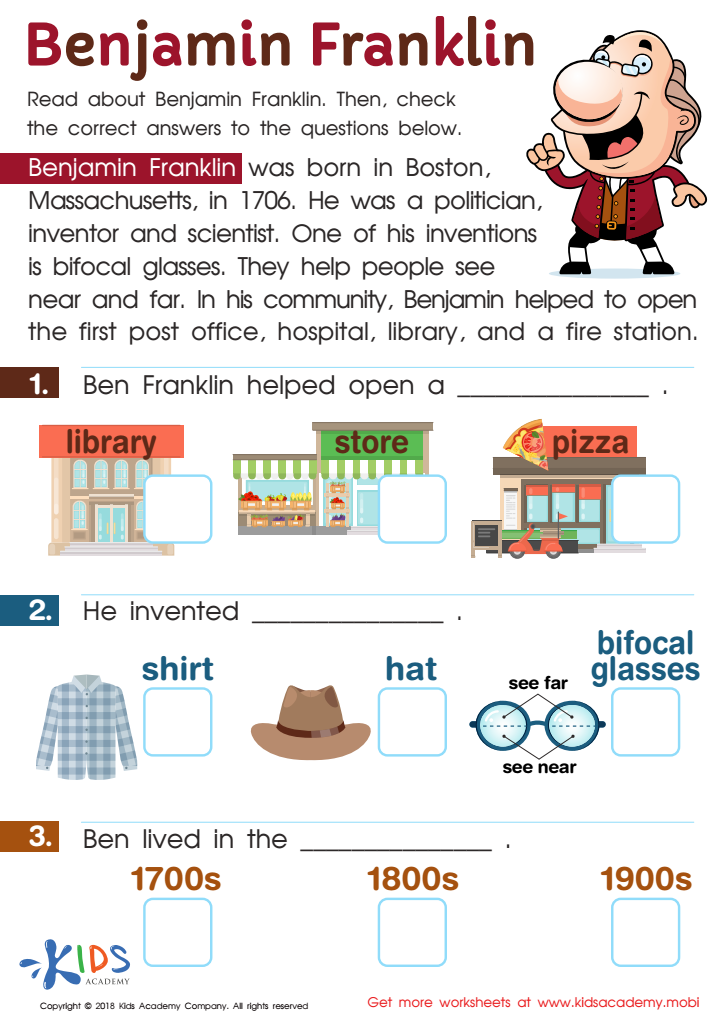
Benjamin Franklin Worksheet
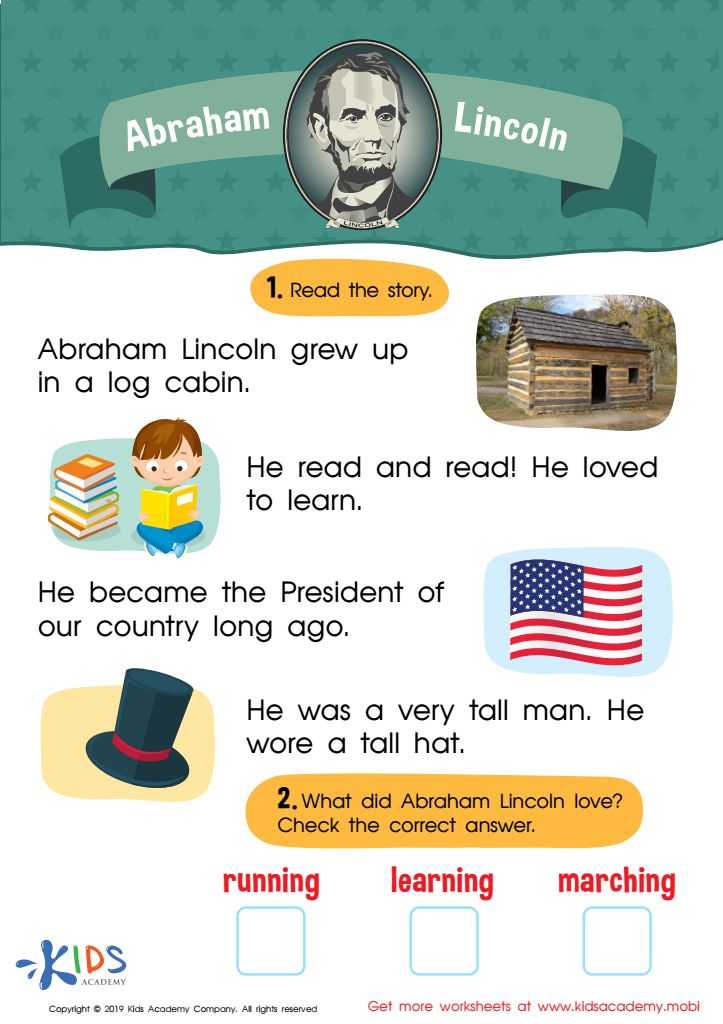
Abraham Lincoln Worksheet
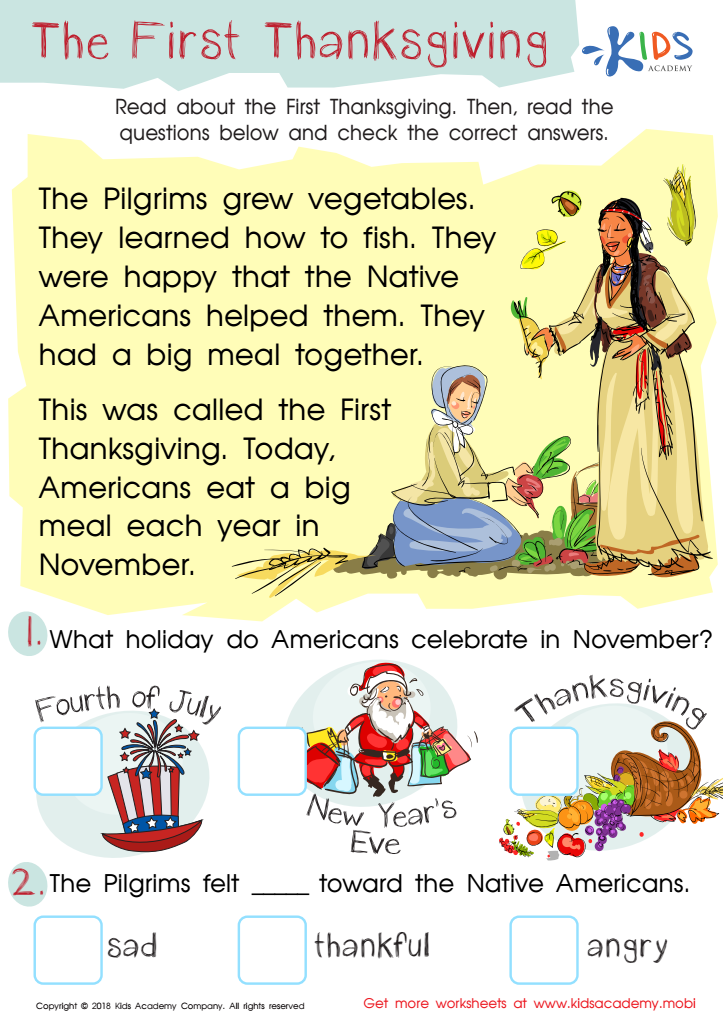
Assessment: First Thanksgiving Worksheet
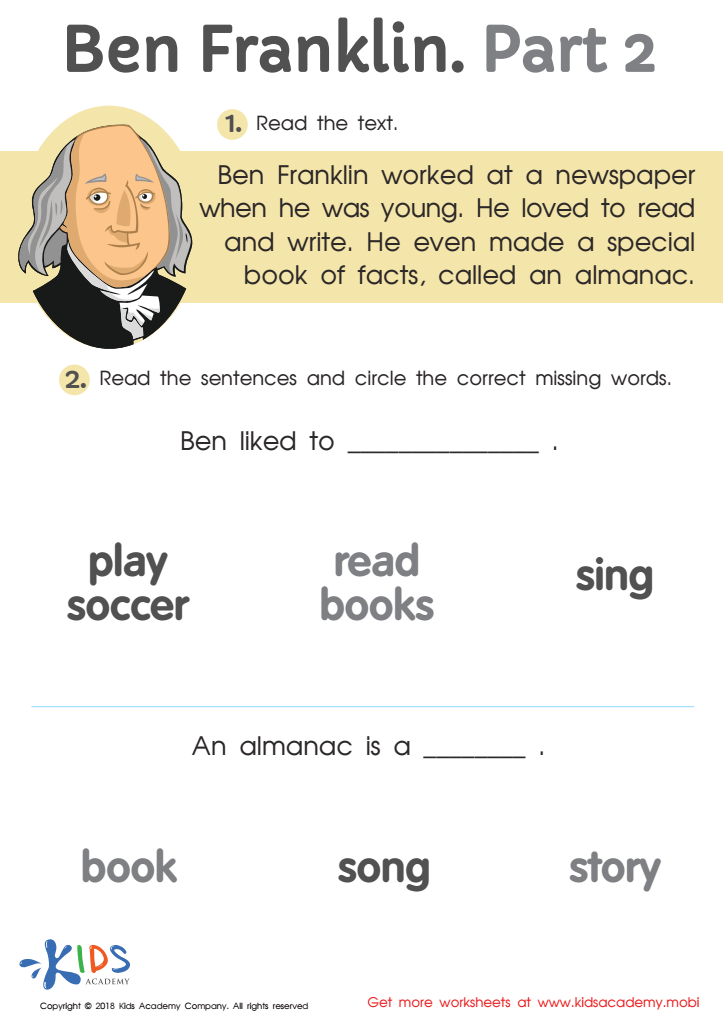
Ben Franklin Part 2 Worksheet








Parents and teachers should prioritize historical knowledge in non-fiction reading for children aged 6-8, as it lays a foundation for understanding the world around them. Early exposure to history helps children develop a sense of identity and belonging, connecting them to their cultural roots and the broader global community. Non-fiction texts provide factual accounts that ignite curiosity, encouraging young readers to ask questions about the past and their role in shaping the future.
Moreover, historical knowledge enhances critical thinking skills. As children compare different eras, they learn to analyze causes and effects, recognize patterns, and draw connections between historical events and contemporary issues. This foundational skill aids their overall cognitive development and fosters a love of learning.
Additionally, reading about historical figures and events can inspire empathy and understanding, helping children appreciate diverse perspectives and experiences. Through stories of resilience, courage, and innovation, they can find role models who motivate them to achieve their own goals.
Incorporating historical non-fiction into reading routines supports literacy development, enriches vocabulary, and enhances comprehension, benefiting children as they transition to more complex texts in later grades. Ultimately, instilling a love for history at a young age paves the way for informed, engaged, and responsible citizens.