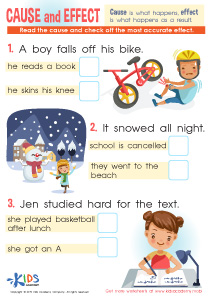
Improve reading comprehension Normal Reading Non-Fiction Worksheets for Ages 6-8
5 filtered results
-
From - To
Enhance your child's reading skills with our specially designed "Improve Reading Comprehension: Normal Reading Non-Fiction Worksheets for Ages 6-8." These engaging and educational worksheets are developed to help young readers master non-fiction content, broaden their knowledge, and improve comprehension. With a variety of exercises focused on main ideas, details, and critical thinking, our resources enable children to unlock the full potential of reading. Perfect for at-home learning or classroom support, these tools empower kids to confidently understand and retain information, setting a strong foundation for future academic success. Explore our collection today and watch your child's reading skills soar!
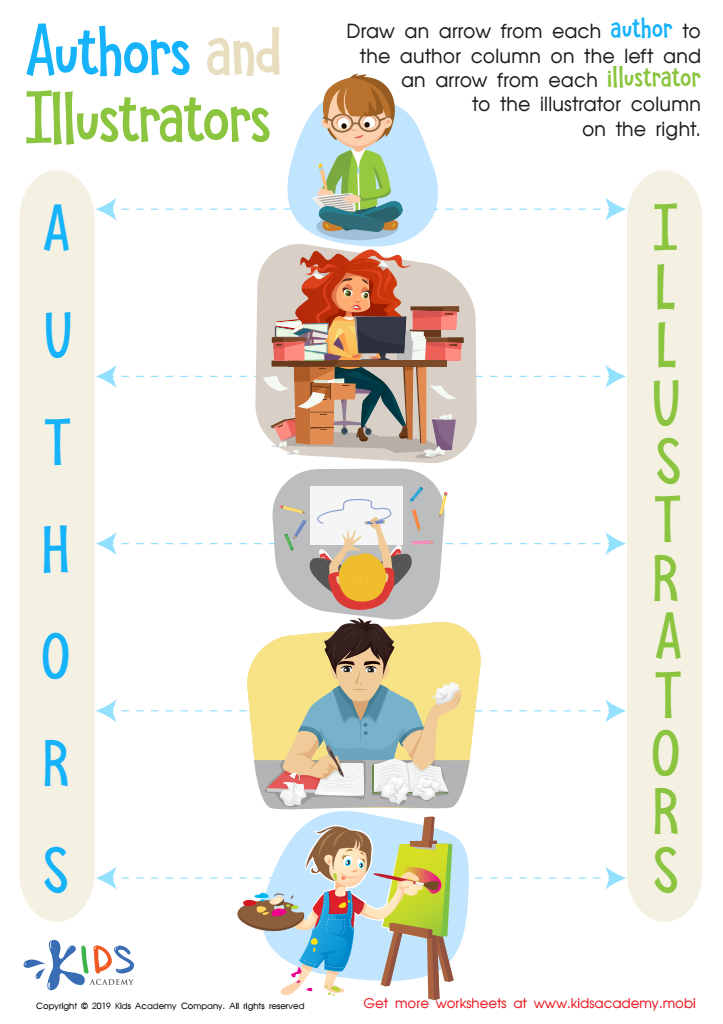
Authors and Illustrators Worksheet
 Assign to My Students
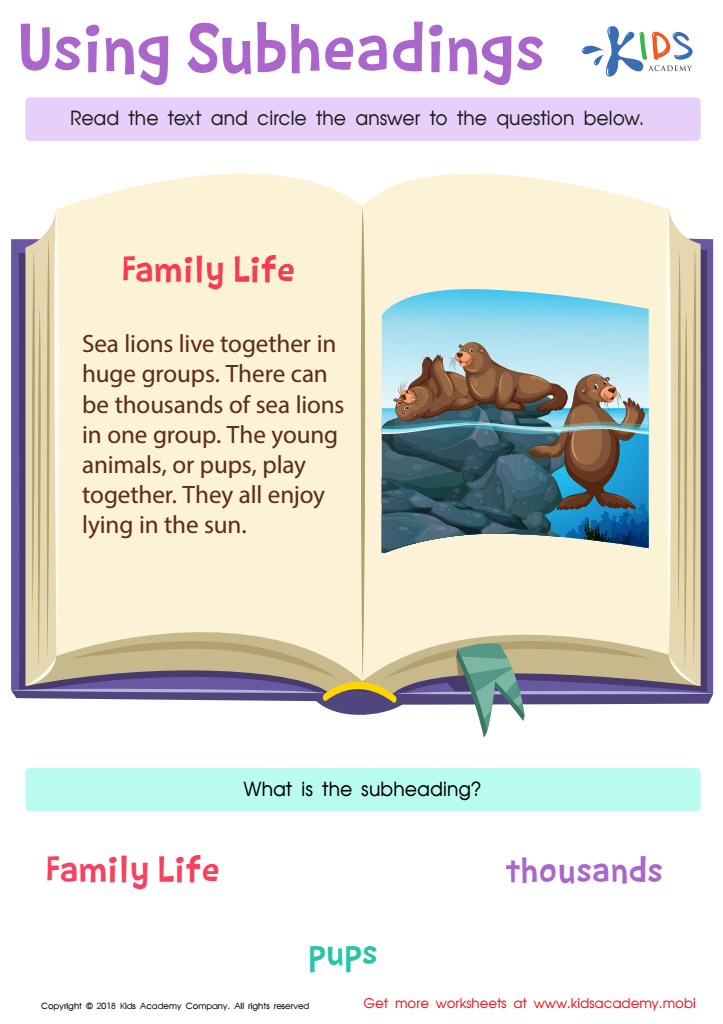
Using Subheadings Worksheet
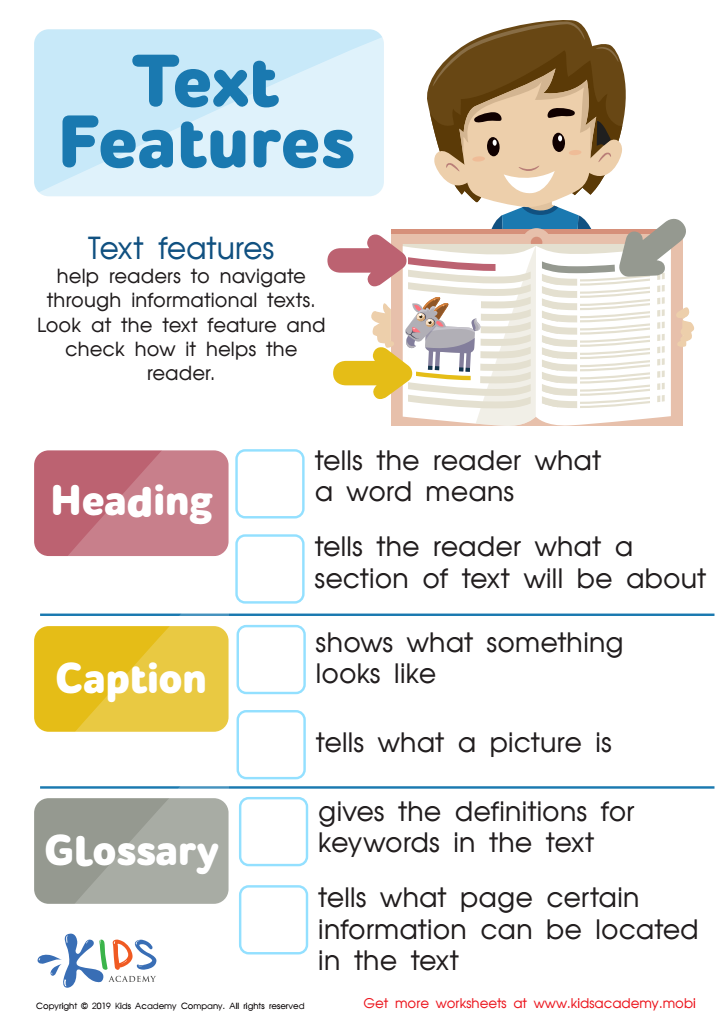
Text Features Worksheet
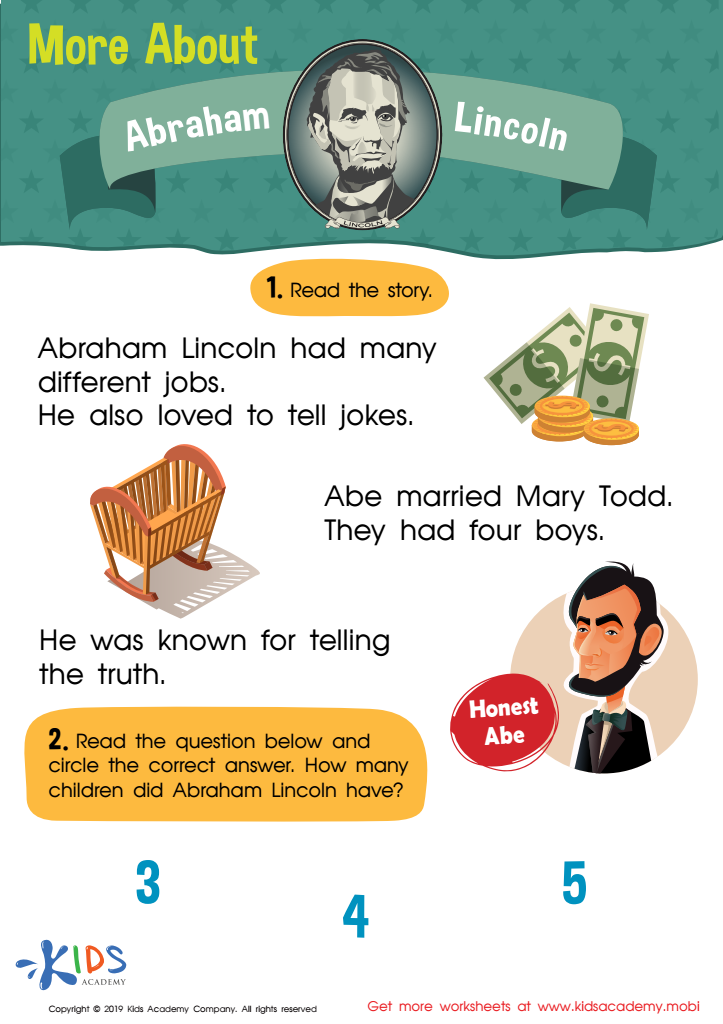
More About Abraham Lincoln Worksheet
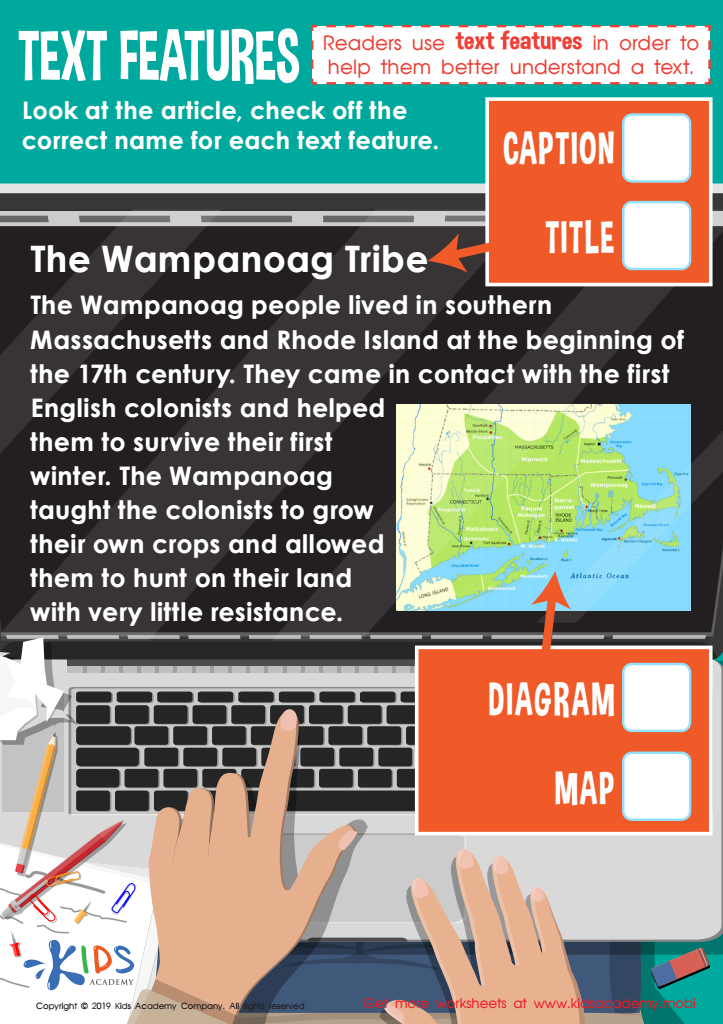
Text Features Worksheet








Improving reading comprehension, especially in non-fiction texts, is crucial for children aged 6-8 as it lays the foundation for their academic and lifelong learning success. At this age, children are transitioning from learning to read to reading to learn. Non-fiction texts introduce them to a wealth of knowledge about the world around them, helping to develop their analytical and critical thinking skills. Understanding non-fiction also supports their ability to follow complex instructions, enhances vocabulary, and expands background knowledge in diverse subjects like science, history, and geography.
For parents and teachers, focusing on reading comprehension ensures that children can process and retain information, which is integral in all areas of study. Moreover, it supports the development of essential skills such as identifying the main idea, summarizing content, and discerning important details from less critical ones. These skills are transferable and beneficial across all disciplines, aiding in overall academic performance.
Encouraging good reading habits early on also fosters a love for lifelong learning. It empowers children with the confidence to tackle progressively challenging materials, fostering resilience and persistence. Ultimately, by prioritizing reading comprehension in non-fiction, parents and teachers are investing in their children's future intellectual and personal growth.