Categorizing animals Normal Science Worksheets for Ages 6-8
3 filtered results
-
From - To
Explore our "Categorizing Animals Normal Science Worksheets" designed for children aged 6-8! These engaging worksheets help young learners develop critical thinking skills by classifying animals into groups based on shared characteristics. Each activity encourages kids to understand animal diversity, habitats, and behaviors in a fun, interactive way. Perfect for both classroom and home, these resources support hands-on learning and reinforce essential science concepts. With vibrant illustrations and simple instructions, your child will enjoy discovering the fascinating world of animals while enhancing their observation and reasoning skills. Start their scientific journey today with our delightful worksheets!
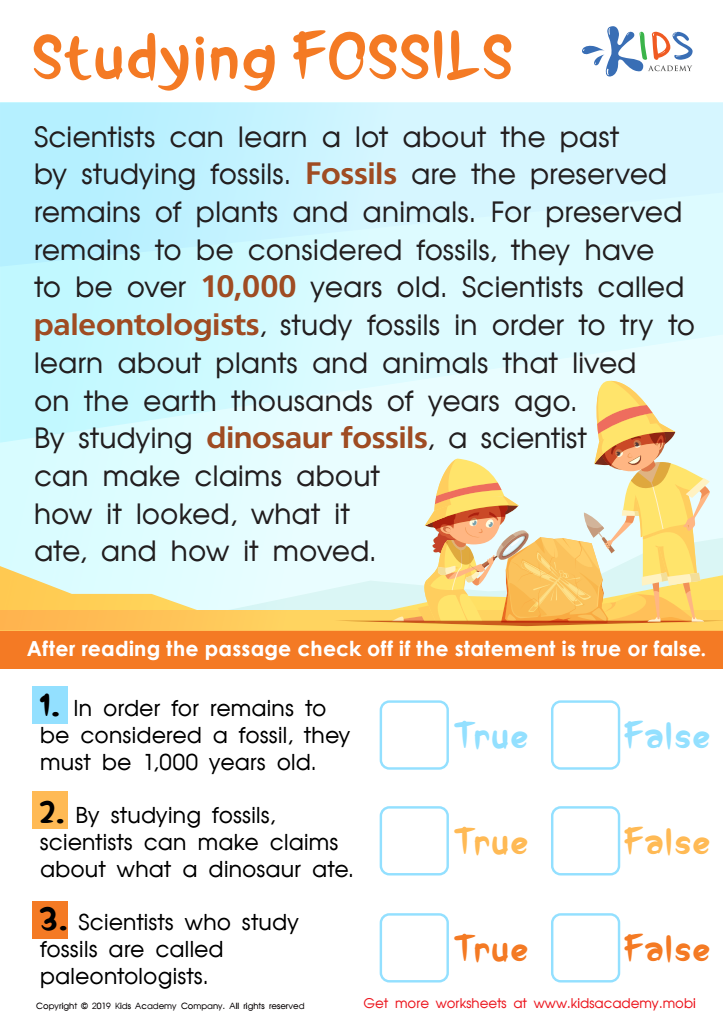
Studying Fossils Worksheet
 Assign to My Students
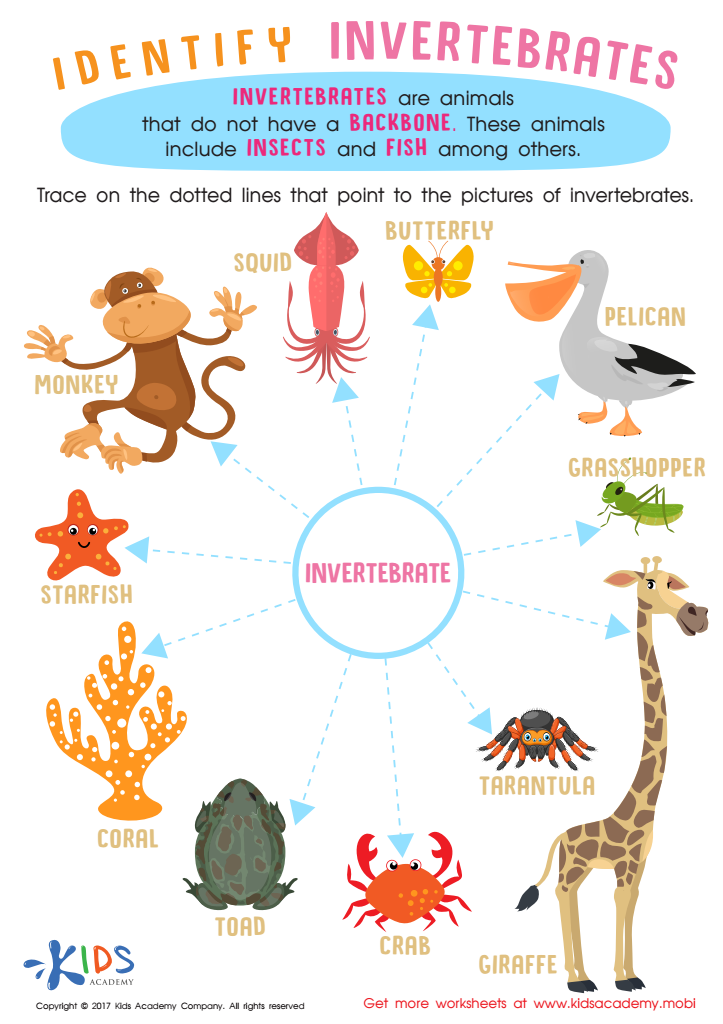
Invertebrates Worksheet for Grade 3
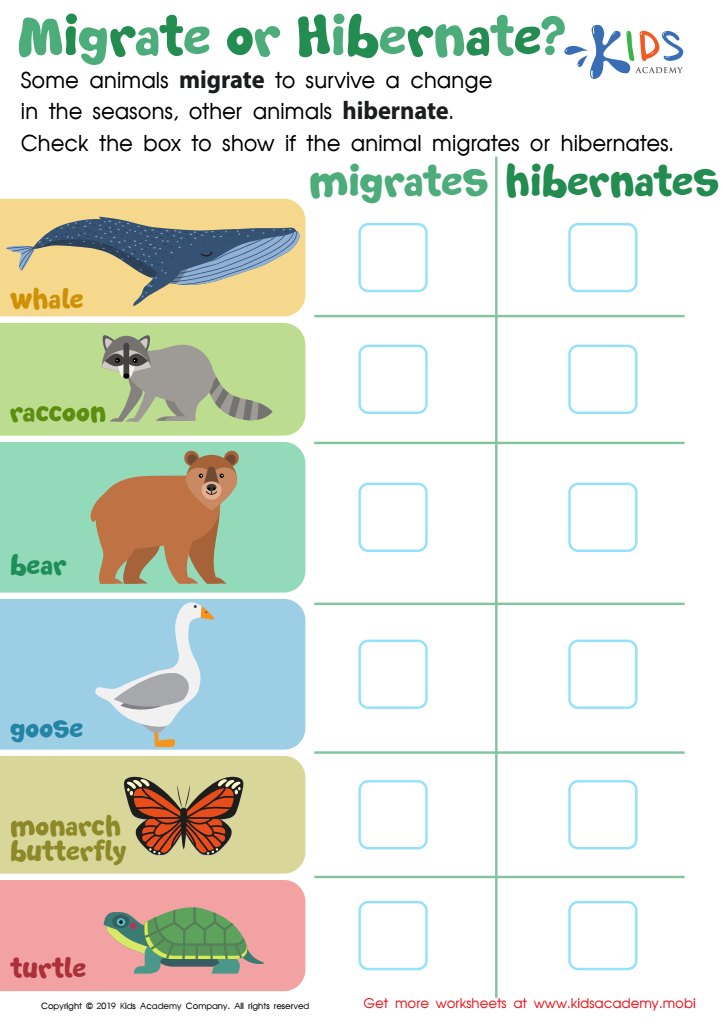
Migrate or Hibernate? Worksheet








Categorizing animals is a fundamental concept in science that helps young learners develop essential skills in observation, critical thinking, and classification. For children aged 6-8, this topic not only sparks curiosity but also deepens their understanding of the natural world.
First, categorizing animals aids in enhancing observational skills. When children explore different animal groups—such as mammals, birds, reptiles, and amphibians—they learn to identify key characteristics, like skin type, reproduction methods, and habitats. This careful observation promotes scientific inquiry and the ability to draw conclusions based on evidence.
Second, this classification fosters critical thinking. By evaluating how animals are grouped, children learn to recognize similarities and differences, which helps shape their reasoning skills. It encourages them to ask questions about why certain animals share characteristics and how they interact within ecosystems.
Lastly, understanding animal categorization fosters a sense of respect and responsibility toward wildlife. When children learn about biodiversity and the importance of each animal species, they are more likely to develop a compassion for animals and an appreciation for conservation efforts.
Overall, teaching young children about animal classification is not just about science; it's about nurturing inquisitive minds and developing responsible future stewards of our planet.







