Developing observation skills Normal Science Worksheets for Ages 6-8
3 filtered results
-
From - To
Enhance your child's natural curiosity with our “Developing Observation Skills” Normal Science Worksheets, designed for ages 6-8. These engaging and educational worksheets help young learners sharpen their critical thinking and observational abilities. Through fun activities and exercises, kids will learn to notice details, make comparisons, and understand scientific concepts more deeply. Perfect for classroom use or at-home learning, these worksheets provide foundational skills essential for science education. Ideal for young explorers who enjoy discovering the world around them, our well-crafted resources make learning an adventure. Foster your child's love for science and boost their academic success with our observation skills worksheets.
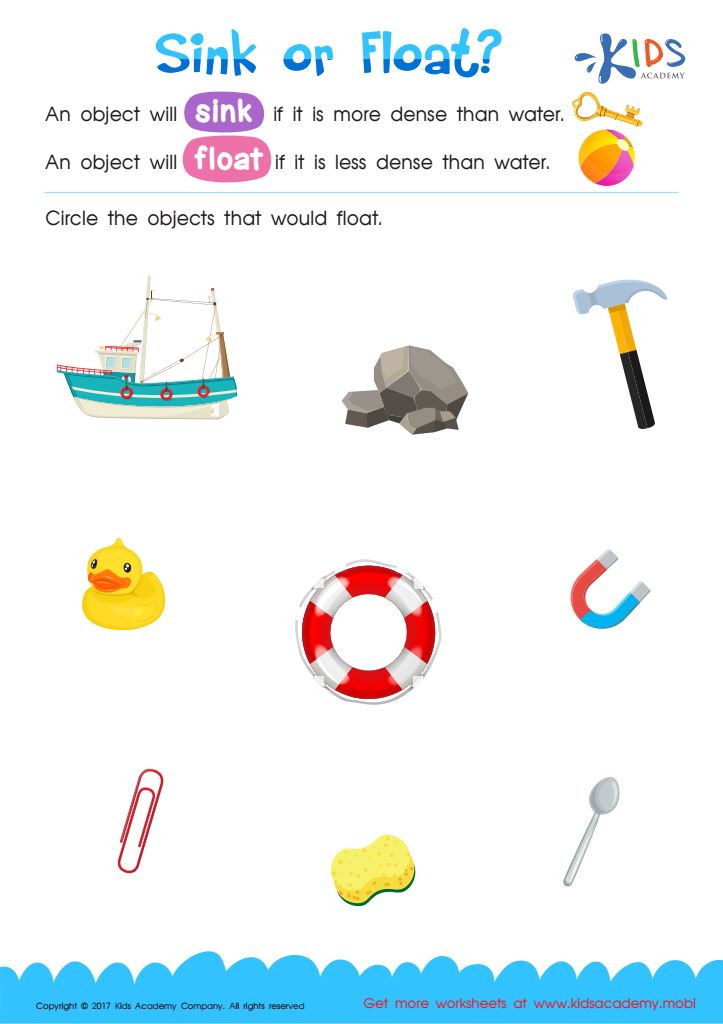
Sink or Float Printable
 Assign to My Students
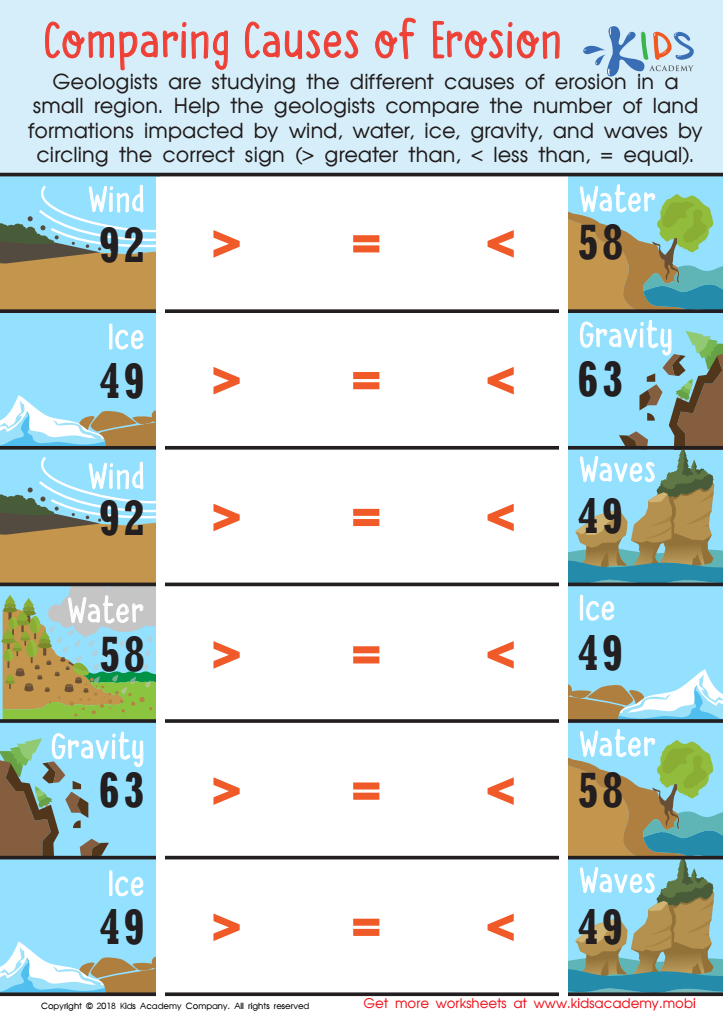
Comparing Causes of Erosion Worksheet
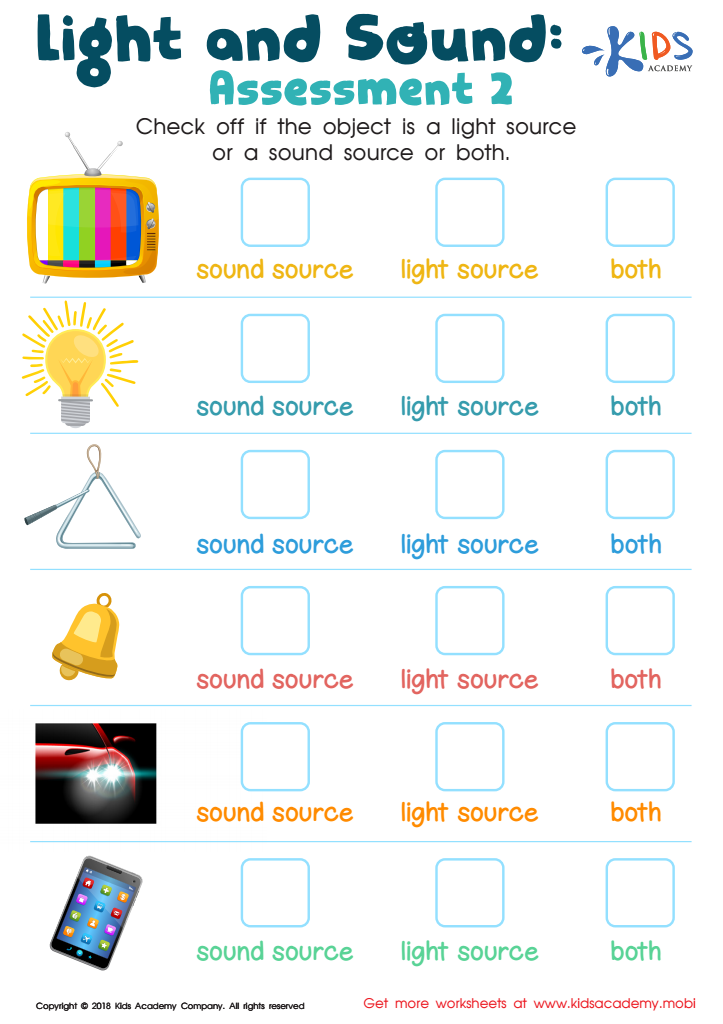
Light and Sound: Assessment 2 Worksheet


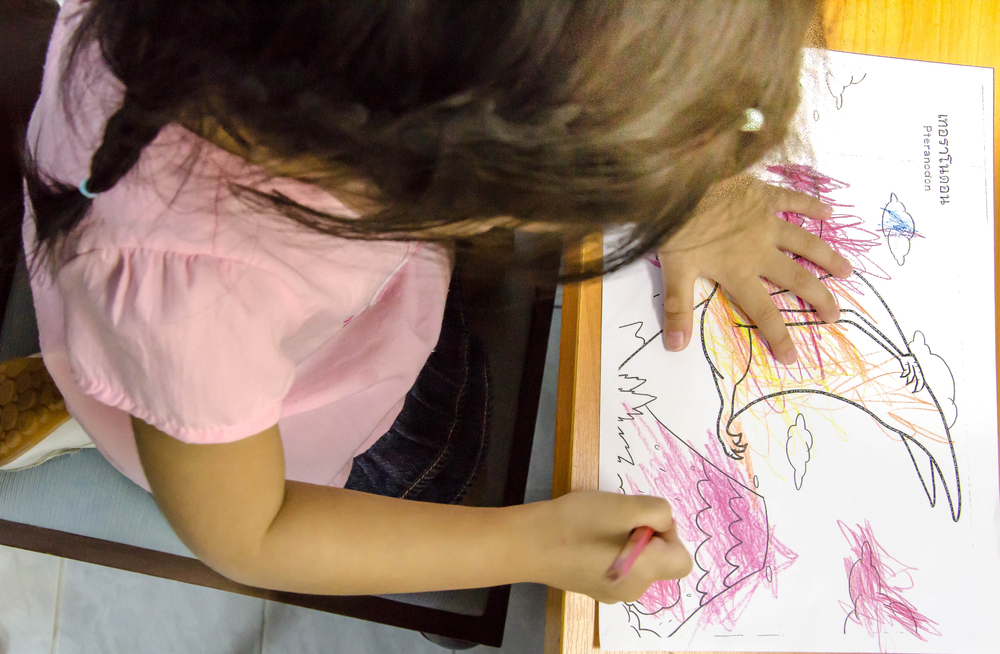





Developing observation skills in young children, especially within the sciences, is essential for a myriad of reasons. For ages 6-8, observation forms the foundation of scientific inquiry, sparking curiosity and fostering a deep sense of wonder about the natural world. When children enhance their observation skills, they become keenly aware of their surroundings, learn to focus on details, and develop critical thinking abilities. Observational prowess helps them differentiate patterns, make comparisons, and ultimately understand complex concepts as they grow older.
For parents and teachers, encouraging observational skills in normal science means supporting a child’s natural curiosity and aiding their overall intellectual development. By engaging in activities such as nature walks, simple experiments, and guided discovery, adults can create a stimulating environment that nurtures a child's ability to notice and question. This skill is not confined to science alone but also extends to math, reading comprehension, and social interactions, making children more adept learners across disciplines.
Creating opportunities for children to articulate their observations builds communication skills and self-confidence. Additionally, observations often lead to questions that drive further exploration, laying the groundwork for lifelong learning. In essence, fostering strong observation skills early on equips children with essential tools to navigate and understand the world around them.







