Matching skills Normal Science Worksheets for Ages 6-8
4 filtered results
-
From - To
Explore our Matching Skills Normal Science Worksheets, meticulously crafted for children aged 6-8. These engaging worksheets are designed to enhance young learners' scientific skills and matching abilities. Each activity promotes critical thinking, observation, and cognitive development, guiding kids through connecting scientific concepts and everyday phenomena. Perfect for both classroom and home use, our worksheets transform science learning into an enjoyable and memorable adventure. Equip your students with the skills to excel in early science education while nurturing their curiosity and love for exploration with our expertly designed matching activities. Ideal for sparking interests in science!
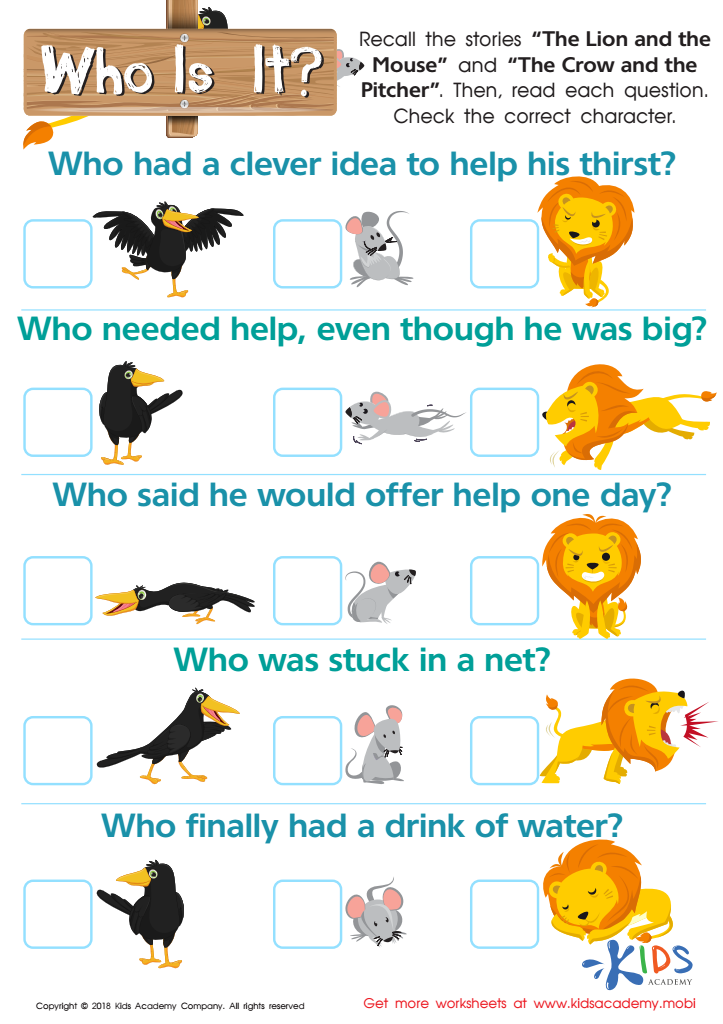
Who Is It? Worksheet
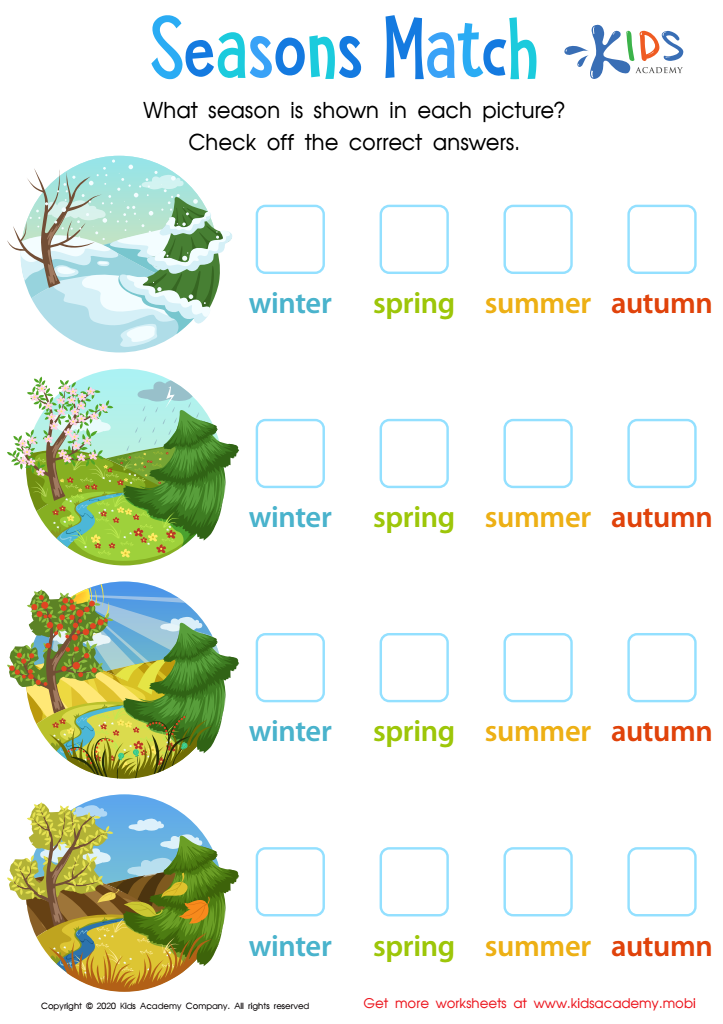
Seasons Match Worksheet
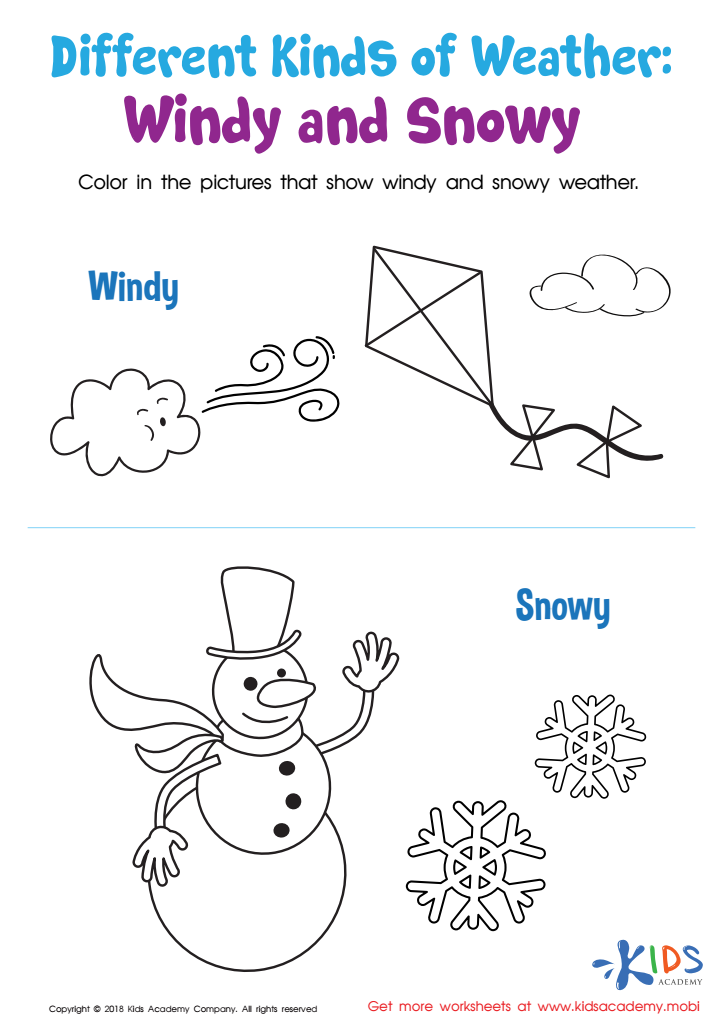
Different Kinds of Weather: Windy and Snowy Worksheet
 Assign to My Students
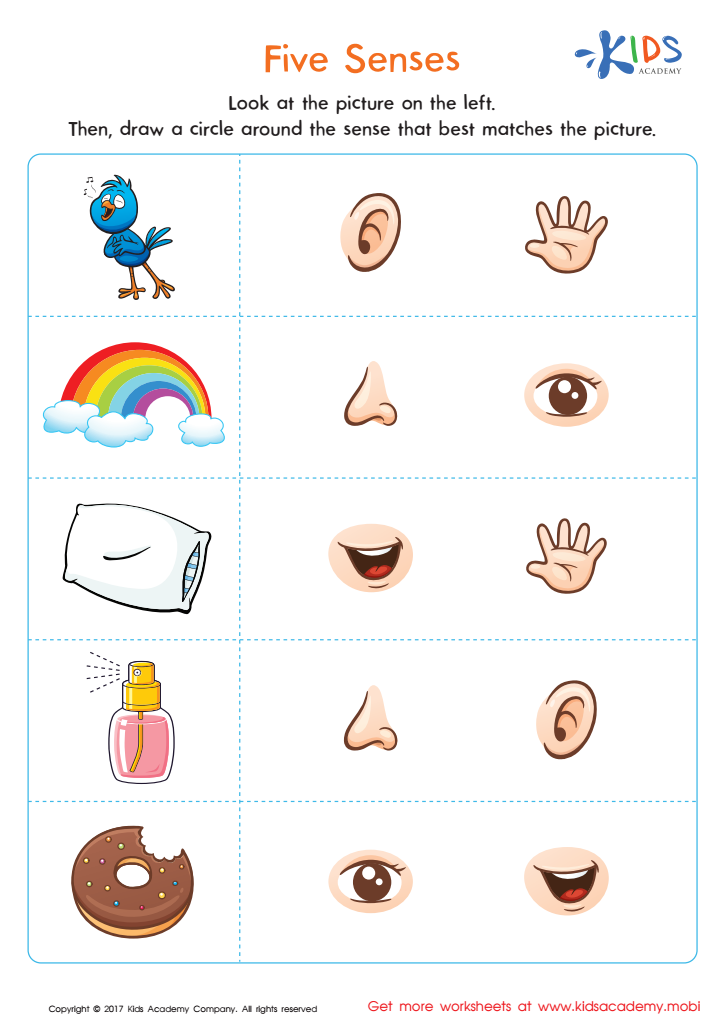
Five Senses Printable







Matching skills in normal science for children aged 6-8 are vital for several reasons, and both parents and teachers should prioritize them. At this developmental stage, children are naturally curious and eager to explore the world around them. Cultivating matching skills helps lay a solid foundation for scientific thinking and inquiry-based learning integral to normal science activities.
Firstly, matching exercises boost cognitive development. They enhance memory, attention to detail, and problem-solving skills as children learn to identify similarities and differences among objects or concepts. This cognitive growth is critical for understanding more complex scientific principles later on.
Secondly, matching skills support language development. As children describe why items or concepts go together, they practice vocabulary and verbal expression, which transfers to other academic areas, including reading and comprehension.
Furthermore, matching encourages a sense of order and categorization. Science often involves sorting and classifying data, from grouping animals by species to organizing rocks by type. Introducing these skills early nurtures an aptitude for methodical thinking and analytical reasoning.
Lastly, matching is intrinsically engaging for young minds, making science fun and accessible. It paves the way for a positive attitude toward science learning, fostering a lifelong interest and curiosity in the subject.
In summary, focusing on matching skills in early science education benefits cognitive, language, and analytical skills, making it an essential focus for parents and teachers.







