Understanding directions Normal Science Worksheets for Ages 6-8
4 filtered results
-
From - To
Discover our engaging "Understanding Directions Normal Science Worksheets" designed specifically for ages 6-8! These worksheets help young learners develop their comprehension skills by practicing following directions while exploring scientific concepts. Each activity encourages critical thinking and fosters curiosity about the world around them. Covering various topics, our worksheets promote hands-on learning experiences that make science fun and accessible. Perfect for parents and teachers alike, these resources can be integrated into lesson plans or used for independent practice. Spark your child’s interest in science while enhancing their ability to understand and follow instructions effectively. Watch their confidence grow with every completed worksheet!
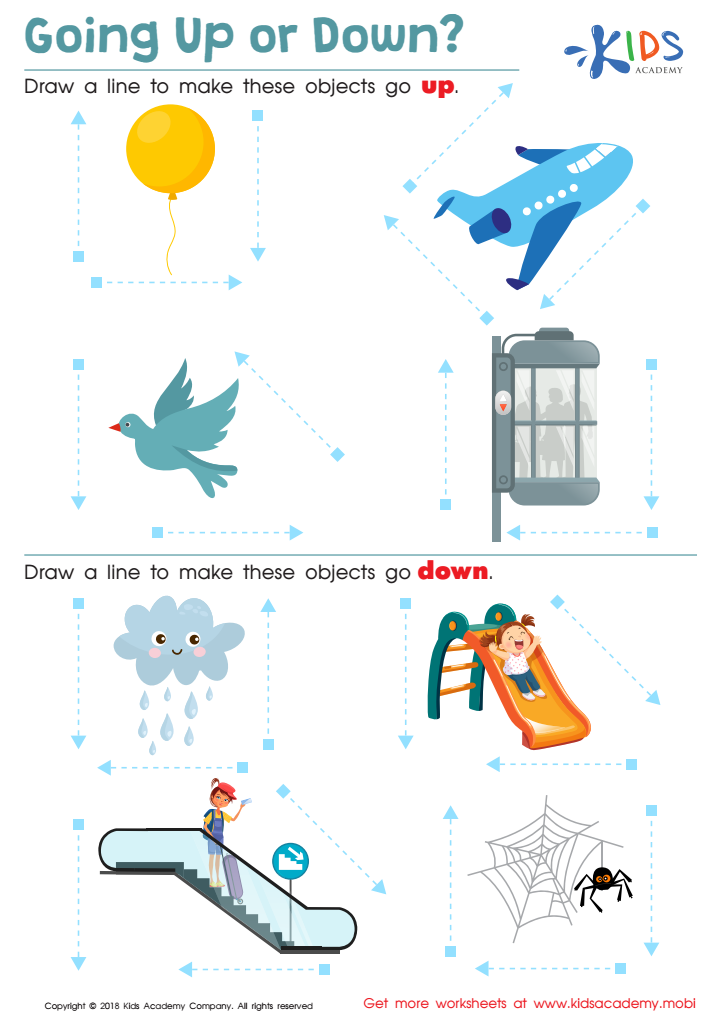
Going up or Down? Worksheet
 Assign to My Students
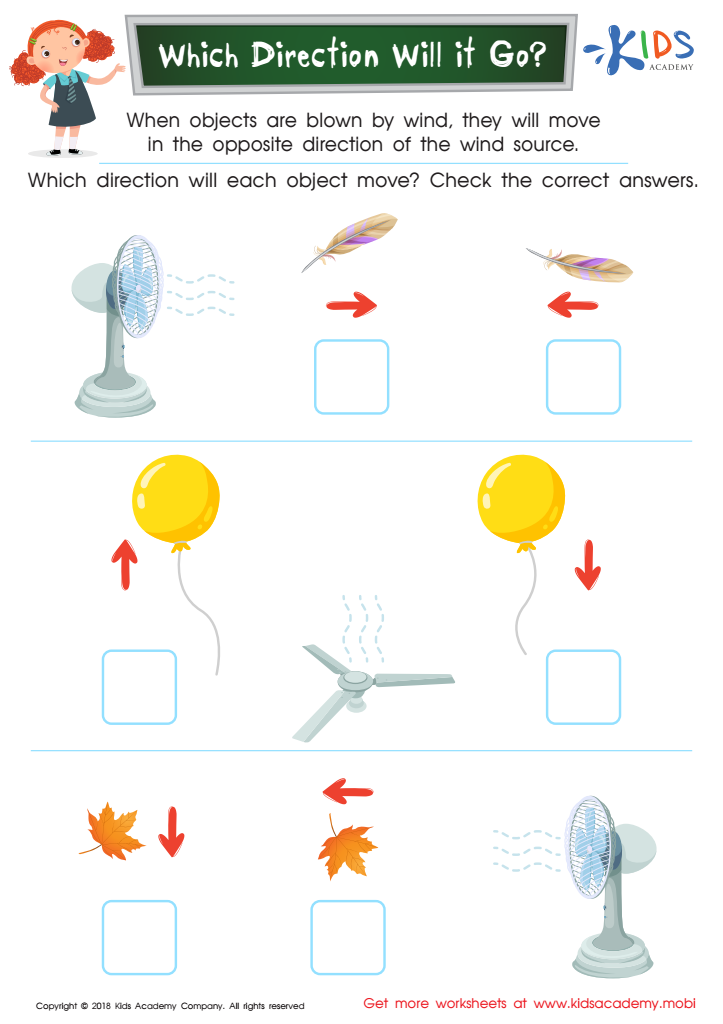
Which Direction Will it Go? Worksheet
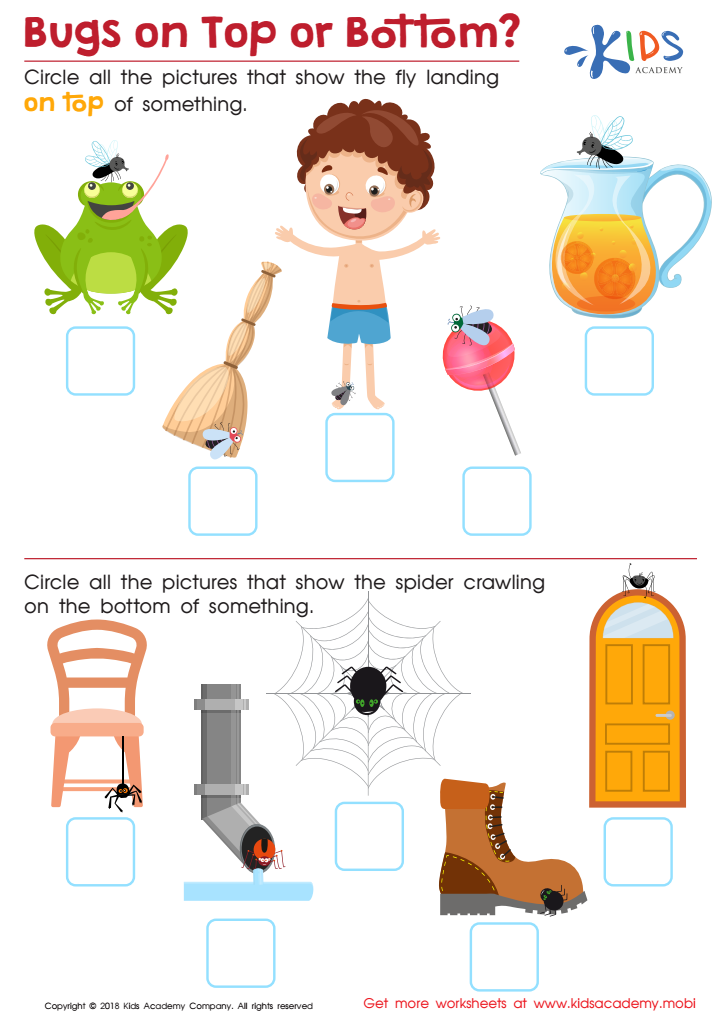
Bugs on Top or Bottom? Worksheet
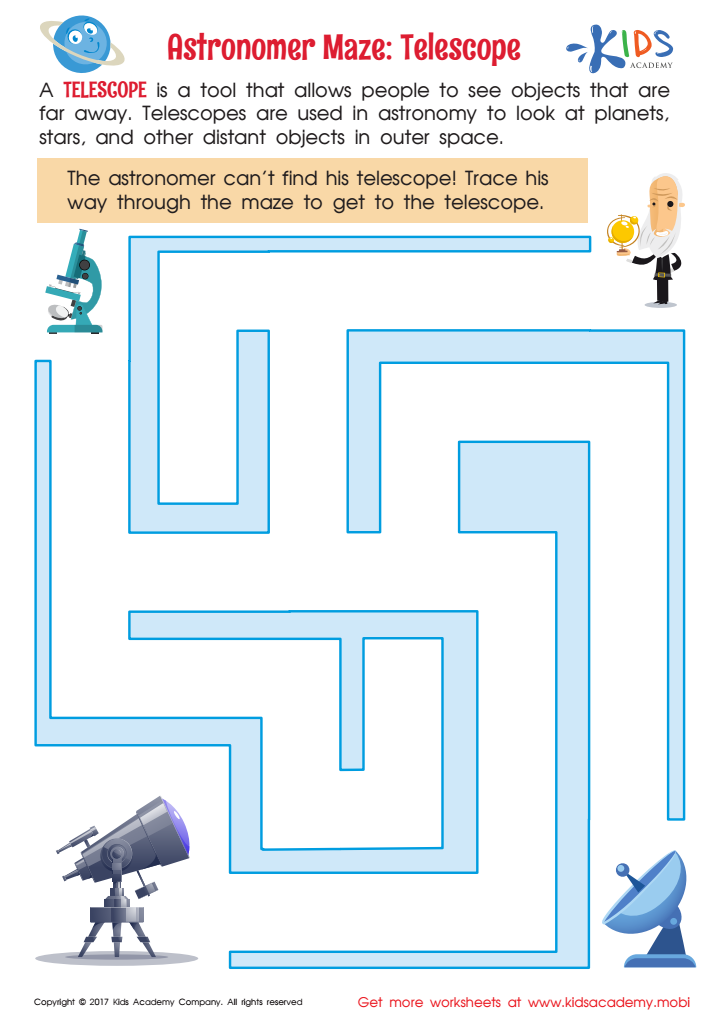
Astronomer Maze: Telescope Worksheet







Understanding directions in "Normal Science" is crucial for parents and teachers of children ages 6-8 for several reasons. At this developmental stage, children are naturally curious and eager to learn, making it an ideal time to instill a solid foundation in scientific principles. "Normal Science," as a concept, refers to the everyday scientific practices that help children make sense of the world around them.
By fostering an understanding of these directions, adults can enhance children's critical thinking skills. They learn to ask questions, hypothesize, and experiment, leading to a deeper scientific literacy. Also, grasping how to interpret and follow directions supports essential competencies such as reading comprehension and logical reasoning.
Furthermore, engaging with "Normal Science" encourages collaboration and communication. Conducting simple experiments can be a bonding experience between parents and children or within the classroom, prompting discussions that stimulate intellectual curiosity. As children master these skills, they develop a lifelong appreciation for science, enabling them to approach problems methodically and creatively.
Ultimately, promoting an understanding of directions in science equips young learners with the tools to inquire, explore, and innovate, nurturing their growth and preparing them for future academic success.







