Categorization skills Normal Plants and Animals Worksheets for Ages 6-8
4 filtered results
-
From - To
Enhance your child's categorization skills with our engaging Normal Plants and Animals Worksheets, specially designed for ages 6-8! These fun, interactive worksheets encourage young learners to classify various plants and animals based on their characteristics. Through a variety of activities, children will develop critical thinking skills as they identify similarities and differences, promoting a deeper understanding of the natural world. Ideal for classrooms or homelearning, these worksheets foster excitement about science while reinforcing important concepts. Watch your child thrive as they explore vibrant illustrations and engaging tasks, all aimed at making learning enjoyable and effective! Download now and inspire curiosity today!
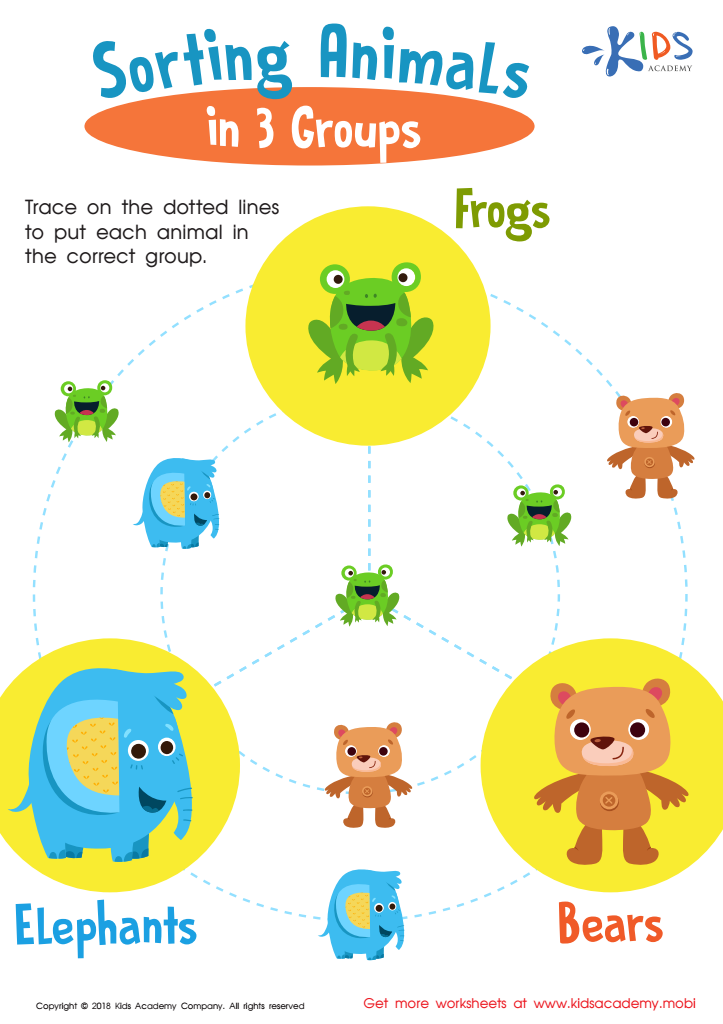
Sorting Animals in 3 Groups Worksheet
 Assign to My Students











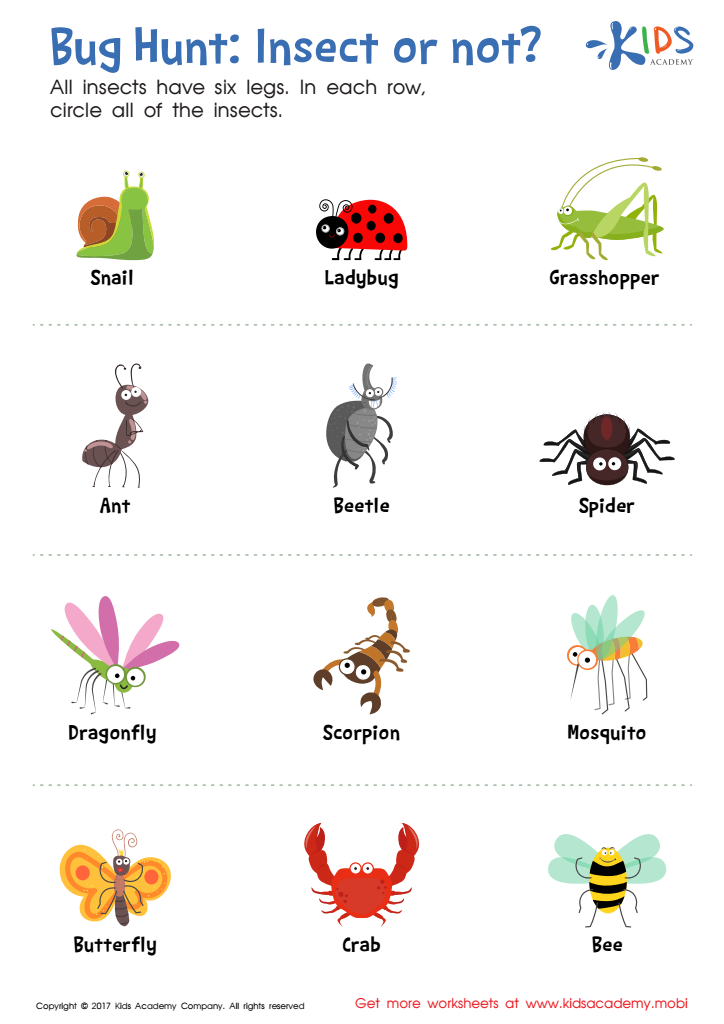
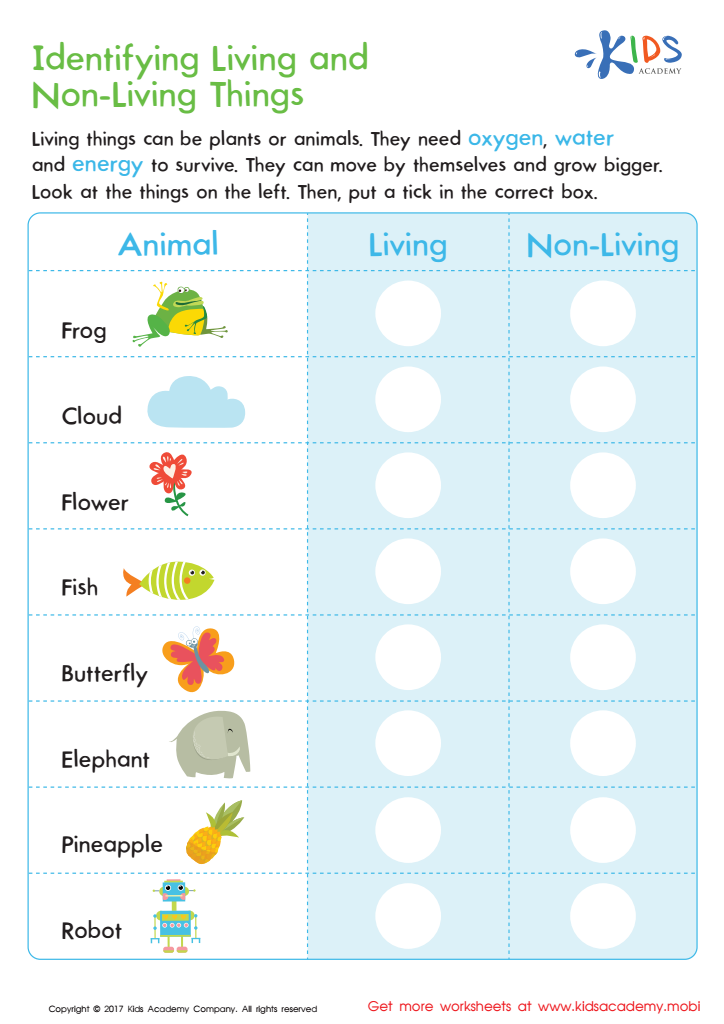
Identifying Living or Non–living Worksheet
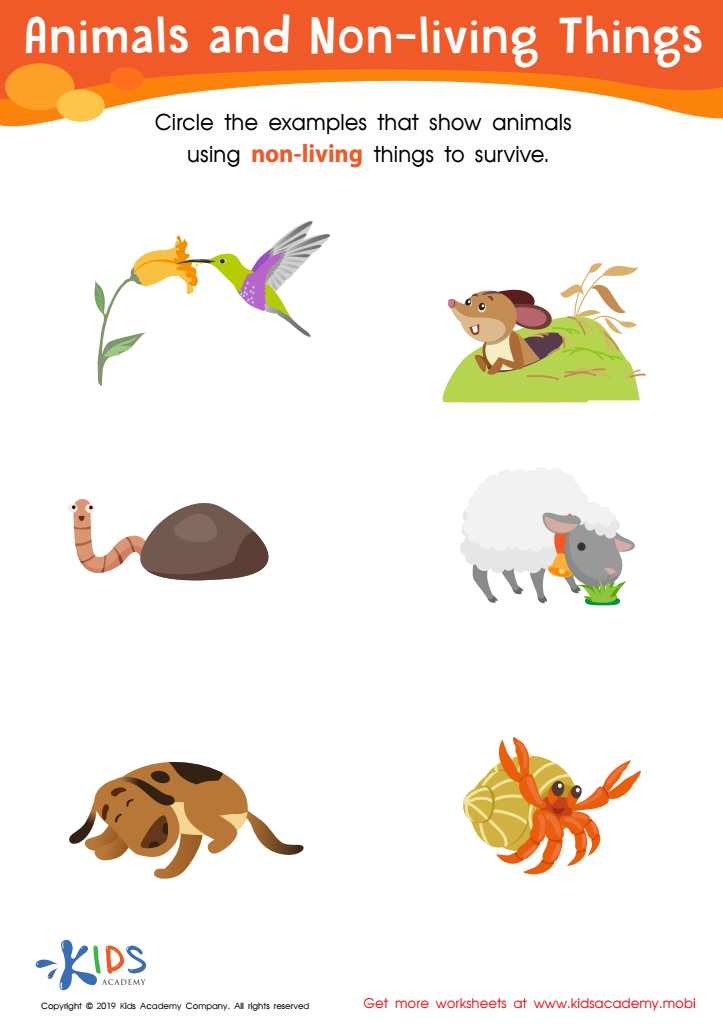
Animals and Non-Living Things Worksheet








Categorization skills are essential for children aged 6-8, particularly when it comes to understanding normal plants and animals. This developmental stage is crucial for enhancing cognitive abilities, as children begin to make sense of the world around them. By teaching them to categorize living things, parents and teachers foster critical thinking, observation skills, and the ability to make connections between different concepts.
Understanding categories such as mammals, birds, trees, and flowers helps children grasp complex biological relationships and ecosystems. This knowledge also lays the groundwork for future scientific learning, empowering students to make informed decisions about environmental issues and sustainability.
Additionally, categorization aids in vocabulary development. As children learn to group plants and animals, they absorb new terms and deepen their comprehension of language. This reinforces literacy skills, setting the foundation for stronger reading and writing abilities.
Finally, engaging students in hands-on activities—like creating a garden or observing wildlife—can ignite curiosity and a sense of responsibility towards nature. By caring about categorization skills related to plants and animals, parents and teachers can nurture curious, informed, and environmentally-conscious individuals.







