Vocabulary Building Normal Plants and Animals Worksheets for Ages 6-8
5 filtered results
-
From - To
Discover our engaging "Vocabulary Building: Normal Plants and Animals Worksheets" designed specifically for ages 6-8! These worksheets provide a fun and effective way for young learners to expand their vocabulary while exploring the fascinating world of plants and animals. Each worksheet features colorful illustrations, interactive activities, and essential vocabulary words that resonate with children’s everyday experiences. Our resources aim to boost language skills, enhance comprehension, and spark curiosity about nature. Perfect for classroom use or at-home learning, these worksheets make vocabulary building enjoyable and enjoyable. Start enriching your child’s linguistic journey with our easy-to-use resources today!
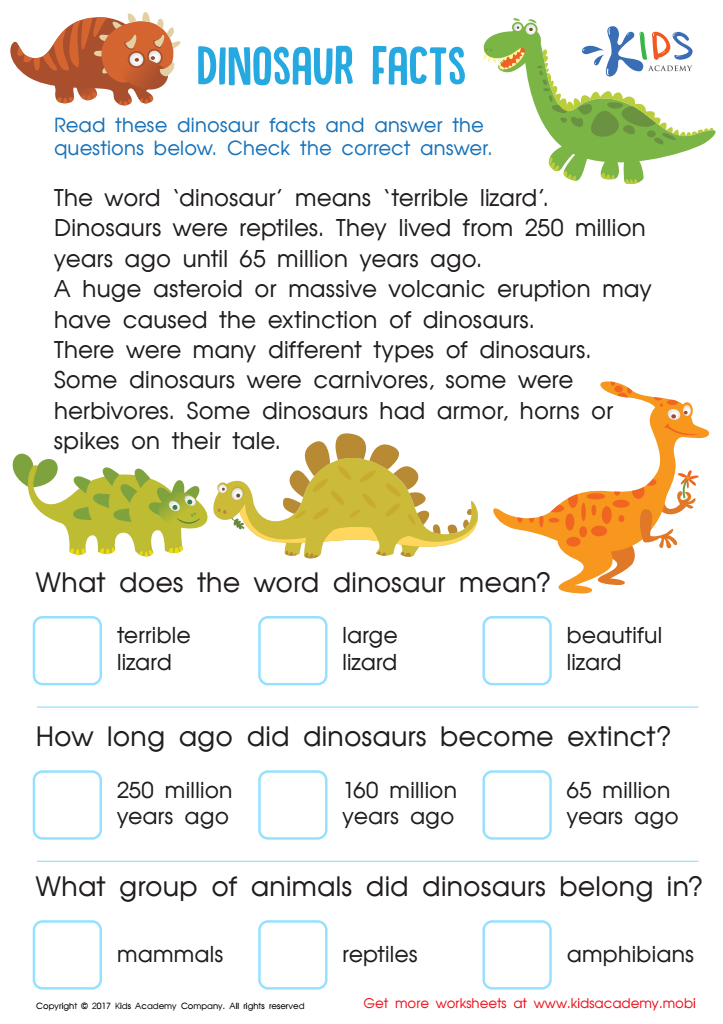
Dinosaur Facts Worksheet
 Assign to My Students


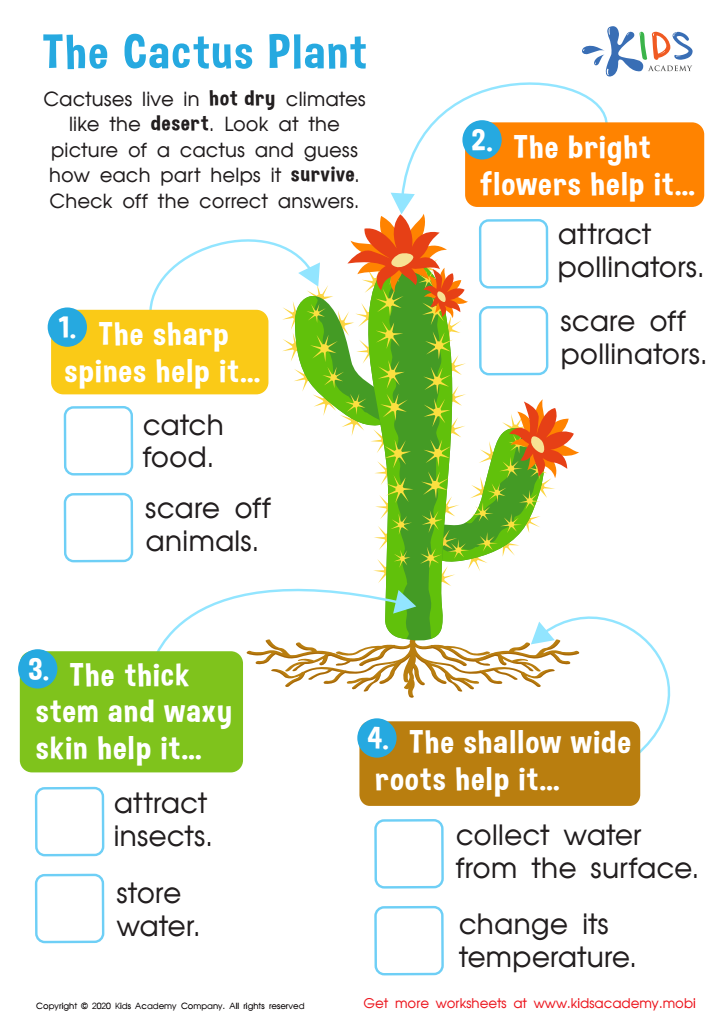
The Cactus Plant Worksheet
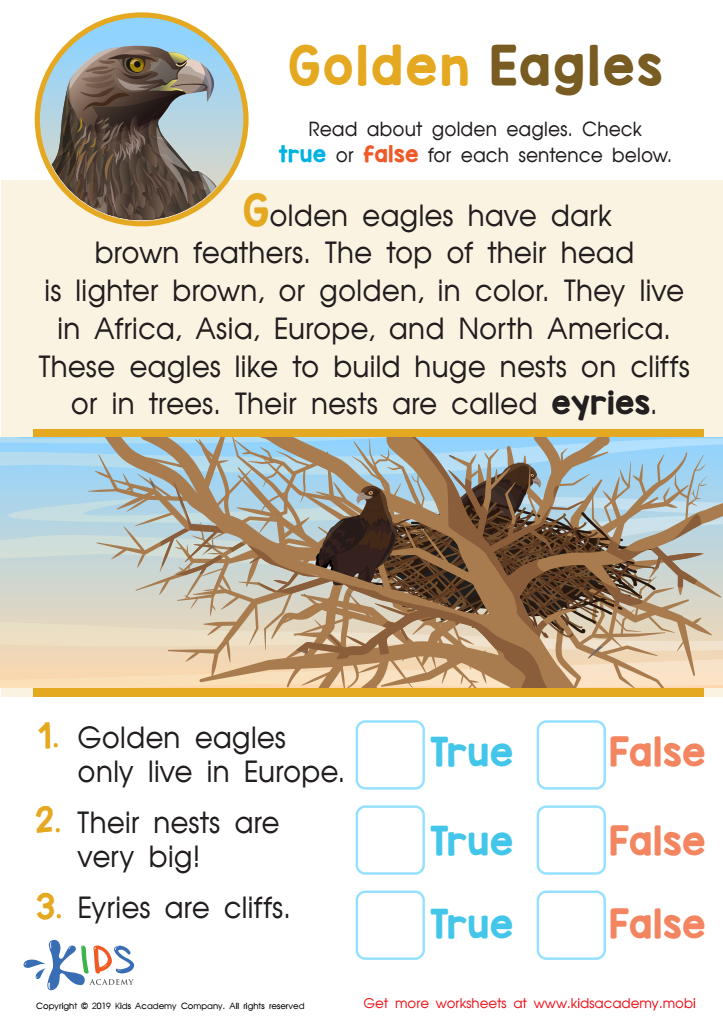
Golden Eagles Worksheet
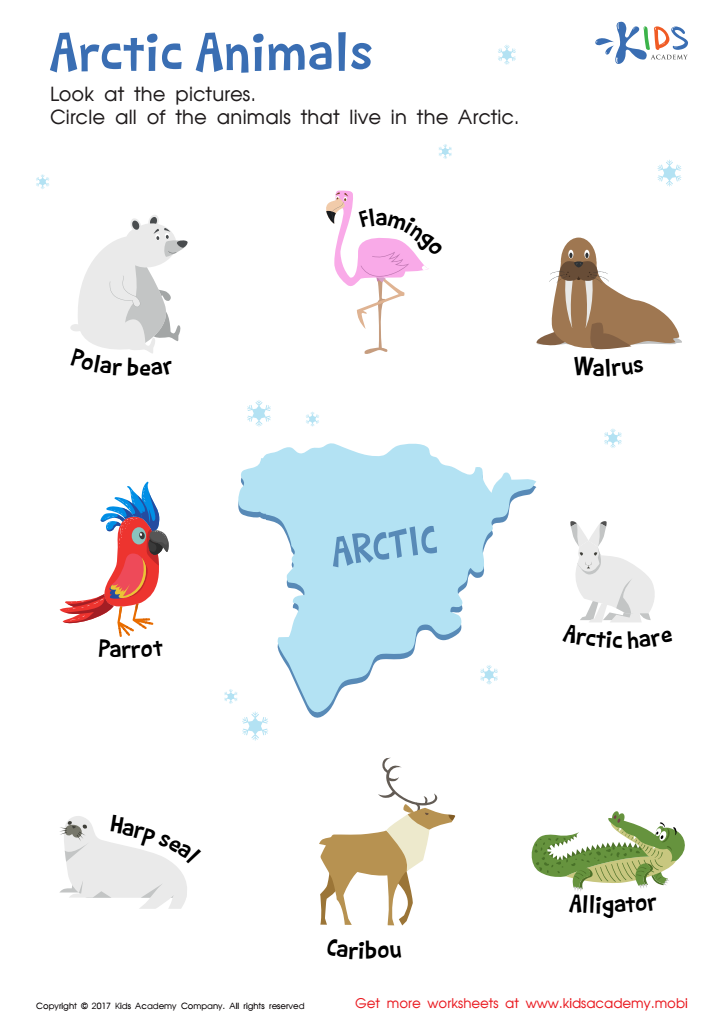
Arctic Animals Worksheet
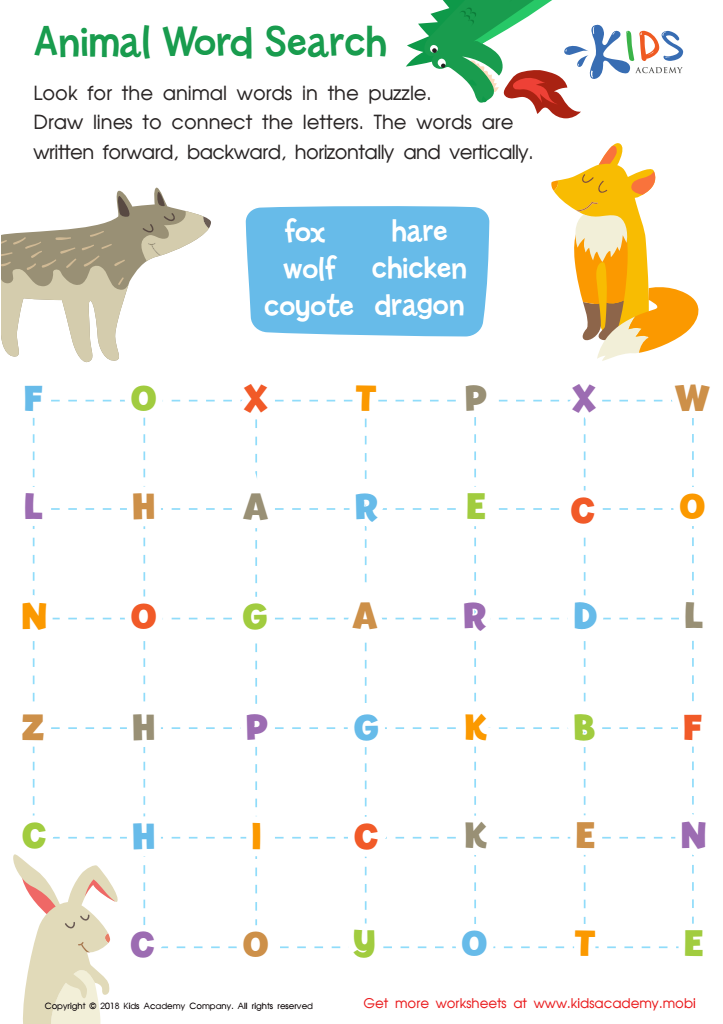
Animal Word Search Worksheet





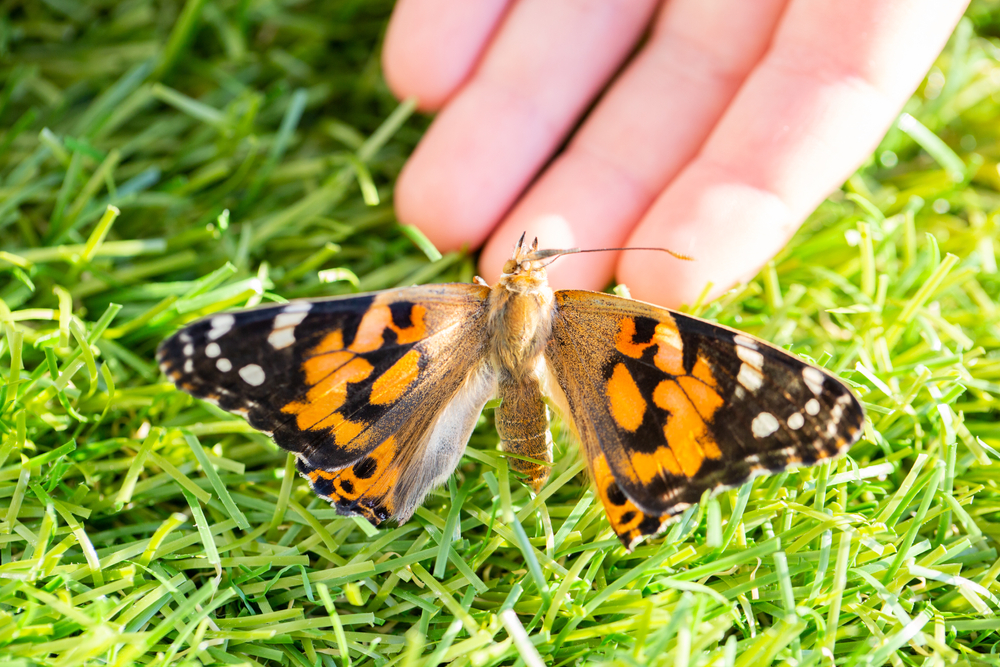


Vocabulary building around normal plants and animals is crucial for children aged 6-8 for several reasons. At this developmental stage, children are expanding their language skills rapidly, and a rich vocabulary lays the groundwork for effective communication, comprehension, and critical thinking. Familiarity with the terminology related to plants and animals not only enhances language skills but also sparks curiosity about the natural world, promoting inquiry-based learning.
Understanding common plants and animals helps children make connections to their surroundings, fostering a sense of appreciation and respect for nature. This knowledge encourages outdoor exploration, sustainable practices, and environmental stewardship, instilling values that can last a lifetime.
Furthermore, a well-developed vocabulary enhances reading comprehension, enabling children to engage with texts more profoundly. Activities centered around plants and animals offer hands-on learning opportunities, as children can observe, describe, and categorize their findings, reinforcing language concepts through experiential learning.
Parents and teachers can support this vocabulary building by incorporating interactions—such as nature walks, discussions, and related literature—into daily activities. By doing so, they simultaneously boost linguistic development and cultivate a love for science and survival skills, ensuring children become increasingly informed, engaged individuals.







